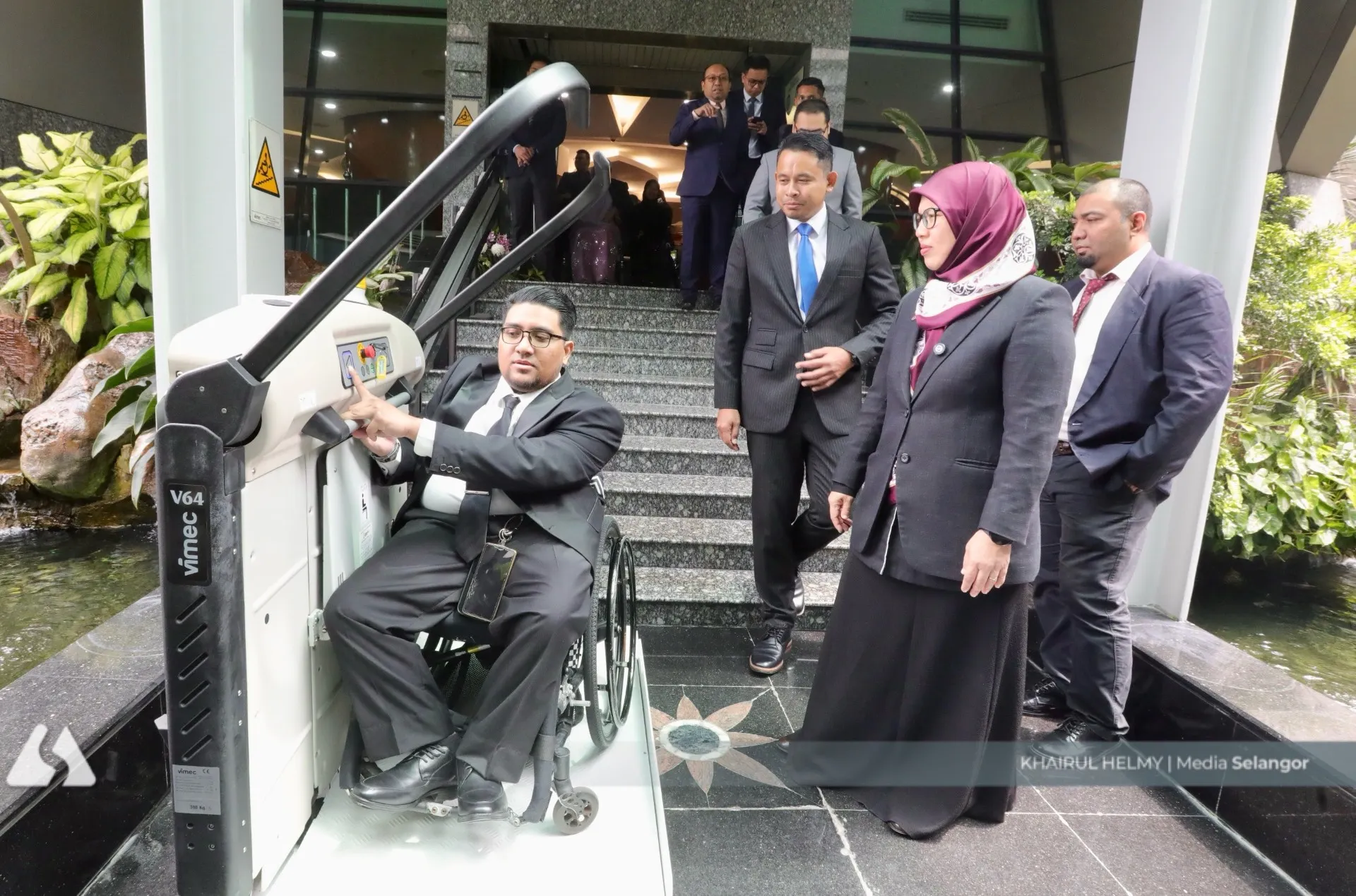
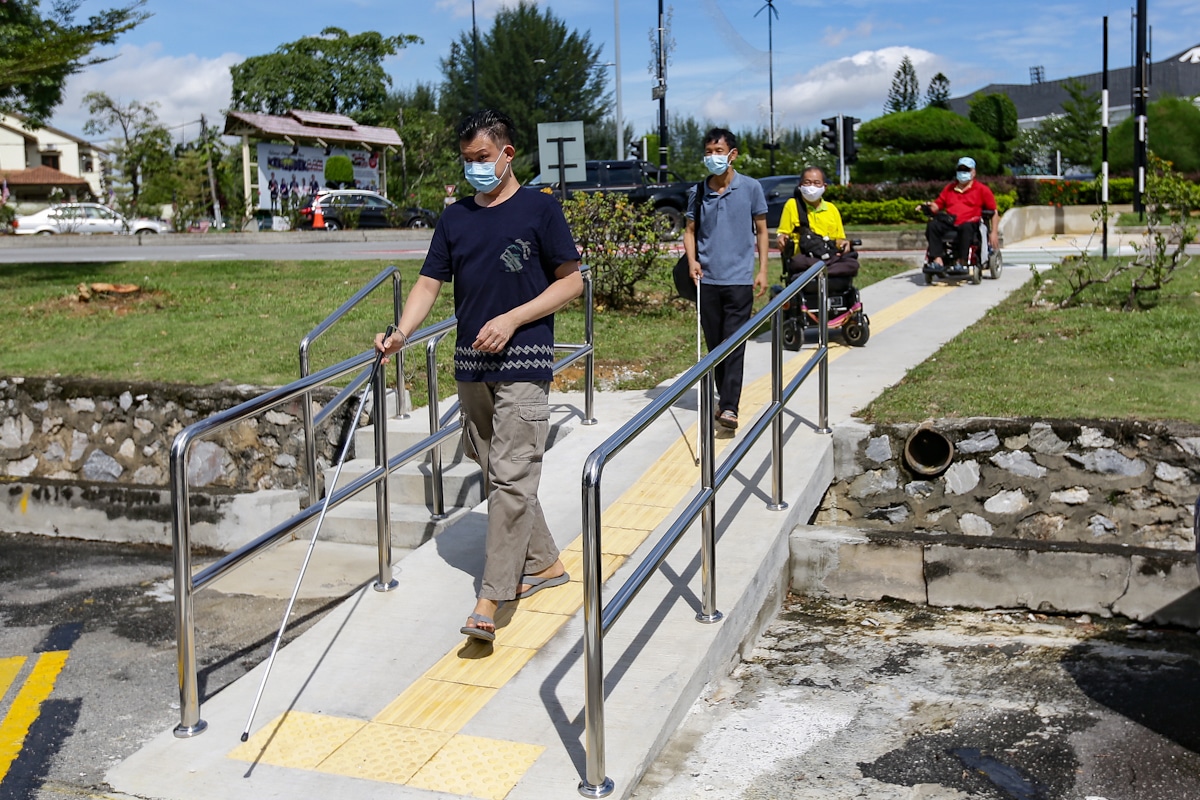
SHAH ALAM, May 14 — Selangor’s Persons with Disabilities (OKU) Policy 2026-2030 will introduce special guidelines that must be complied with before any development project is approved in the state.
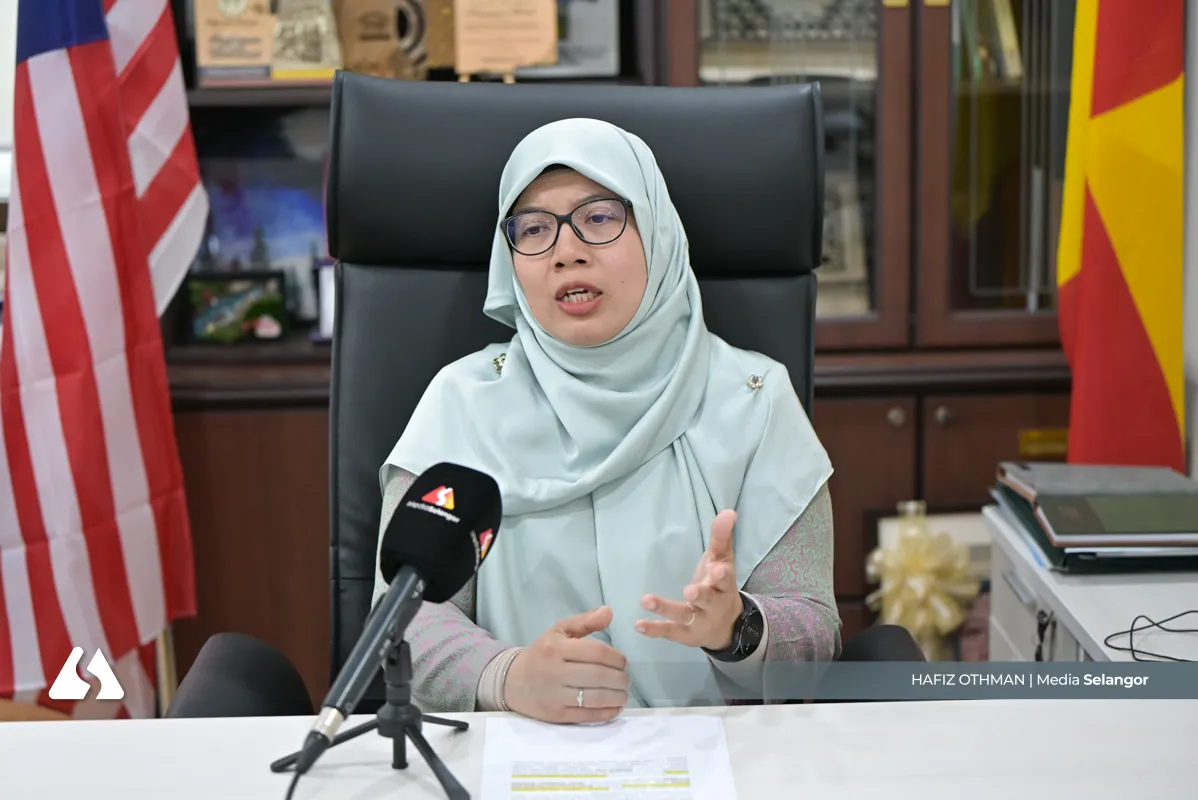
State executive councillor for social welfare Anfaal Saari said the guidelines would be mandatory for all 12 local authorities (PBT) in Selangor before approving new developments.
“Universal design principles have already been outlined in the Malaysia Plan, but at the state level we will develop specific guidelines that must be complied with by all local authorities in Selangor.
“Any new development seeking planning approval must fulfil accessibility requirements and the needs of persons with disabilities,” she told Media Selangor.
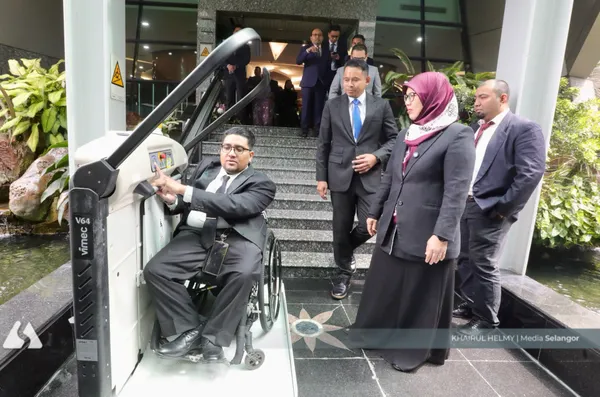
Anfaal said the state government was also considering appointing staff to conduct accessibility audits to ensure existing government buildings and public spaces genuinely meet the needs of persons with disabilities.
“This approach is important so that persons with disabilities can move around more safely and comfortably, while enjoying equal access to public facilities and economic opportunities,” she said.
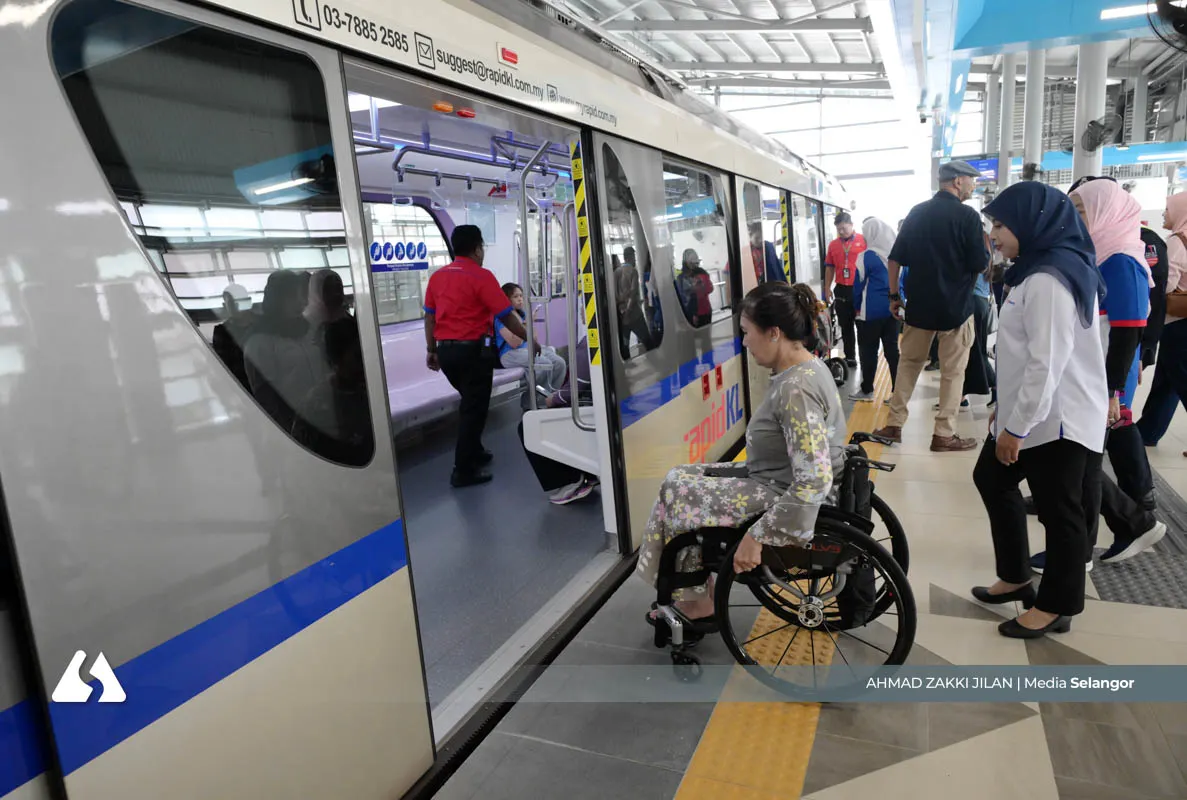
Anfaal added that her office was also paying close attention to safety issues involving visually impaired persons following several fatal accidents at public transport areas, including LRT stations.
According to her, the policy would be implemented in stages, beginning with engagement sessions involving local authorities, government departments, district and land offices, as well as non-governmental organisations (NGOs).
She referred to the Selangor disability policy, which contains five key thrusts covering both short- and long-term goals that were recently approved at the State Executive Council meeting.
The thrusts include wellbeing and equality, education and lifelong development, productivity and economic development, accessibility and universal design, as well as governance and advocacy for persons with disabilities.
Increase awareness
Meanwhile, Selangor Persons with Disabilities Action Council (MTOS) chairperson Danial Al-Rashid Haron said the policy’s initial focus would be on accessibility and employment opportunities, which are closely linked to the daily lives of persons with disabilities.
According to Danial, awareness and compliance with accessibility guidelines are essential to ensure new developments, including commercial areas, are genuinely disability-friendly.
“New developments involve commercial areas that must also be disability-friendly because persons with disabilities want to visit shops, shopping centres and conduct daily affairs like everyone else.
“That is why we want to increase awareness and compliance with accessibility guidelines so that new developments, including commercial areas, become more disability-friendly.
“If local authorities or contractors overlook accessibility aspects, problems will arise when persons with disabilities cannot comfortably access buildings, public parks and various other facilities,” he said.
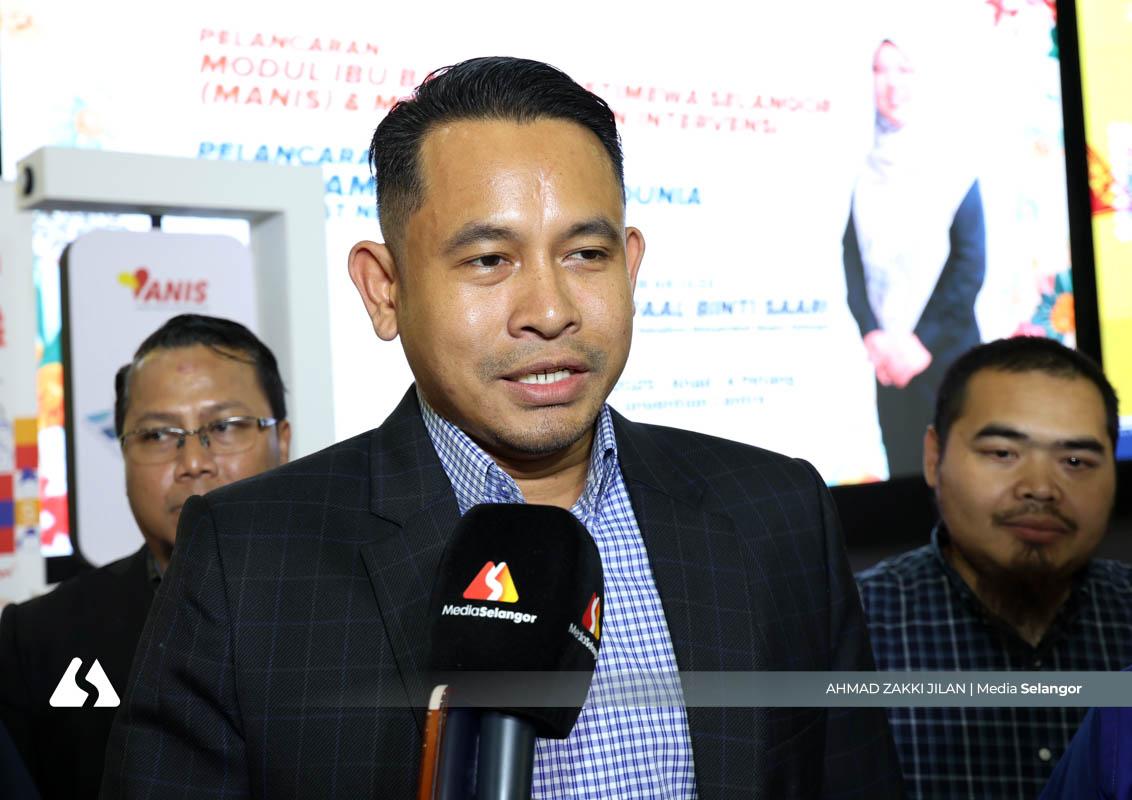
He added that the needs of autistic individuals and persons with learning disabilities were also being seriously considered, including the provision of special spaces such as calm rooms in public areas.
Danial said the state administration also wanted to expand employment opportunities for persons with disabilities, including placements in state government-linked companies (GLCs) and work-from-home opportunities through digital platforms.
“Employment is also among the state government’s main agendas over the next two years, particularly for 2026 and 2027,” he said.