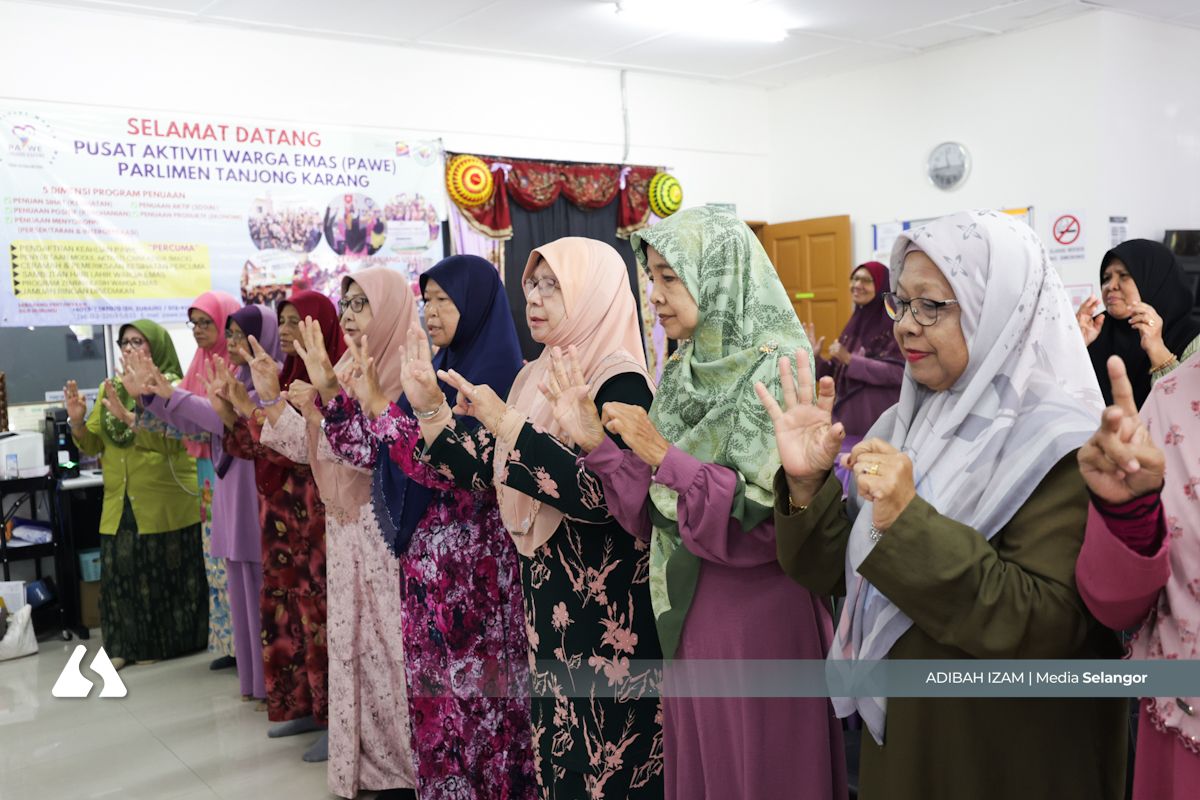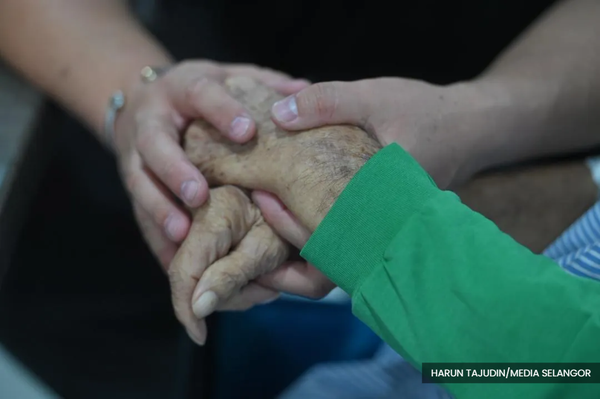
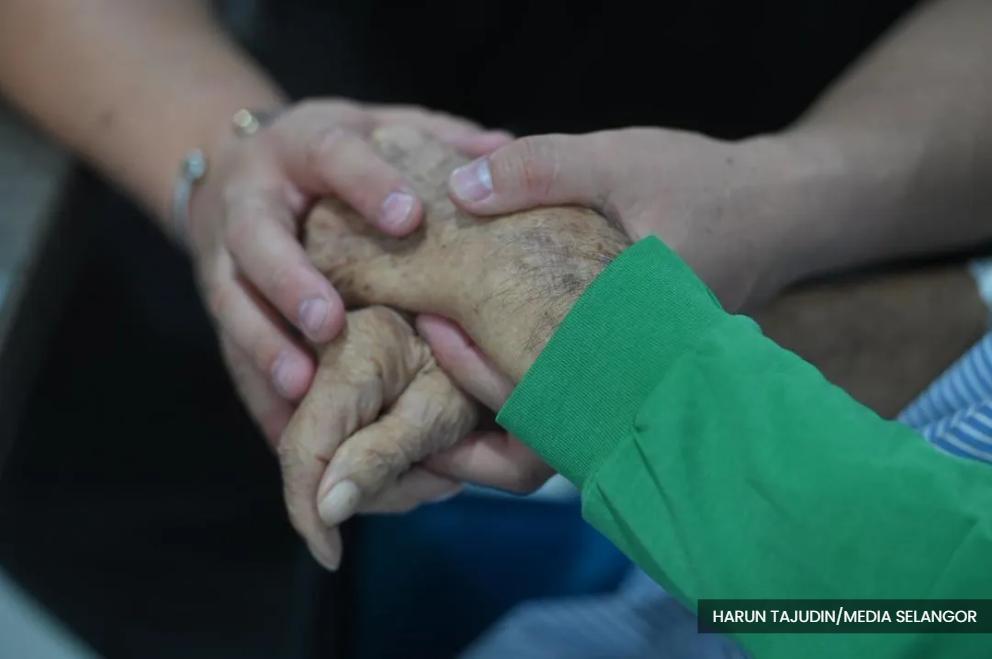
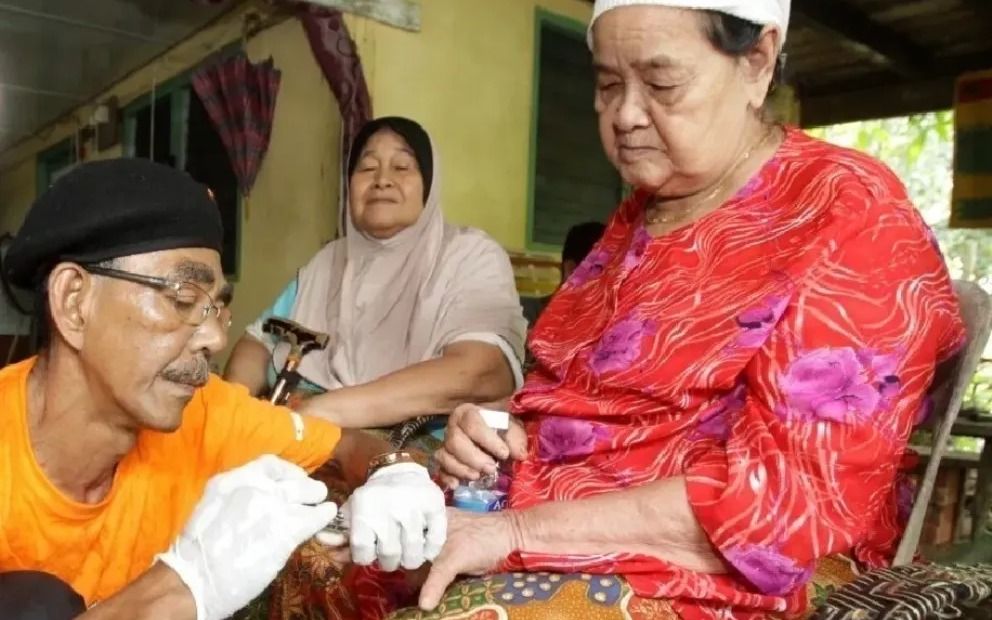
SHAH ALAM, May 5 — In places like Sardinia, Italy and Okinawa, Japan, growing old does not mean becoming invisible. Older people remain active in daily community life, tending gardens, meeting neighbours and taking part in social activities that keep them engaged and valued.
These so-called Blue Zones have drawn global attention for one simple reason: people tend to live longer when they stay socially connected and have a clear sense of purpose.
But an expert warned that these examples are not meant to be copied directly as lifestyle templates or longevity formulas. Instead, they highlight how community design can shape how people age.
Universiti Putra Malaysia’s Malaysia Research Institute on Ageing’s Assoc Prof Rahimah Ibrahim said Malaysia should not merely replicate other countries’ models but rethink and build its own structured, long-term support system for older people, with current approaches largely informal and uneven.
“For Malaysia, the lesson is simple; connection must be designed into daily life,” she said, citing shared community spaces, intergenerational programmes, and accessible public infrastructure as important components of an age-friendly society.
At the state and local government levels, Rahimah proposed establishing a clear household registry to identify older persons living alone or with only other elderly individuals, especially those who are frail, low-income, disabled, or without nearby family support.
“Communities should also establish regular check-ins through local councils, clinics, Rukun Tetangga, the Village Development and Security Committees, religious groups, non-governmental organisations, and trained volunteers.
“But this must not be random. There must be referral and follow-up,” she told Media Selangor.
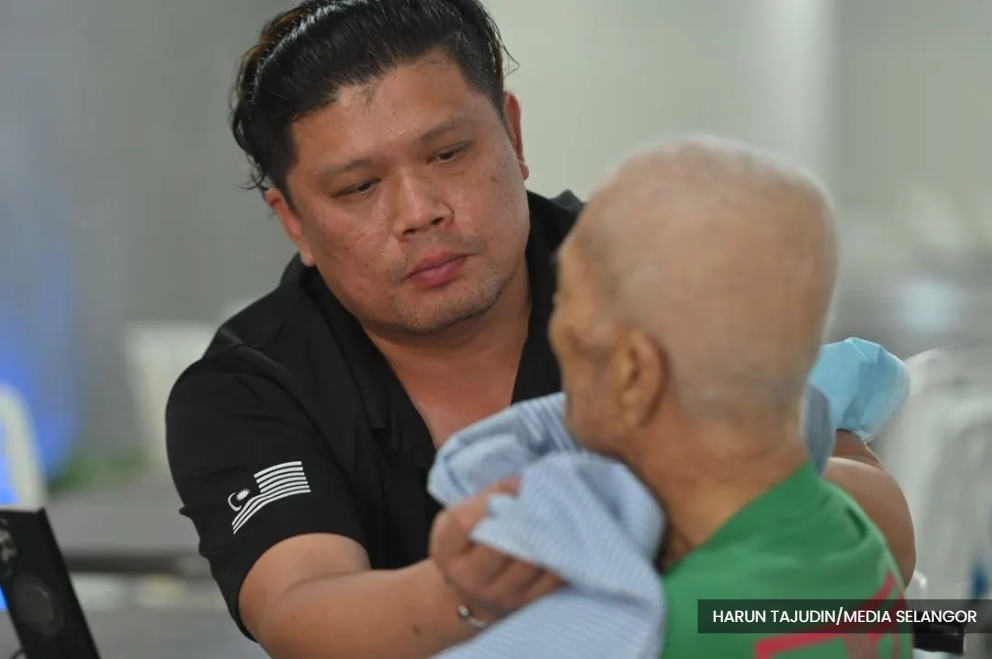
Rahimah emphasised the need for better time-use data to recognise the often invisible caregiving work within families, especially by women who shoulder responsibilities such as transporting elderly parents, managing medication, cooking, and providing daily care.
Long-term funding mechanism
On April 22, state executive councillor for women empowerment and welfare Anfaal Saari said Selangor is planning to develop a Respite Care Wellness Hub dedicated to senior citizens and disabled persons, as part of efforts to support caregivers, especially women.
She said the initiative is important in addressing current realities, including cases where women are solely responsible for caring for disabled children or elderly family members.
However, Rahimah noted that initiatives such as respite care must be backed by strong, sustained funding to be effective in the long term.
“Community care will remain a slogan unless we decide how to fund home care, day care, respite care, dementia support, transport services, assistive devices, and trained care workers,” she said.
It is equally important that age-friendly urban planning be considered, including safer walkways, benches, shaded areas, accessible toilets, reliable transport, and barrier-free public buildings.
“These are not ‘senior citizen luxuries’; they help everyone, including children, caregivers, pregnant women, persons with disabilities, and families. Older people are not asking for special treatment; they are asking not to be forgotten by the communities they helped build,” Rahimah said.
Regarding how prolonged solitude or lack of companionship affects physical and mental health, she said that loneliness and social isolation should be treated as public health concerns rather than private issues, as they are linked to poorer physical and mental health outcomes.
However, loneliness should not be oversimplified, as it is not solely caused by living arrangements.
She added that ageing should not be treated solely as a financial issue, urging individuals and society to prepare more holistically for later life, including building relationships, social networks, and a sense of purpose.
According to the Malaysian Statistics Department, the nation is projected to become an “aged nation” by 2048 when the proportion of citizens aged 65 and above reaches 14 per cent of the total population.
Selangor is expected to be among the states with the highest elderly population, with some districts moving towards a super-aged society.
To prepare for an ageing nation status, the Federal government will launch the National Ageing Blueprint 2025-2045 later this year, outlining policies, frameworks, and comprehensive action plans covering the economy, employment, education, social protection, healthcare, and long-term care.