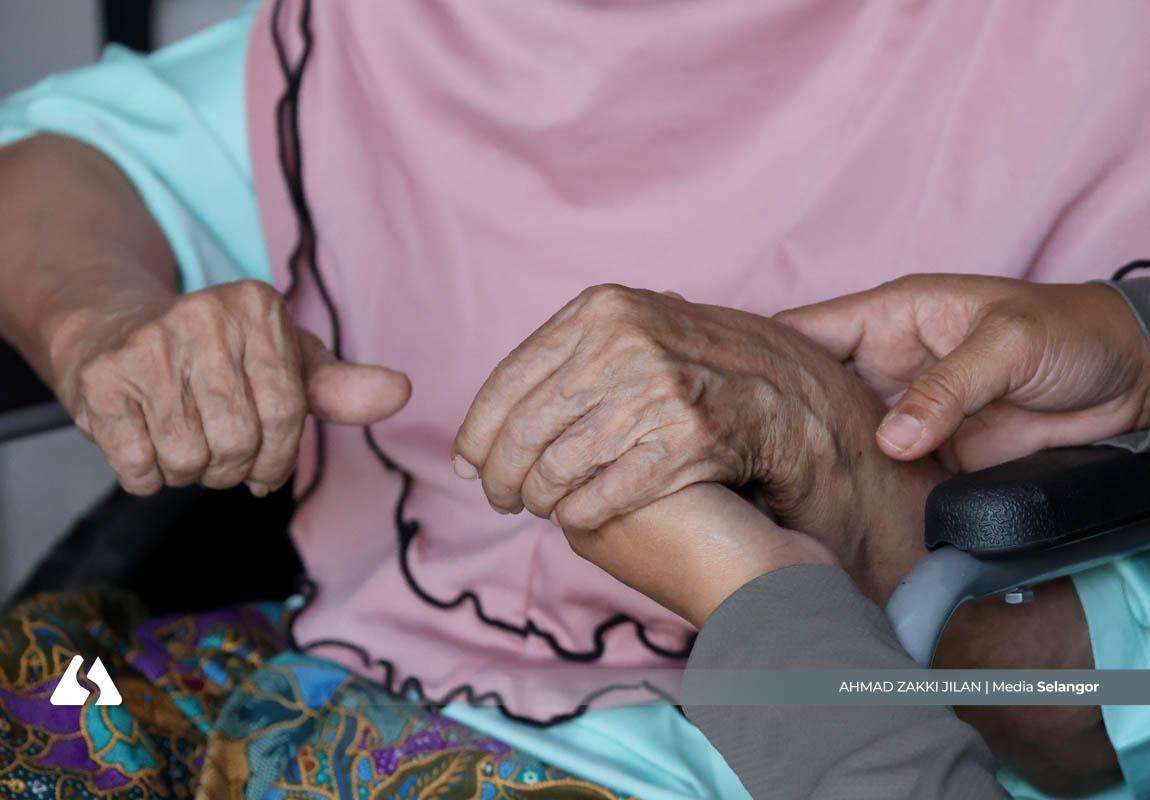
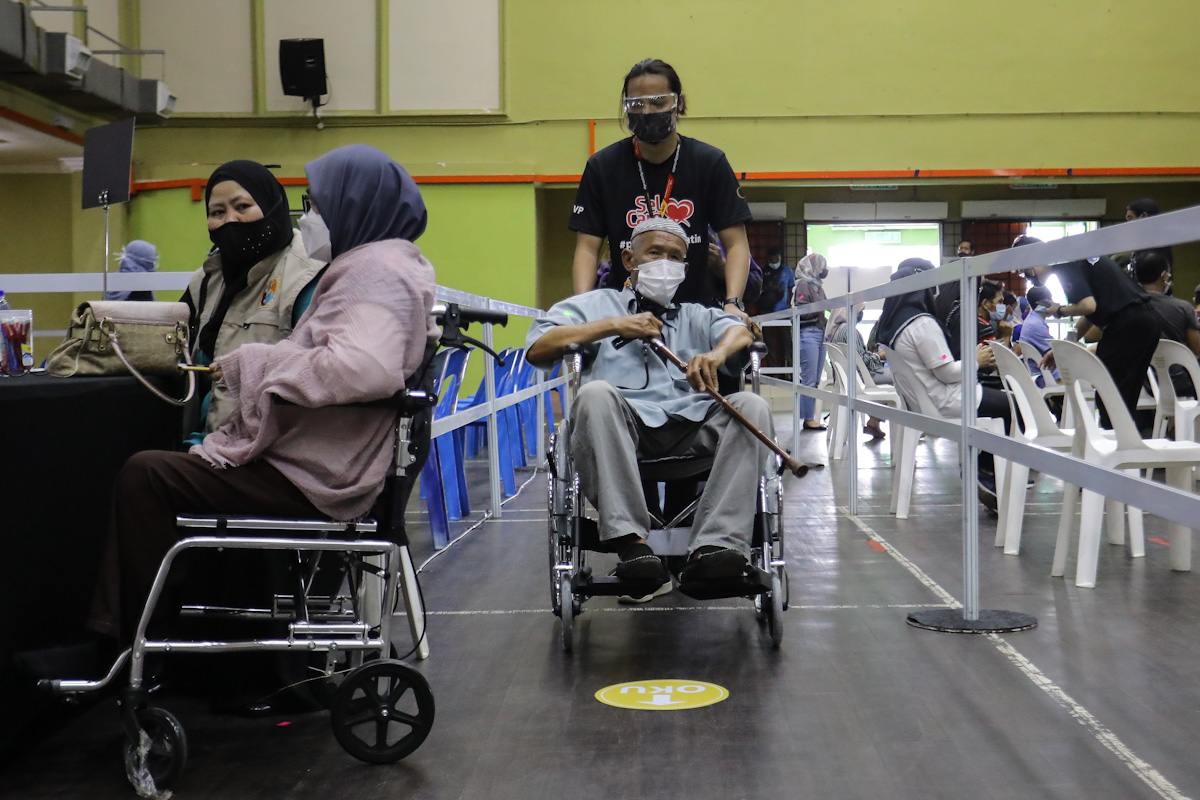
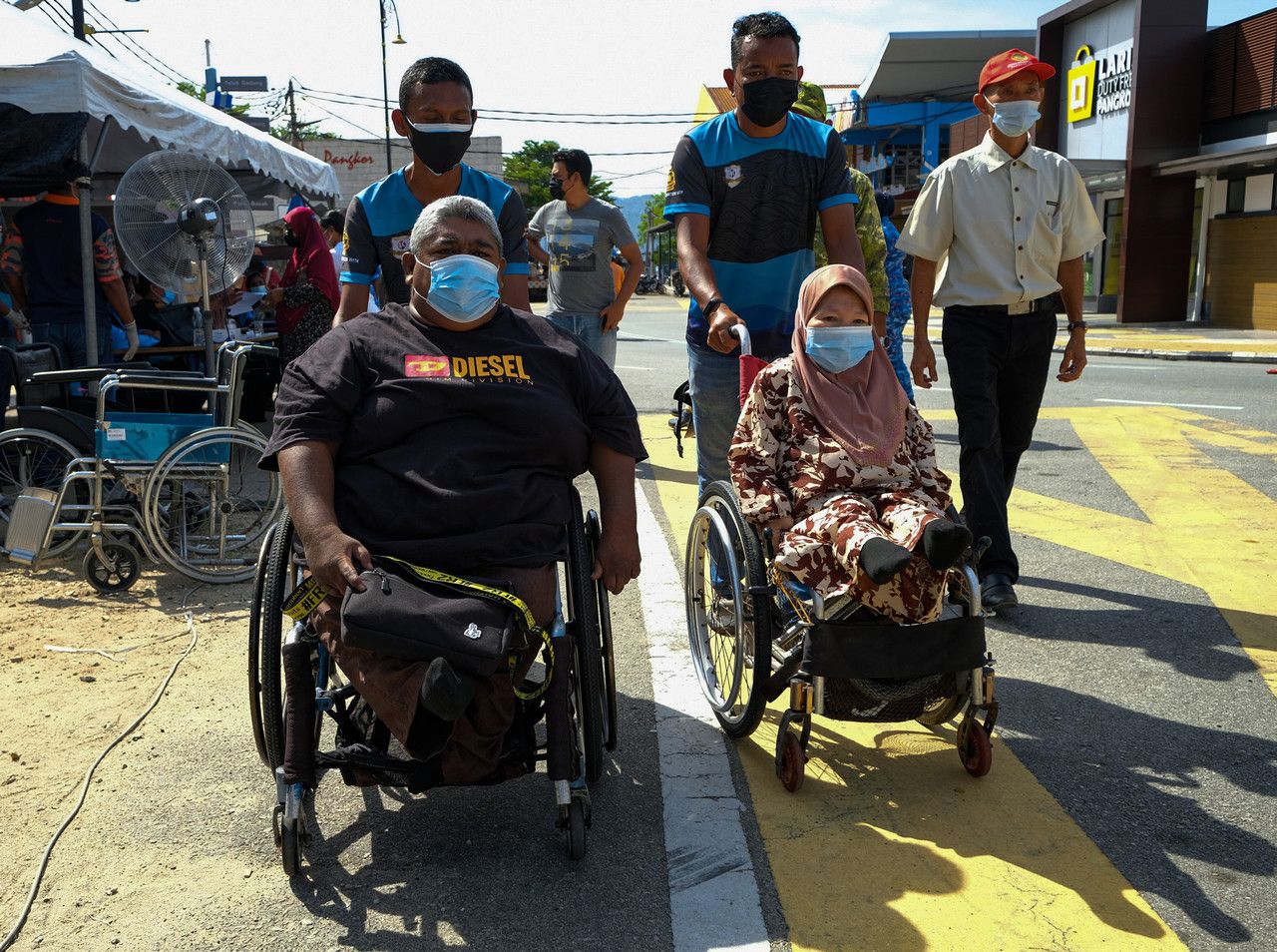
SHAH ALAM, May 4 — Members of the public have welcomed the state government’s plan to set up a “daycare centre” for senior citizens and disabled persons, but stressed the importance of keeping fees affordable.
They said this is crucial to ensure accessibility for lower-income groups, who are expected to be the primary beneficiaries.
Speaking to Media Selangor, legal consultant Amirah Anis Abdull Khalid, 35, even suggested offering the service for free to those who could not afford it.
“Fees should be reasonable, especially for the B40 group, although free services would be even better, if possible,” she said, while commending the proposal as a good and positive effort.
"The facilities must also be elder-friendly and accessible, alongside the need for well-trained caregivers that must have basic medical knowledge to handle emergencies and also understand behavioural management,” Amirah added.
She also expressed hope that families who rely on such services would not be judged, noting that many do so due to work, financial, or mental health constraints.

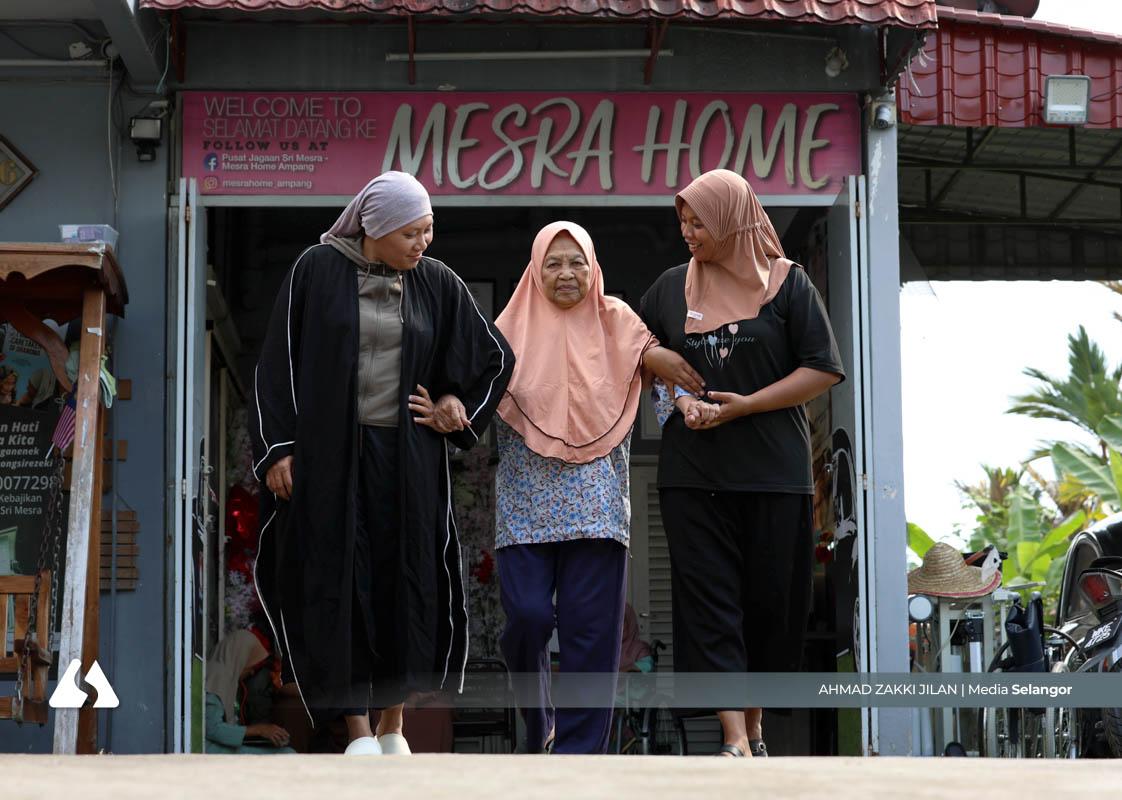
Previously, on April 22, state executive councillor for women empowerment and welfare Anfaal Saari announced plans to establish the Respite Care Wellness Hub as a daycare for senior citizens and disabled persons to support their caregivers.
She said this is because women and caregivers in general have to manage their disabled charges and elderly relatives alone to the point of stress.
The move comes amid a growing ageing population and increasing demand for formal care services, particularly in urban areas where family members may be working full-time.

Draftsman Sahrizan Sahdan, 46, said he supports the proposal due to the growing elderly population and limited care options for disabled persons, but hopes that the fees remain affordable.
"Access remains a challenge, with existing centres often being too far away or hard to find.
"Fees may also be required, but they should remain affordable and, if possible, be supported through assistance (from agencies) like the Social Welfare Department (JKM)," he said.
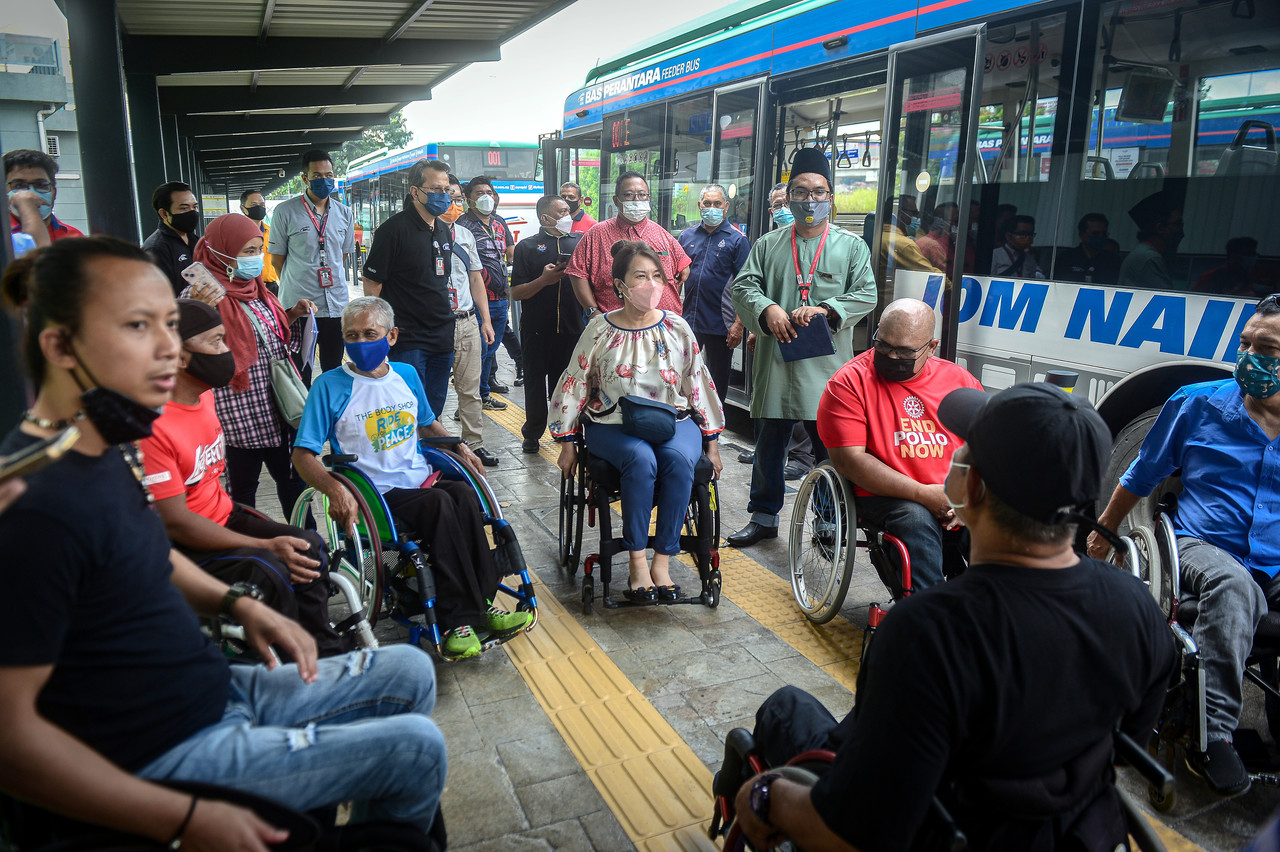
Sahrizan also proposed practical improvements, including transportation support, elderly-friendly building designs, and programmes catered for disabled residents focused on independence skills.
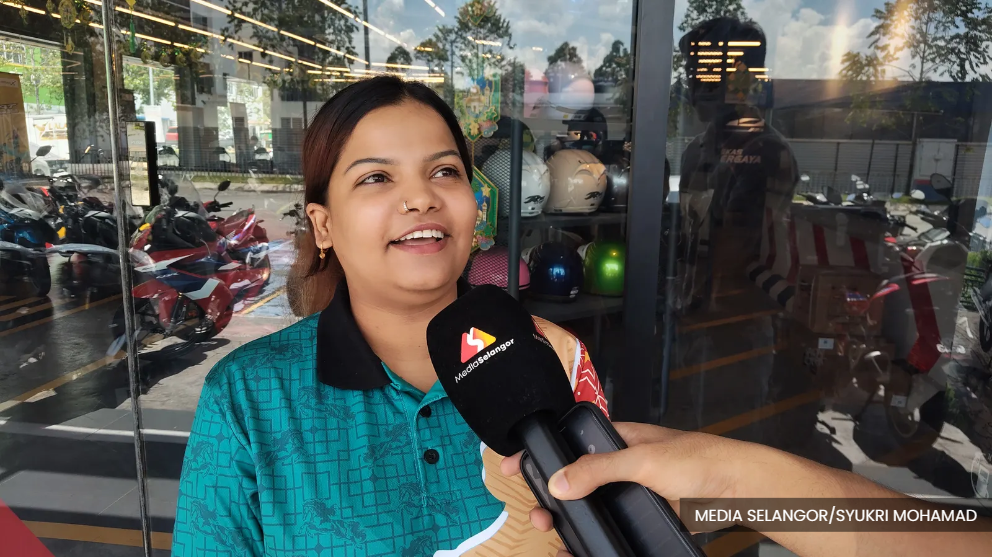
Administrative executive Nur Sakinah Amir Sankapillai, 25, said fees should be reasonable, adding that the initiative is important in supporting vulnerable groups, including those who may not have stable living conditions.
"The centres must provide essential needs such as food, shelter, and medical care, and families should continue to play a role by staying involved and maintaining communication with the centres,” she said.
Meanwhile, technician Eric Chan Siew Fai, 38, proposed a monthly fee of around RM700 to RM800 for those utilising the service, and up to RM1,200 for more intensive care.
He views the plan as beneficial for supporting daily care needs, noting that such centres can help manage essentials such as meals, medication, and overall well-being.
"They can also offer social value, allowing the elderly to interact and avoid isolation. Experienced and compassionate caregivers are more important than facilities alone, given the hands-on nature of the care required," Chan said.