

SHAH ALAM, May 5 — Subtle changes in daily habits, from unanswered phone calls to fewer trips outside, can be early signs that an elderly person is struggling, often going unnoticed until the situation becomes more serious.
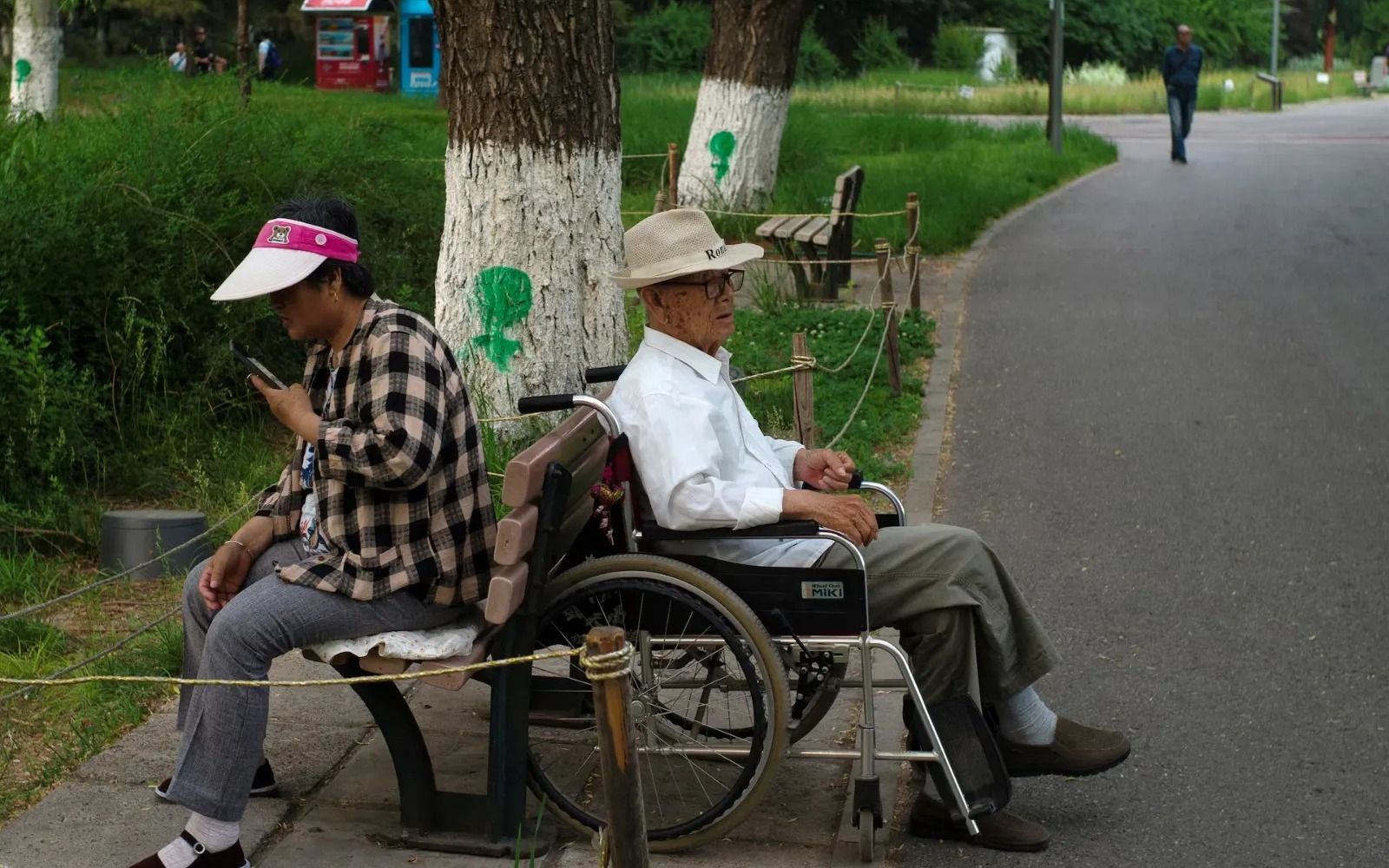
As Malaysia’s population ages and family structures evolve, such signs are becoming more common, with more seniors living alone or only with other older adults.
However, an expert cautioned that the real issue is not isolation itself, but whether adequate support systems are in place to keep them safe, healthy and connected.
Assoc Prof Rahimah Ibrahim from the Malaysia Research Institute on Ageing (MyAgeing), Universiti Putra Malaysia (UPM), said while more seniors are living alone today, this should not automatically be seen as a problem, as many remain independent and capable of managing their daily lives.
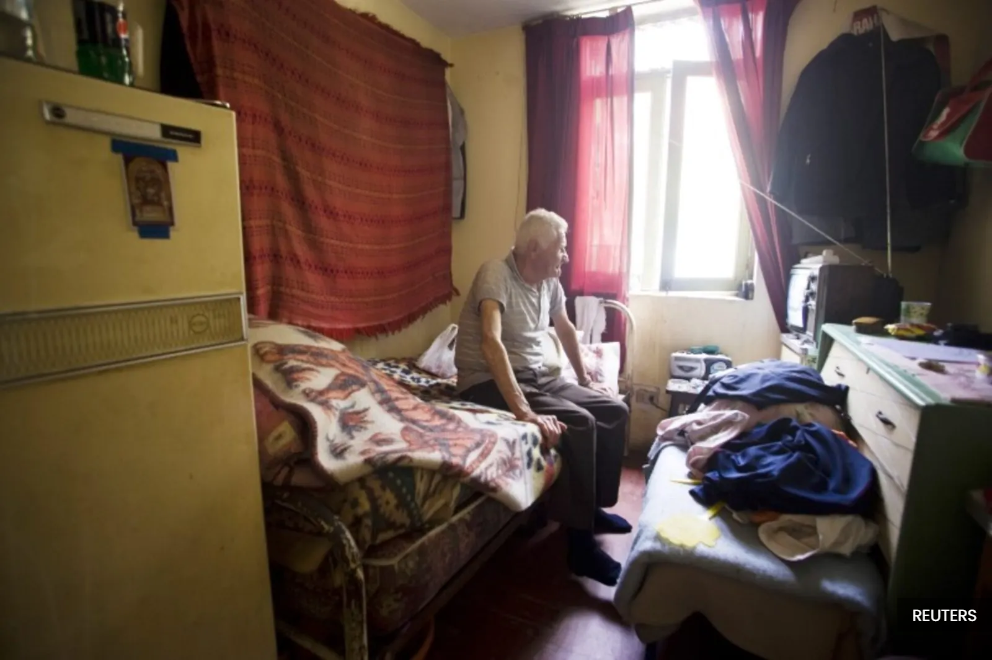
“Concern arises when someone is living alone or only with another elderly person without sufficient support. Based on past trends, about 7 per cent of older persons live alone, but a much larger share of around 23 per cent live in households made up only of older people.
“These are often empty-nest households. They may not look vulnerable from the outside, but can face similar risks if both individuals are ageing, frail, unwell or unable to respond quickly during emergencies,” she told Media Selangor.
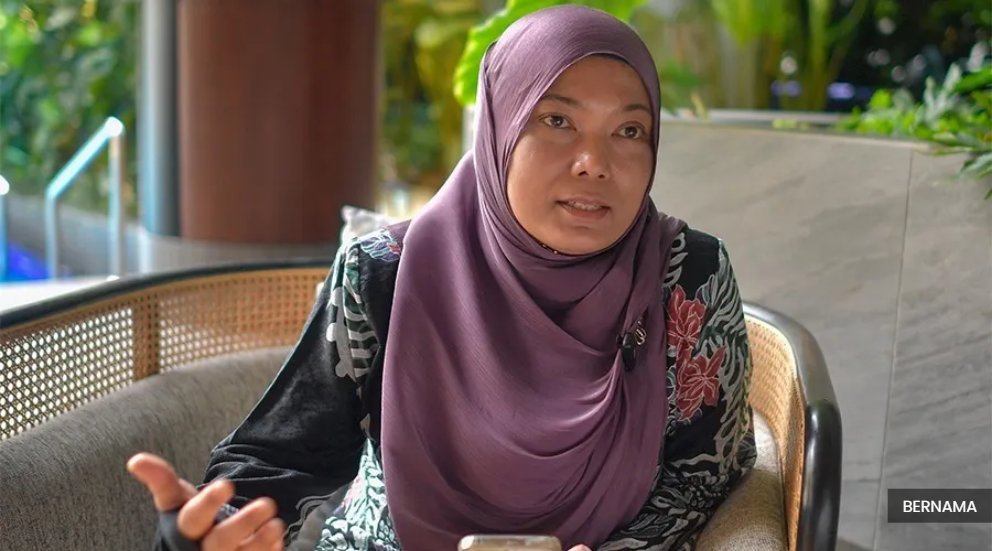
Rahimah said the risks are often practical but serious, including falls, missed medication, poor nutrition, delayed medical care and exposure to scams.
“The real question is not, ‘Does this older person live alone?’ The real question is, ‘Does this older person have support when they need it?’”
She said early warning signs of declining well-being are often subtle and easily overlooked, including withdrawal from routine activities such as going to the market or attending prayers, missed clinic appointments, weight loss, forgotten medication, unpaid bills and becoming unusually quiet or unresponsive.
In some cases, she said, the condition of the home itself may signal trouble, such as unopened letters, spoiled food, clutter or poor hygiene.
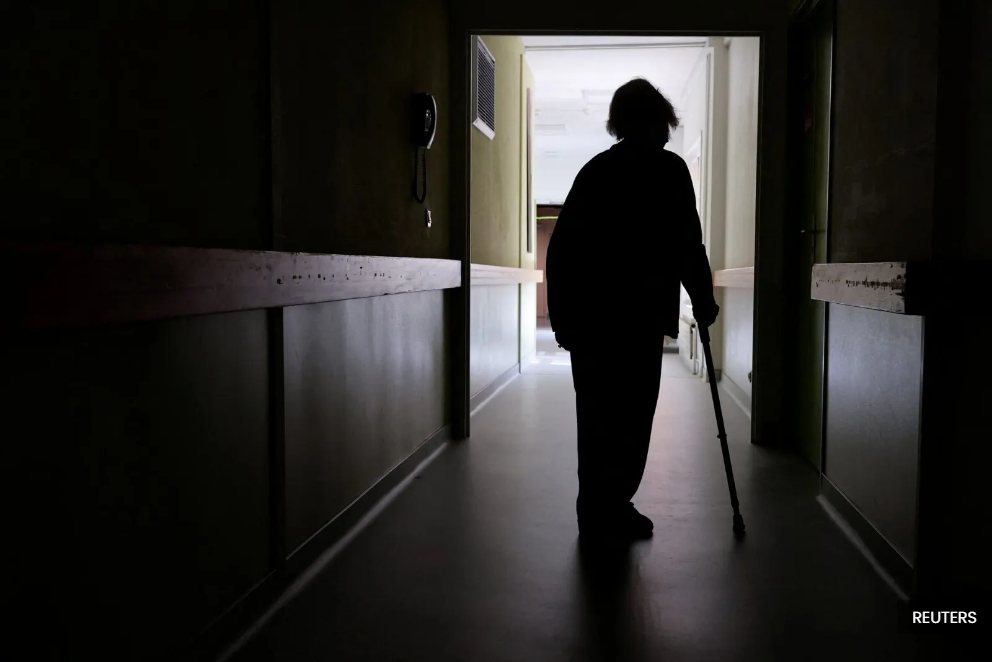
“Decline often begins quietly, not with a crisis, but with missed calls, unopened doors and a life slowly shrinking from view.”
Regular interaction, community check-ins
In Selangor, state executive councillor for women empowerment and welfare Anfaal Saari has announced plans to develop a Respite Care Wellness Hub dedicated to senior citizens and persons with disabilities, as part of efforts to support caregivers, especially women.
Anfaal said the initiative is important in addressing current realities, including cases where women are solely responsible for caring for children with disabilities or elderly family members, a situation that places significant pressure on their daily lives.
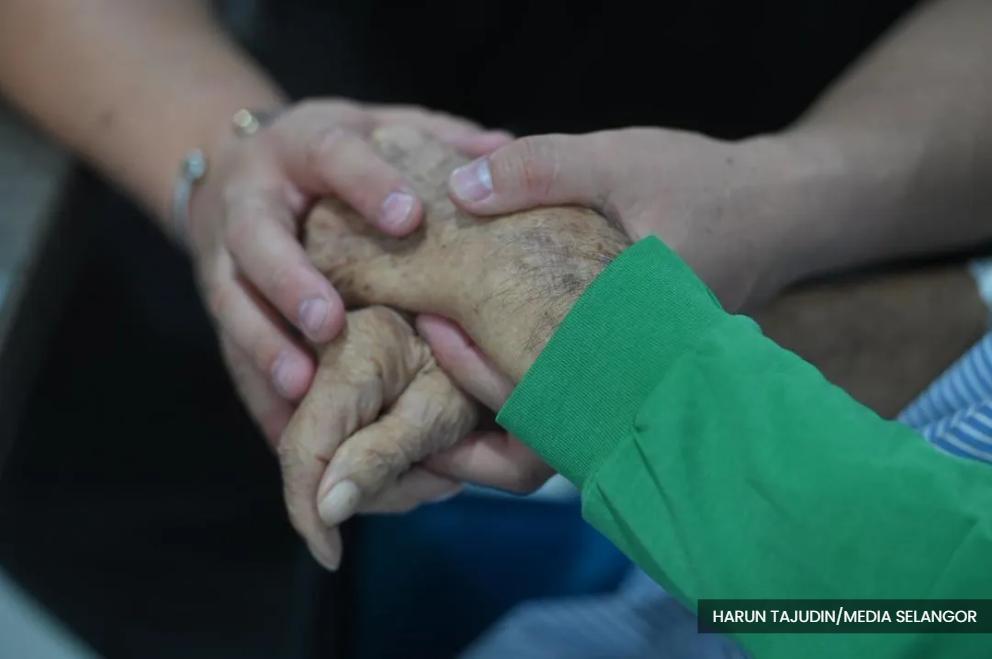
For Rahimah, early intervention is crucial, with families, neighbours, healthcare providers and community groups all having a role in identifying warning signs of deteriorating well-being before situations escalate.
She stressed the importance of regular social interaction and community check-ins, but cautioned that these must go beyond surface-level engagement.
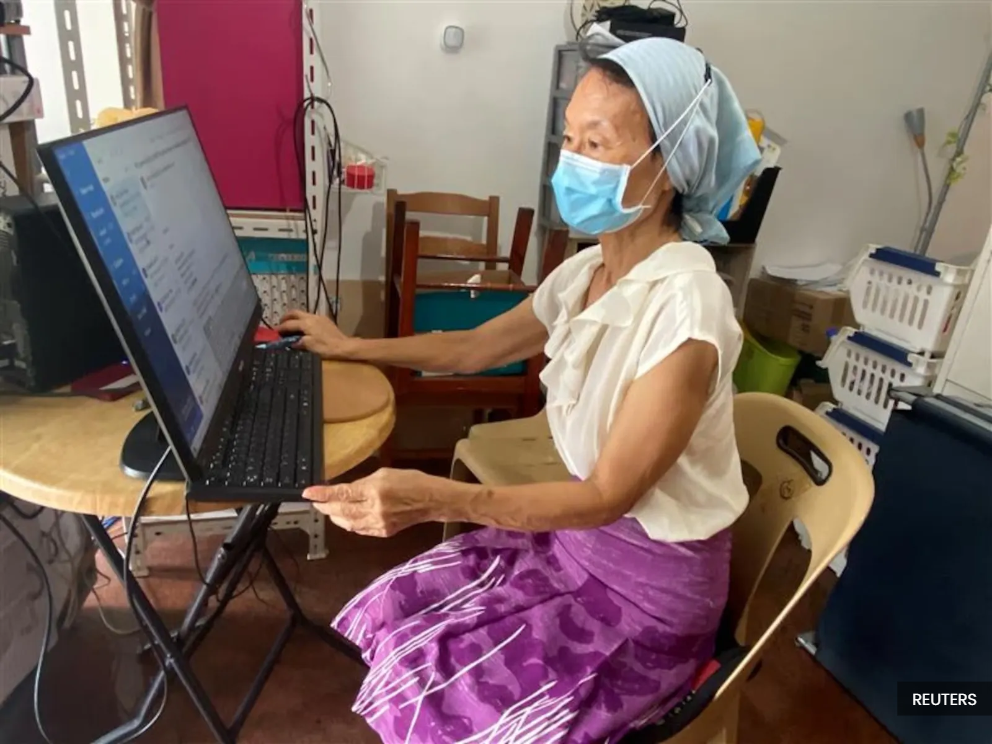
“A visit without follow-up, referral or action is not care, it is just observation. If someone is lonely, unwell, unsafe at home or struggling with daily tasks, the check-in must connect them to real help.”
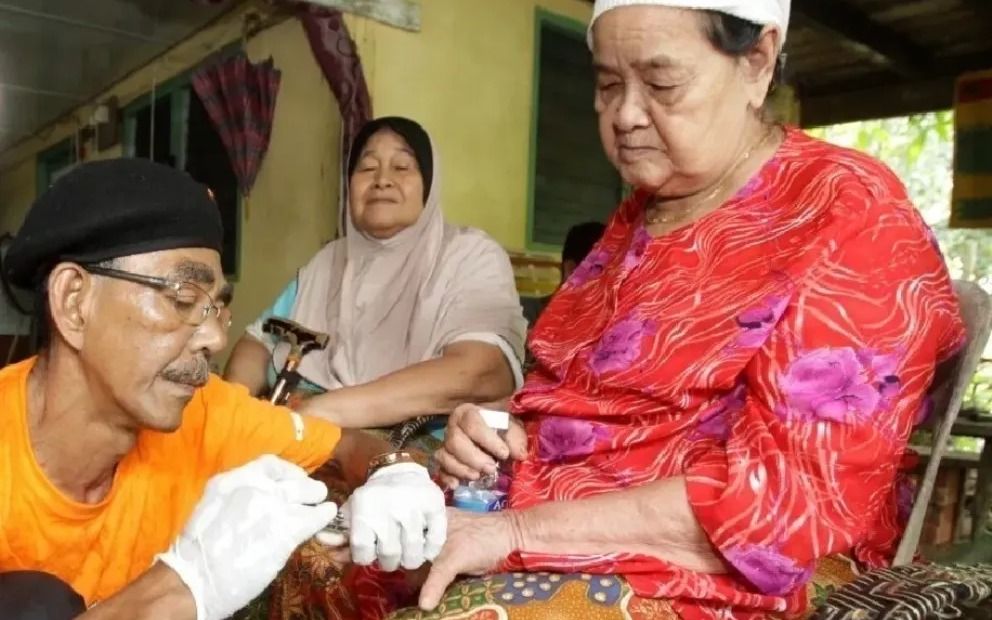
Rahimah said effective community support can prevent minor issues from developing into emergencies.
“A caring community does not stop at asking, ‘Are you okay?’ It stays long enough to make sure help reaches the person,” she said.
Rahimah added that older persons should not be viewed as passive recipients of care, but as individuals who can continue contributing to society in meaningful ways, including as volunteers, mentors and community members.