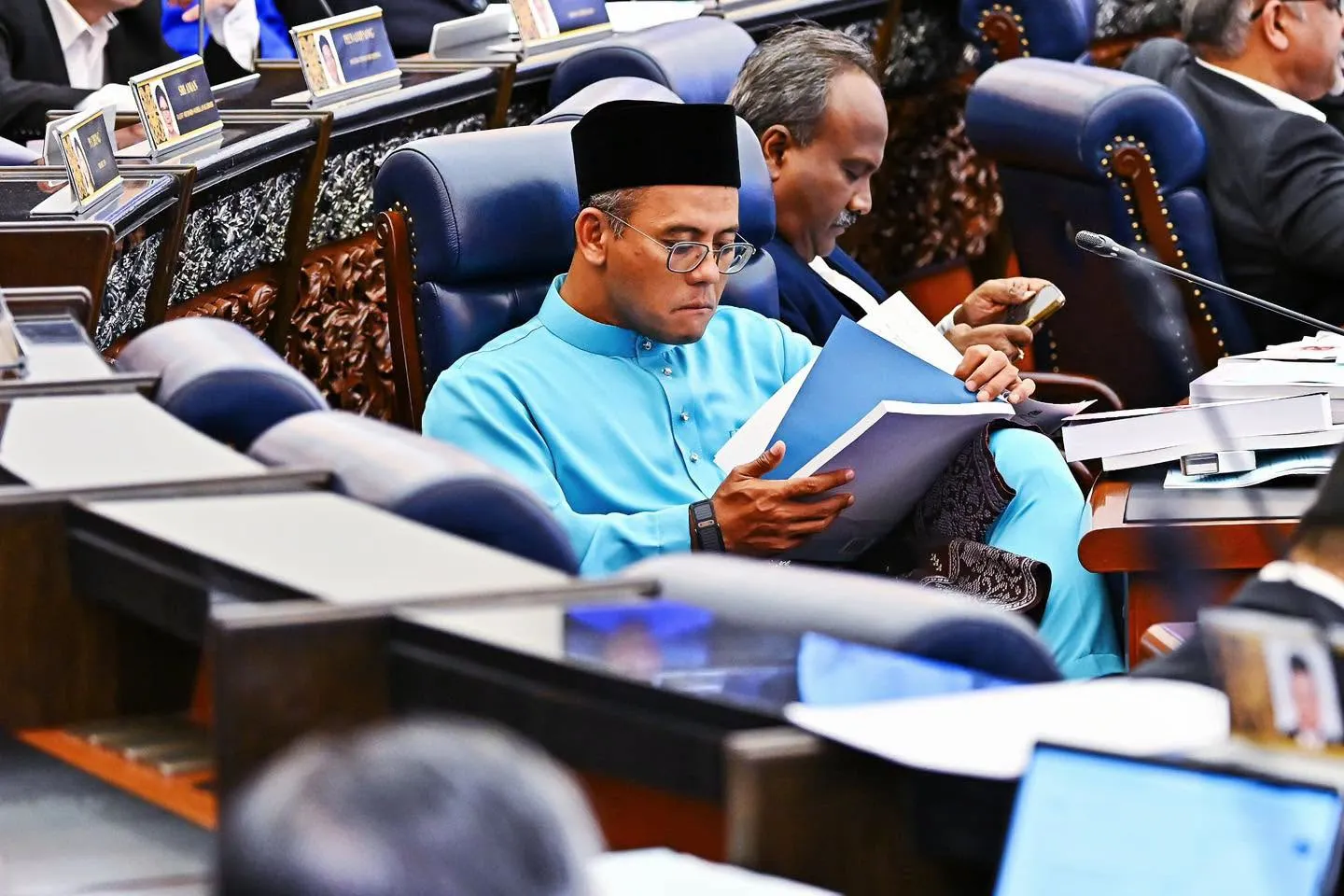
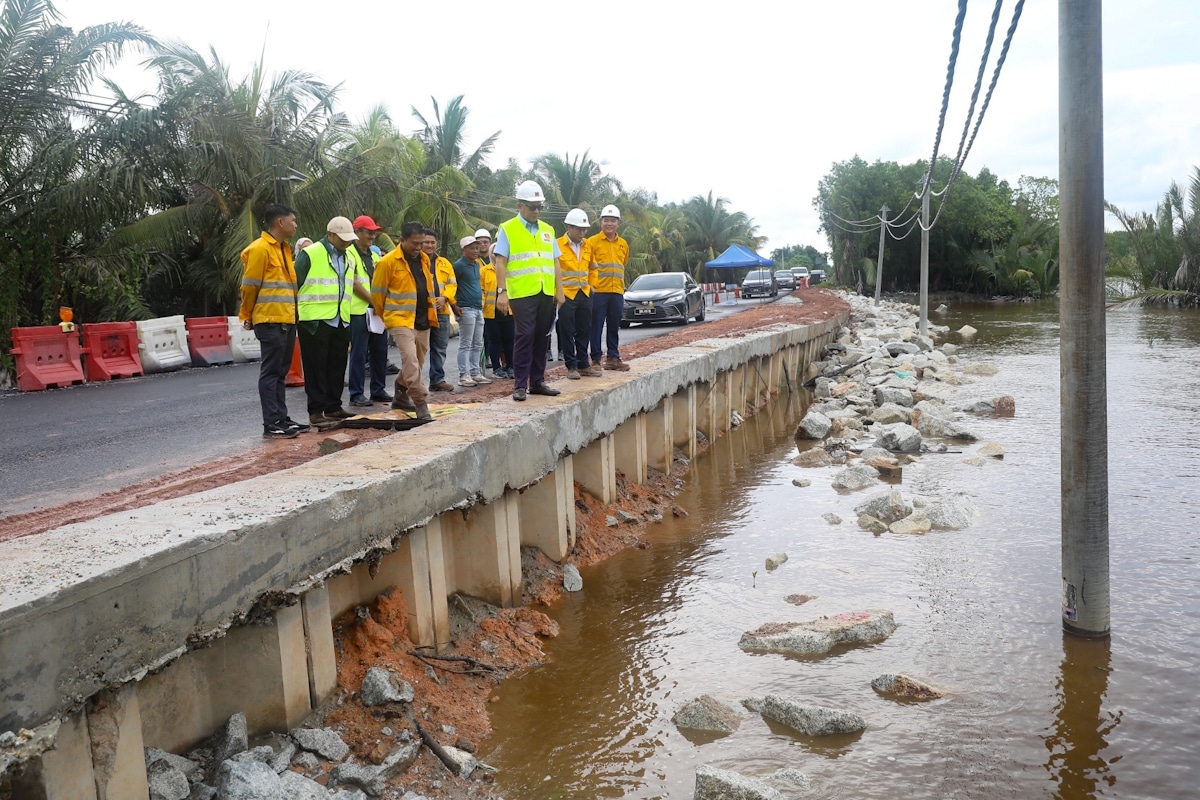
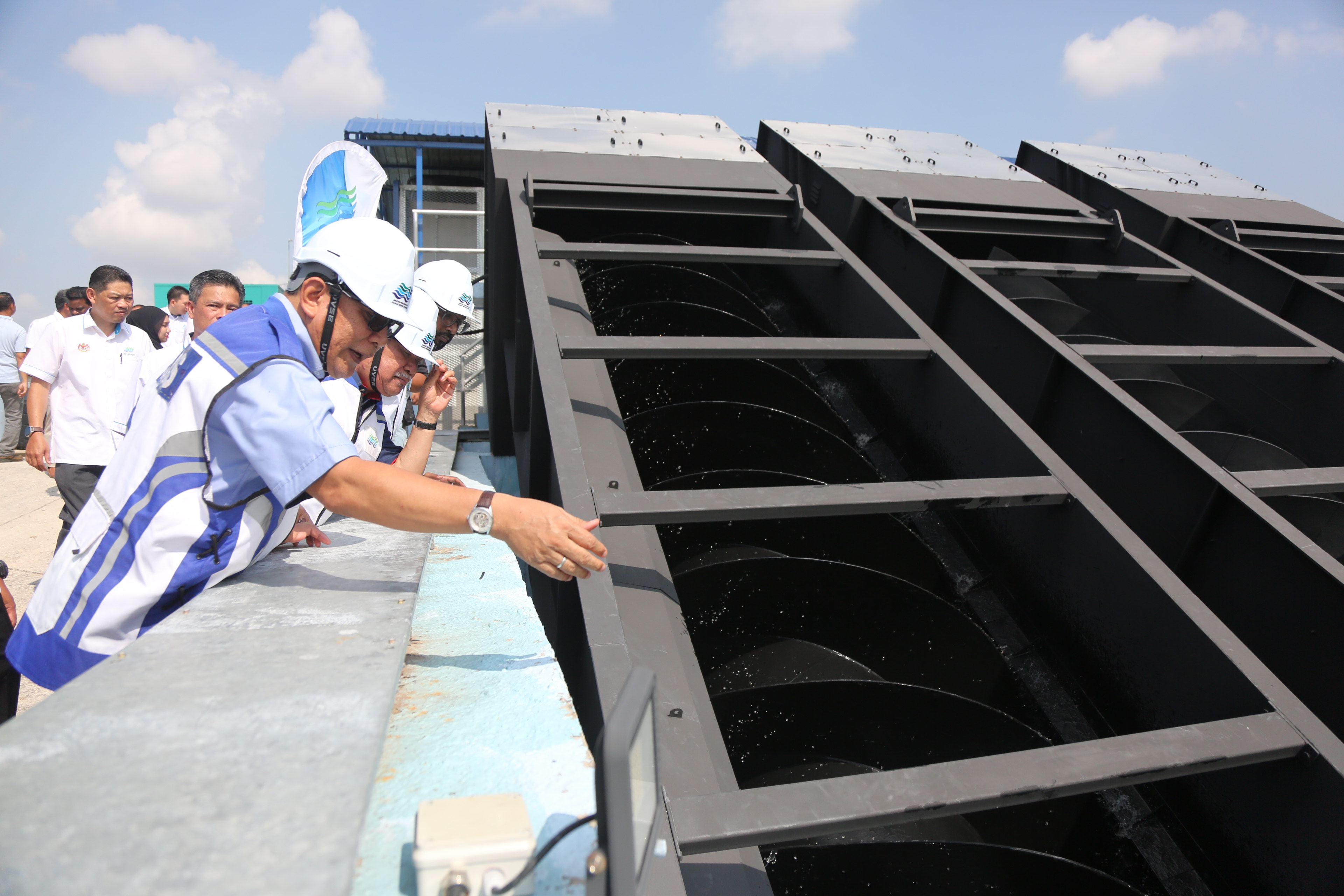
SHAH ALAM, April 28 — Selangor has an allocation of RM5.74 billion for 134 federal- and state-led flood mitigation projects between 2021 and 2030, with significant progress already recorded, said state executive councillor for infrastructure and agriculture Dato’ Izham Hashim.
He explained that RM2.11 billion was allocated by the state government for 108 projects, while RM3.63 billion has been contributed by the federal government for 26 projects.
“Out of the total, 47 have been completed with a value of about RM791 million, while 44 are under construction. A further 24 projects are in the detailed design stage, 38 are in planning, and 16 have yet to start. Another 19 projects are expected to be completed by the end of this year,” he said during the Selangor State Legislative Assembly sitting today.
“The state adopts a three-tier implementation strategy comprising 195 quick-win projects, medium-term initiatives taking between one to one and a half years, and long-term river basin projects that may take up to five years due to technical complexities,” he said.
Izham added that 149 of the quick-win projects have already been completed at a cost of RM57 million, helping deliver immediate mitigation in flood-prone areas.
“Flood mitigation projects require significant time due to complex engineering requirements involving hydrology and hydraulics studies, land acquisition processes that can take up to a year, and structured procurement procedures,” he said in response to a supplementary question from Kota Kemuning assemblyman Preakas Sampunathan about delays, challenges, and main factors affecting project timelines in Selangor.
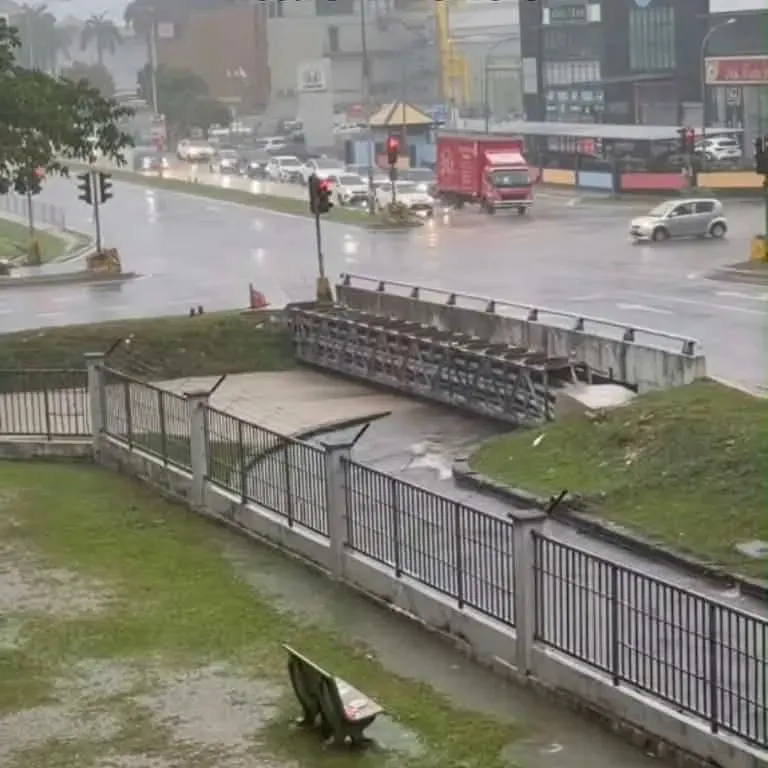
Despite these challenges, Selangor has recorded measurable improvements, with flood hotspots reduced from 97 in 2022 to 56 in 2025. Flood-risk locations have also decreased from 390 to 232 over the same period.
“The state government is also strengthening implementation through closer coordination between agencies such as the Department of Irrigation and Drainage (JPS), Public Works Department (JKR), local authorities, and sewerage operators, alongside stricter enforcement of on-site detention (OSD) systems in new developments,” he said in response to an additional query from Bukit Gasing assemblyman Rajiv Rishyakaran about efforts to strengthen collaboration and enforcement in flood management.
Additionally, Izham said Selangor is also adopting international technologies to improve flood management, including Dutch water management expertise, German EcoBlock systems for water storage, and Indonesia’s SPS technology for infrastructure stabilisation.
“Climate change is further intensifying flood risks, with more extreme short-duration rainfall in urban areas, shifting rainfall patterns, and rising sea levels contributing to river backflow issues,” he said when asked by Pelabuhan Klang assemblyman Azmizam Zaman Huri about the impact of climate change on floods.
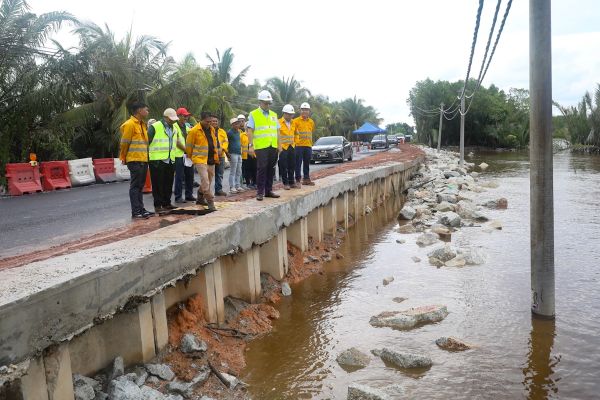
Among major infrastructure efforts highlighted is the RM870 million Sungai Pulai Phase 2 flood mitigation project, which involves river deepening, embankment strengthening, and large-scale flood mitigation works.
“To improve transparency and monitoring, the state is also developing a digital dashboard system that will allow real-time tracking of flood mitigation, infrastructure, water, and green economy projects across agencies,” Izham said in response to a supplementary question from Hulu Langat assemblyman Mohd Sany Hamzan about transparency around flood mitigation projects’ progress.
He stressed that Selangor’s flood management approach is part of a broader integrated water strategy that also addresses long-term water security and climate resilience.