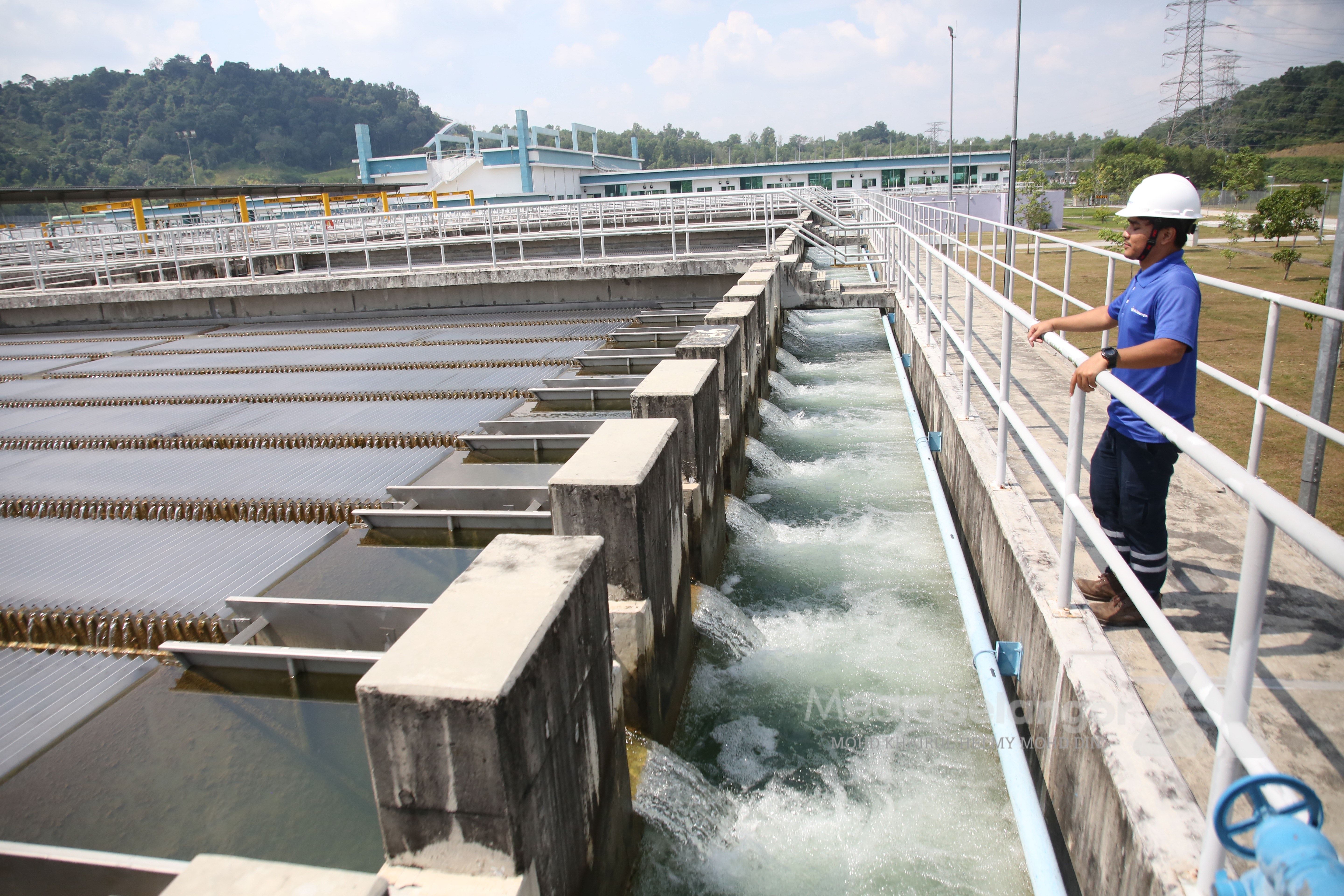
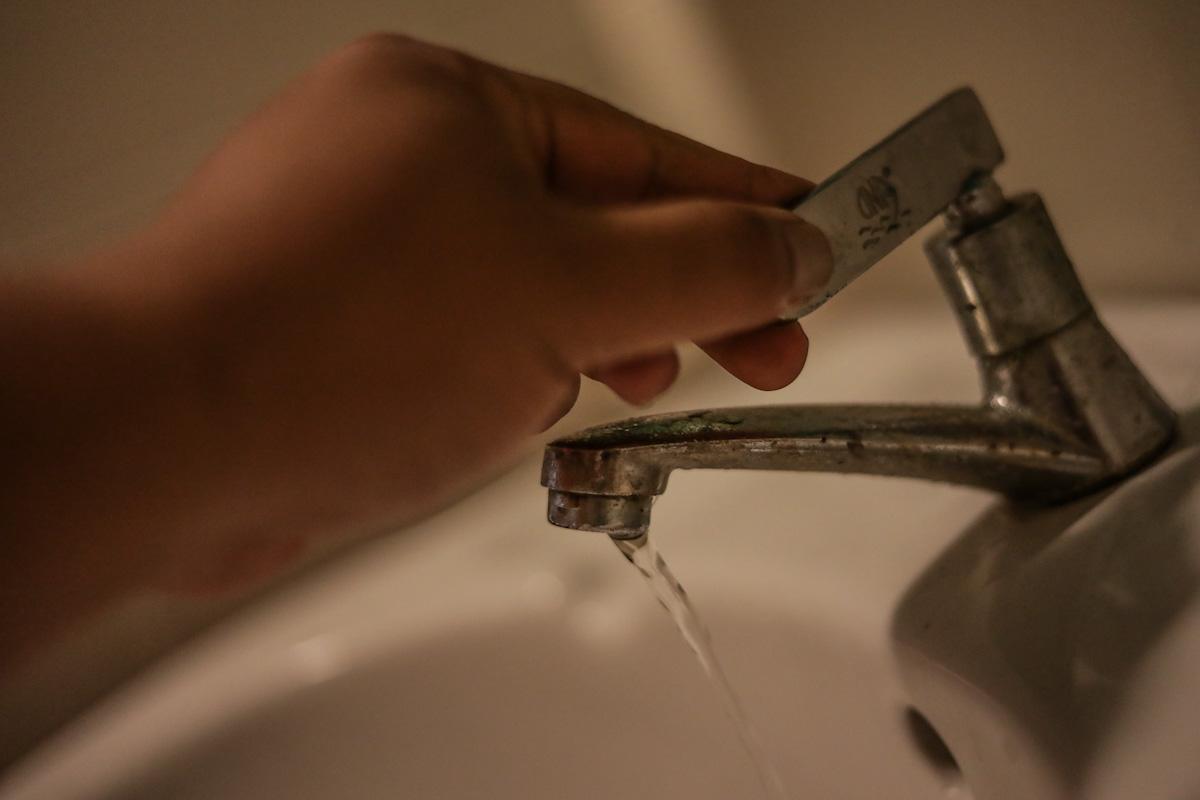
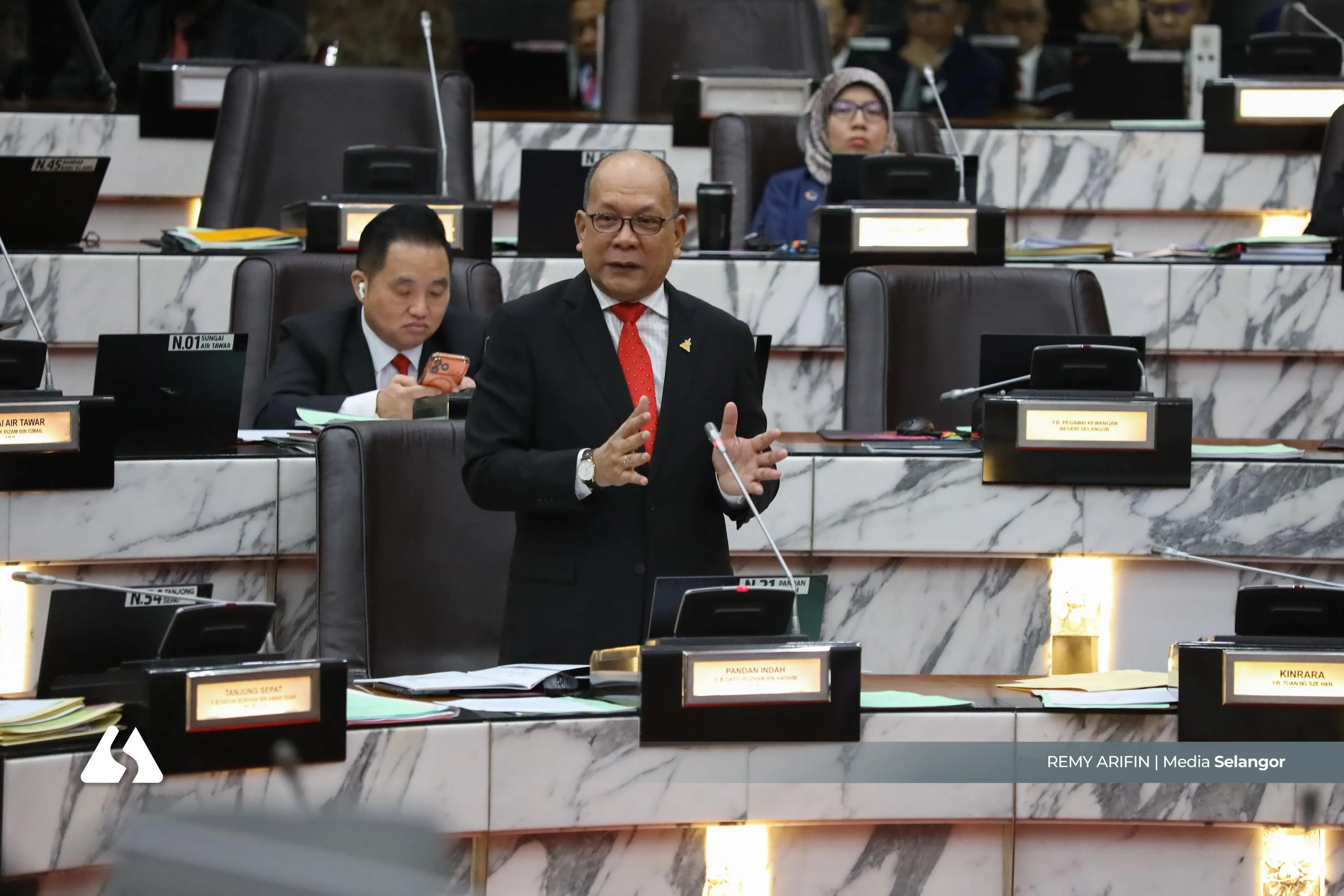
SHAH ALAM, April 27 — Selangor will revamp its water management by strengthening long-term supply to improve environmental safeguards, said state executive councillor for infrastructure and agriculture Dato’ Izham Hashim.
He said the Selangor Water Master Plan 2026 would serve as a holistic framework covering the full water cycle, source to source, which he described as a first-of-its-kind initiative in Malaysia.
He said the study for the plan has been approved by the state government and is in its initial stage involving gathering data and appointing consultants.
The project, coordinated under the State Economic Planning Unit, has a total cost not exceeding RM5 million, Izham said, adding that the study will be carried out over 21 months in two phases, with the first phase taking 15 months to complete.
“The appointed consultant will carry out the collection and analysis of primary and secondary data from data holding agencies across both government and non-government sectors, including engagement with banks and all relevant stakeholders.
“At the next stage, current and emerging issues will also be assessed, along with strategic action plan recommendations covering regulatory improvements and development planning, including cost estimates over a 10-year period and water demand projections up to 2050.
“All of this will be incorporated into the draft final report of the study, which covers projections up to the year 2050,” he said during the Selangor State Legislative Assembly sitting question-and-answer session here today.
He added the second phase, which will take six months, involves consultants preparing the final Selangor Water Master Plan 2026, including a comprehensive action plan to guide all agencies involved in water management.
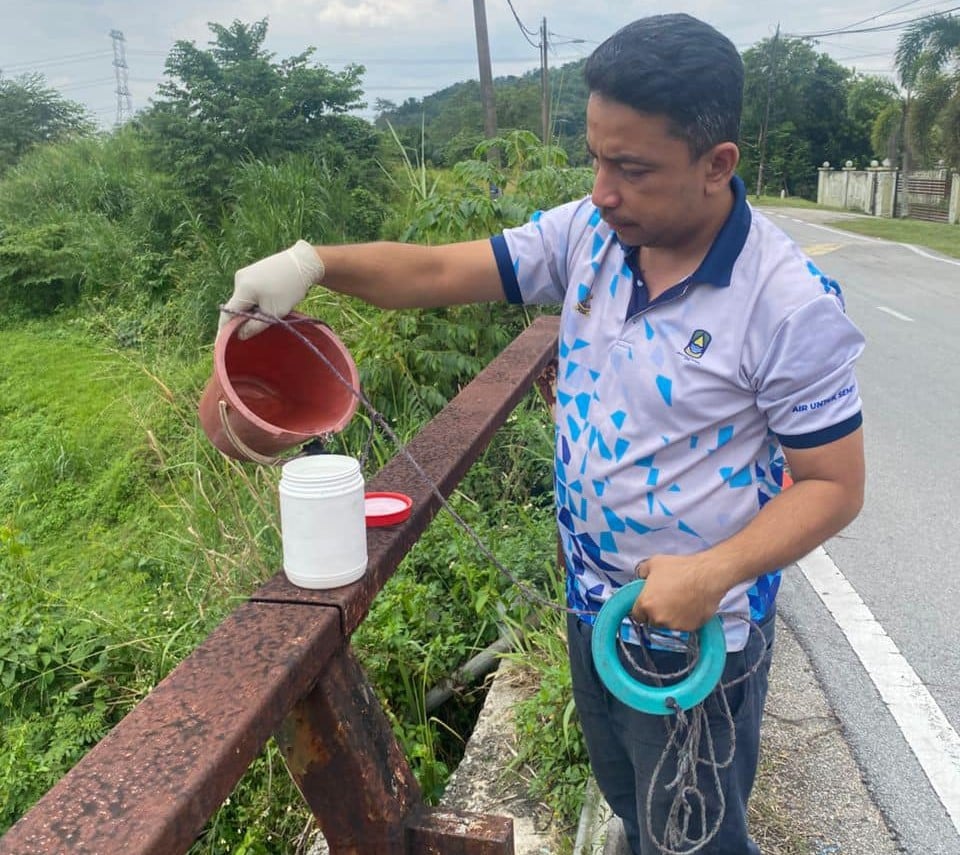
Responding to a supplementary question on pollution control, Izham said the study on the master plan would also touch on stronger enforcement and regulatory mechanisms, including using technology to improve monitoring and compliance, such as for recurring ammonia pollution in major rivers.
He explained that ammonia pollution typically occurs during dry seasons when low river water levels are unable to dilute contaminants from industrial, domestic, agricultural and aquaculture sectors.
Among existing mitigation measures are alternative raw water sources, the gazettement of 20 alternative water retention ponds as protected zones, and the expansion of the Selangor Off-River Storage (SOS) scheme, which has identified more than 140 ponds with a combined capacity of 167 million cubic metres, he said.
He added that the state would also release water from dams to dilute polluted river water during critical periods.
Meanwhile, when asked about the water consumption in the state from data centres, Izham said rising demand poses a growing challenge for water planning in the state, as such facilities require large volumes of treated water, often in the tens of millions of litres per day, and that these concerns are applicable to high electricity consumption.
“This is a major challenge for us. Data centres do not come into planning early, they suddenly request large volumes of water, sometimes 20 to 30 million litres per day.
“We are taking into account not only domestic and industrial demand but also data centre requirements in our planning. However, our concern is also infrastructure, especially pipeline capacity to deliver water to remote areas,” he said.
Izham added that the state is working to ensure long-term supply remains balanced between domestic, industrial and commercial needs.