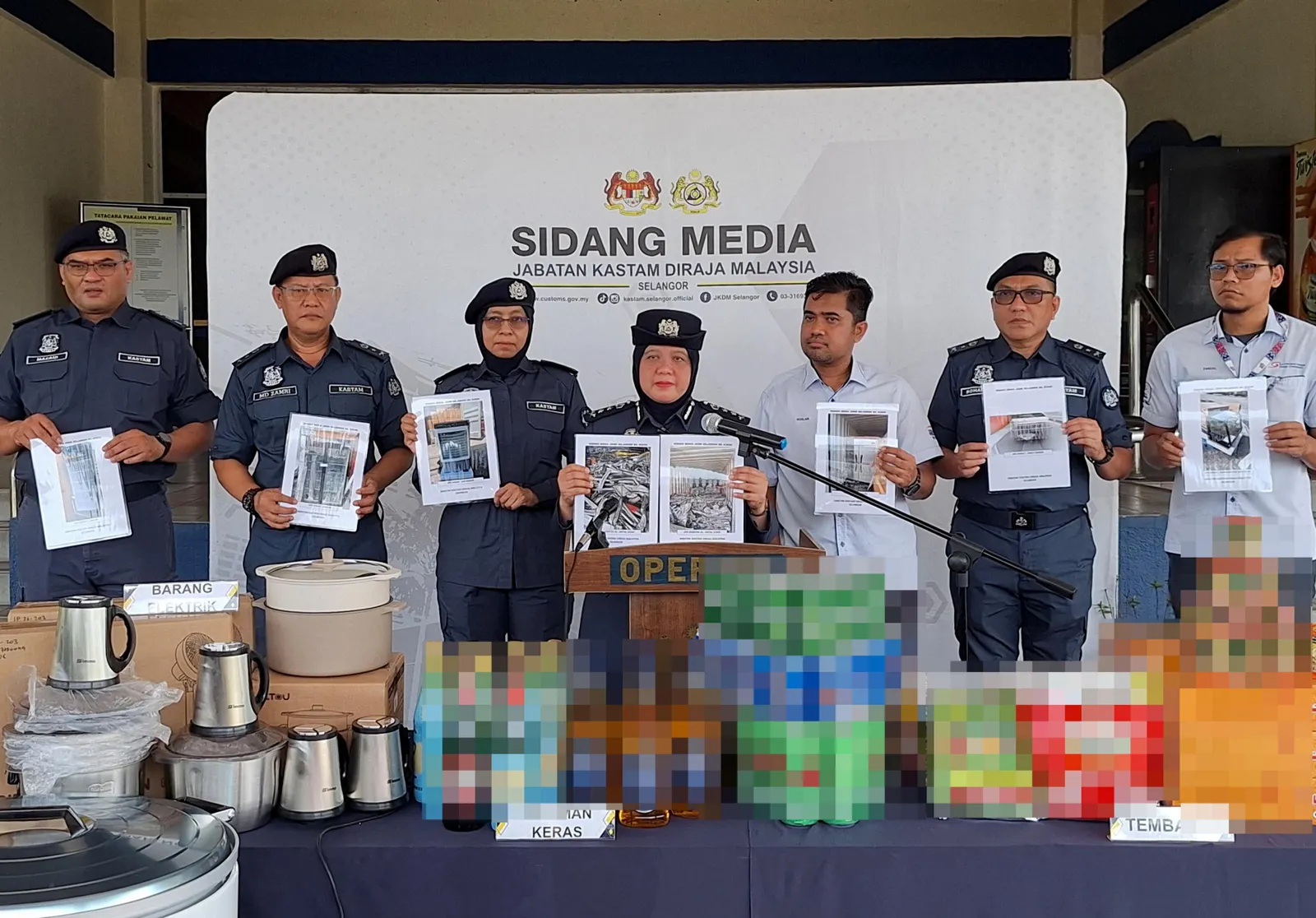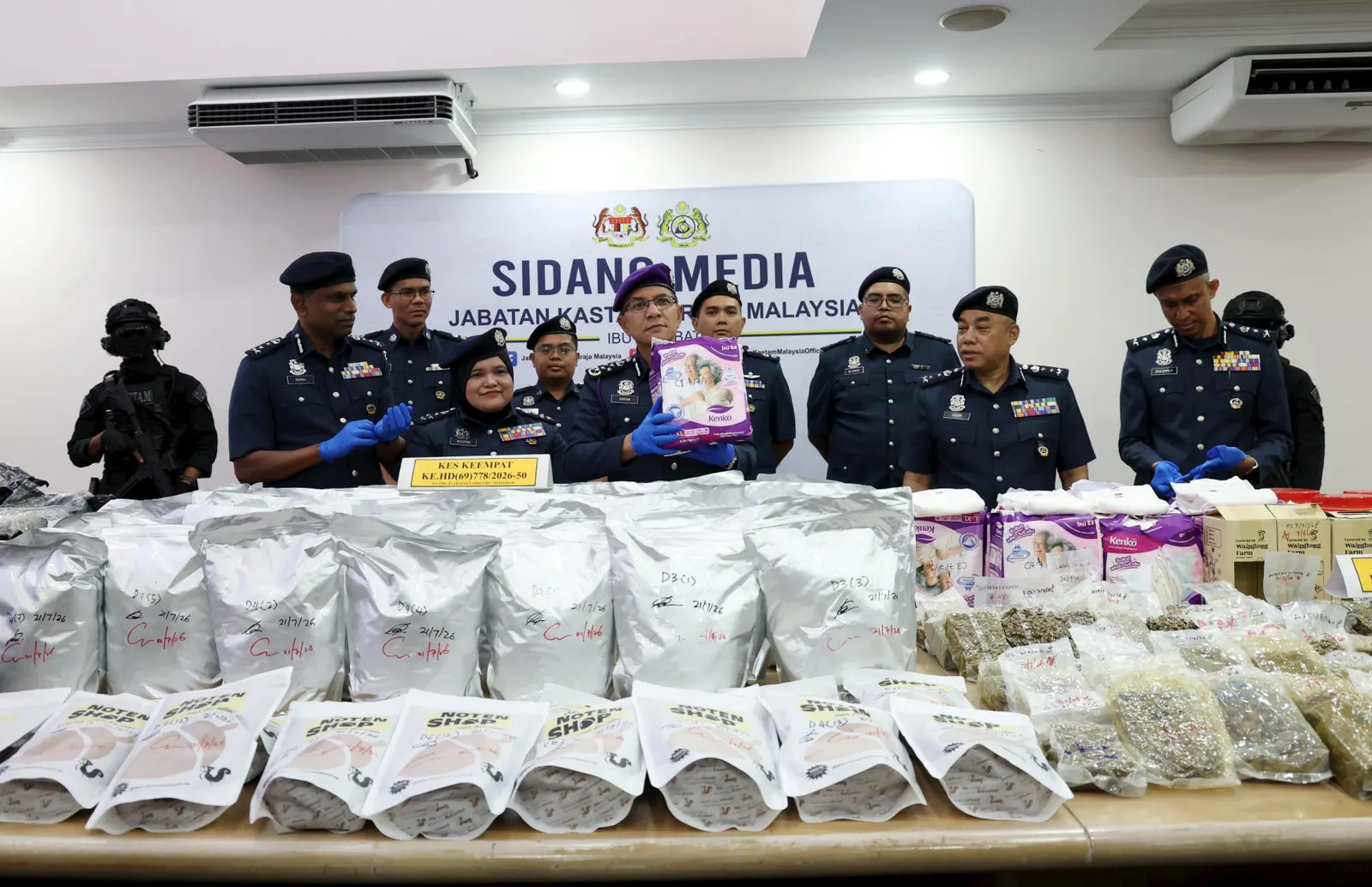

SHAH ALAM, April 8 — The Selangor Customs Department has foiled attempts to smuggle 35.6 tonnes of dried shark fins worth RM8.2 million at the North Port Free Zone in Port Klang, in a series of operations conducted earlier this year.
Its director Mohamad Azhar Ahmad Paharazi said the raids were carried out under Ops Petasan on February 12, March 2 and March 9, following intelligence on trading activities conducted without valid permits, Bernama reported.
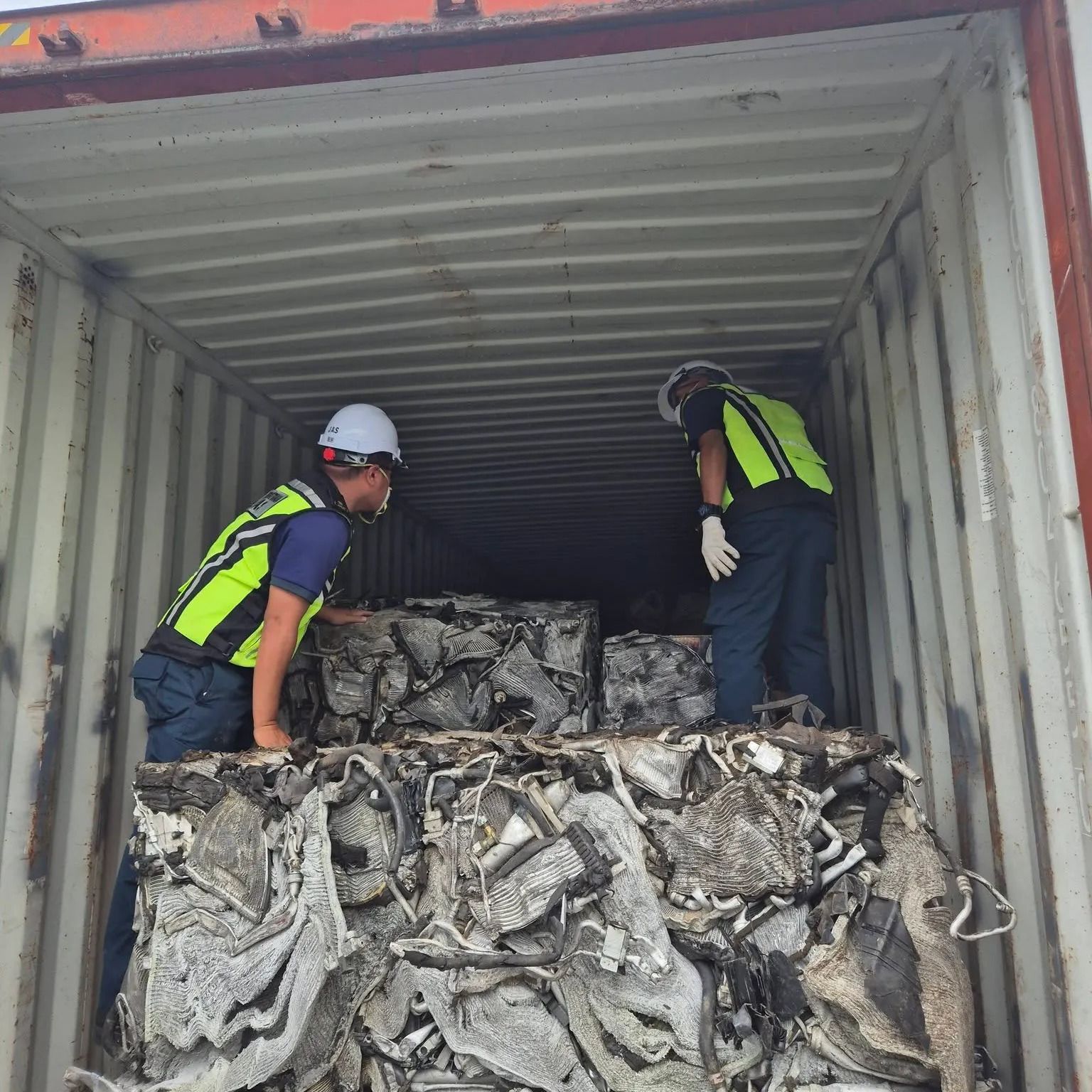
“The dried shark fins were found in three containers that originated from a country in South America.
“The total value of the goods is estimated at RM7.1 million, with duties and taxes amounting to an estimated RM1.1 million,” he was quoted as saying by Bernama.
Azhar added that the contraband, which commands high value in the premium food market, was believed to be intended for the local market, especially high-end restaurants.
Further investigations revealed the importer had made false declarations by labelling the goods as dried fish skin and dried foods to evade detection.
He also said importing shark fins is subject to permits issued by the Malaysian Quarantine and Inspection Services Department (MAQIS), in accordance with the Customs (Prohibition of Imports) Order 2023.
It also requires approval under the Convention on International Trade in Endangered Species of Wild Fauna and Flora (CITES) from the Fisheries Department.
The case is being investigated under Sections 135(1)(a) and 133(1)(a) of the Customs Act 1967.
In a separate case, the department seized 112.8 tonnes of frozen chicken and pork worth RM2.2 million without valid permits at the same location on February 6.
“The goods, without a valid permit, were found in four containers and were believed to be for the local market, especially to meet the demand during the recent Hari Raya Aidilfitri and Chinese New Year festive periods.
“Investigations found that the containers arrived on January 16 and 20 from a country in Asia, and did not comply with the permit requirements under MAQIS,” he said.
The case is similarly being investigated under Sections 135(1)(a) and 133(1)(a) of the Customs Act 1967.