

JAKARTA, March 9 — Indonesia’s economy remains in an expansionary phase despite the recent weakening of the country’s stock market and currency, said Finance Minister Purbaya Yudhi Sadewa.
The government will continue to safeguard public purchasing power and maintain economic momentum amid market volatility.
“The economy is expanding. We are doing everything we can to protect purchasing power. Let alone a crisis, we are not even at a recession, not even a slowdown.
“We are still expanding, still accelerating. That is what we will continue to safeguard in the coming weeks,” he said, as reported by ANTARA news agency today.
Indonesia’s benchmark Jakarta Composite Index (IHSG) closed lower on Monday afternoon, falling 248.32 points, or 3.27 per cent, to 7,337.37.
Meanwhile, the LQ45 index, which tracks 45 leading stocks, dropped 25.47 points, or 3.28 per cent, to 750.57.
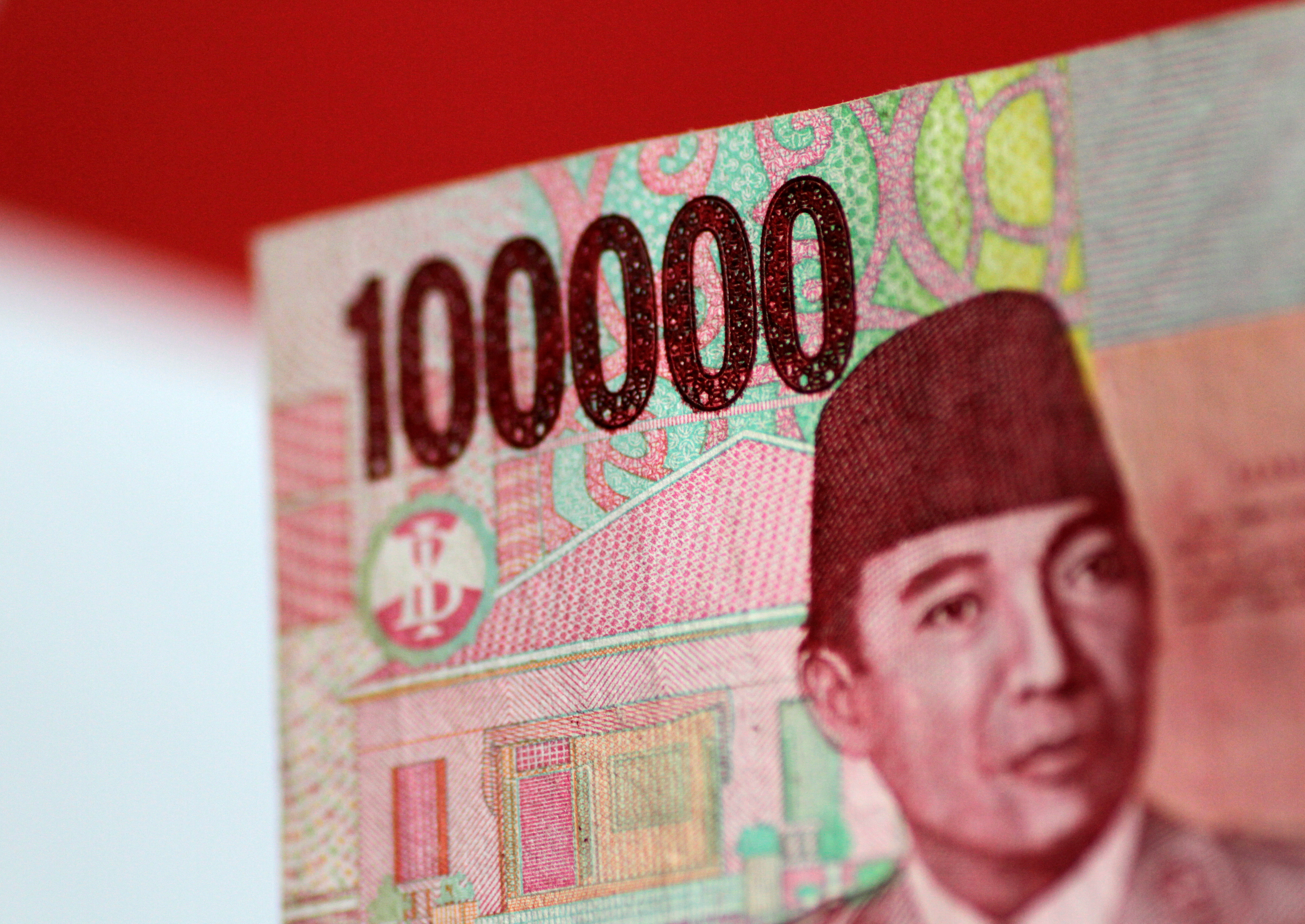
The rupiah also weakened by 24 points to Rp16,949 per US dollar, from the previous close of Rp16,925, after sliding as much as 70 points during the day’s trading.
Purbaya added that Indonesia has gained valuable experience in handling economic shocks, including the 1998 monetary crisis, the 2008 global financial crisis, and the COVID-19 pandemic in 2020.
With these experiences, the government is confident that it can implement mitigation measures to address potential economic volatility.
“Investors in the stock market do not need to be afraid. We are safeguarding our fundamentals. From our experience in 2008 and 2020, we were able to maintain the momentum of economic growth,” he said, adding that people’s purchasing power remains secure and the economy is still far from a crisis.
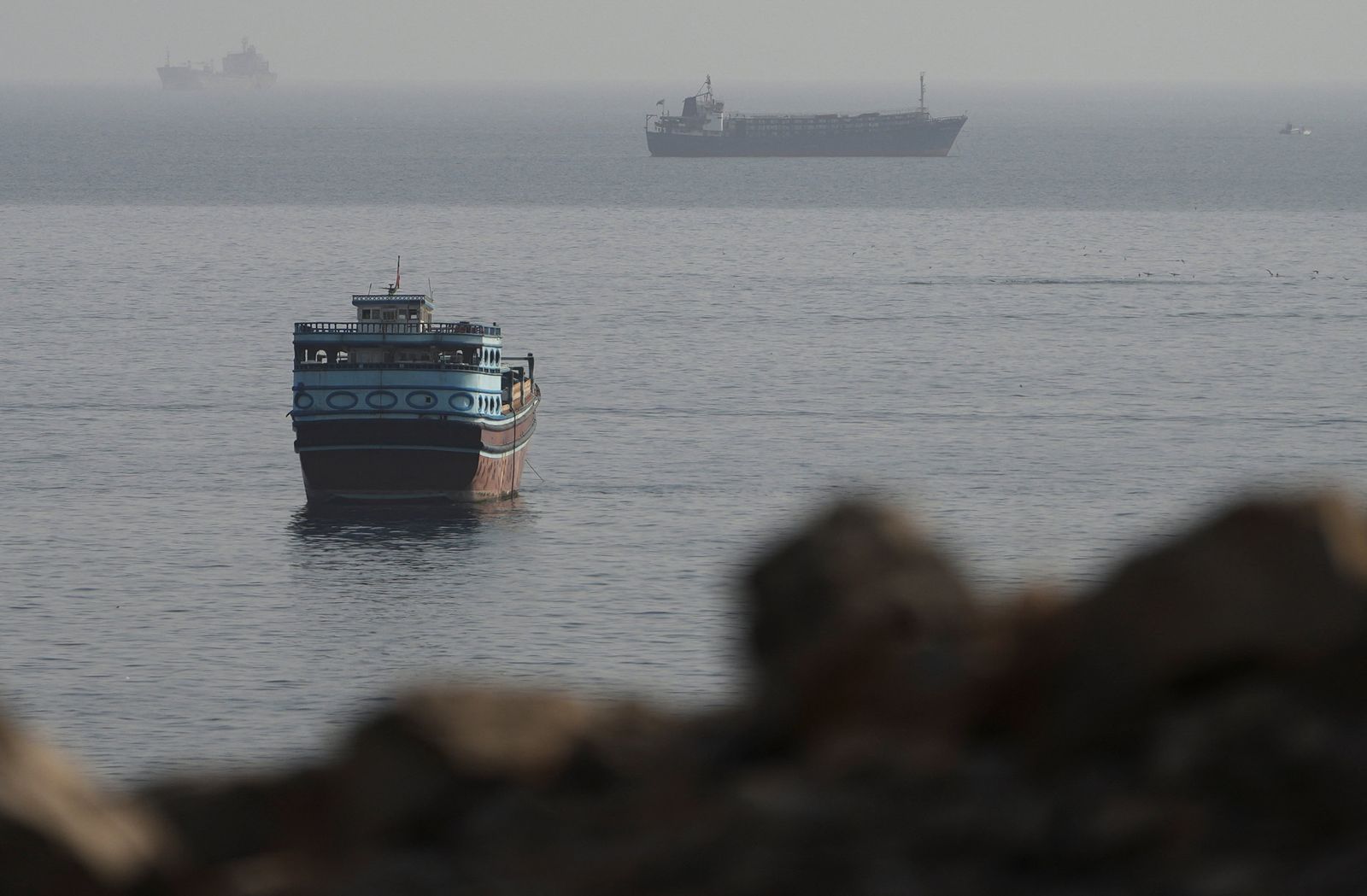
On potential economic pressure stemming from tensions involving Iran, the United States and Israel, Purbaya said the government would adopt policies to cushion the impact if global oil prices surge beyond levels anticipated in the state budget.
“The state budget will be prepared as much as possible to serve as a shock absorber for economic volatility,” he said.
The government has no plans to raise subsidised fuel prices, as fiscal capacity remains sufficient to absorb current pressures.