JAKARTA, April 6 — The Indonesian government has given assurances that it will maintain subsidised fuel prices at current levels until the end of the year.
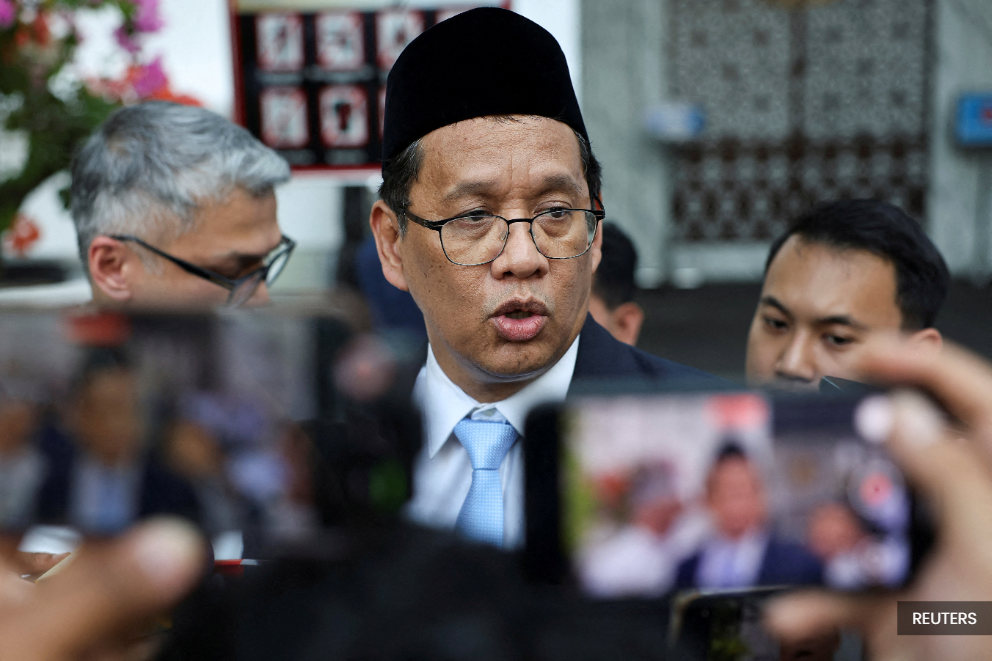
Finance Minister Purbaya Yudhi Sadewa said the government has sufficient fiscal capacity to sustain the policy, supported by budget calculations and existing financial buffers.
“Subsidised fuel prices will not increase until the end of the year,” he said during a media conference today.
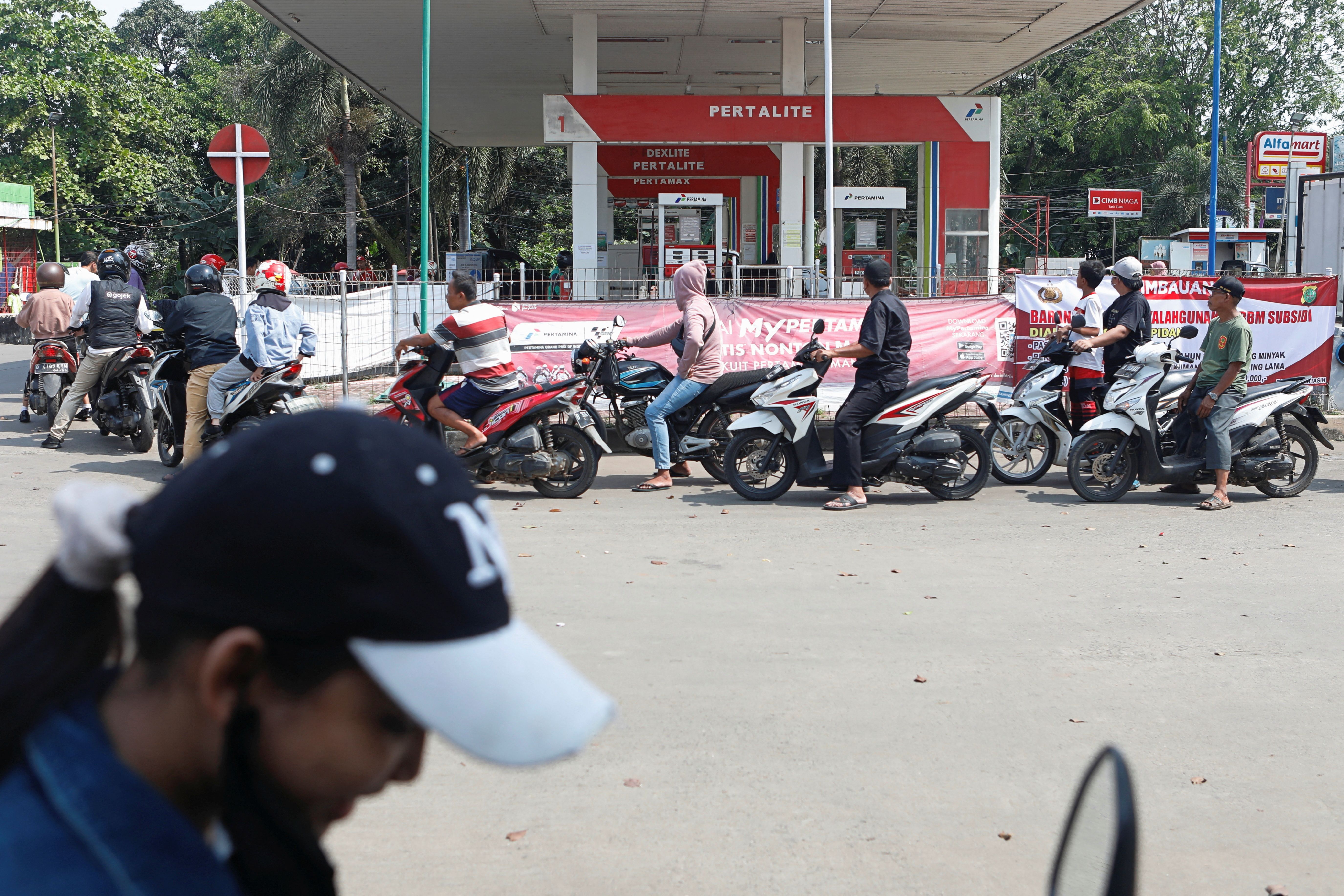
The price of subsidised fuel in Indonesia remains unchanged following the government’s announcement on Tuesday (March 31) that there will be no price adjustment in April.
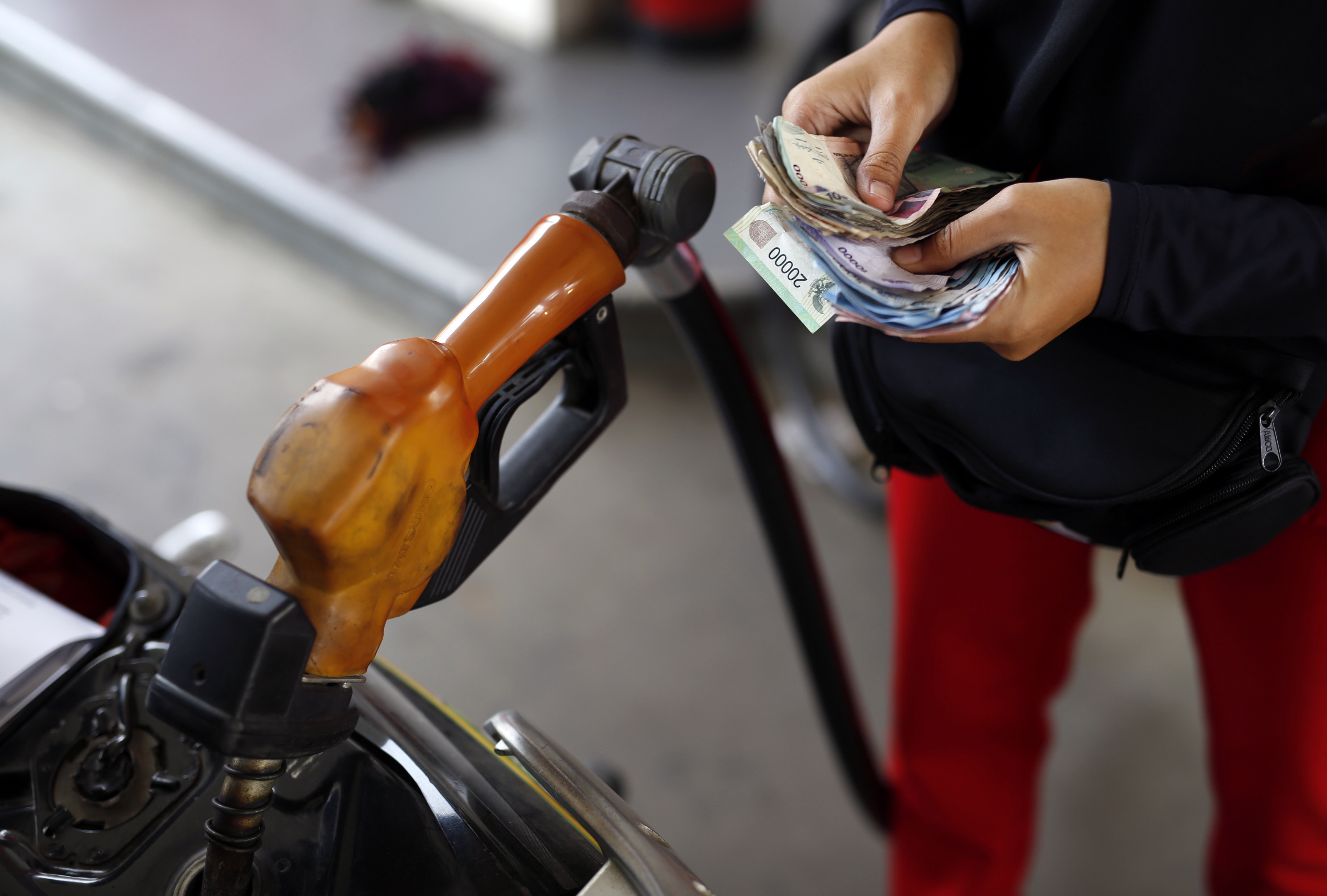
Subsidised petrol, RON90, is sold at a fixed price of 10,000 rupiah (RM2.37) per litre, while subsidised diesel (biosolar) is capped at 6,800 rupiah (RM1.61) per litre, with the government absorbing the cost difference.
In contrast, non-subsidised fuels are priced based on market mechanisms, with Pertamax (RON92) at around 12,300 rupiah (RM2.91) per litre and Pertamax Turbo (RON98) at about 13,100 rupiah (RM3.10) per litre for March, subject to periodic adjustments in line with global oil prices, exchange rates, and other cost components.
For non-subsidised diesel, Dexlite is set at 14,200 rupiah (RM3.36), while Pertamina Dex is at 14,500 rupiah (RM3.43).
Purbaya added that the government had conducted fiscal simulations based on an assumed global oil price of around US$100 per barrel through year-end, which showed the budget deficit could be maintained at around 2.9 per cent alongside spending cuts and efficiency measures.
“I have conducted simulations using an average global oil price of US$100 per barrel until the end of the year…we can ensure the deficit remains around 2.9 per cent,” he said.
The minister noted that the government has financial buffers of about 420 trillion rupiah (RM99.34 billion) in surplus budget, which could be used if necessary.
“We still have a financial buffer of 420 trillion rupiah…if pressed, it can still be used,” Purbaya said.
He is confident that global oil prices are unlikely to remain elevated for a prolonged period.
“The chances of oil prices staying above US$100 for a prolonged period are small, and if we look at the political situation in the United States, that is also a factor. I want to emphasise that again,” Purbaya said.
Meanwhile, he urged the public not to worry about the government’s finances.
“The public should not worry, and should not speculate that we are running out of money; we have plenty of funds.
“Our finances are sufficient. Every policy that is implemented certainly has cost implications for us, and we have calculated that they are manageable,” Purbaya said.