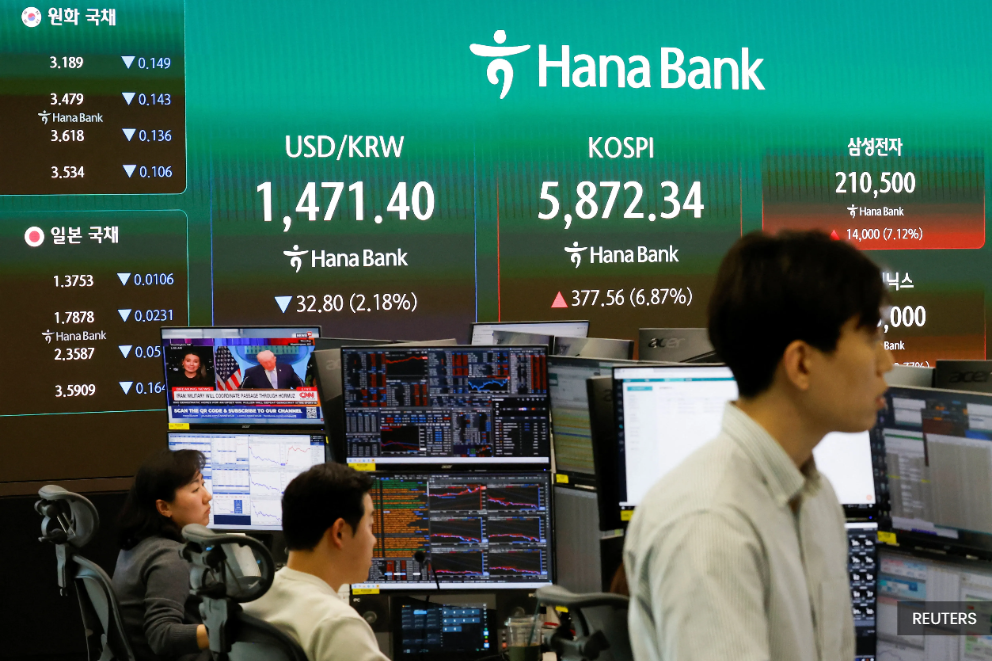

SINGAPORE, April 8 — Global bond markets may rebound but are unlikely to fully recover from the war-driven selloff because, even if there is peace, energy prices and inflation will run hotter for longer.
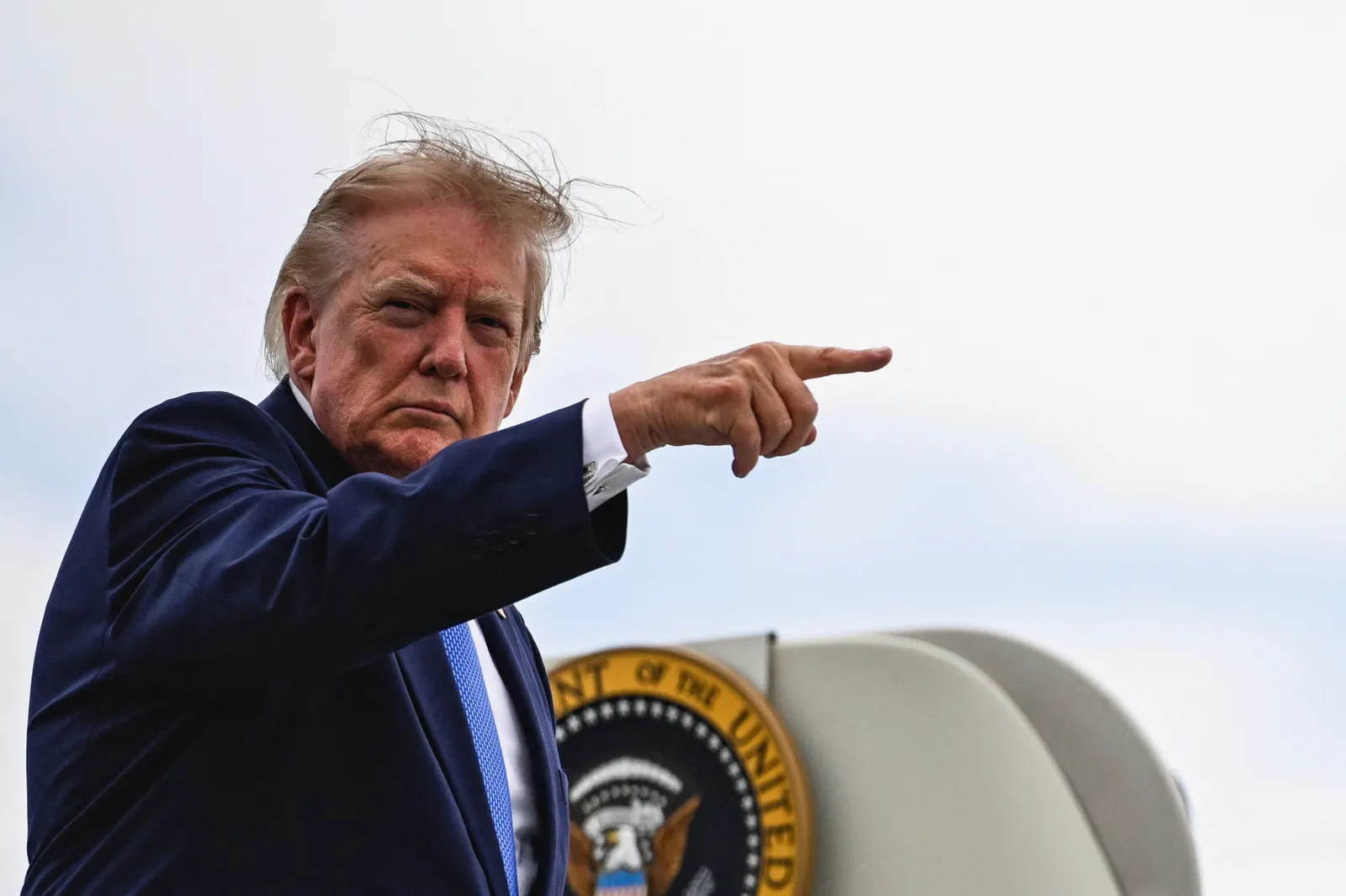
The United States (US) and Iran appeared to have negotiated a ceasefire late on Tuesday, with US President Donald Trump announcing a two-week pause in attacks, conditional on the reopening of the Strait of Hormuz and Iran promising ships safe passage.
That set oil prices tumbling and stocks and bonds rallying.
However, investors say that the pre-war wagers for interest rate cuts this year in places such as the US, the United Kingdom (UK), and oil-rich Norway have gone and will not return. Some argue the ceasefire may even tilt risk towards higher rates, as the likelihood of severe oil shortages slowing global growth has lessened.
Analysts have opined that the energy shock has thrown inflation into sharp relief, highlighting that major economies have not managed to return inflation to target for years.
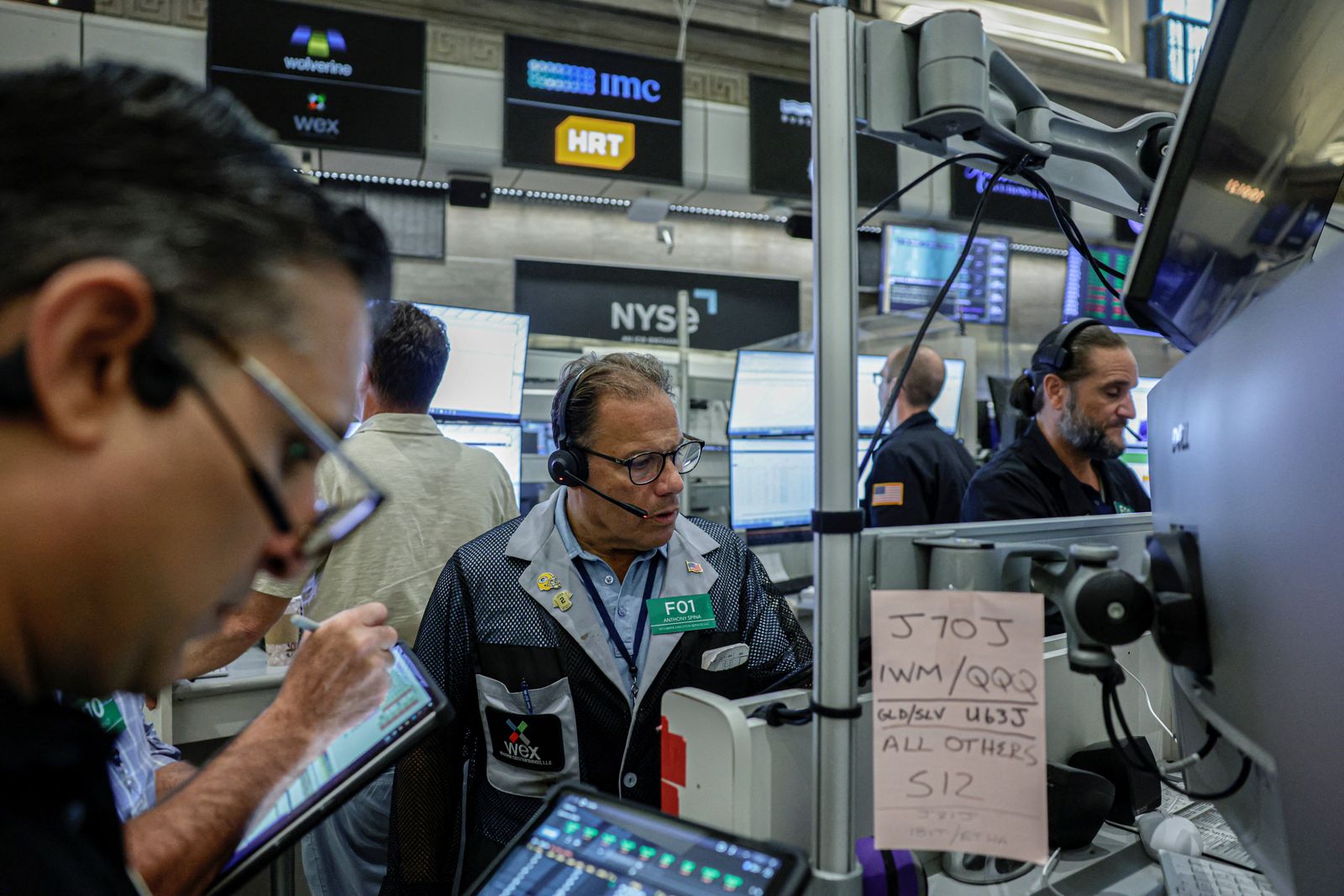
The result has been a reckoning for bond investors. The FTSE World Government Bond Index slid more than three per cent in March, its sharpest monthly drop in one-and-a-half years.
"Sometimes these events, even when unwound, have changed the psyche of what the likely next move is for most central banks.
"This temporary oil price shock has brought investors closer to the truth, which is that actually inflation has been persistently high for the last three years," said Sydney-based investment bank Barrenjoey's chief rates strategist Andrew Lilley.
A new survey by Central Banking Publications has revealed that uncertainty still looms over energy security, with real-world oil prices — which hit record highs this week — staying elevated amid tight supply. More than two-thirds of central banks see geopolitics as the top risk.
On Wednesday, policymakers in India and New Zealand left key policy rates unchanged, at 5.25 per cent and 2.25 per cent, respectively, but laid the groundwork for their next moves to be hikes.
"The balance of risks has shifted, and there are likely to be differences between the near-term and medium-term.
"Any signs of significant second-round inflationary effects or increases in medium-term inflation expectations would require decisive and timely increases in the Official Cash Rate to re-anchor inflation expectations," said the Reserve Bank of New Zealand in a statement to explain its decision.
Higher for longer
Broad markets were ebullient about the ceasefire, with stocks surging, the safe-haven dollar sinking and Brent crude futures below US$100 a barrel for the first time in two weeks.
Treasuries and bond markets in Europe, the UK, and Australia also rallied strongly. However, yields only fell back to mid-March levels, with benchmark 10-year Treasury yields at 4.85 per cent and two-year yields at 3.72 per cent; broadly in line with the current US Federal Reserve (US Fed) funds rate.
Analysts who say stocks can rally further if peace prevails also expect short-end yields to struggle to fall much further, as policymakers lack the room to cut rates.
US Fed funds futures, which at the start of the year had priced in two US rate cuts for 2026, imply a barely 50 per cent chance of a single cut.
"Central banks will be on high alert that this supply shock does not feed into higher inflation expectations. Rate cuts should be off the table," said Singapore-based TD Securities' senior rates strategist Prashant Newnaha.
The path to higher rates also looks clearer in Japan, with the ceasefire easing some of the worries over the supply of Gulf energy, on which the East Asian economy depends.
"The Bank of Japan was totally willing to raise rates without this Middle East uncertainty. And now this ceasefire will give a good reason for them to go ahead and raise rates in April.
"All the other conditions, including wages and inflation, were all met already," said Tokyo-based Nomura Securities' chief strategist Naka Matsuzawa.
Even for China, which has long struggled with deflation, global investment banks are removing earlier calls for rate cuts this year.
To be sure, there is room for bonds to rally, particularly given how heavy selling was in March and how aggressively positioning implied a series of rate hikes in Europe and the UK.
Yet with the ceasefire reducing the risk of a global recession, policymakers are leaning away from rate cuts, preferring a mostly wait-and-see stance.
As India's central bank Governor Sanjay Malhotra put it on Wednesday, "Risks are on the upside."