
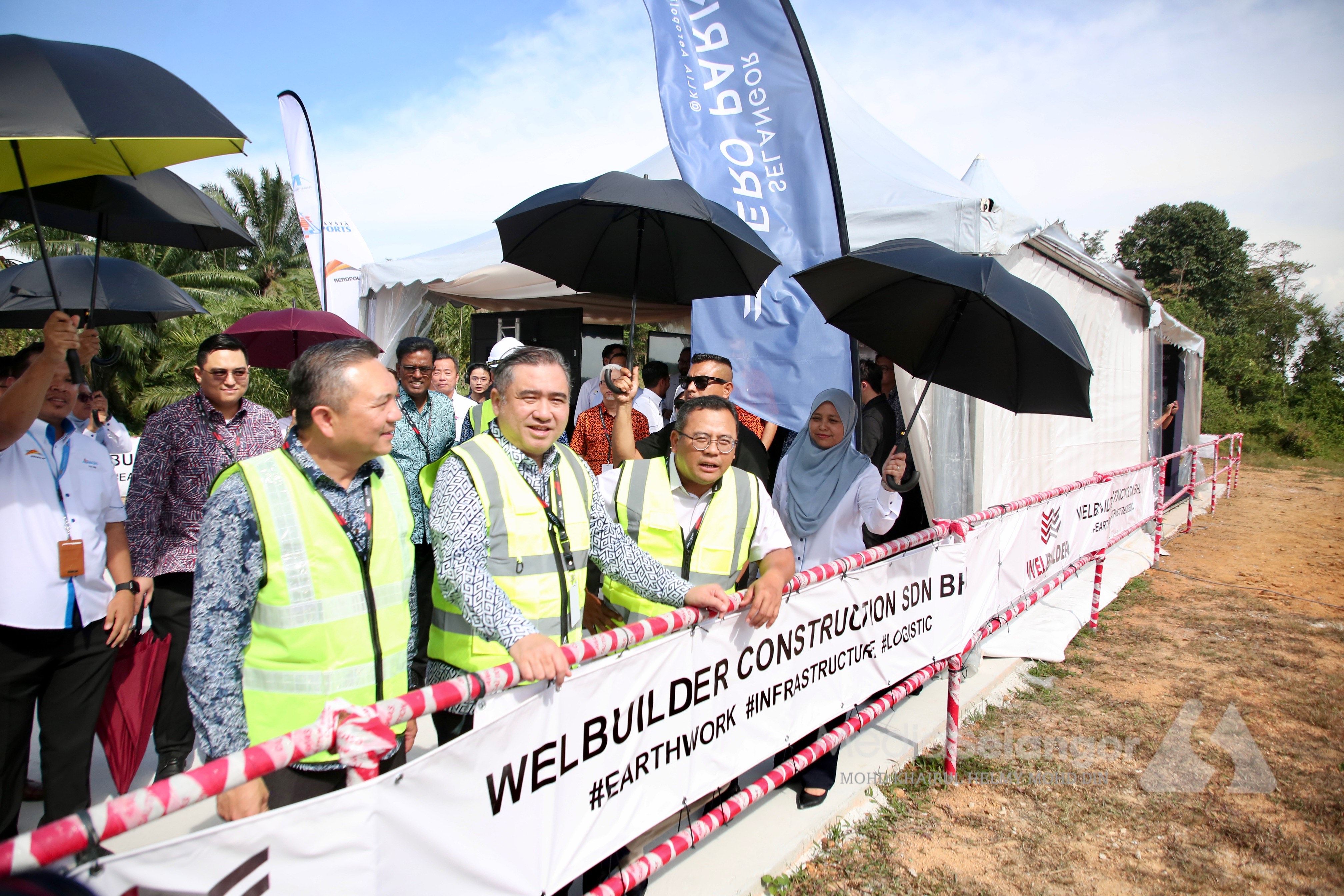
SEPANG, Jan 6 — The district of Sepang was singled out by the Malaysian Statistics Department (DOSM) as one of Selangor’s most critical economic growth engines with a diverse economic structure.
Chief Statistician Datuk Seri Mohd Uzir Mahidin said this is supported by strategic infrastructure like the Kuala Lumpur International Airport (KLIA) and Cyberjaya, which serve as centres for aviation, logistics, services, and advanced technology industries.
“Business activities in Sepang extend beyond services and trade, attracting significant investments through technology and industrial projects such as the KLIA Aeropolis and Selangor Aero Park (SAP).
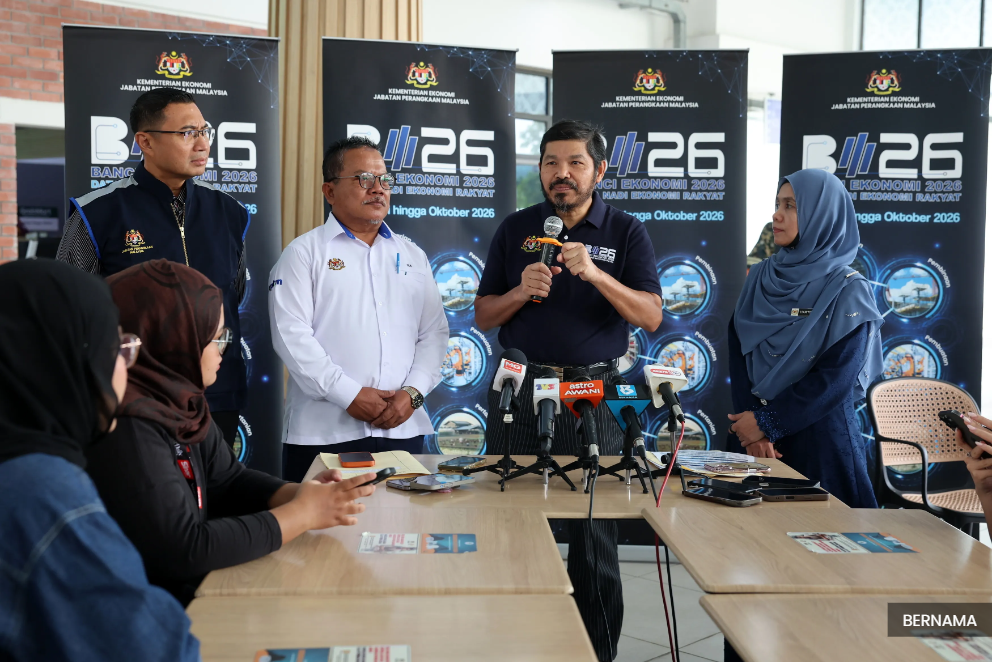
“(These facilities) are set to become hubs for aerospace, logistics, and high-skilled manufacturing, creating quality employment opportunities,” he said in a statement, in conjunction with the launch of the 2026 Economic Census (BE2026) today.
The census will be conducted by DOSM from January 5 to October 31, to provide critical data to support evidence-based policymaking and inclusive, sustainable economic growth. It aims to provide a comprehensive overview of Malaysia’s economic structure and performance based on 2025 data, covering 1.34 million businesses and organisations.
Uzir added that, apart from high-impact industries, Sepang’s economic structure is also significantly supported by micro, small, and medium-sized enterprises (MSMEs).
Activities are primarily focused on areas like Dengkil, Kota Warisan, Salak Tinggi and Sungai Pelek, covering services like logistics support, retail, food and beverage, accommodation, and maintenance.
“The presence of large-scale industrial ecosystems has created economic spillover effects that stimulate the growth of local MSMEs as suppliers and providers of support services,” he said.
Approximately 11,622 businesses in Sepang are expected to be covered under BE2026, comprising micro establishments (75.1 per cent), small establishments (16.2 per cent), medium establishments (1.1 per cent), and large establishments (7.6 per cent).
In terms of sectoral breakdown, the services sector records the highest share at 85.0 per cent (9,879), followed by construction at 8.8 per cent (1,025), manufacturing at 4.8 per cent (553), and agriculture at 1.3 per cent (146).
Overall, there are some 1.34 million businesses and organisations nationwide, with 308,000 recorded in Selangor, comprising micro establishments (74.1 per cent), small establishments (24.6 per cent), medium establishments (1.5 per cent) and large establishments (4.7 per cent).
Uzir said that BE2026 will be carried out in three phases, using multiple data collection methods to ensure accuracy and high participation, including online forms, postal submissions, email and phone communications, and face-to-face interviews.
The census is crucial to providing granular data to evaluate the competitiveness of MSMEs, including Bumiputera, youth, and women-owned businesses.
He urged all organisations to fully cooperate throughout the census period to ensure accurate and high-quality statistics.