



SHAH ALAM, Dec 15 — The implementation of the 2026 Economic Census (EC 2026) is expected to improve the accuracy of mapping the rural economic landscape in Sabak Bernam.
This will particularly affect micro, small, and medium-sized enterprises (MSMEs) and the informal economy, which form the backbone of the local community.
The Selangor Malaysian Statistics Department (DOSM Selangor) said the census, scheduled to begin in February, will also focus on emerging economic landscapes, including remote services, gig platforms, and micro- and mobile-business activities.
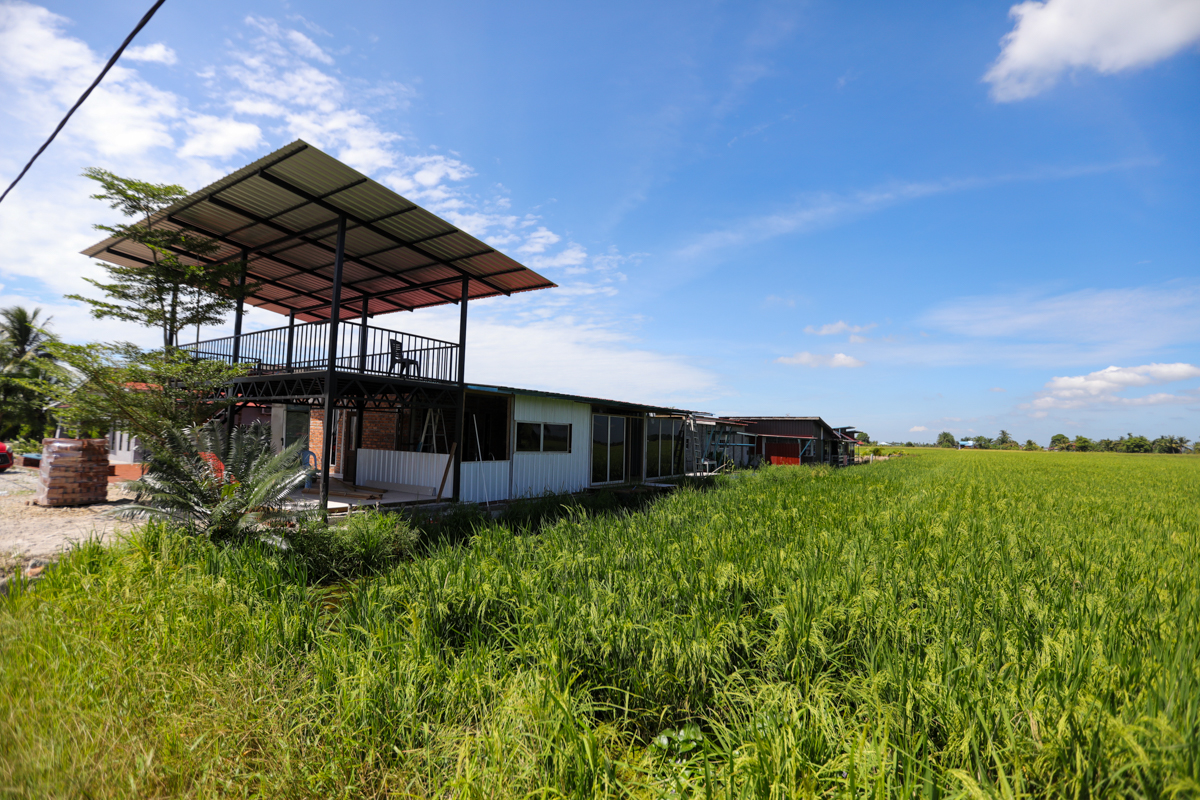
It added that Sabak Bernam is a key rural district in northern Selangor with an economy based on agriculture, fisheries, and small and micro enterprises, the majority of which comprise MSMEs, particularly micro establishments.
“The highest concentration of economic activity is in the Sungai Besar and Sekinchan areas, which function as local commercial centres.
“Based on preliminary EC 2026 records, the district has recorded 213 informal sector establishments, including hawkers, small grocery shops and community-based businesses, in addition to 90 homestay operators supporting the development of local agro-tourism,” DOSM Selangor said in a statement.
It noted that the district's key industries include food processing, particularly the production of crisps and snack foods, which are widely operated around Sungai Besar, Parit Baru, and Sekinchan.
The local business ecosystem is further supported by a network of public markets, with seven main markets housing 635 outlets, making the district one of Selangor’s active centres for agricultural produce, seafood, and agro-based products.
“The combination of formal and informal activities makes Sabak Bernam a significant area in EC 2026, particularly from the perspective of rural development and the empowerment of the micro economy,” DOSM Selangor said.
EC 2026 will adopt the newly introduced Malaysia Standard Industrial Classification (MSIC) 2025, in line with changes in the national economic landscape, replacing MSIC 2008 Version 1.0, which has been in use for the past 17 years.
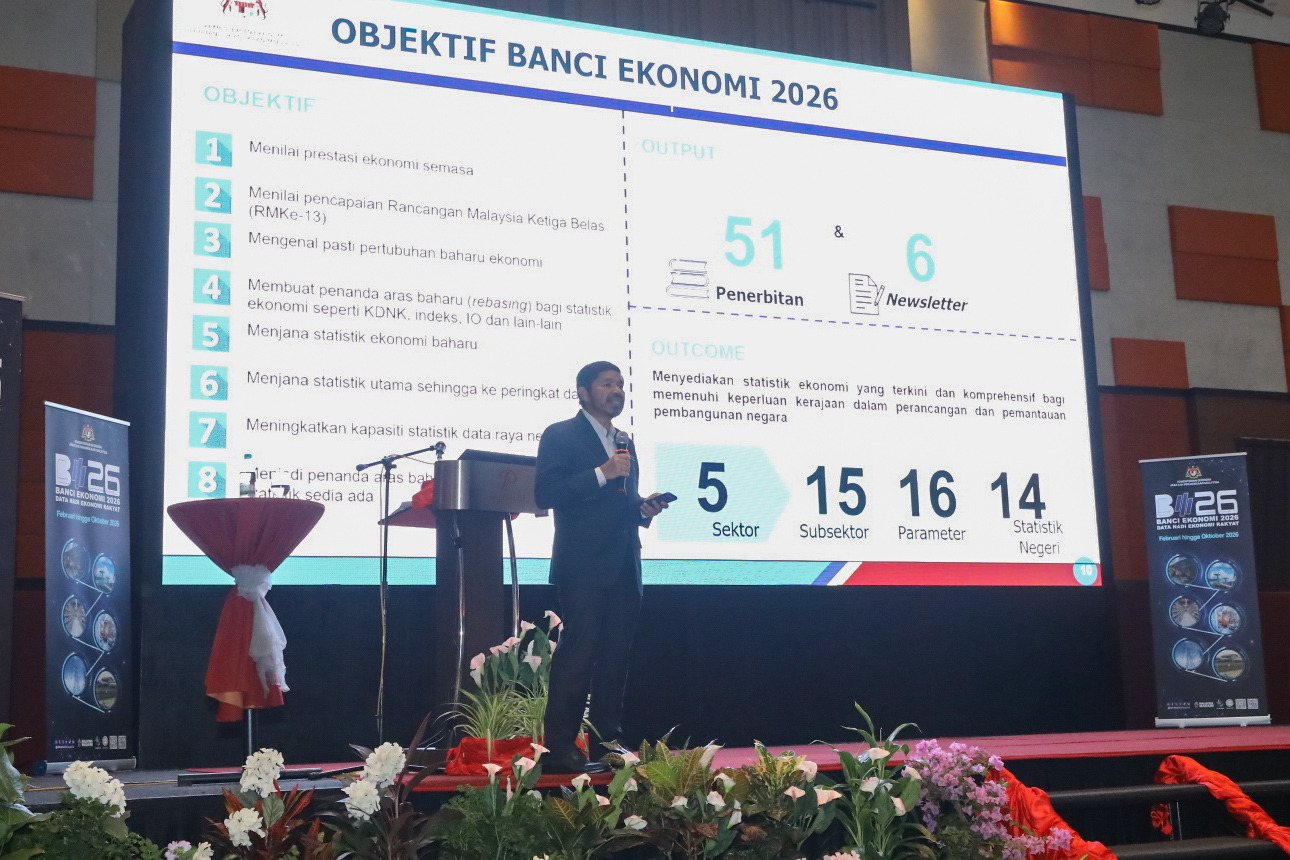
Previously, Malaysian Chief Statistician Datuk Seri Mohd Uzir Mahidin said that EC 2026 analyses would be compiled down to a granular level, encompassing data by district, mukim, and type of economic activity.
“This approach enables deeper, more localised economic analysis, in line with the principle of ‘no one and no place left behind’ in socio-economic development.
“The participation of all establishments, including those in urban and rural areas such as Sabak Bernam, is crucial to ensure that the data produced are accurate, reliable and reflective of true economic diversity,” he said.
The data will serve as a strategic foundation for the formulation of development policy, industry empowerment, and equitable development across urban and rural areas.
EC 2026's data collection will be conducted through four main approaches: online form submission (e-EC), postal delivery of forms, email or telephone communication, and face-to-face interviews.
“DOSM calls on all business establishments and non-profit organisations to provide full cooperation throughout the census period to ensure the production of accurate and high-quality statistics for the advancement of the national economy,” Uzir said.