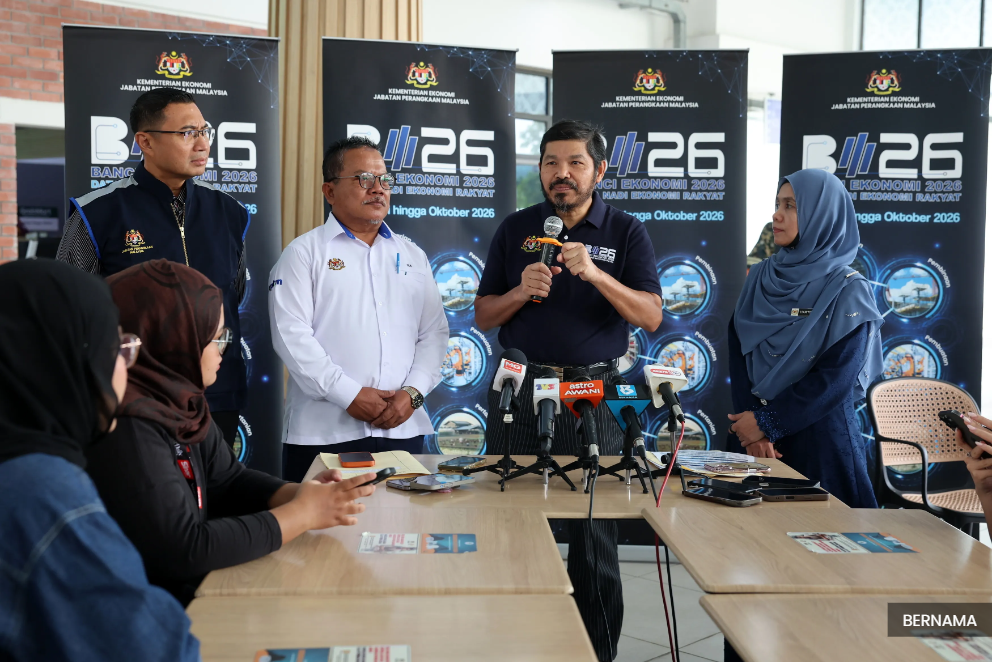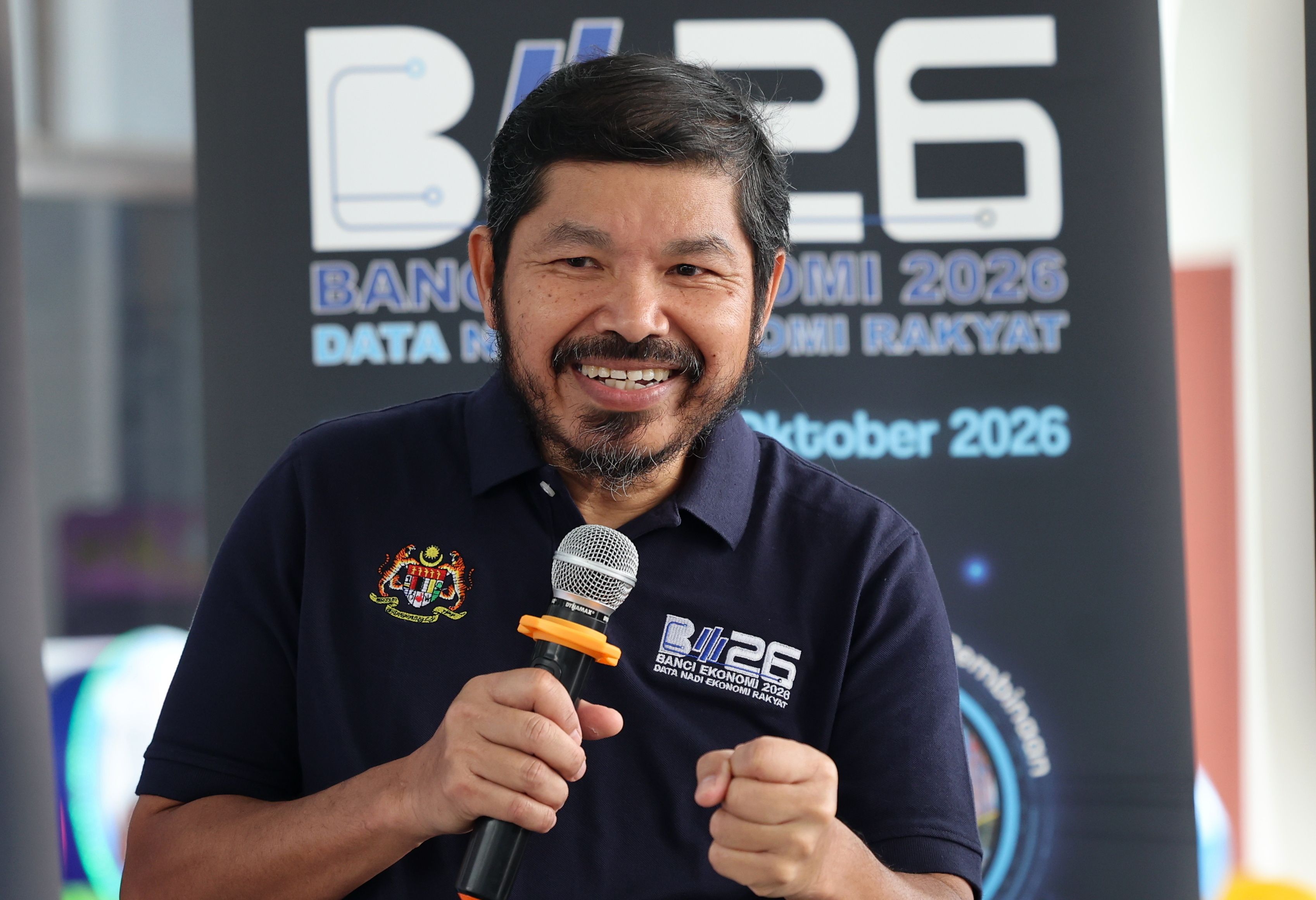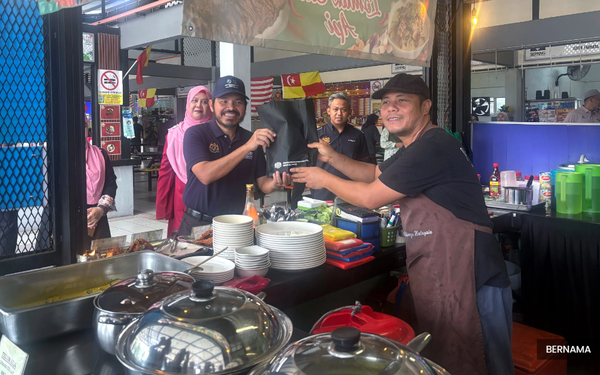
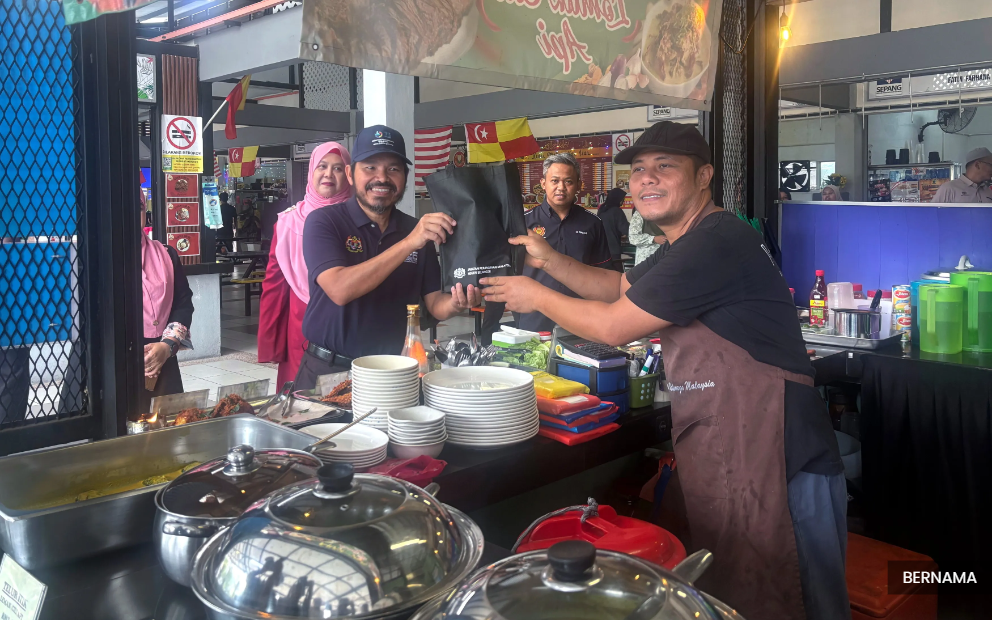
SEPANG, Jan 6 — The informal sector, which includes hawkers, petty traders, food entrepreneurs, and farmers’ market traders, is the primary focus of the Economic Census 2026 (BE2026), which began yesterday and will run until October 31.
Chief Statistician Datuk Seri Mohd Uzir Mahidin said priority was given to the informal sector to ensure that economic activities previously difficult to track were not left out of the country’s official data.
“The census is progressing smoothly, and I would like to thank everyone who has collaborated so far. We remain on track, and yesterday alone we completed observations on data from about 5,000 respondents.
“In the initial stage of the census, we are targeting small businesses, entrepreneurs, and traders who do not have official accounts,” he told the media after observing the implementation of BE2026 at Medan Selera Bandar Baru Salak Tinggi today.
Uzir added that the initial stage of the census implementation was expected to cover about 300,000 respondents nationwide, comprising hawkers, petty traders, food entrepreneurs, and micro businesses.
He said the informal sector is now growing rapidly, driven by social media and digital platforms, with many entrepreneurs running small businesses and actively generating income.
“Some conduct business informally, but social media is widely used. Even though their shops are small or mobile, they still contribute to the country’s economy,” Uzir said.
When asked whether the census would also cover the gig economy, he said the sector, including influencers and content creators, was included in BE2026 to provide a comprehensive picture of the country’s economy.
The census has also been strengthened with a new module on the digital economy and technology to assess the level of digital adoption among micro and informal entrepreneurs.
The data collected would be used to set new benchmarks for the country’s economy and to help the government and relevant agencies formulate more accurate support policies for the informal sector.
“Through this data, we can identify supply gaps, the constraints faced, and the real needs of small entrepreneurs so that assistance and policies are more targeted,” Uzir said.
BE2026 is the sixth census conducted in Malaysia since 2001.
Its coverage will use the 2025 Malaysia Standard Industrial Classification (MSIC), which includes five sectors, 17 sections, and 1,216 industries. This updated classification reflects changes in the economy, including the rise of innovation-based industries, sustainable energy, information technology, and the digital economy.
In line with national development goals, BE2026 supports the implementation of key national policies, including the 13th Malaysia Plan, the New Industrial Master Plan 2030, the Digital Economy Agenda, Industry 4.0, the Sustainable Development Goals 2030, and the Bumiputera Economic Strategic Plan 2035.
For the first time, the census will also include the informal sector, including food vendors, market traders, small retail shops, transport operators, homestays, tuition centres, mobile micro businesses, and various support activities that significantly contribute to the local economy, especially in planned urban areas like Putrajaya.