




SHAH ALAM, Nov 28 — The use of artificial intelligence (AI) and social media algorithms could amplify the influence of toxic masculinity by repeatedly exposing users to content that promotes exaggerated or extreme expressions of masculine traits.
Universiti Kebangsaan Malaysia’s Centre for Psychology and Human Well-Being associate professor Dr Nasrudin Subhi said that AI-generated content, including dramas, often depicts various expressions of masculinity, some of which portray toxic masculine traits.
He noted that social media algorithms track users’ viewing habits and recommend similar content to keep them engaged.
"Once you have watched something, the algorithm stores that data and serves up teasers or pop-ups to entice you to watch more," Dr Nasrudin said as a guest during a recent episode of Media Selangor’s ‘Bicara Semasa’ programme, titled “Modern Men: Masculine or Toxic?”.
However, traits such as dominance and assertiveness should not automatically be viewed negatively unless they are expressed in excessive or extreme ways.
He also urged social media users to be assertive and discerning when consuming online content, particularly in distinguishing what is beneficial from what is potentially harmful.
"As human beings, we need to be assertive, meaning we should be able to choose what is beneficial for us while setting aside what might cause harm," Dr Nasrudin said.
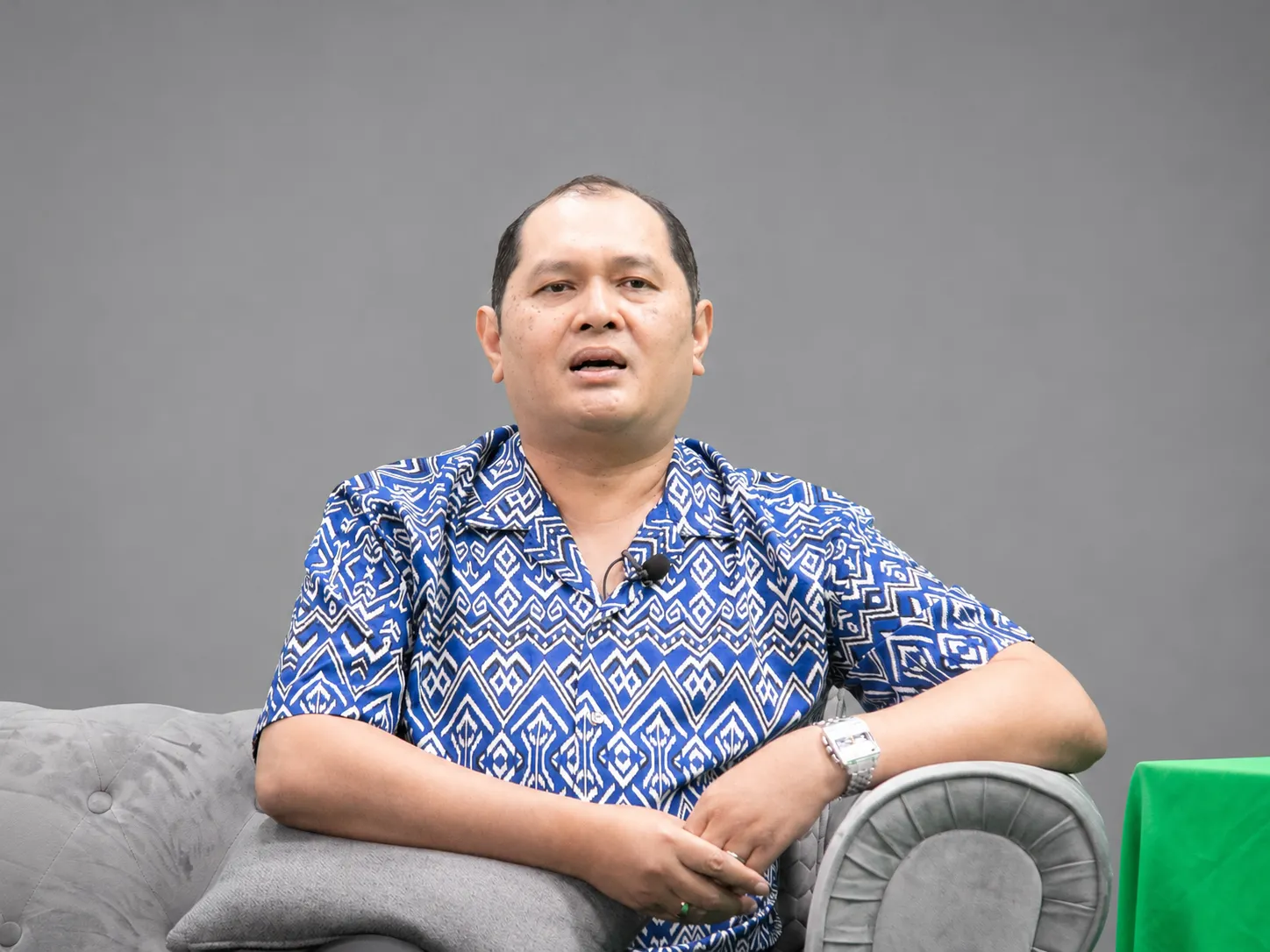
He added that masculinity is traditionally associated with traits such as strength, assertiveness and dominance. However, these traits can become toxic when expressed excessively, such as when individuals believe they are always right and are unwilling to compromise.
Excessive ego, a sign of toxic masculinity
Dr Nasrudin observed that toxic masculinity can manifest through excessive ego, defensiveness when criticised, an unwillingness to admit mistakes, and an inability to compromise, potentially straining relationships with others.
An overly dominant attitude could lead individuals to expect others to constantly give in to their demands, leaving little room for mutual understanding or compromise.
“If a person allows their ego to take over, they may become unable to accept even the slightest criticism and are quick to react aggressively,” he said.
Such behaviour could include throwing objects, losing one's temper, and slamming tables in anger, which Dr Nasrudin said are extreme and inappropriate reactions.
Similarly, upbringing and environmental influences could contribute to the development of toxic masculine traits.
He said a mature man should demonstrate responsibility, honesty, tolerance, and empathy, while respecting others' perspectives and feelings.