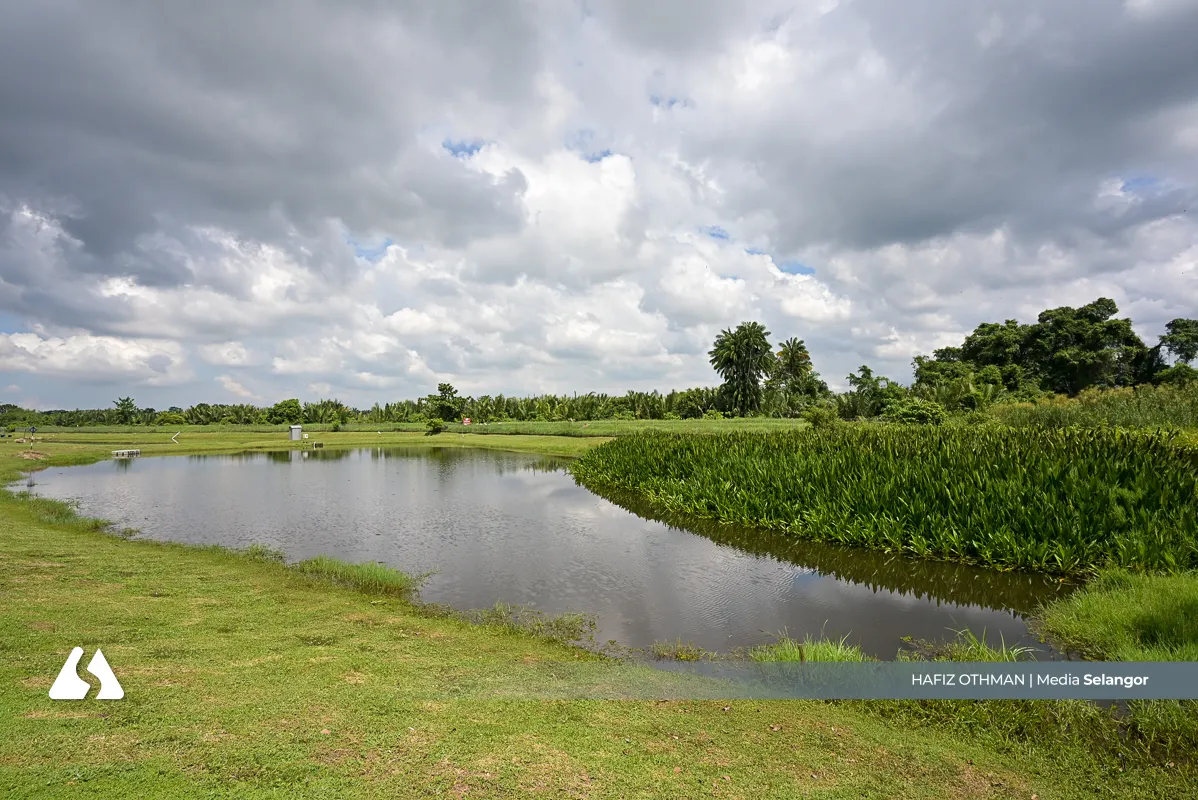

NIBONG TEBAL, Nov 26 — Limited space, construction costs, and the need to overhaul existing infrastructure are among the challenges in implementing the environmentally friendly Bio-Ecological Drainage System (BIOECODS).
Universiti Sains Malaysia's River Engineering and Urban Drainage Research Centre director Chang Chun Kiat said BIOECODS can be introduced in older urban areas, but this will require a comprehensive assessment of existing conditions and the causes of drainage problems.
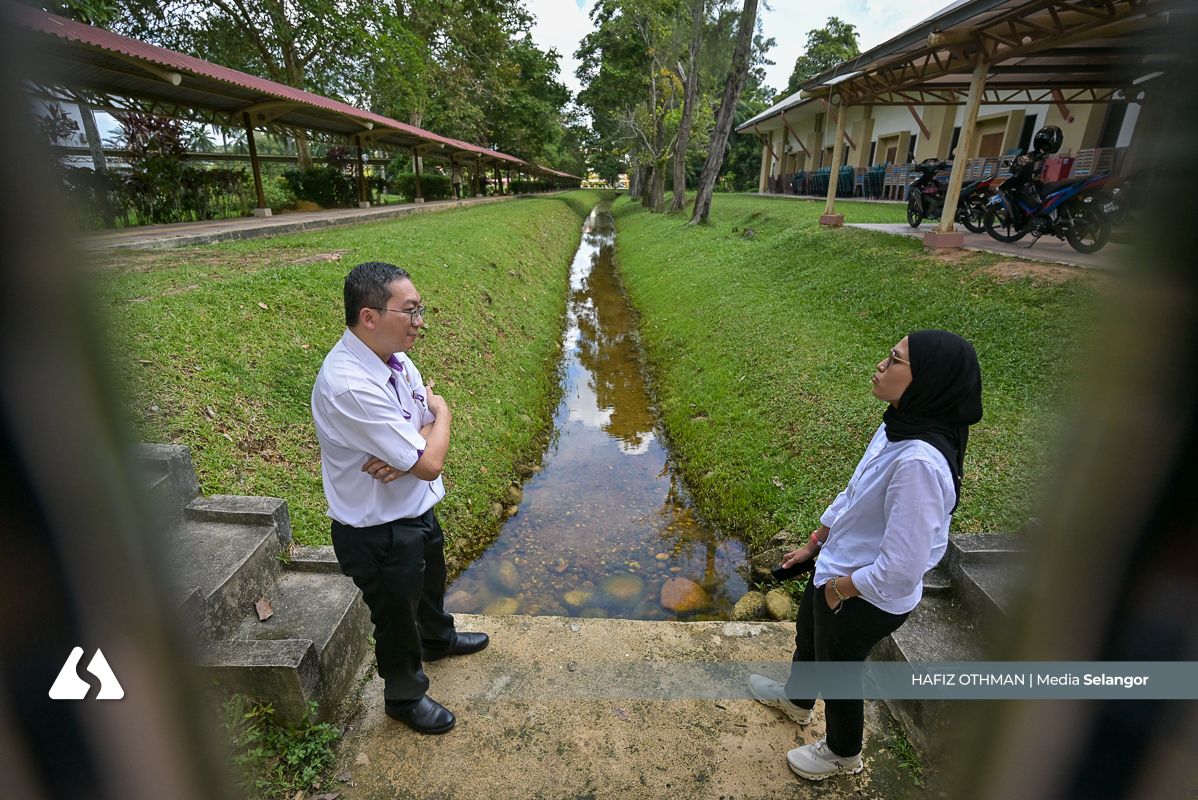
The biggest challenge is the need for a larger area than conventional concrete drains, which are typically narrow and deep. BIOECODS requires wider but shallower drainage areas, posing land-use challenges in largely developed urban areas.
“When we look at concrete drains, they are narrow and deep. But our system requires a wider and shallower area.
“So, from a developer’s perspective, they may see this system as taking up three to four times more space than the area allocated for conventional drainage,” he told Media Selangor.
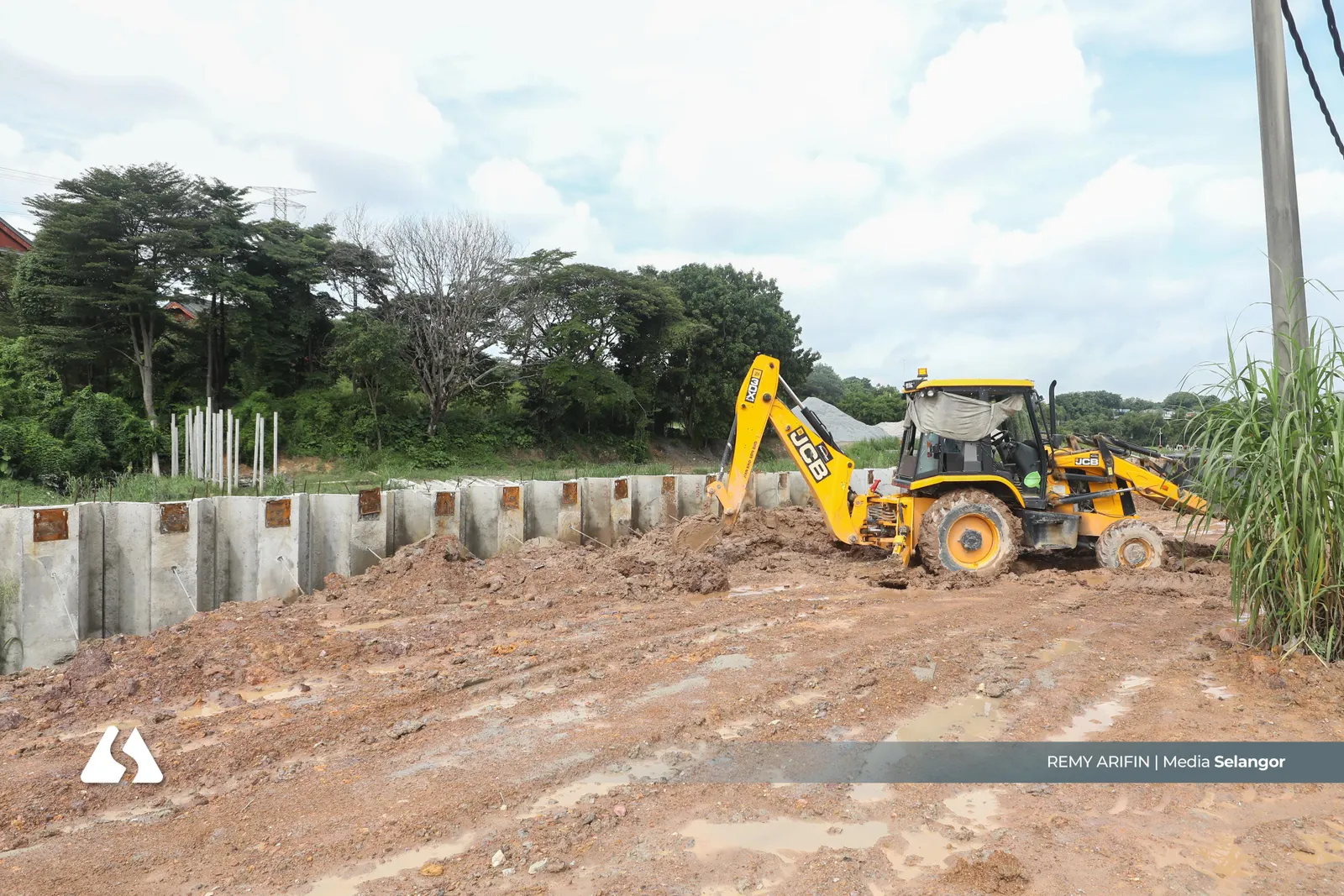
Chang added that implementation in established urban areas would also require existing drainage systems to be removed and replaced with new designs, increasing construction costs and duration.
Replacement works may affect other infrastructure, such as sewerage and piping systems, and potentially disrupt existing services throughout the construction period.
He emphasised that these challenges do not mean BIOECODS cannot be implemented in older urban areas, but detailed studies are necessary to identify the actual causes of flooding and determine whether the locations are suitable.
“Addressing flash floods in established urban areas requires integrated planning that combines drainage improvements, retention systems, pumps, and development controls, based on technical studies of each area.

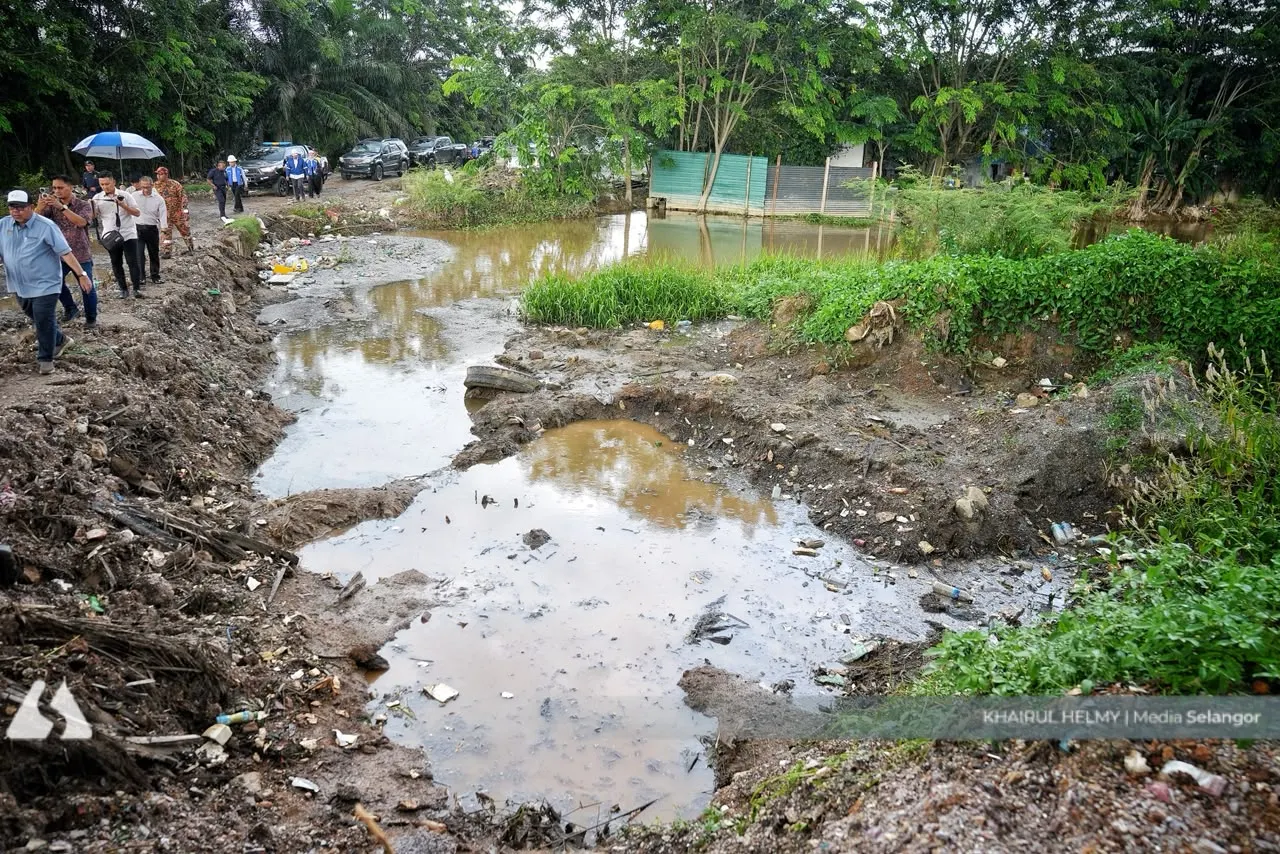
“Flooding is not caused by heavy rain alone. It is also influenced by river conditions, downstream water levels, and the drainage system’s capacity to discharge water when river levels are high or during high tide.
“Therefore, mitigation measures must take the entire drainage system and river basin into account to prevent solutions in one area from causing flooding elsewhere,” Chang said.
Greater emphasis should be placed on source control by ensuring that the rate of water discharge after development does not exceed the pre-development rate, while excess water is temporarily stored in retention ponds or tanks.
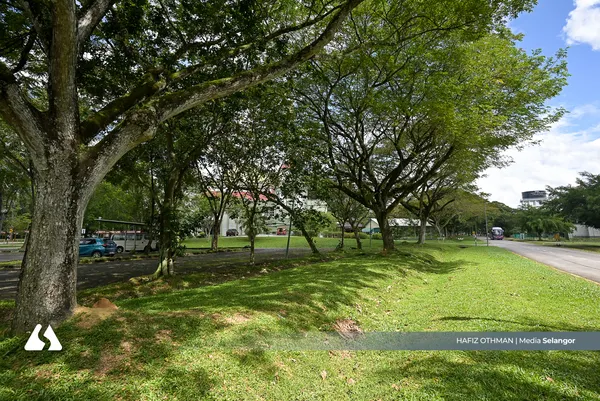
He noted that increasing permeable surfaces in urban areas is also important, as most cities are dominated by concrete surfaces that channel rainwater into drainage systems.
“Flash floods are not caused solely by the capacity of drains. They are influenced by various factors, including rainfall distribution and river conditions, which can prevent water from draining away, particularly when downstream water levels rise.
“Development in low-lying areas should be avoided because the location of a site can make it difficult to discharge water into rivers, especially when downstream water levels are high.
“In already developed areas, the platform levels of buildings must take flood levels and topography into account to reduce the risk of water entering development sites,” Chang said.