
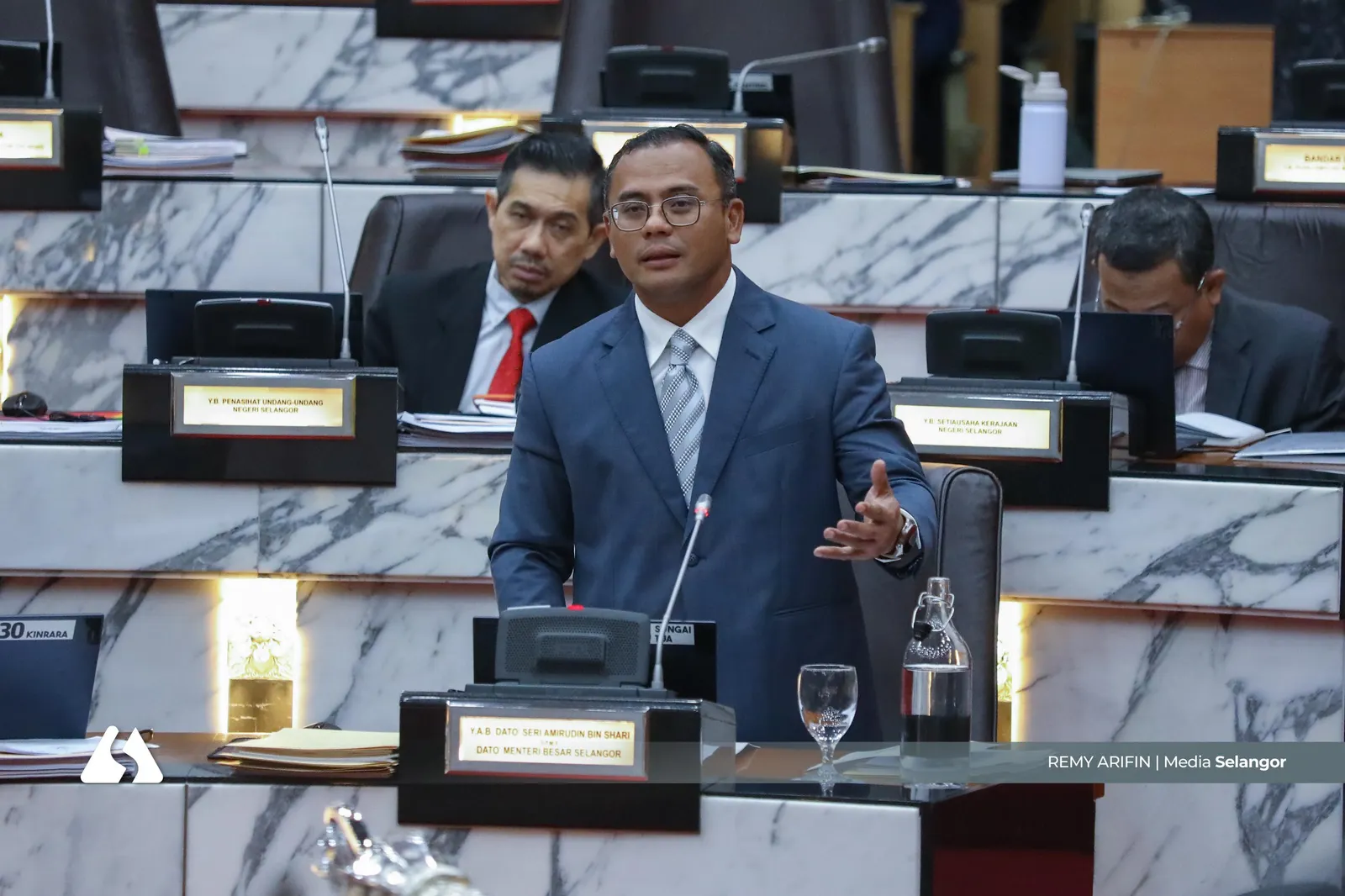


SHAH ALAM, Nov 24 — Selangor is prepared to borrow tens of millions or even billions of ringgit from the federal government, if necessary, to fund flood mitigation projects and upgrade its drainage systems.
Menteri Besar Dato' Seri Amirudin Shari said the state should consider this option to address flooding, particularly flash floods in urban areas where local authorities' drainage systems need improvement.
“Given that the state government no longer has any outstanding loans from the federal government, I believe that if the amount ranges from tens of millions to billions of ringgit, I think it is worth it for the state government to take out loans to resolve these drainage problems, including those at the local authority level,” he said.
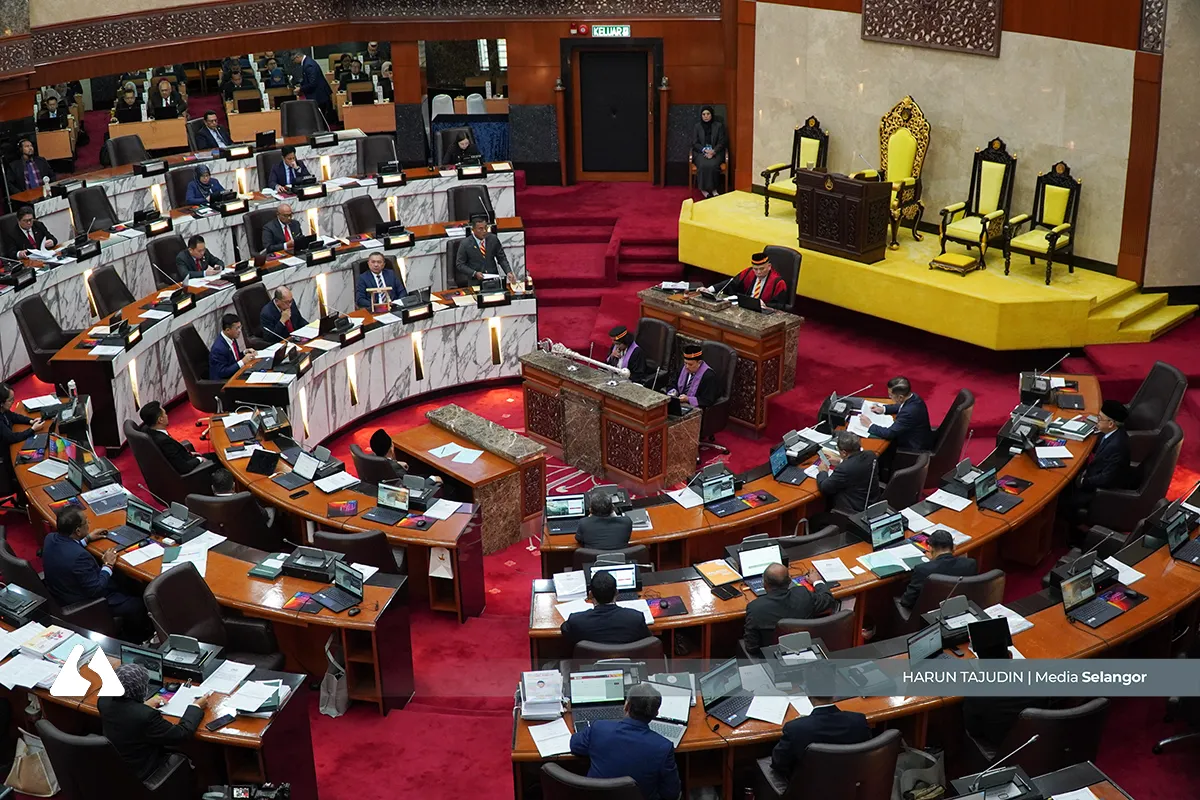
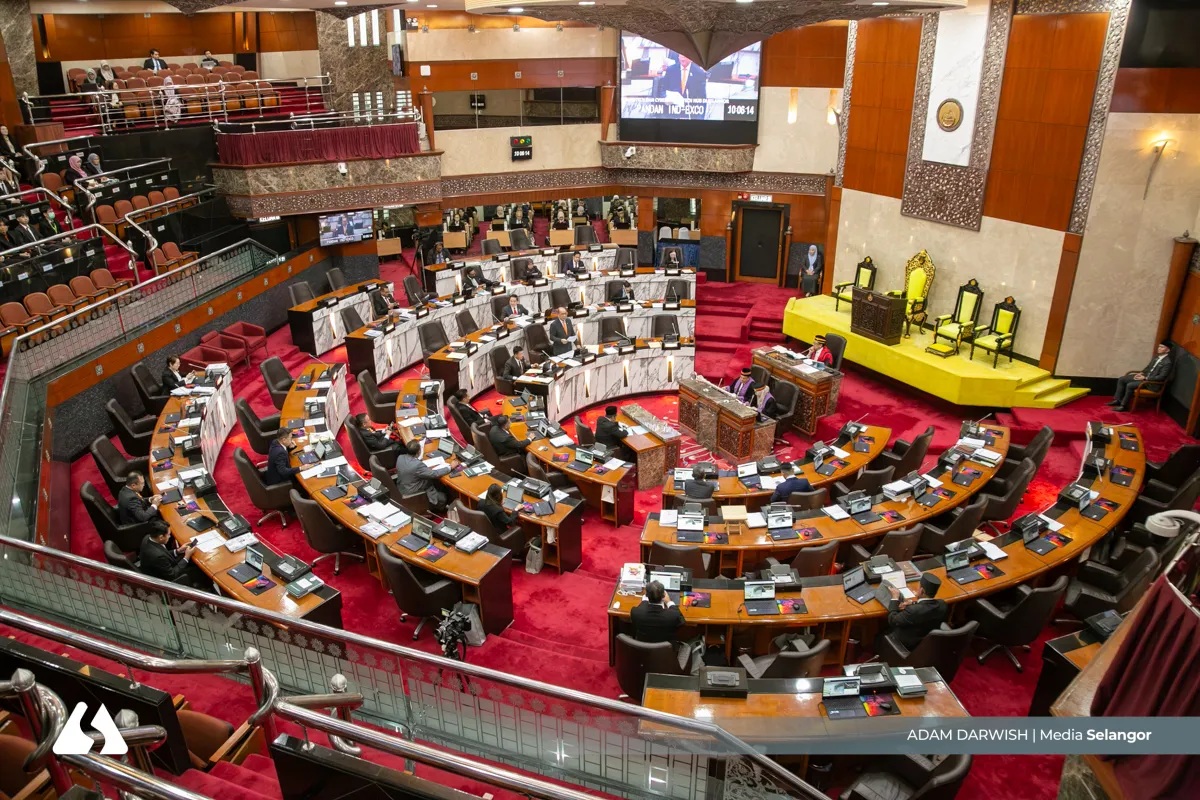
Amirudin was speaking during the winding-up session of the 2027 Development Expenditure Estimates debate at the Selangor State Legislative Assembly sitting today.
He added that the state government allocated RM100 million for flood management under the 2027 Selangor Budget, almost double the 2022 allocation.
It is also prepared to bear additional costs to ensure related projects can proceed without being overly constrained by financial limitations.
Local authorities have been directed to use between 20 and 30 per cent of their respective reserves to fund flood management efforts.
However, Amirudin emphasised that agencies must coordinate more closely to ensure flood mitigation measures are implemented effectively.
“The issue that I believe needs to be emphasised is the coordination of efforts, monitoring, and relationships among all agencies, so that they can work as one team to address flooding,” he said.
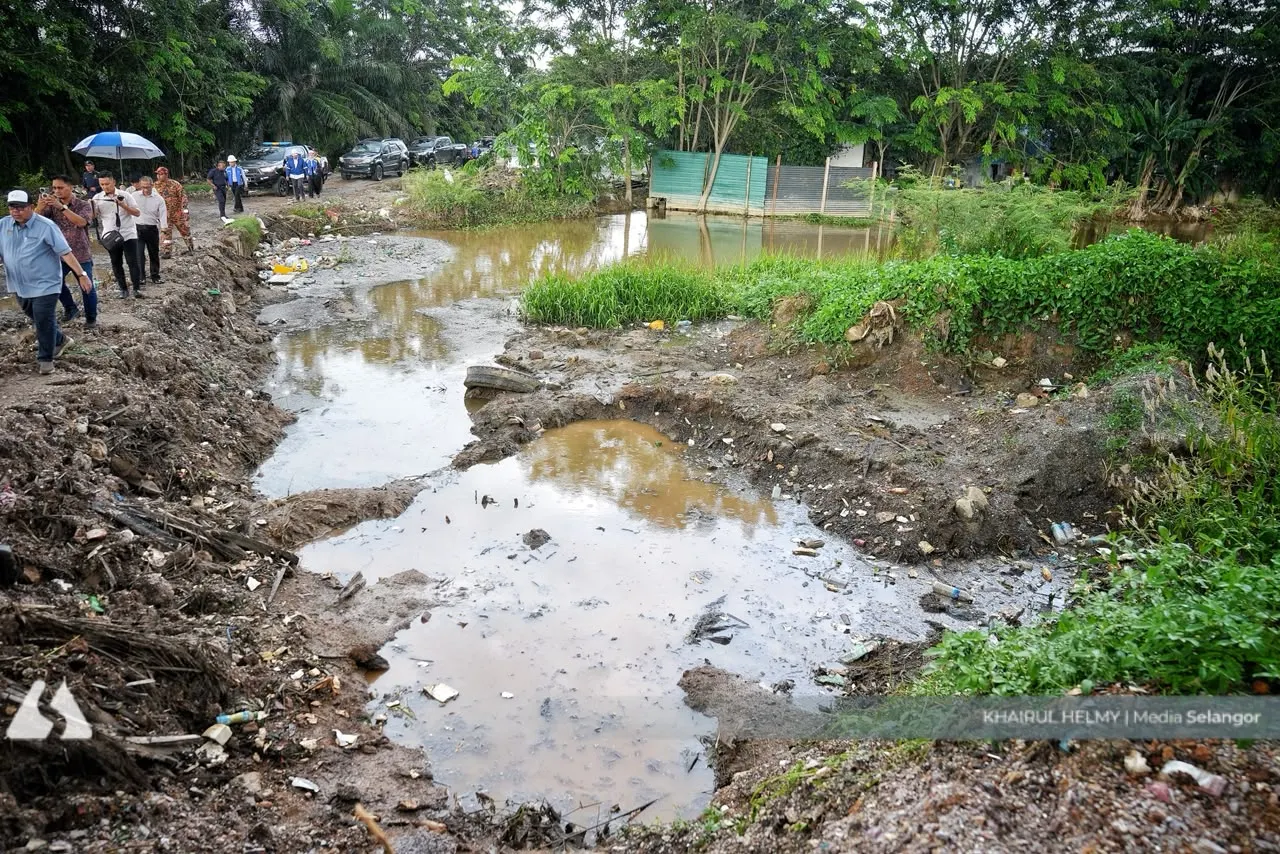
Meanwhile, commenting on the floods in Parit Mahang, Ijok, Kuala Selangor, the Menteri Besar said the incident was caused not only by overflowing water but also by slow drainage due to culvert structures in front of houses, damaged bunds, and high tides.
Pumping operations can only begin 20 days after the flooding started because the high tide levels before then rendered the efforts ineffective.
Amirudin noted that the pumped water was channelled directly into rivers or the sea to help reduce water accumulation in affected areas.