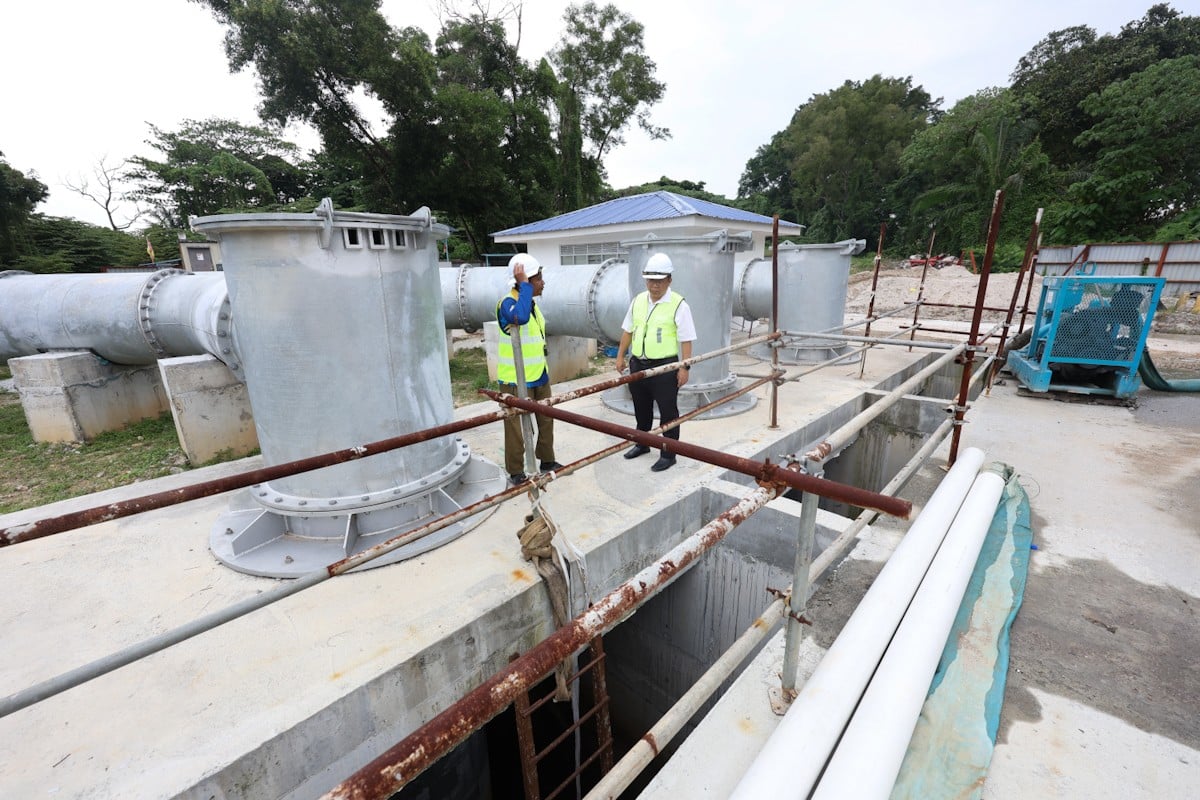

SHAH ALAM, Nov 21 — The state government's revised approach to flood management, introduced after the major floods in 2021, has shifted from focusing mainly on flood mitigation plans to implementing rapid, small-scale measures, which are now showing positive results.
Menteri Besar Dato' Seri Amirudin Shari said the approach has helped reduce the impact of flooding by up to 60 per cent in several areas previously affected by frequent floods, including Padang Jawa, Taman Melawis, and Jalan Paip in Klang, as well as Taman Sri Muda in Shah Alam.
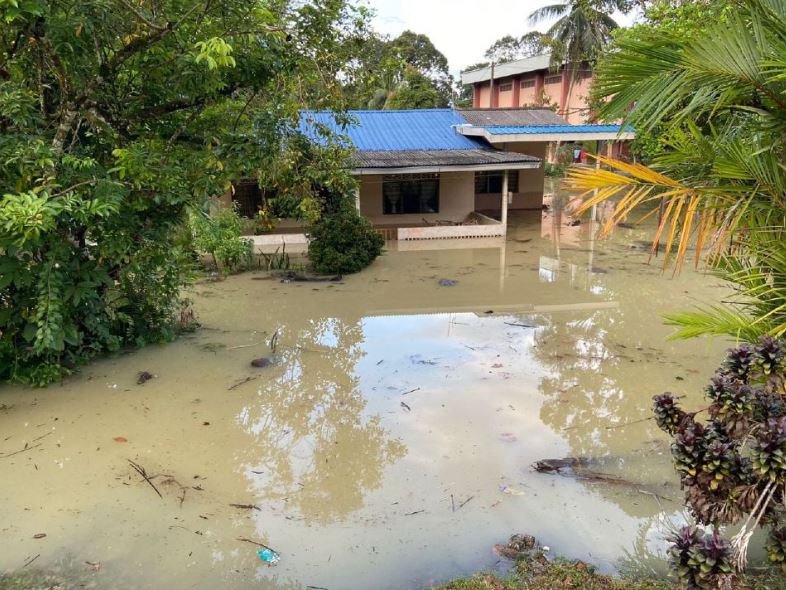
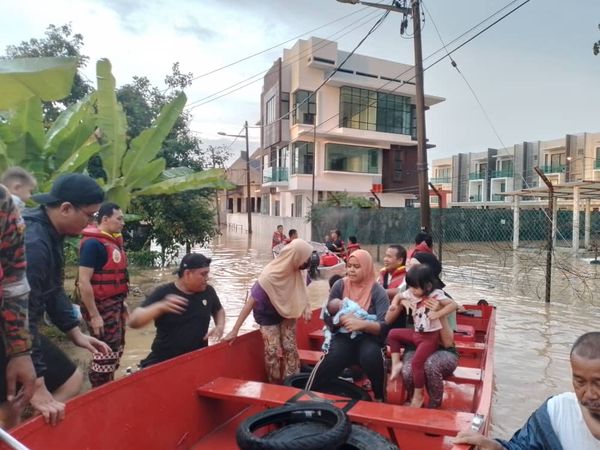
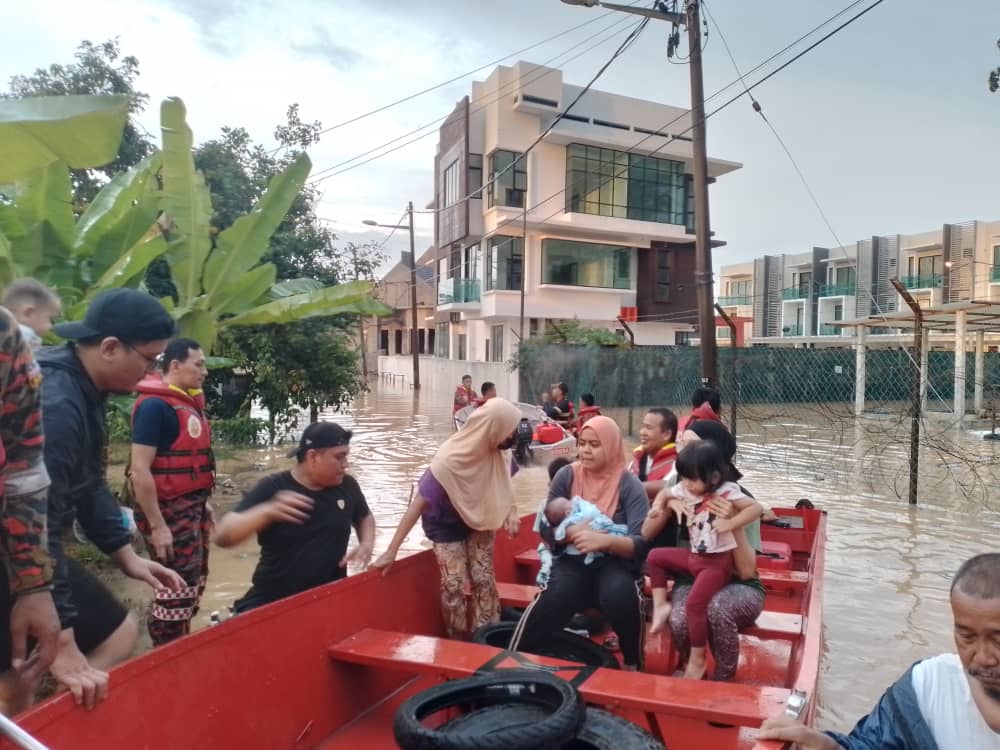
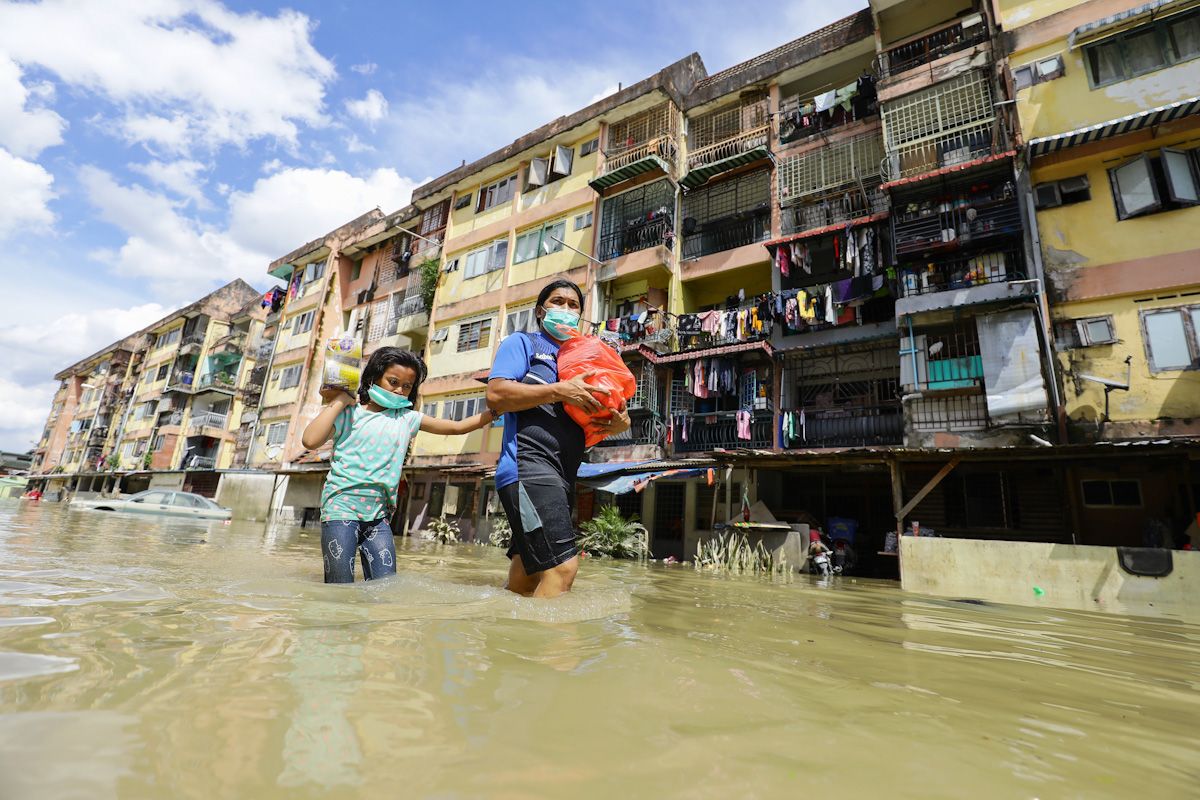
All four areas were among the worst affected during the major floods in December 2021, which damaged residents’ household belongings.
“In 2021, all four areas were among the worst affected, damaging residents’ household belongings. However, when rainfall was heavier this month than in previous months, these areas were not as severely affected.
“Certainly, some areas began to experience rising water levels, but the impact was reduced by more than 50 to 60 per cent,” he said during the winding-up of the 2027 Selangor Budget in the State Legislative Assembly sitting yesterday.
Amirudin noted that it is unfair to claim the state government is not taking the flood issue seriously, given the various changes and improvements implemented.
“If anyone claims that no changes or improvements have been made, I believe that is unfair, because we previously had more than 200 flood hotspots, and this number has been reduced to 56,” he said.
Efforts to address flooding have also shown progress, according to statistics from the Selangor Irrigation and Drainage Department (JPS), which show a decline in the number of flood-affected areas since 2025.
Approximately 487 flood incidents were recorded in 2023, while 433 were recorded in 2024. Both figures were higher than the 359 incidents recorded in 2022.
However, the number fell to 322 in 2025, before 102 flood-affected areas were recorded as of last Wednesday (November 11).
For areas categorised as flood hotspots and flood-risk locations, statistics from 2022 to 2025 also declined. The number of hotspots fell from 390 to 232, while flood-risk areas decreased from 92 to 56.
JPS classifies an area as a flood hotspot if it experiences flooding at least three times within three years. Flood-risk areas refer to locations that have experienced flooding within the past three years.
By district, Klang recorded a decrease in flood hotspots and flood-risk locations, from 88 in 2022 to 48 in 2025.
Other districts also recorded declining figures, including Hulu Langat from 97 to 46 locations, Sepang from 73 to 35, Kuala Selangor from 55 to 35, and Petaling from 55 to 48.