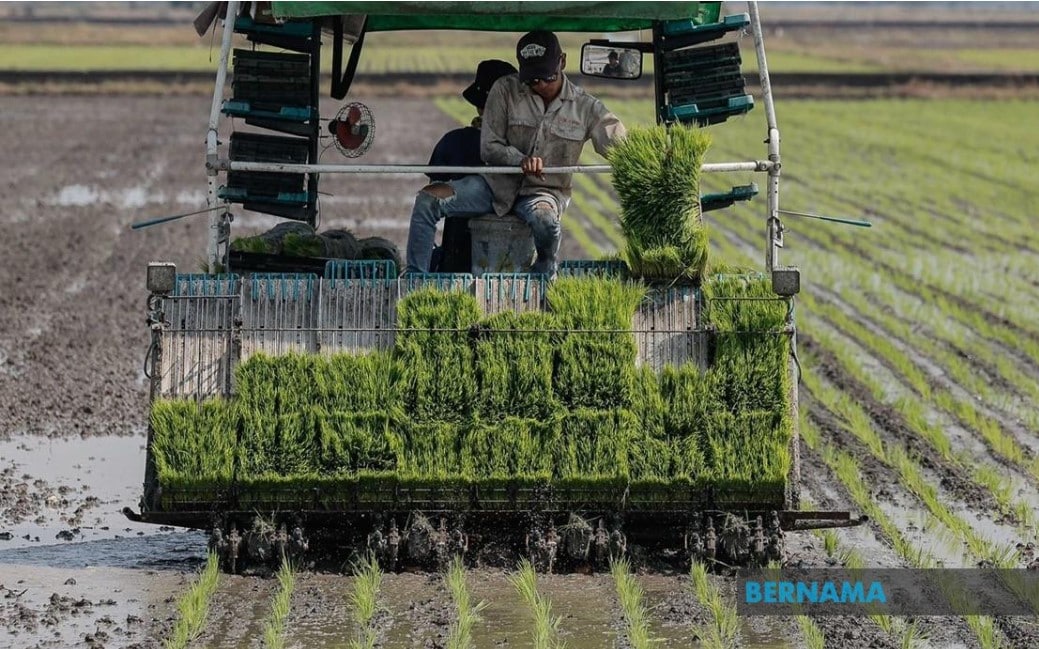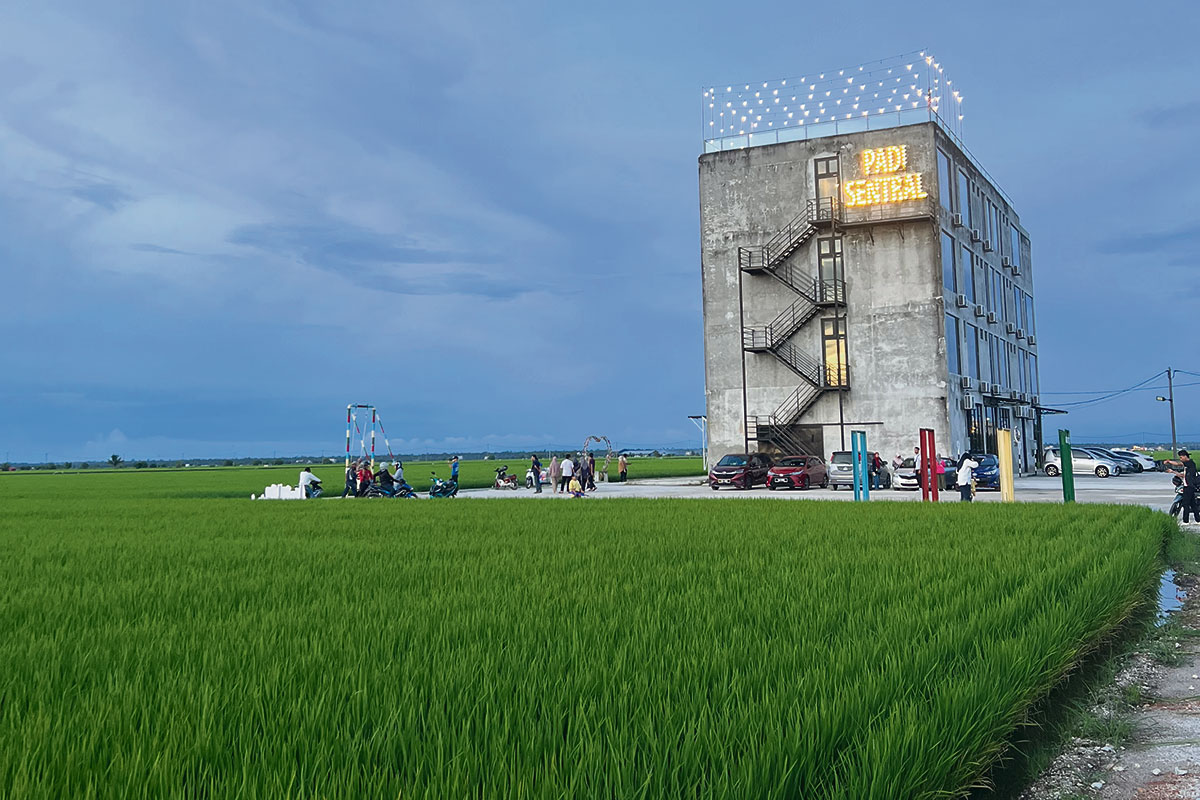
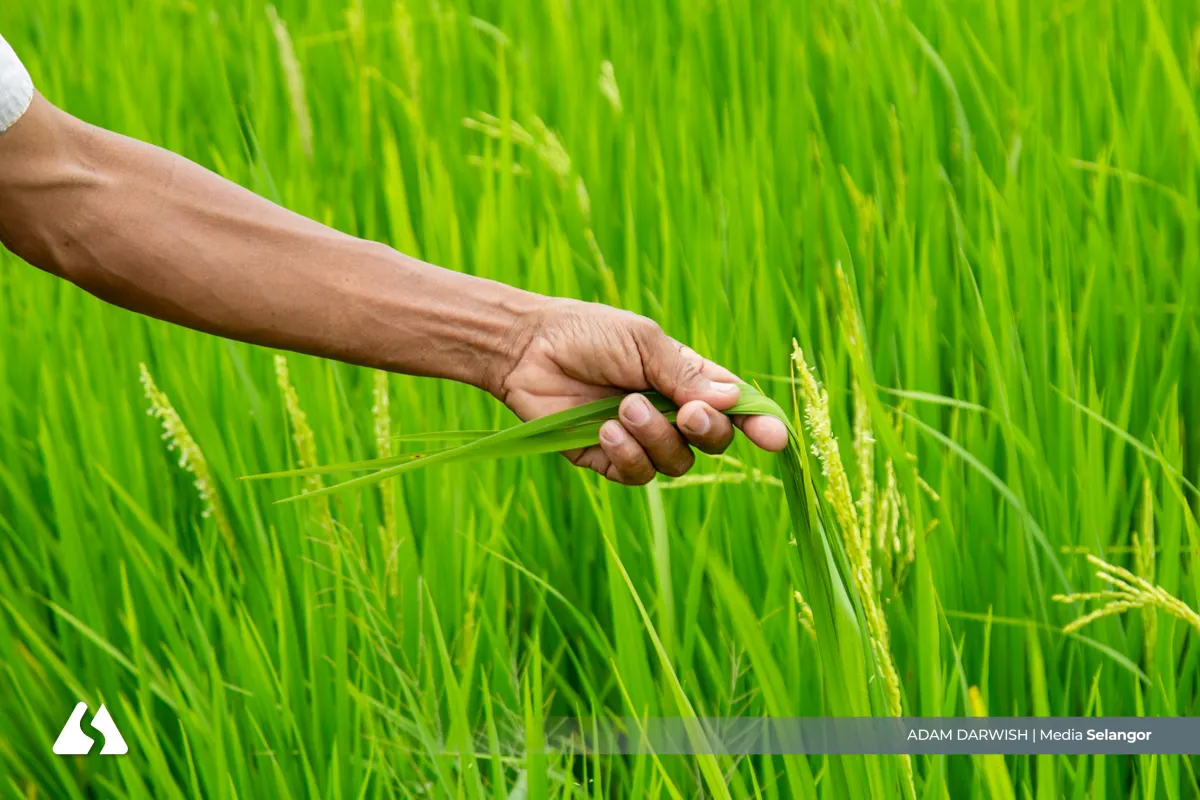
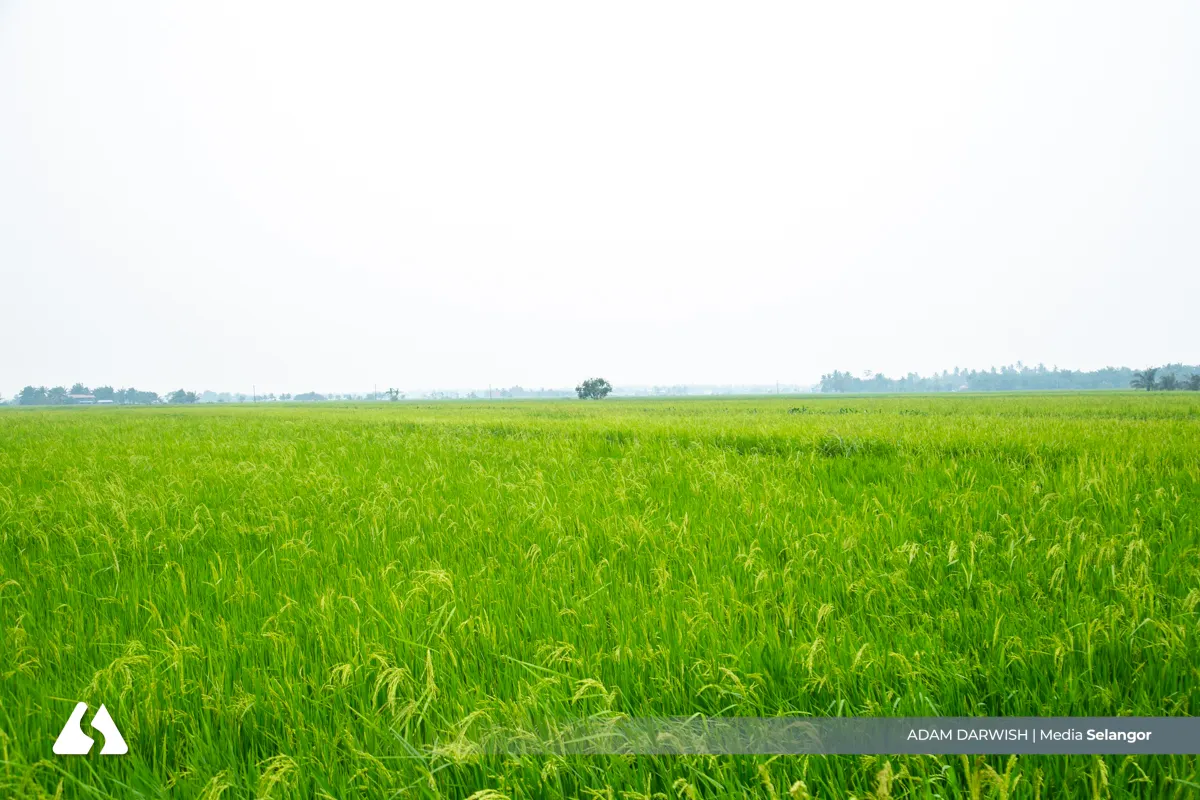
KUALA SELANGOR, Nov 20 — Rising paddy cultivation costs year after year are causing growing concern among rice farmers, as low yields and inadequate returns force some to abandon farming or switch to other crops.
Tanjung Karang's Sawah Sempadan Selatan unit head Saipol Bahri Sahlan said the increase in the paddy purchase floor price to RM1,500 per metric tonne last year, from RM1,300 previously, had done little to ease production costs.
"Input costs are very high now, and when costs rise, our income falls. For example, different pesticides are needed at different stages of cultivation. That does not even include the rising cost of fertilisers.
"These increases have been happening since 2000. Input costs keep rising and never come down. Yet paddy prices fluctuate, while pesticide prices continue to climb," he told Media Selangor.

Despite these challenges, Selangor's paddy industry remains vital to the country's food security plans, recording a produce marketability rate of 99.4 per cent in 2024, the highest in Malaysia.
Saipol Bahri, who has cultivated paddy for more than 30 years, said he had to spend about RM45,000 per season to cultivate four hectares of paddy fields.
Although his paddy yields have not declined, he said his net profit had fallen to around RM1,500 to RM2,000 per plot, compared with RM3,000 five years ago.
Meanwhile, fellow rice farmer Zakaria Ahmad, 58, said he had been forced to take on part-time work operating agricultural machinery to support his family amid declining income.
He said initiatives introduced over the past few years had failed to bring down rising paddy input costs or provide a comprehensive solution.
"If I do nothing, I will go bankrupt. So I bought paddy farming machinery and started offering paid services to other farms that need them.
"I cannot stop being a rice farmer or sell my paddy land because this has been my livelihood since I was young. I have to do something to ensure I continue earning an income," he said.
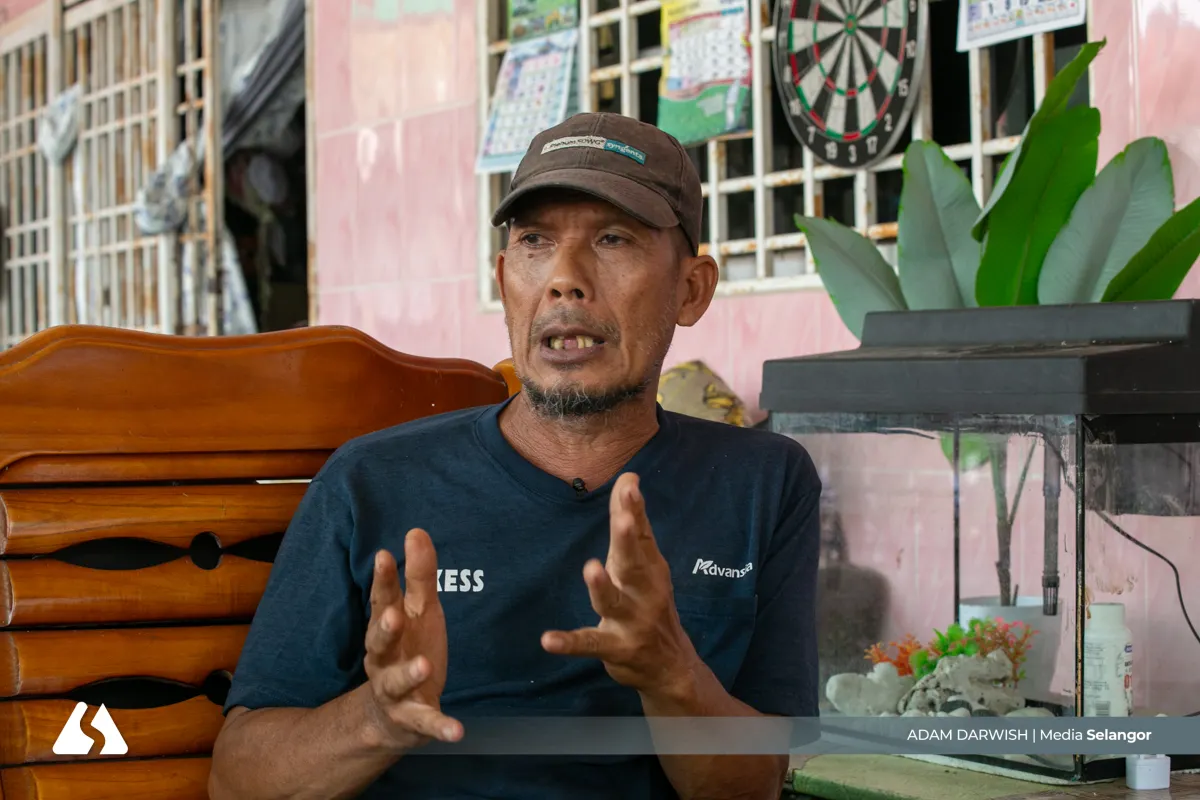
Zakaria urged the government to treat rising paddy input costs as a major national issue to ensure the sustainability of the paddy sector and maintain a stable domestic rice supply.
"The government needs to review and examine rising input costs from every angle. We do receive subsidies, but are those subsidies really reaching the rice farmers?" he said.