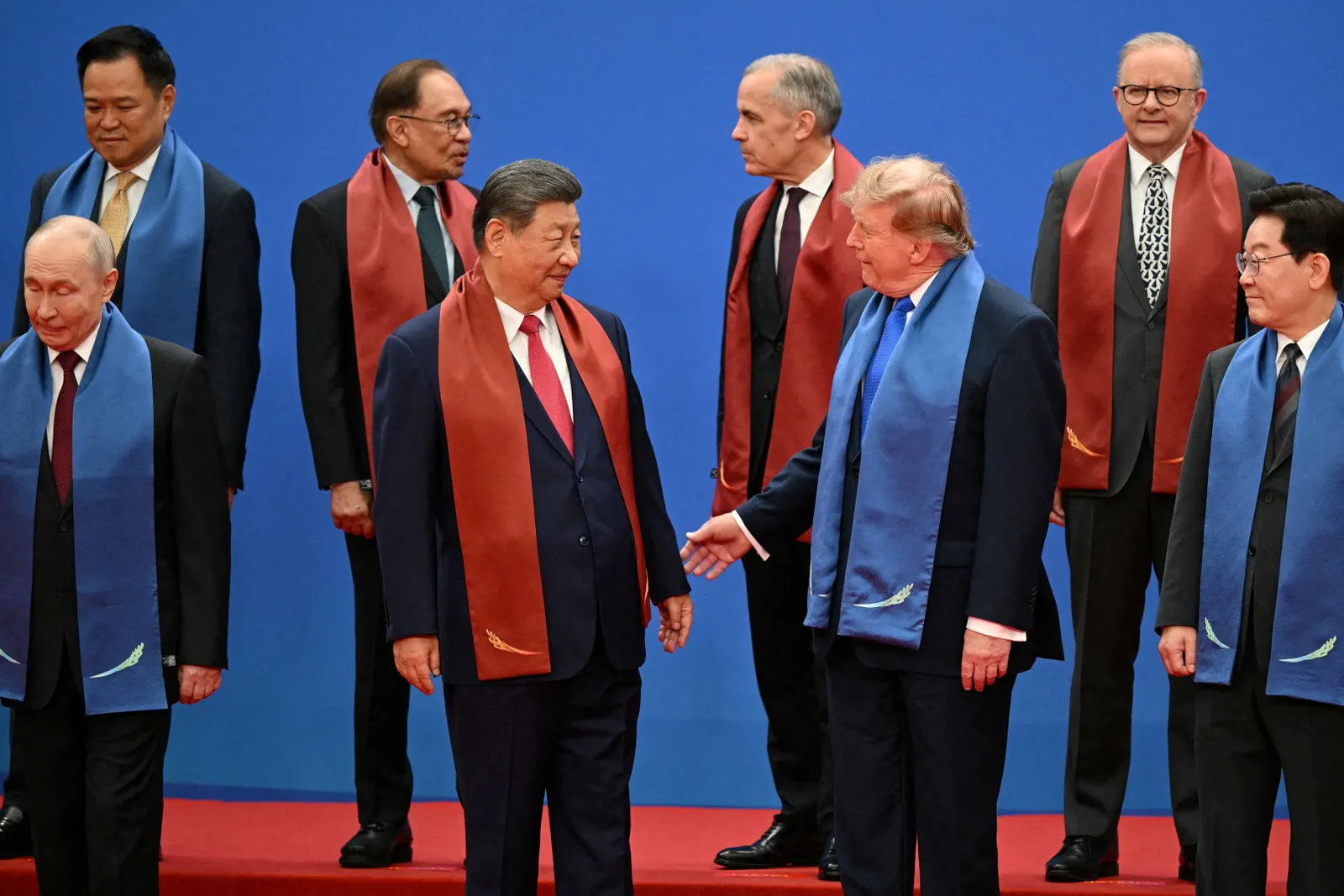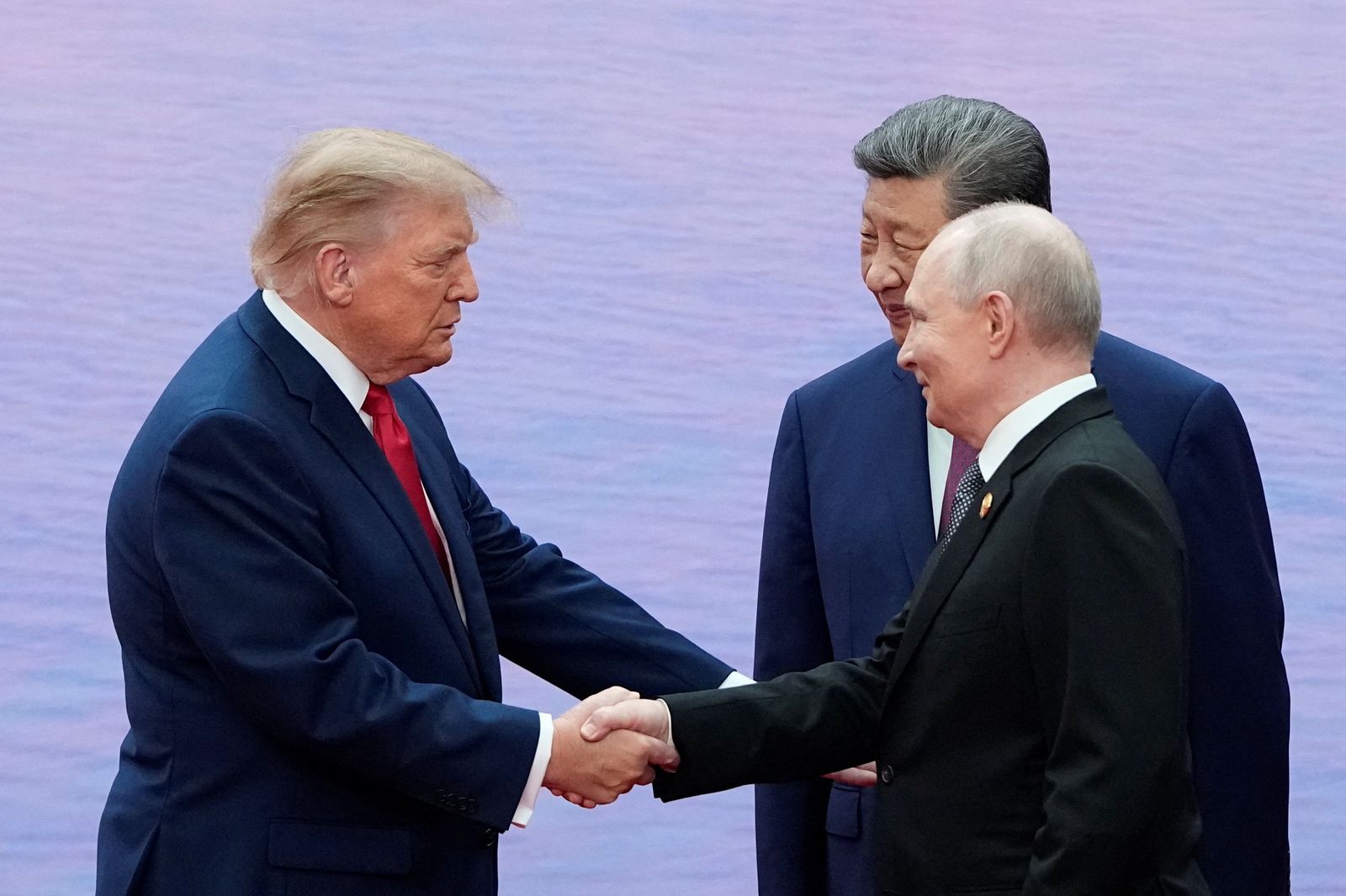
SHENZHEN, Nov 19 — United States President Donald Trump, Russian President Vladimir Putin, and Chinese President Xi Jinping have issued a joint declaration on peace, strategic stability, and international security following a trilateral meeting on the sidelines of the Asia-Pacific Economic Cooperation Economic Leaders’ Meeting today.
The declaration, issued after a 90-minute meeting between the three leaders, outlined their commitment to maintaining strategic stability, strengthening international security, and addressing global challenges through cooperation.
The three leaders also agreed to uphold the principles of international peace and security, reaffirming their roles as permanent members of the United Nations (UN) Security Council.
In the declaration, they committed to reforming the UN to enable the organisation to respond more effectively to global challenges while remaining aligned with its fundamental mission of maintaining international peace and security.
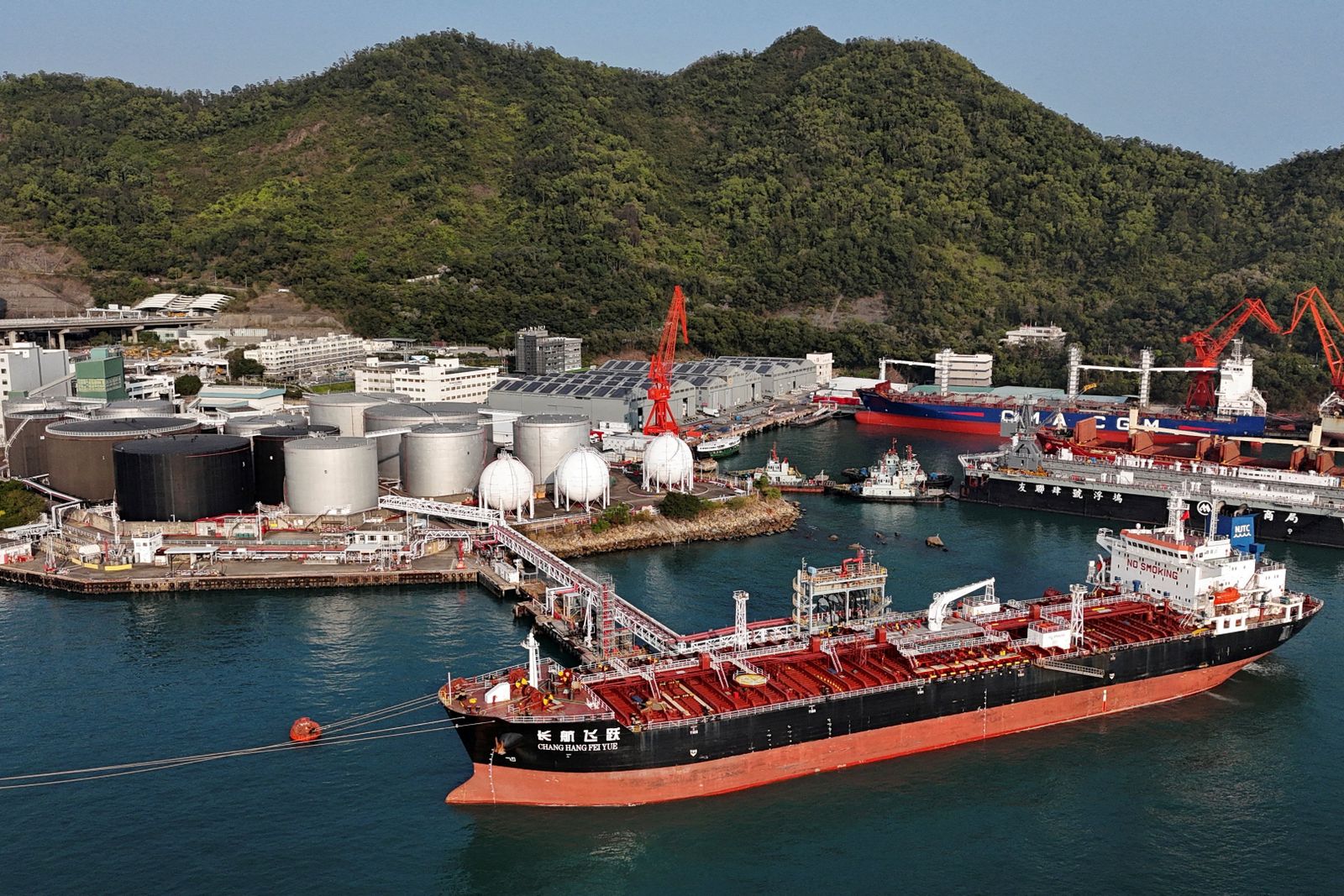
They also pledged to increase the production and supply of refined petroleum products for the benefit of all nations, while reaffirming the importance of maintaining stable energy flows.
On international law and jurisdiction, the leaders recognised the importance of the principle of state consent and respect for immunities of state officials, while agreeing that the International Criminal Court and other similar bodies must not abuse their jurisdiction.
The declaration also reaffirmed their shared position that nuclear war cannot be won and must never be fought.
The three countries agreed to conduct dialogue on reducing nuclear risks and preventing the proliferation of nuclear weapons, underscoring the importance of cooperation in addressing threats to global security.
The trilateral meeting in Shenzhen brought together the leaders of the world's three major powers amid an evolving international landscape. The discussions centred on strategic stability, energy security, multilateral cooperation, and nuclear risk reduction.
However, the declaration did not elaborate on specific mechanisms or timelines for implementing the commitments outlined.