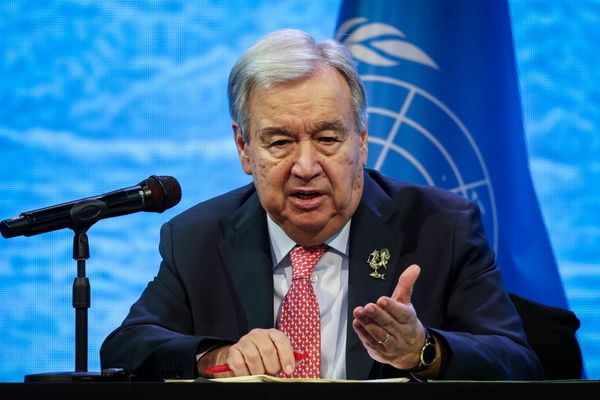

UNITED NATIONS/GENEVA, Nov 19 — With under two months left in António Guterres' term as United Nations (UN) secretary-general and no agreement on a successor, the world body faces a once-unthinkable possibility: it could soon be leaderless
The UN Security Council is expected to hold another secret ballot this week to pick the next UN chief, but after eight rounds of voting, the council’s five veto-wielding members have not agreed on a successor. Officials are scrambling to draft contingency plans in case no one is at the helm when Guterres steps down on December 31.
Analysts say that the failure to pick a successor is partly the result of a long, opaque selection process built on secret ballots that exemplifies the slowness and gridlock the next secretary-general will be expected to cure. The council required six rounds to select Guterres in 2016.
More fundamentally, observers say the stalemate exposes a decline in the veto-wielding powers' willingness to compromise, exacerbated by a United States (US) administration that increasingly sidelines the UN and is distracted by its own foreign entanglements.
“What is worrying is how late in the year this is and what it means for pulling together a team. Given how early all this started, we should not be here," said think tank Security Council Report's executive director Shamala Kandiah Thompson, whose organisation monitors the council.

Grynspan, Nusseibeh among contenders
The contender field includes mostly longtime UN insiders and figures who either have limited global name recognition, like frontrunner Rebeca Grynspan, or, like senior United Arab Emirates (UAE) diplomat Lana Nusseibeh, face pushback over accusations that her country has backed the paramilitary Rapid Support Forces in Sudan’s civil war. The UAE denies this.
Whoever wins will inherit a body facing daunting problems: wars it has struggled to influence, cuts in US contributions, declining political relevance as Washington has pulled out of dozens of UN agencies, and mounting pressure to make the organisation leaner, faster, and more accountable.
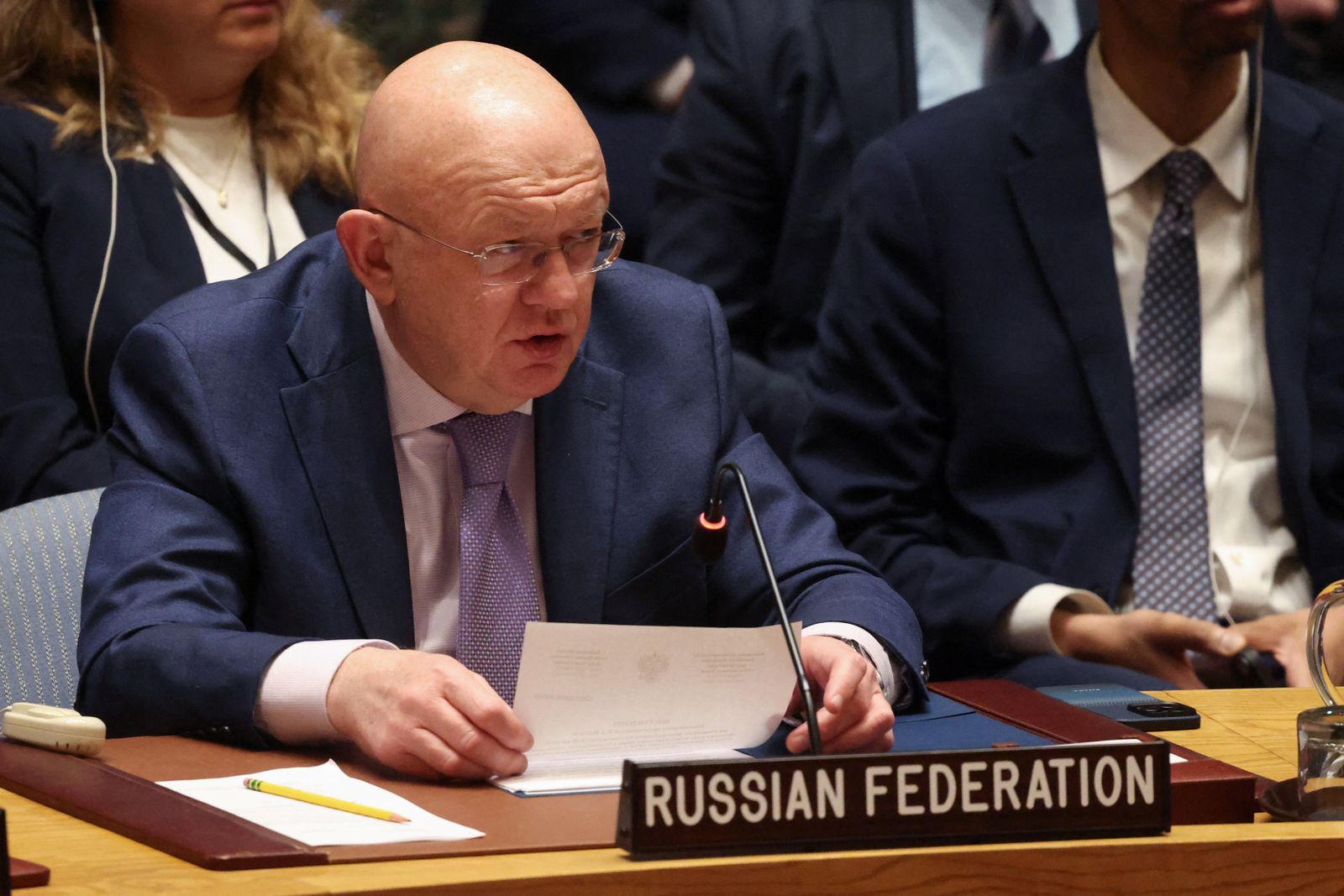
Conflict-prevention think tank International Crisis Group's UN expert Richard Gowan said reaching the end of the year without a secretary-general selected for 2027 “would be excruciatingly embarrassing for the veto powers, and it would give a lot of ammunition to the many UN member states who say that the P5 no longer have the credentials to run this organisation.”
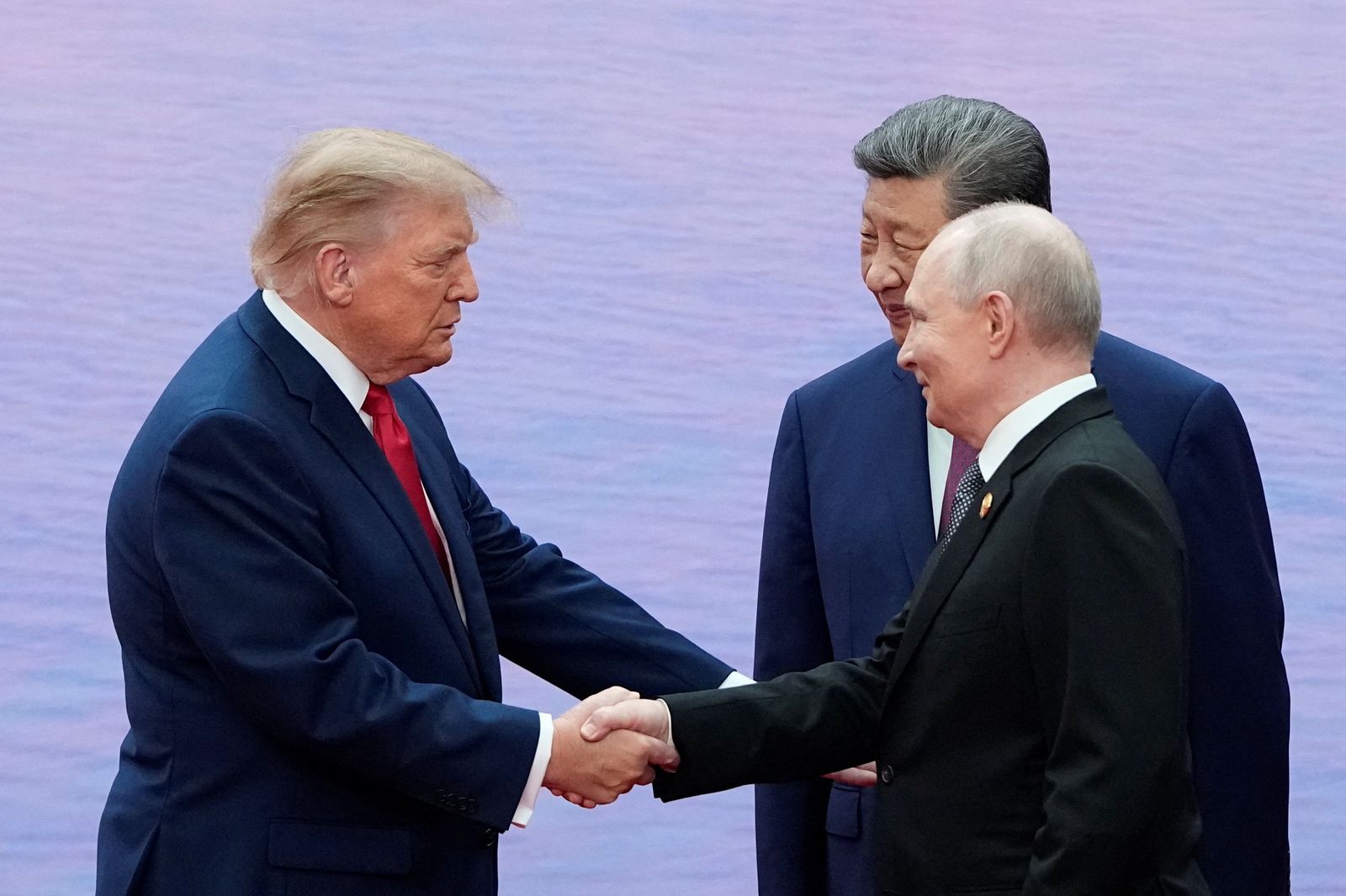
The five permanent members, or P5, received their seats as World War Two victors in 1945. The council’s 10 other members are elected by region for two-year terms. The permanent members — the United Kingdom, China, France, Russia, and the US — have long been united in resisting changes to a structure many UN members say no longer reflects geopolitical reality.
The UN Charter is silent on how to handle a leadership vacancy. A secretary-general has never ended their term without a replacement.
A September briefing by 1 for 8 Billion, a campaign for a more open selection process, mapped the possible routes, from the council naming an acting chief to the General Assembly extending a term on its own. Each faces hurdles, the briefing said, though leaving the UN leaderless would be “highly irresponsible.”
The UN spokesman declined to comment.
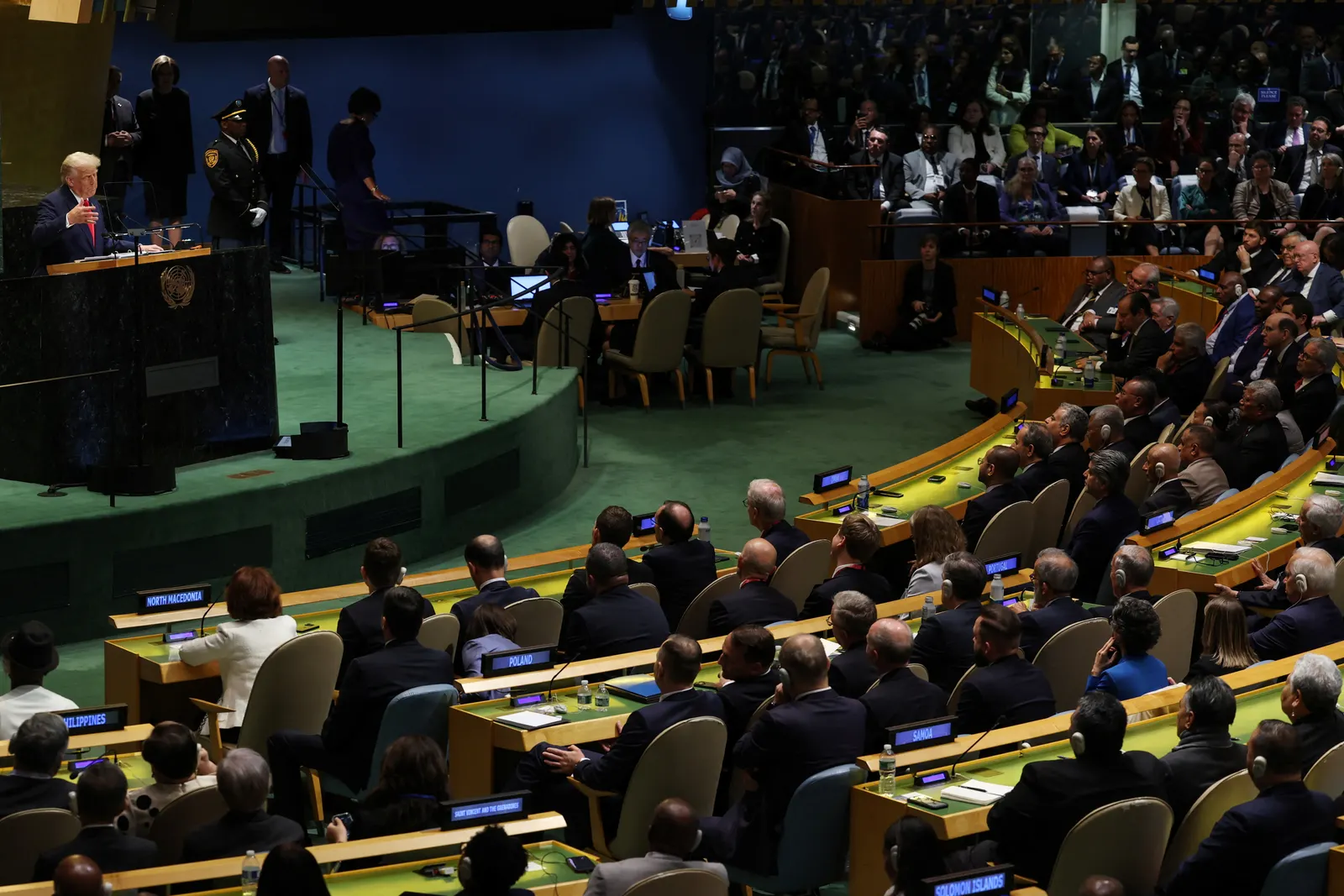
Secret ballots
In an era of artificial intelligence and social media, the selection process is a vestige of an earlier age.
Candidates lobby council members, often for months, to win their governments’ backing. They then face a series of secret straw polls in which members vote “encourage,” “discourage,” or “no opinion.”
The results are not published but leak quickly. Members can hold colour-coded polls in which the permanent members vote with red ballots, revealing the leanings of the real power on the council.
Once a frontrunner emerges, the council votes on a resolution recommending that candidate to the 193-member General Assembly. The resolution needs at least nine of the 15 votes and no veto from a permanent member. The assembly then formally appoints the secretary-general, and it has never rejected the council’s choice.
The council does not disclose the reasons behind the timing and format of the polls, or how individual states voted, to the public that ultimately funds the UN.
“Is this a rational way to select the world’s chief diplomat? Absolutely not," Gowan said.
Yet he noted that a messy process may be the price of a leader the big powers will listen to. Critics say Guterres lacks that influence, having fallen out with both Washington and Moscow.
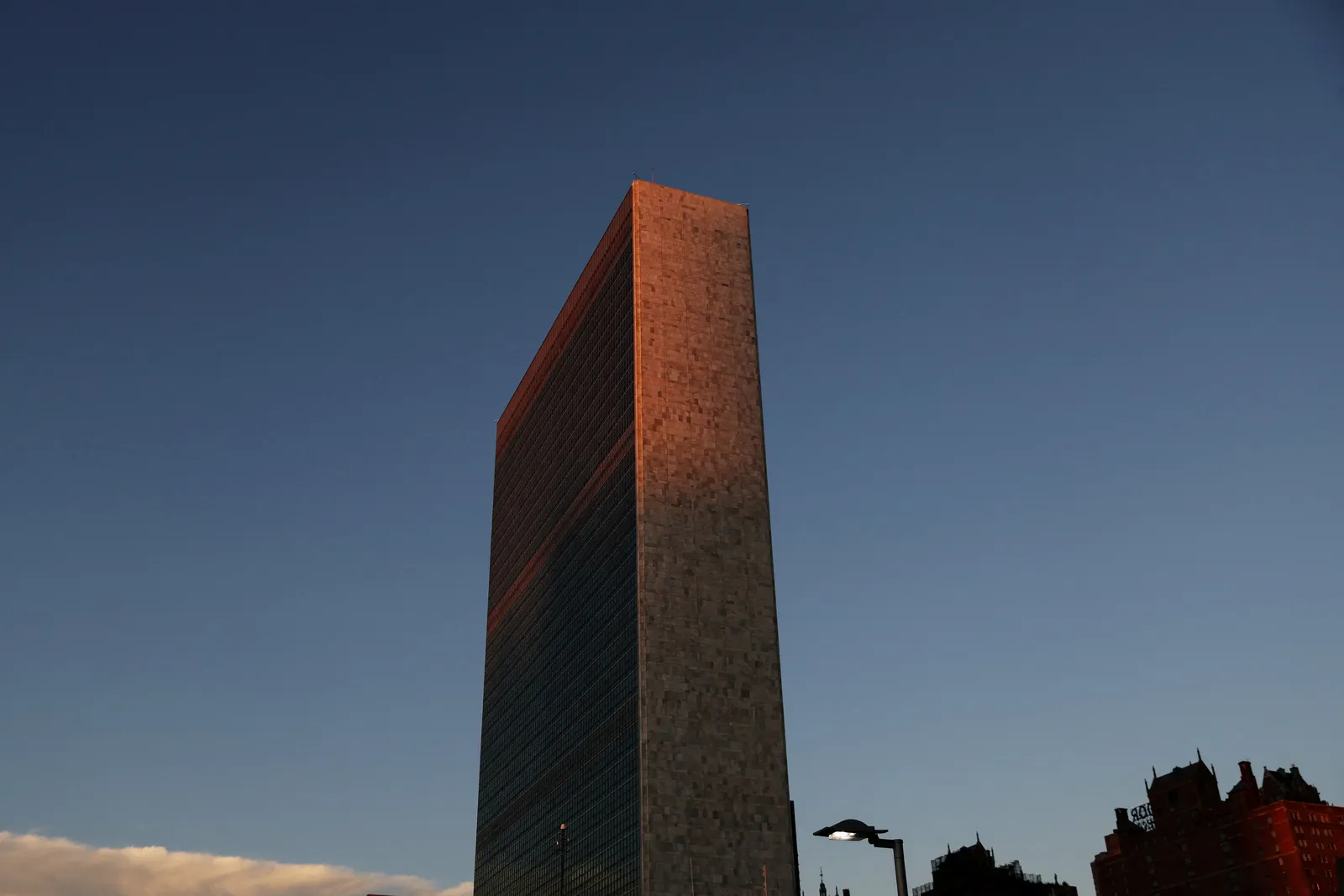
No one in charge
Russia is one of the few members to address the deadline publicly. “It is also unclear what will happen after December 31,” senior Russian Foreign Ministry official Kirill Logvinov told TASS last week.
He added that the options under consideration include temporarily extending Guterres’ term or naming another official.
“As far as I can tell, on January 1, if there is no secretary-general, no one is in charge,” said former UN official Daniel Safran-Hon. The lights would stay on, and the Security Council and General Assembly could keep meeting, at least for a while.
“But it is a bit like a supertanker where the captain dies: the first officer can do lots of things, but there are certain things you cannot do. You cannot do senior appointments; you cannot do the budget," he said.