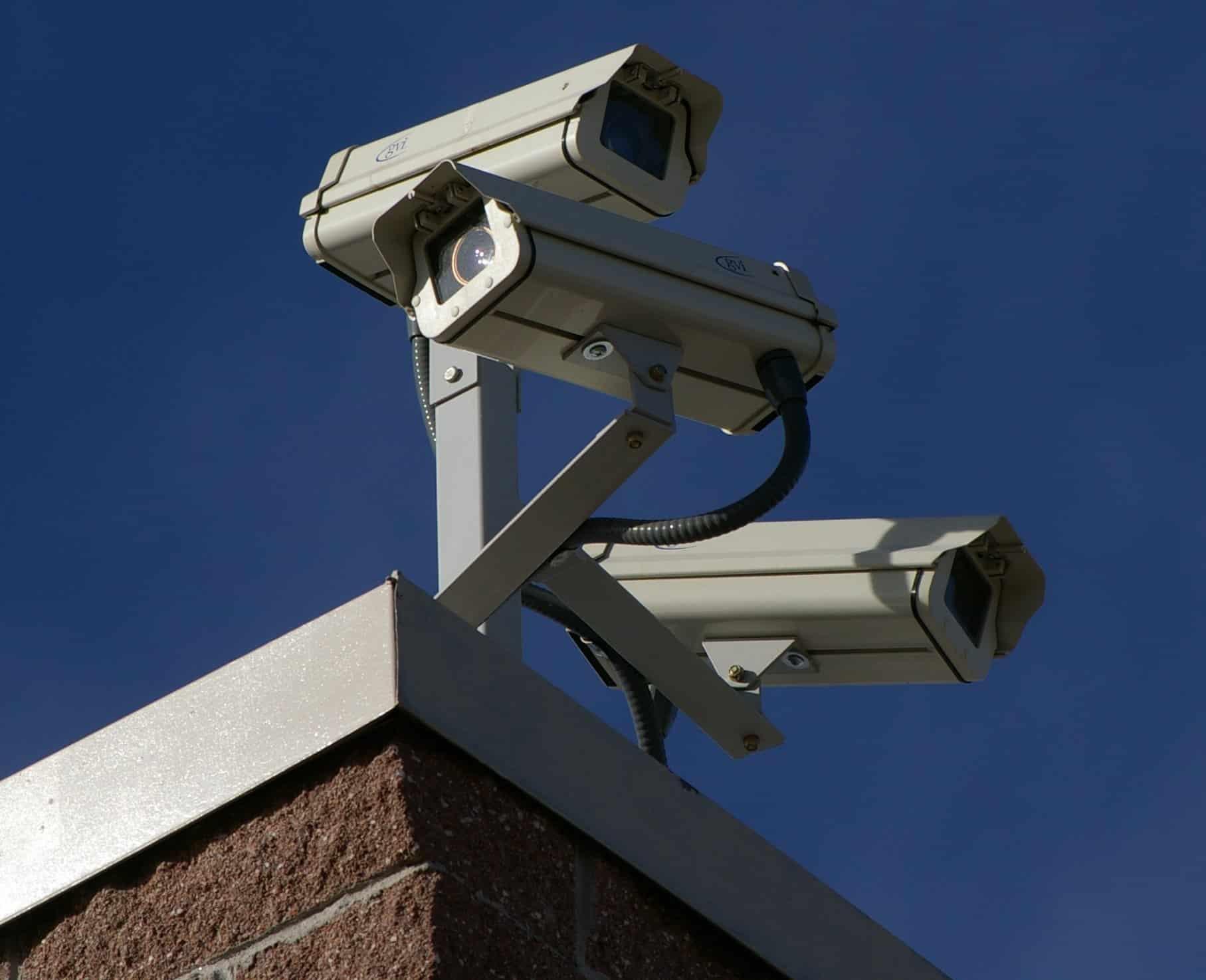
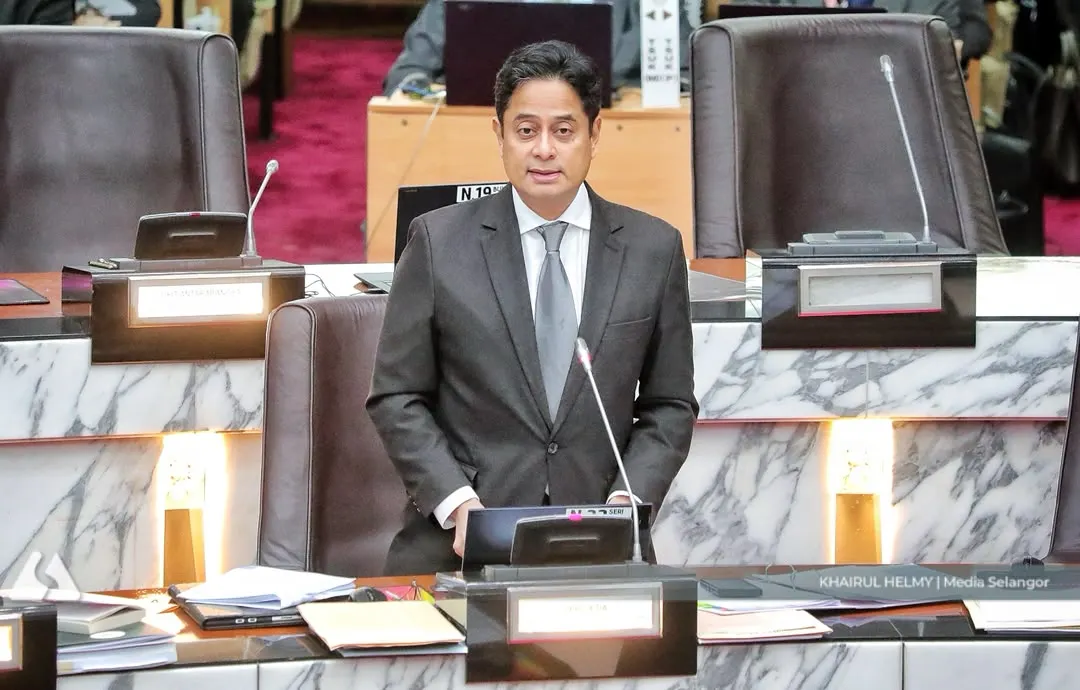


SHAH ALAM, Nov 19 — The state government will install 250 additional artificial intelligence (AI)-powered short-circuit television (CCTV) units across Selangor by March 2027, the State Legislative Assembly heard today.
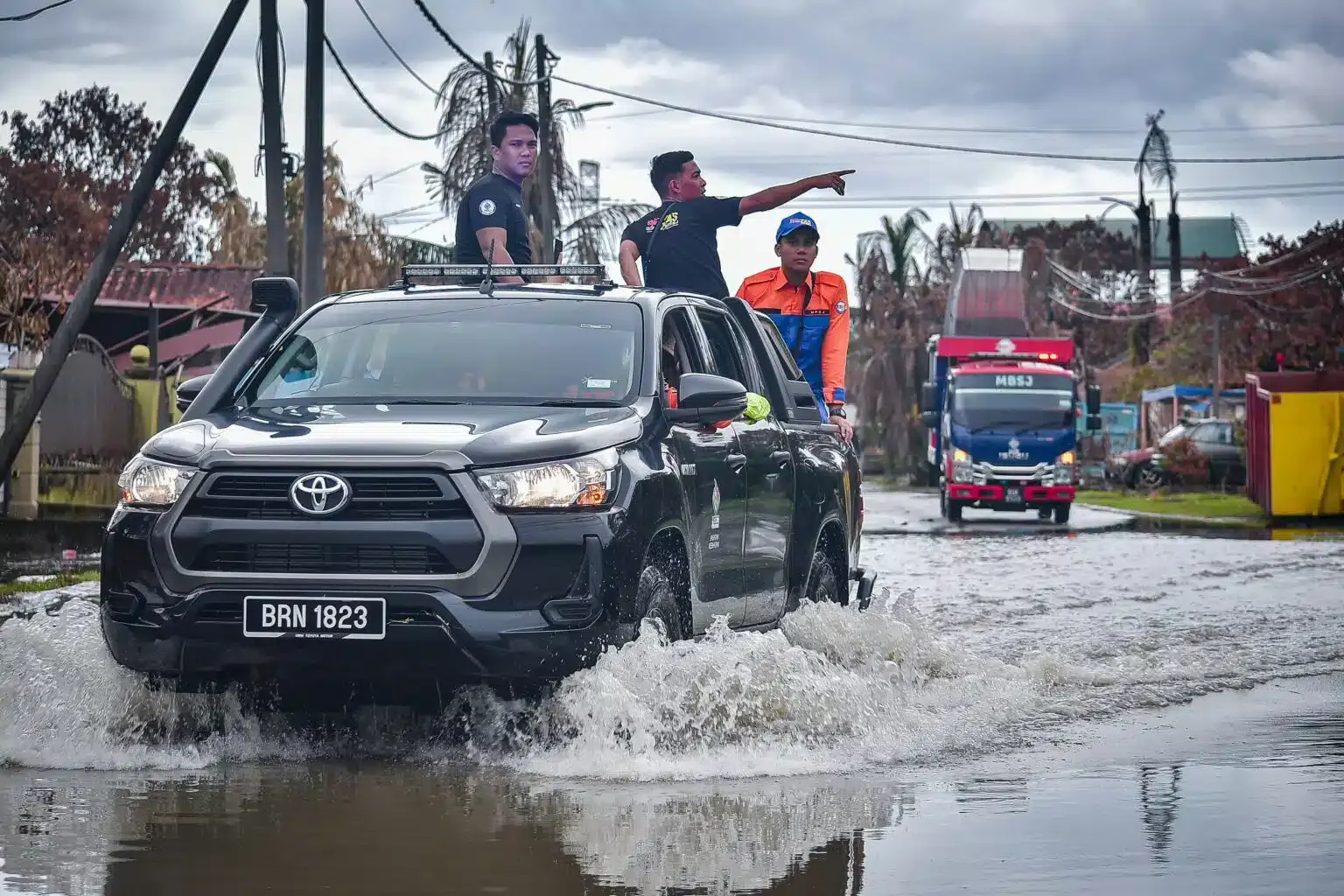
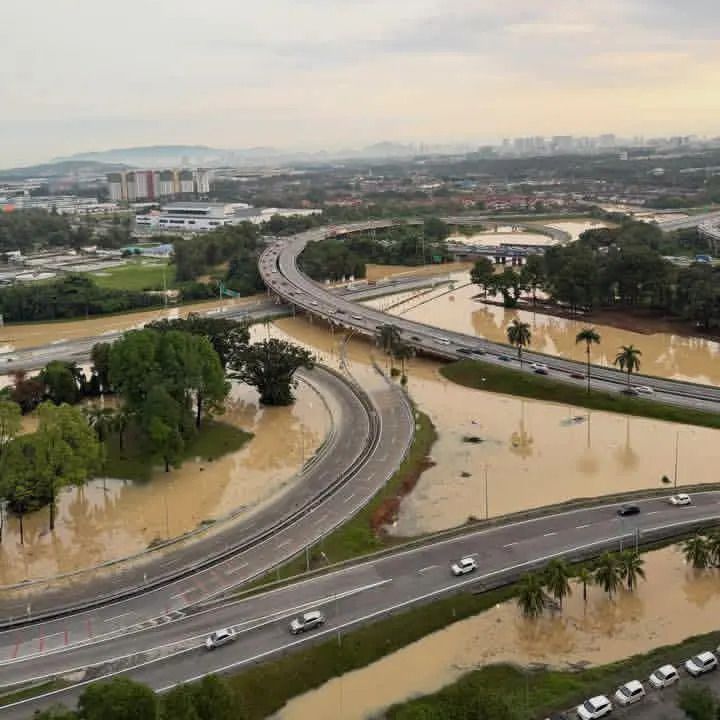
State executive councillor for Islamic affairs and innovation culture Dr Mohammad Fahmi Ngah said the installation is expected to be completed by March, prioritising areas prone to flooding, illegal dumping, and traffic congestion.
“The locations of the 250 CCTV units will be jointly determined by local authorities and the Royal Malaysia Police (PDRM). This is one of the improvements we are currently implementing,” he said during the questions and answer session.
Fahmi was responding to Kota Kemuning state assemblyman Preakas Sampunathan’s query on whether existing CCTV installations in his state constituency have been integrated with AI technology.
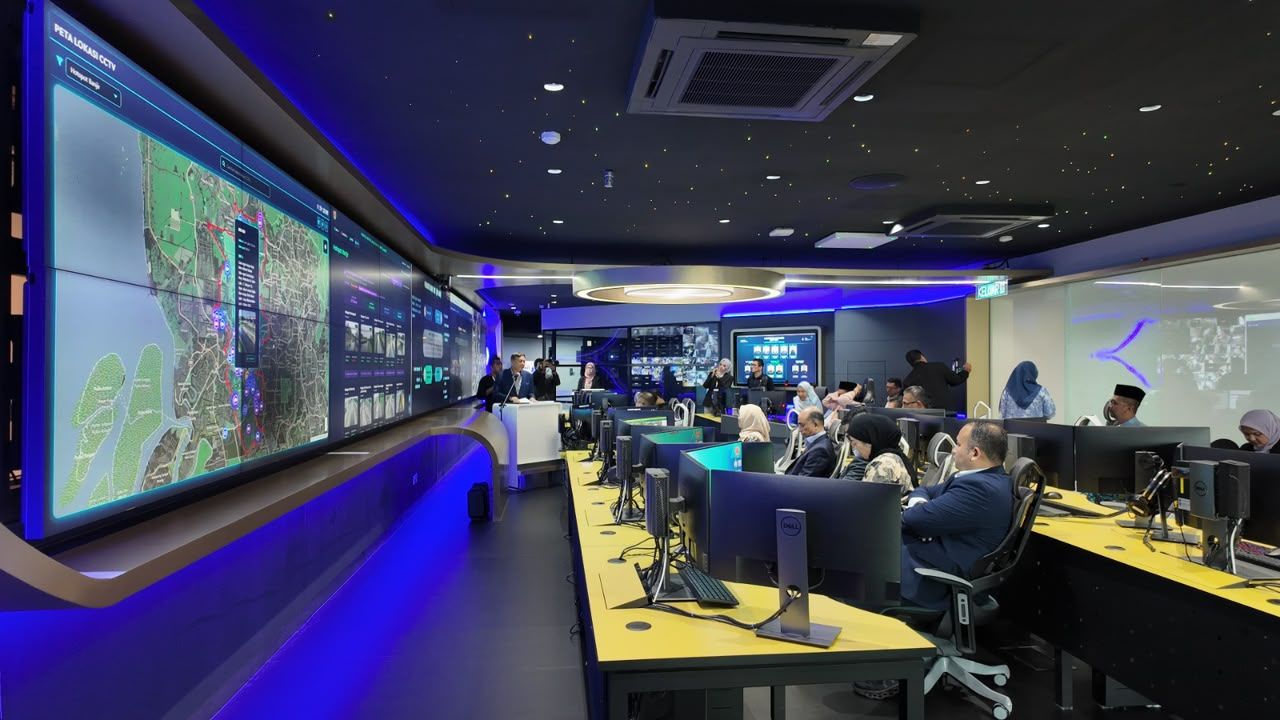
He added that presently, 1,781 CCTV units have been installed statewide to monitor public safety, flood risks, and illegal dumping, of which 872 are equipped with AI capabilities.
The additional 250 units will bring the total to 2,031, including 1,122 AI-enabled cameras, surpassing Selangor’s target of 2,000 CCTV units by 2030.
On traffic management, Fahmi said the CCTV cameras are being used to collect data on traffic flow along certain roads, which could support a data-driven traffic management system.
However, implementing such a system remains challenging as roads in Selangor fall under various jurisdictions and are managed by different authorities.
"Each road authority has its own traffic controllers and mechanisms for optimising traffic light timings.
"Therefore, all this hardware must first be integrated before a smarter and more efficient Al system can be introduced,” he said.
Earlier, Fahmi said the installed CCTV cameras are equipped with capabilities such as vehicle number plate recognition, crowd density and vehicle counting, illegal dumping detection, waste monitoring, and early detection of flash floods and landslide risks.
Information and footage captured by the cameras will be channelled to the relevant departments or agencies to facilitate follow-up action within their respective jurisdictions.
“For incidents involving criminal elements, CCTV information and footage can be shared with PDRM to assist investigations and enforcement action.
“Meanwhile, flood risk monitoring data can help coordinate preparedness and early response by disaster management agencies, while the detection of illegal dumping activities allows local authorities to investigate and take enforcement action against those involved,” he said.