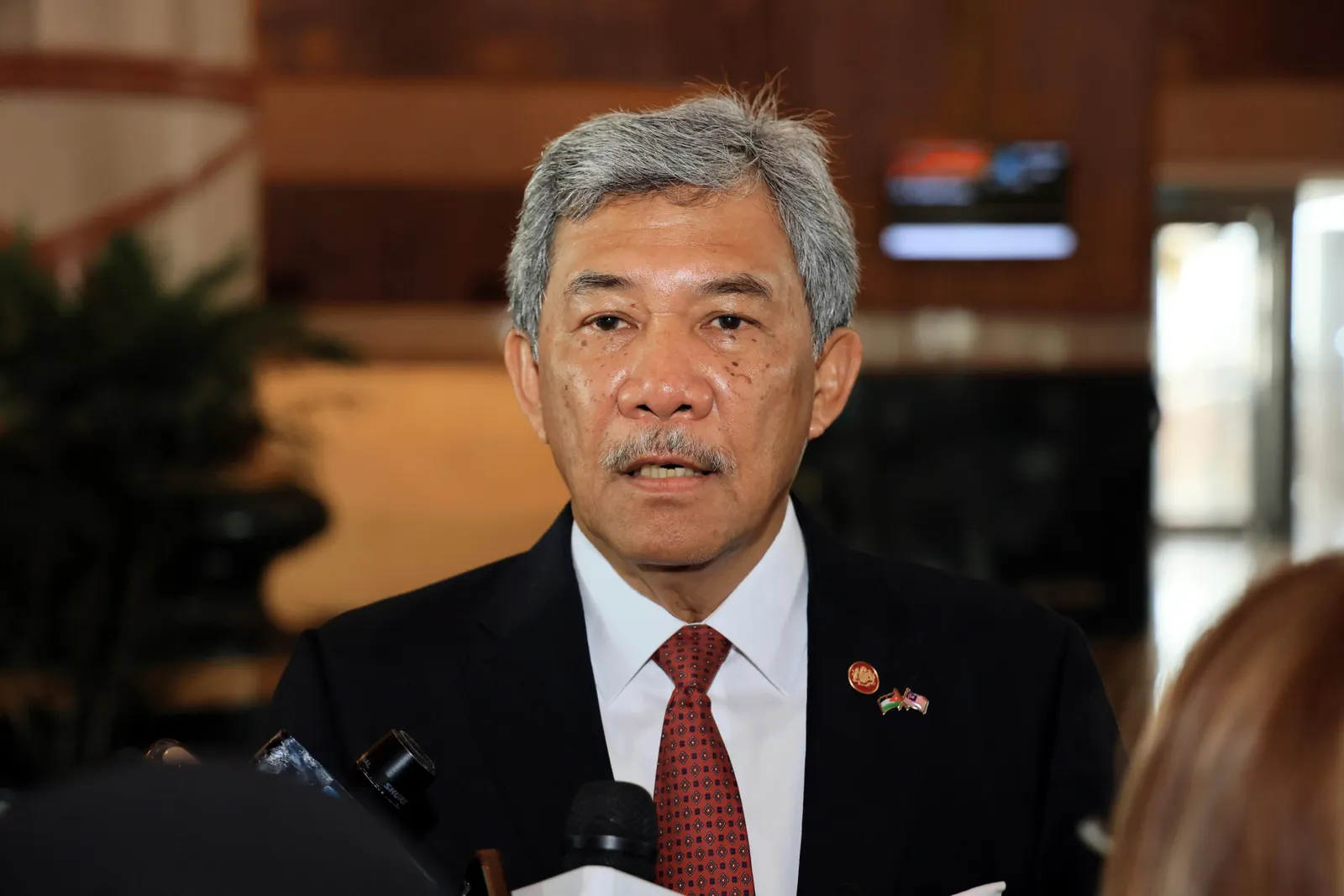

MANILA, Nov 14 — Malaysia is calling for a more proactive, coordinated ASEAN response to transboundary haze, as well as proposals for scientific cooperation and a Sustainable Haze Fund, said Foreign Minister Datuk Seri Mohamad Hasan.
He said deteriorating air quality, including unhealthy and hazardous levels in several areas, posed serious risks to public health, livelihoods and daily activities, particularly among vulnerable populations.
“ASEAN must pursue a more proactive and coordinated regional response, anchored in the effective implementation of the ASEAN Agreement on Transboundary Haze Pollution.
“Complementing these efforts, Malaysia has advanced proposals on Science Diplomacy and a Sustainable Haze Fund, to strengthen scientific cooperation, sustainable financing, and collective response to transboundary haze pollution,” he said in his intervention at the ASEAN Foreign Ministers’ Meeting (AMM) here today.
Mohamad called for the ratification of the ASEAN Coordinating Centre for Transboundary Haze Pollution Control, saying its early deployment is essential to improving regional preparedness and responsiveness.
Mohamad expressed appreciation for Indonesia’s ongoing efforts to contain land and forest fires in Kalimantan and Sumatra that caused severe transboundary haze in parts of the region. He acknowledged the difficulties posed by the prevailing El Nino conditions, unpredictable weather, and the remoteness of affected areas.
“Malaysia would pursue its proposals at the Conference of the Parties to the ASEAN Agreement on Transboundary Haze Pollution in December, as well as through its chairmanship of the Ministerial Steering Committee on Transboundary Haze Pollution in 2027,” he said.
On broader regional cooperation, Mohamad also said ASEAN must strengthen consensus and safeguard its centrality amid growing geopolitical and economic fragmentation, including increasingly complex cross-border security threats.
“United, ASEAN must continue to build and secure the region’s rules-based architecture, and remain as a voice of reason,” he said.
Mohamad emphasised that diversifying supply chains, deepening intra-ASEAN trade, and strengthening regional production networks remained paramount for the bloc’s resilience.
He said Malaysia welcomes the ASEAN Digital Economy Framework Agreement (DEFA) as a catalyst for digital connectivity, trade expansion and regional competitiveness.
On ASEAN-China relations, he also said the upcoming summit is expected to adopt joint statements marking the fifth anniversary of their Comprehensive Strategic Partnership and establishing an energy cooperation partnership, while noting China’s proposal to designate 2027 as the ASEAN-China Year of AI Cooperation.
On ASEAN-Turkiye relations, Mohamad called for the timely conclusion of a comprehensive and forward-looking Plan of Action (POA).
“We must ensure the new POA delivers tangible outcomes, in areas of mutual interests, such as trade facilitation, supply chain resilience and defence industry cooperation,” he said.