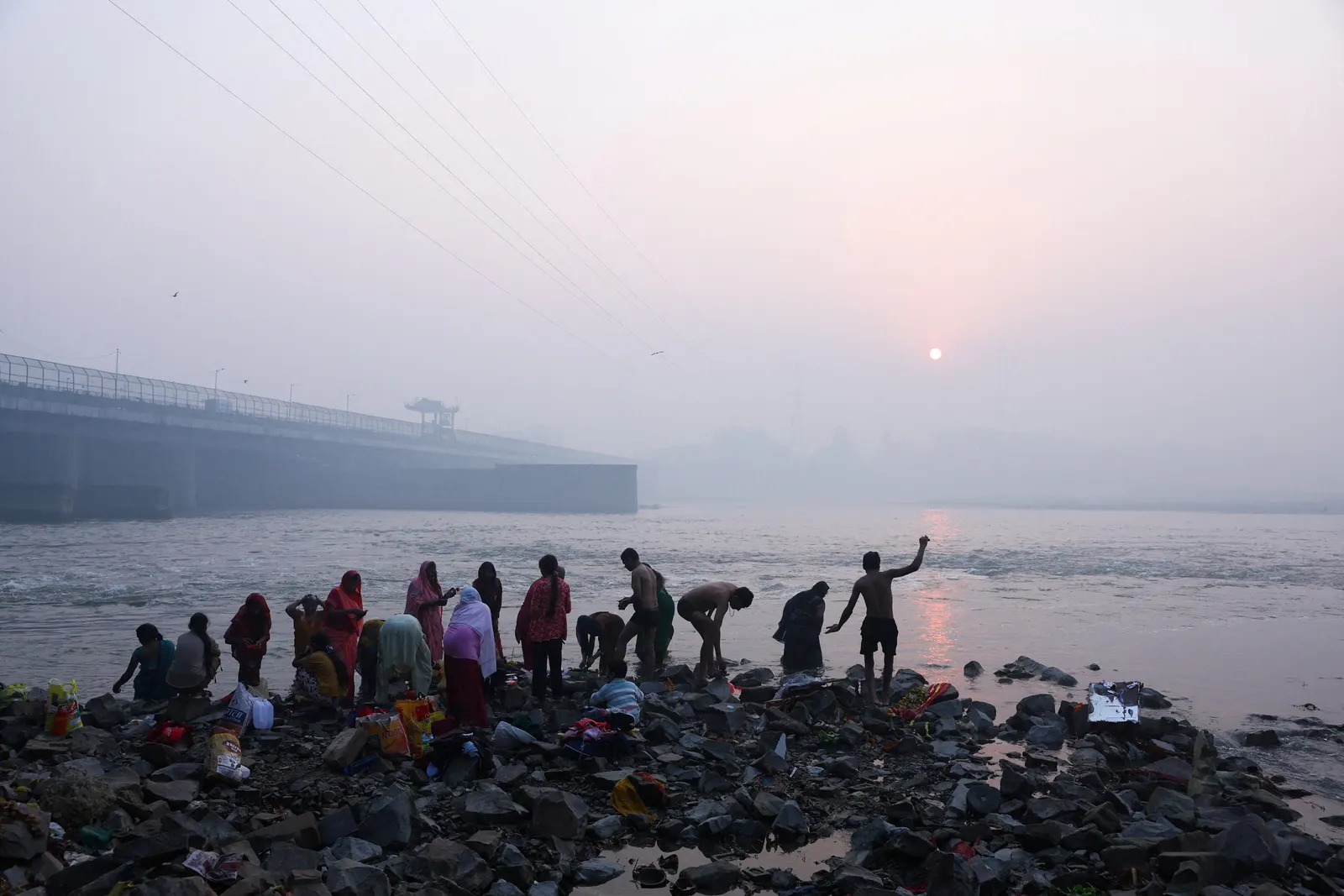
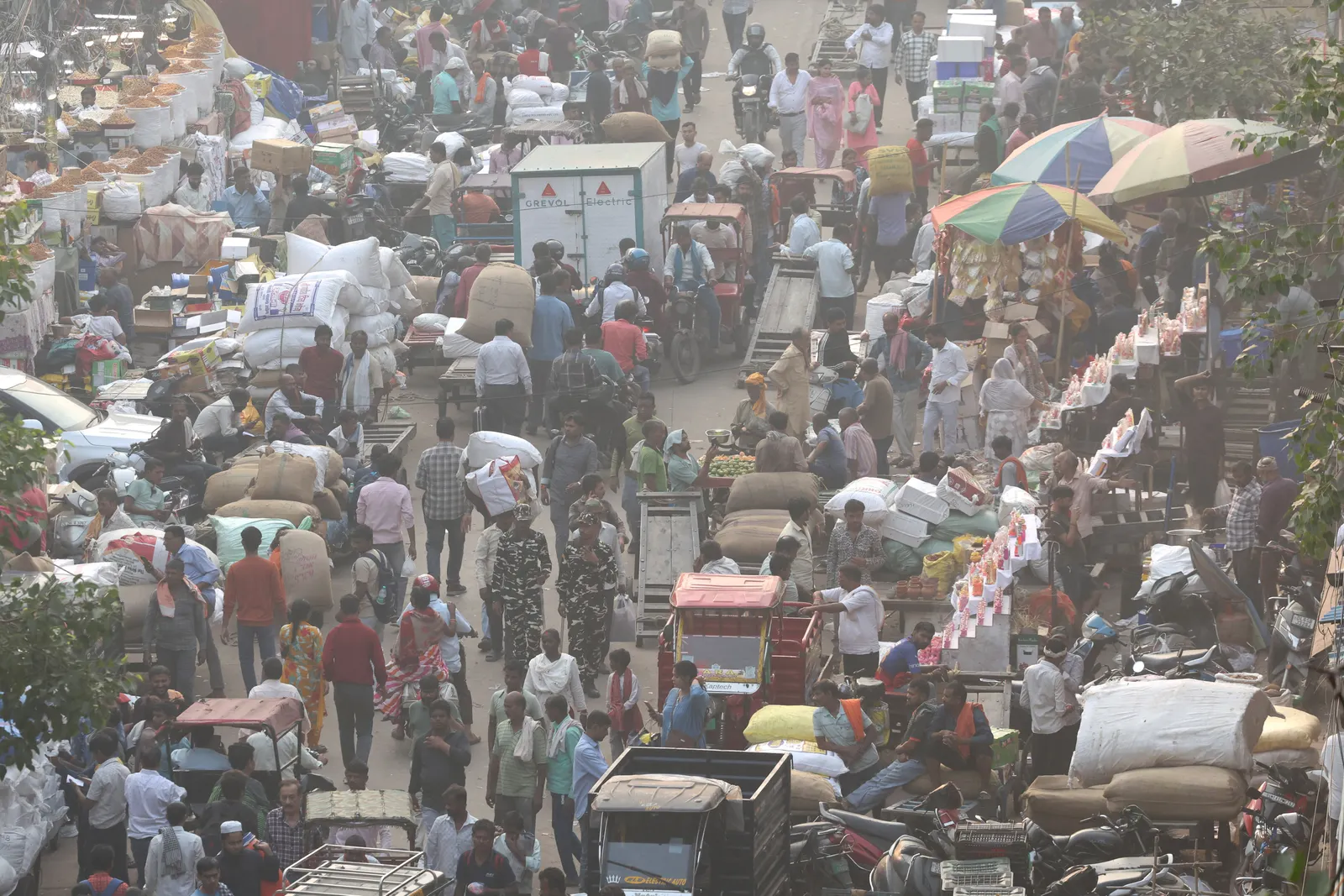
NEW DELHI/LAHORE, Nov 6 — India has ordered schools in and around Delhi to offer online classes, and encouraged people to work from home and postpone private gatherings, as air quality in the capital and surrounding areas deteriorated sharply today.
The curbs come ahead of Diwali or Deepavali, the Hindu festival of lights, which will be celebrated on Sunday (November 8) and is usually marked by the widespread use of firecrackers that further worsens the air quality.
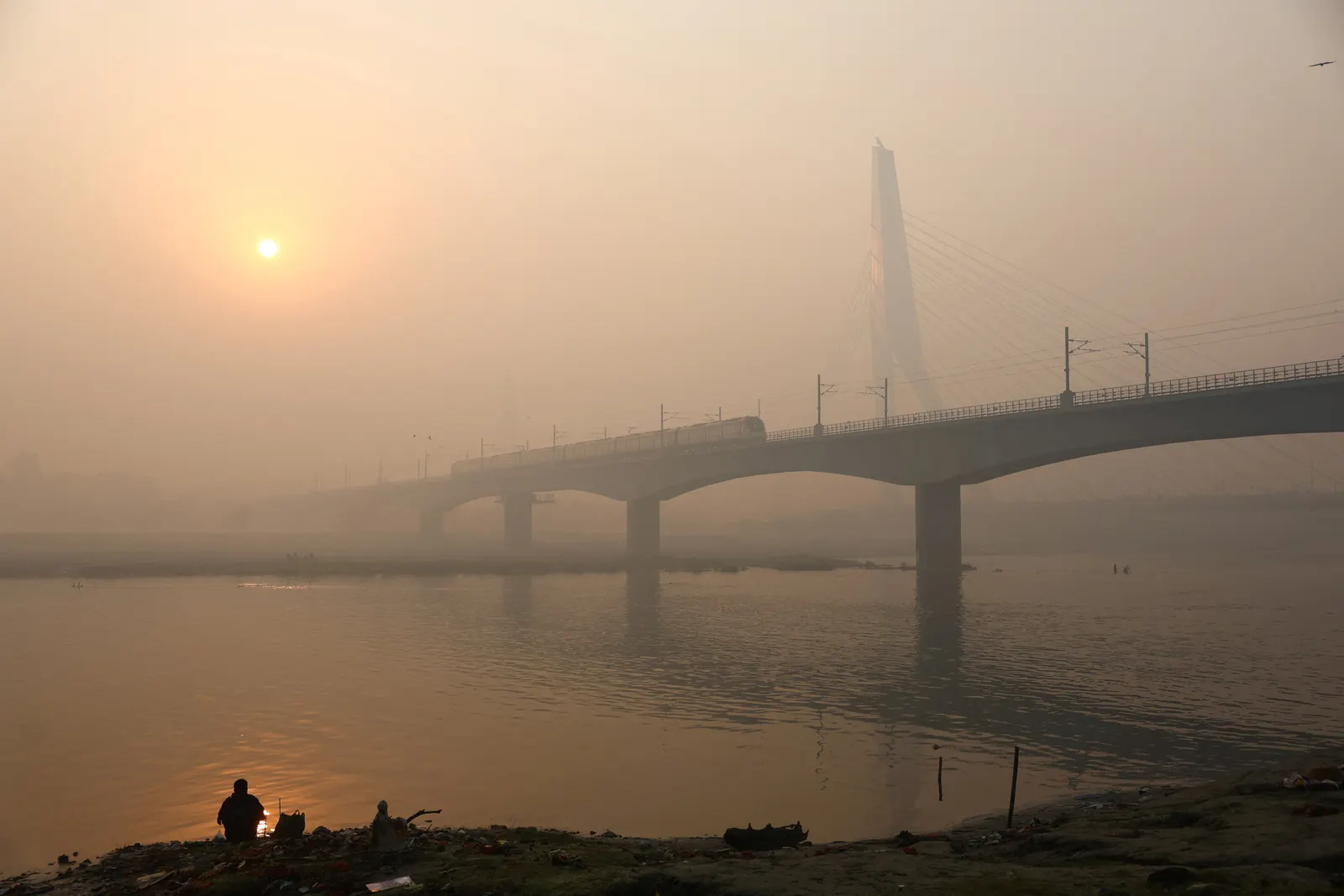
Pollution is an annual problem in many parts of northern India from the onset of winter as cold, heavy air traps vehicle emissions, construction dust, and smoke from crop waste burning.
The problem is exacerbated in big cities such as Delhi — home to 20 million people — due to a high number of vehicles and construction activity, leaving many residents battling respiratory problems.
Swiss group IQAir often ranks it as the world's most polluted city each winter, measuring air quality by toxin concentrations.
The Central Pollution Control Board's data revealed that earlier today, the capital recorded an air quality index of 382. It considers an AQI of up to 50 to be 'good'.
The Commission for Air Quality Management imposed the restrictions under a graded action plan, which mandates stronger curbs as pollution levels spike.
Its order also urged local governments in Delhi and surrounding regions to consider allowing companies and government offices to let half of their workers work from home.
Air quality to worsen further, minister says
In its order, the commission said that unfavourable meteorological conditions worsened air quality, with forecasts indicating it could slip into the 'severe' category in the coming days.
"From tomorrow, the weather is going to become worse; winds will completely stop, which will worsen the AQI," Delhi Environment Minister Manjinder Singh Sirsa said in a statement.
Meanwhile, residents said the toxic air was impacting their health.
"The pollution makes it hard to breathe, and also makes me feel anxious...I also feel a pinching sensation in my eyes," said Sarvesh, a Delhi local who gave only his first name.
In neighbouring Pakistan, the city of Lahore has also been battling a spike in pollution this week, but officials said the air quality had improved today, recording a reading of 149, down from 312 the previous day.
"The decline in air pollution is the result of an effective strategy, continuous monitoring, field enforcement, as well as changes in weather conditions and wind speed," senior provincial minister Maryam Aurangzeb said.