

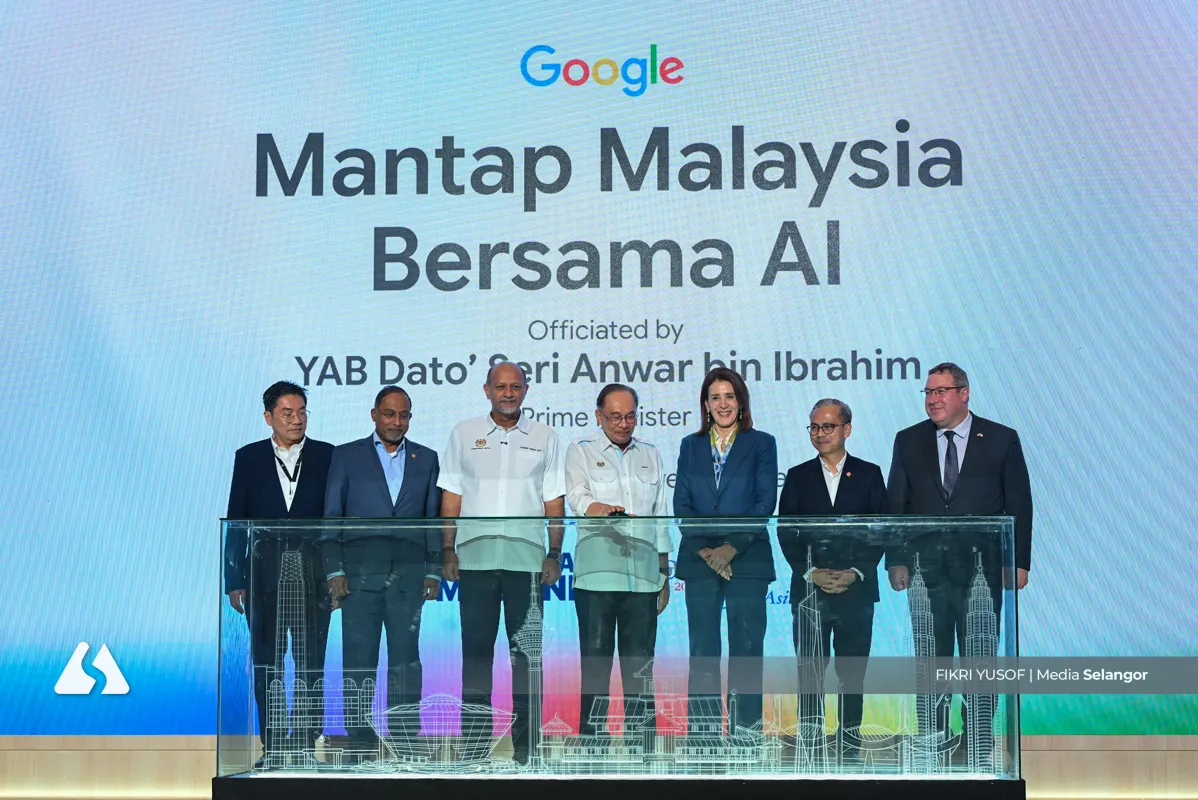
KUALA LUMPUR, Nov 4 — Google’s US$15 billion (RM60.9 billion) investment in Malaysia over the next two years is expected to generate about 37,000 jobs annually during the construction phase, while contributing an average of US$1.1 billion to the country’s gross domestic product (GDP) each year.
Alphabet and Google president and chief investment officer Ruth Porat said the 2027-2028 investment builds on the company’s over-15-year presence in Malaysia and reflects its commitment to supporting the country’s digital infrastructure and economic growth.
“Google is working with more than 80 Malaysian entities across construction, civil engineering, network infrastructure, power and cooling systems, as well as logistics and other services.
“The collaboration is expected to continue throughout the data centres’ multi-decade operational lifespan, allowing local suppliers to strengthen their expertise, move up the value chain and compete in international markets.
“Google is committed to growing our presence responsibly, delivering lasting value for Malaysia’s economy and people,” she said at the Mantap Malaysia Bersama AI event at Universiti Malaya here today.
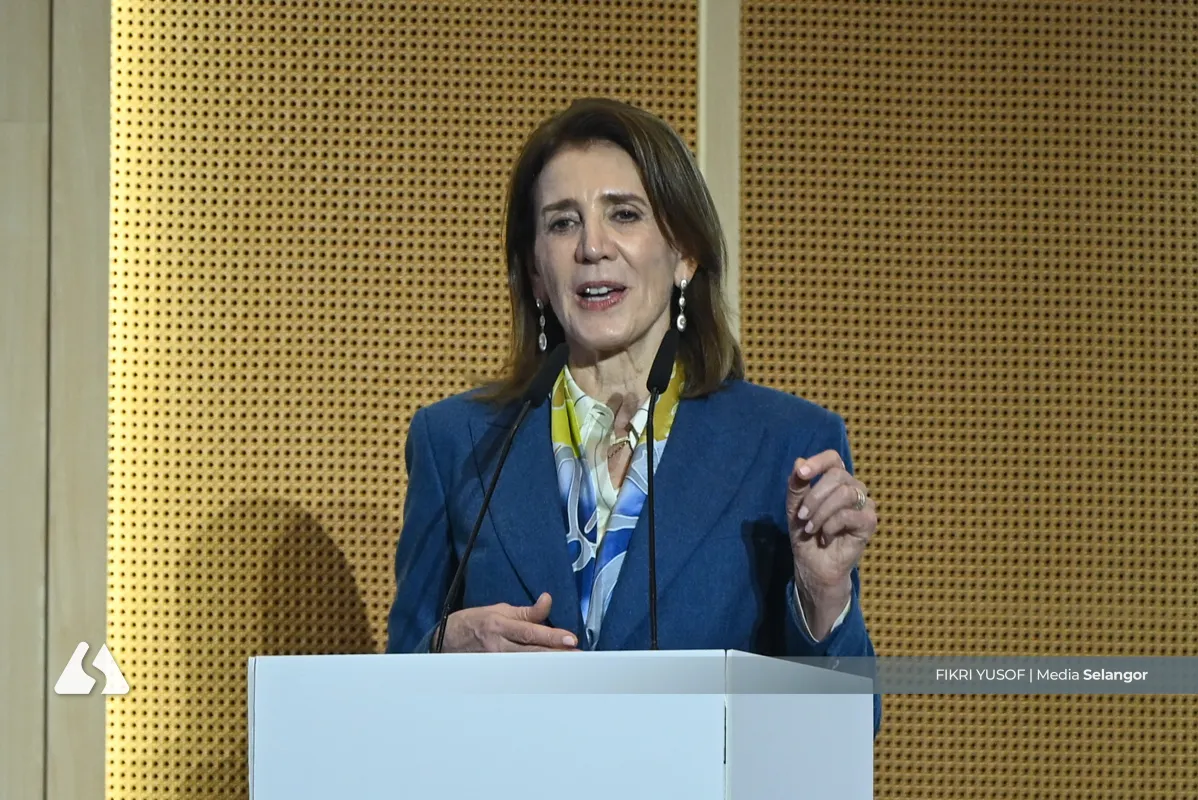
Porat added that the construction phase of Google’s new campuses between 2027 and 2028 is expected to generate an average annual labour income of US$378 million, with about 6,000 of the jobs in construction.
Once operational, the facilities are set to sustain more than 9,000 local jobs annually, with wages averaging 45 per cent above the national median.
“Google also aims to upskill about 800,000 Malaysians between 2027 and 2031 through four new programmes targeting educators and youth, microentrepreneurs, civil servants and vocational jobseekers,” she said.
Meanwhile, Digital Minister Gobind Singh Deo said Malaysia is entering the next phase of its digital transformation, supported by investments in data centres, AI computing infrastructure, and its established semiconductor and electronics industries.
He said these investments would provide a foundation for Malaysia’s ambition to become an AI nation by 2030, while stressing the need to translate the investments into lasting economic opportunities for Malaysians.
“Our ambition therefore is not simply to build an economy that uses AI. We want to build an economy that creates AI.
“Malaysia must develop supporting industries and services around AI computing centres, including advanced engineering, electrical systems, cooling technologies, renewable energy, cybersecurity and specialised talent,” he added.
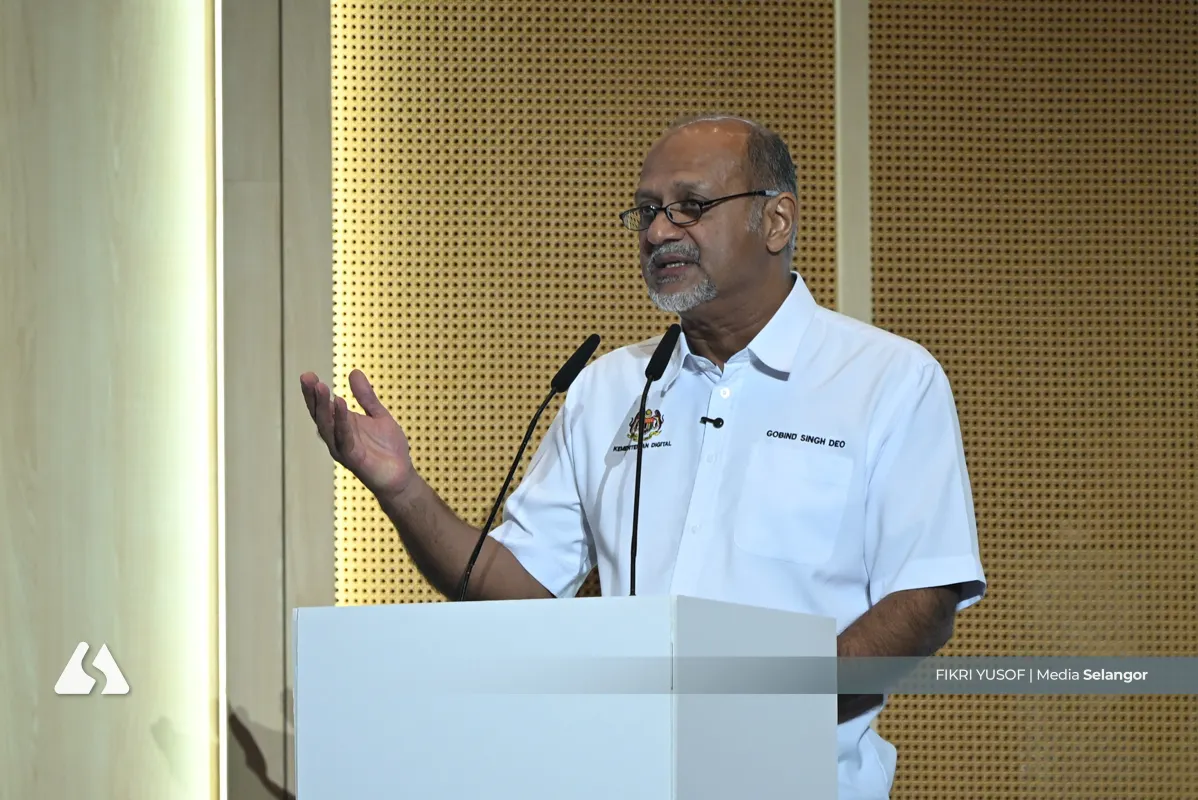
Gobind also called on Google to work with Malaysia as a strategic partner in developing its AI economy, especially in strengthening local industries, developing talent and expanding research capabilities and innovation.
As part of the upskilling commitment, Google’s four new programmes include Experience AI Malaysia, done in collaboration with the Education Ministry, to improve AI literacy among students aged 11 to 14 through trained educators.
Other programmes are Jelajah AI MSME, which aims to help small businesses develop digital assets and expand their customer reach, as well as Anjakan Kemahiran AI Demi Rakyat (AKAD Rakyat), which will equip local leaders with AI skills to improve public service delivery.
“We want to move from hosting world-class AI infrastructure to ourselves developing world-class AI capabilities right here in Malaysia,” Gobind said.