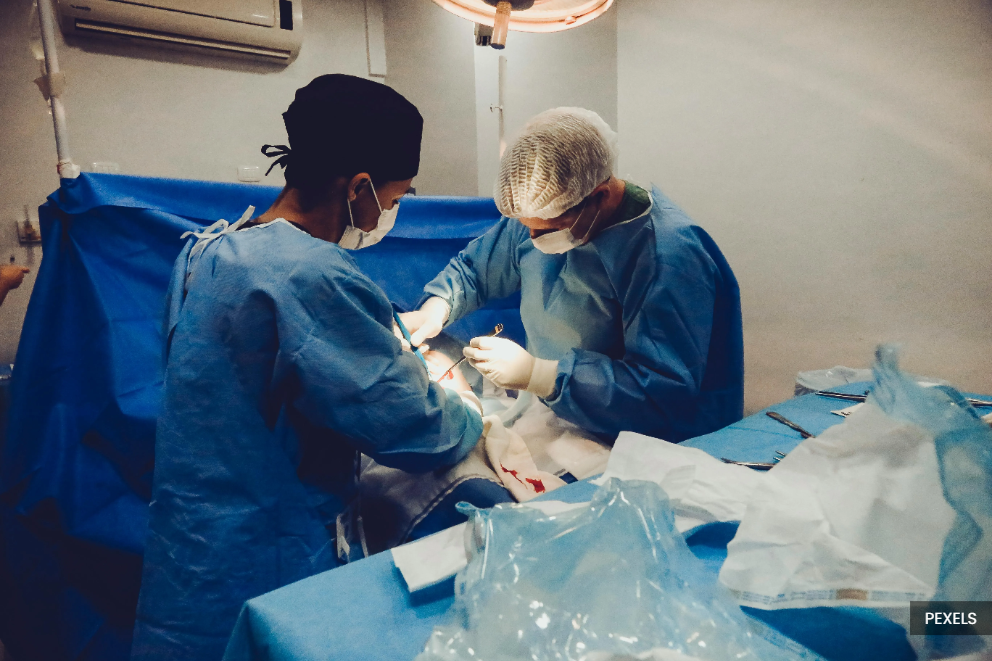
KUALA LUMPUR, Nov 3 — A total of 10,036 patients in Malaysia were awaiting organ transplants as of October 15, while the country's deceased organ donation rate remained low at just 1.33 donors per million population (pmp).
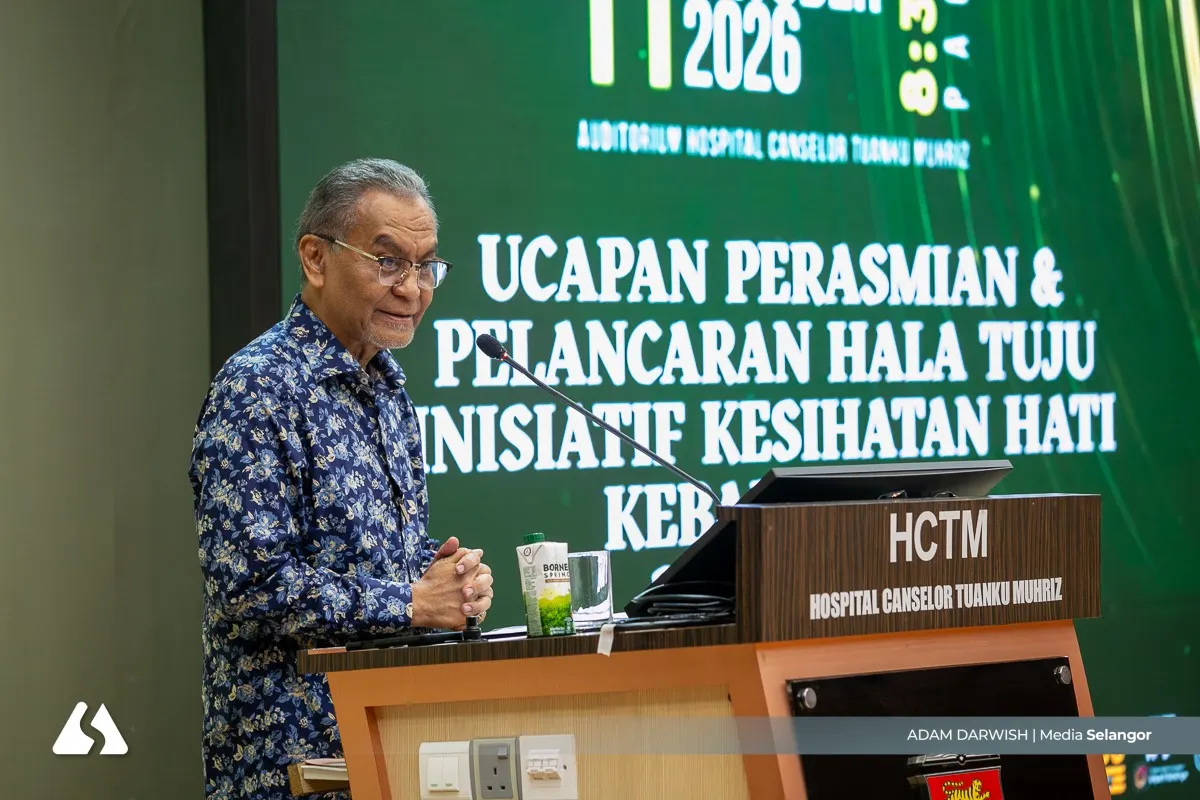
Health Minister Datuk Seri Dr Dzulkefly Ahmad said the government needed to strengthen governance and cooperation across ministries and agencies to boost organ donation efforts and ensure more efficient transplant procedures.
"These drastic measures are urgently needed. Imagine, as of October 15, a total of 10,036 of our patients were fighting for their lives as they struggled with organ failure.
"We can no longer work in silos and leave thousands of patients waiting indefinitely," he said in a Facebook post.
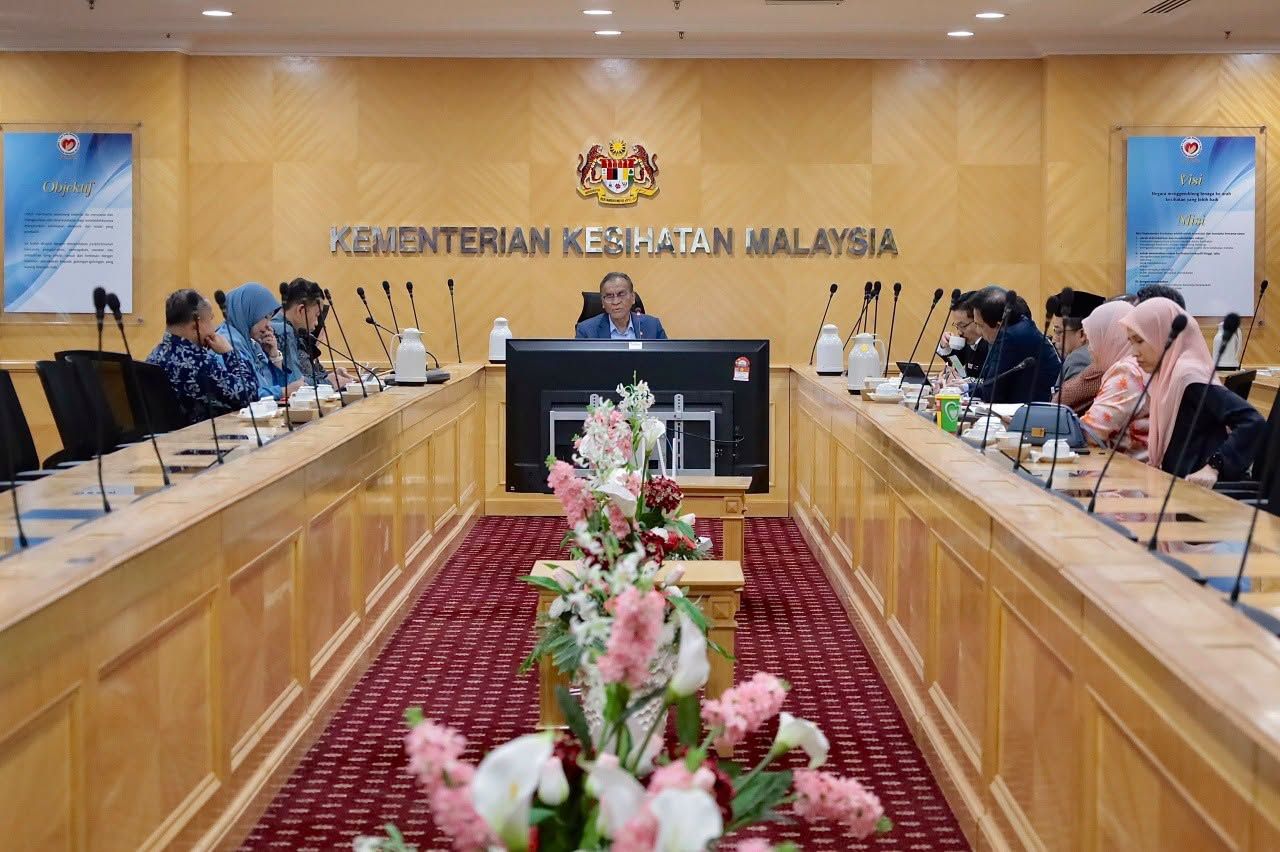
Earlier, Dr Dzulkefly chaired the inaugural meeting of the National Transplant Council (MTK), which is tasked with spearheading the national agenda to reform the organ donation and transplantation system through a whole-of-government approach.
He said the council would coordinate the involvement of various ministries and agencies in logistics, financing and the provision of religious guidance to strengthen the overall organ donation process.
Among the key measures being prioritised is the coordination of emergency air logistics through the Mercy Flight service, in collaboration with the Fire and Rescue Department and the Defence Ministry.
Organ transportation will also be supported by rapid police outrider escorts from the Royal Malaysia Police (PDRM) to minimise the risk of delays when organs are transported to hospitals.
Meanwhile, the government is considering a proposal to integrate organ donor pledge status into driving licences through cooperation with the Transport Ministry.
Efforts to strengthen the system also involve the Finance Ministry to ensure sustainable funding, as well as the Department of Islamic Development Malaysia (JAKIM) to provide clear religious guidance.
Dzulkefly said the reforms were expected to benefit patients and donor families, including through a more transparent and equitable organ allocation system based on clinical priorities.
"Organ allocation will become far more transparent and equitable, based on clinical priorities," he said.
He added that the donation process must also comply with the Human Tissues Act 1974 and religious fatwa rulings to ensure donors' wishes are respected, while a more efficient logistics network would enable organs to reach operating theatres as quickly as possible.
To raise public awareness, the Health Ministry will continue intensifying its ‘Warisku, Hormati Ikrarku’ (My Family, Respect My Pledge) campaign to uphold donors' wishes while respecting their families.
"Honouring these pledges and nurturing the hopes of patients awaiting transplants is a responsibility we all share," he said.