
SHAH ALAM, Oct 30 — Differences in opinions between ministries do not necessarily reflect a crack within the government, said Prime Minister Datuk Seri Anwar Ibrahim.
Instead, they are part of the policy discussion and deliberation process, which takes into account the respective responsibilities, jurisdictions, and priorities of each ministry to ensure the effective policy implementation.
“The government always ensures that coordination between ministries is carried out in an orderly manner to maintain policy consistency, avoid overlapping functions and ensure every decision is made based on the people’s interests, national development priorities, and the government’s financial capacity.
“At the same time, the country’s economic performance continues to be closely monitored based on current economic data and indicators to assess the effectiveness of implemented policies.
“(This is done) while ensuring that the nation’s economic resilience is further strengthened in facing global economic uncertainties,” he said in a written Parliamentary reply.
Anwar was responding to Larut MP Datuk Seri Hamzah Zainuddin’s query on why the Finance Ministry (MOF) and Rural and Regional Development Ministry (KKDW) publicly issued conflicting positions recently.
Previously, Deputy Prime Minister cum Rural and Regional Development Minister voiced frustration over delayed payments to contractors carrying out KKDW projects.
MOF later issued a statement saying contractors handling rural development projects faced delayed payments as most of the ministry’s allocation for rural roads this year had already been spent.
To ensure effective governance, Anwar said that every government policy and decision must undergo the appropriate consideration and coordination processes.
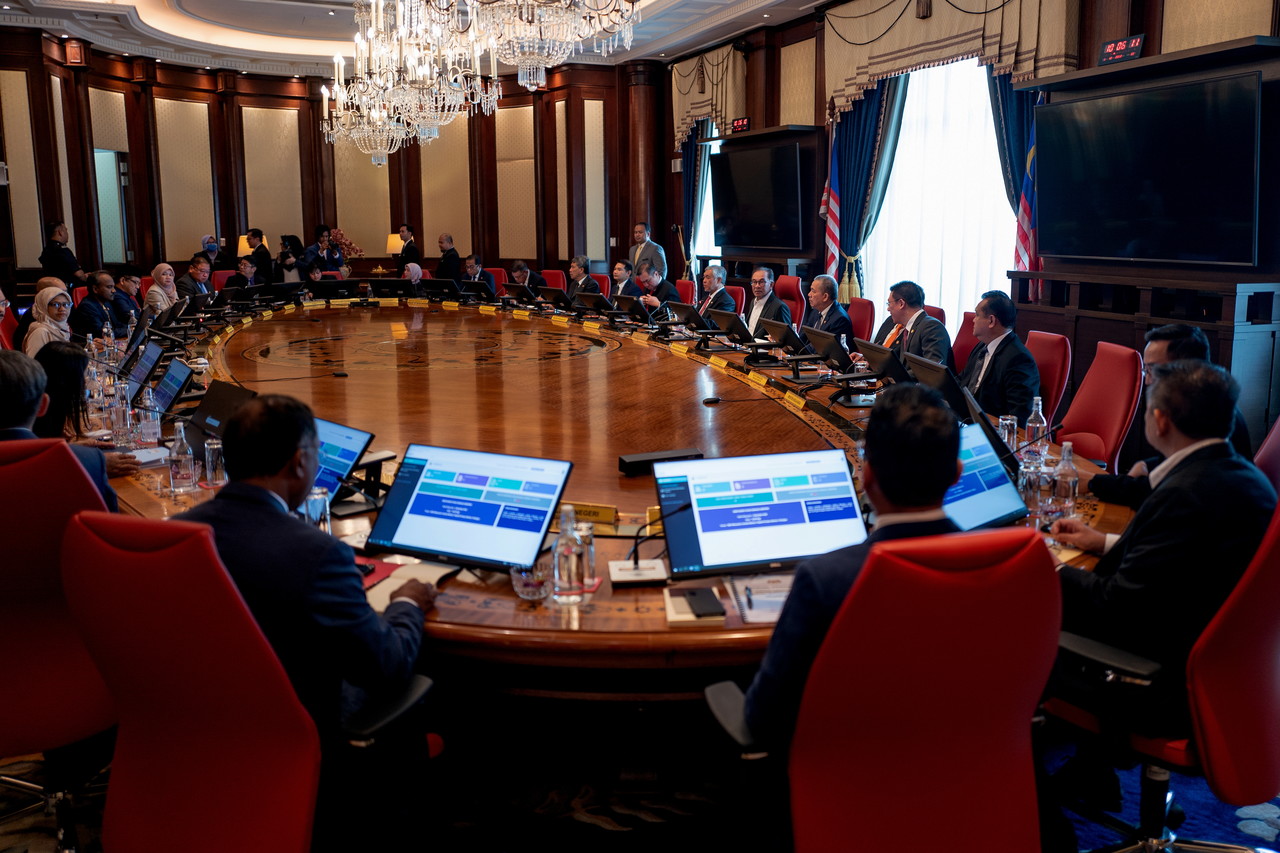
“Matters requiring collective decisions will be brought before the Cabinet for consideration and approval.
“In this regard, the government will continue to strengthen cooperation between ministries, enhance the effectiveness of policy implementation and monitor the progress of each initiative to ensure that decisions made are translated into tangible, sustainable outcomes that benefit the people,” he said.