SHAH ALAM, Oct 27 — The government is in the process under way to recovering losses caused in the initial investment in London’s Battersea Power Station redevelopment in the United Kingdom, said Prime Minister Datuk Seri Anwar Ibrahim.
The New Straits Times reported that Anwar, who is also the Finance Minister, said the initial investment in the redevelopment was too high and resulted in losses.
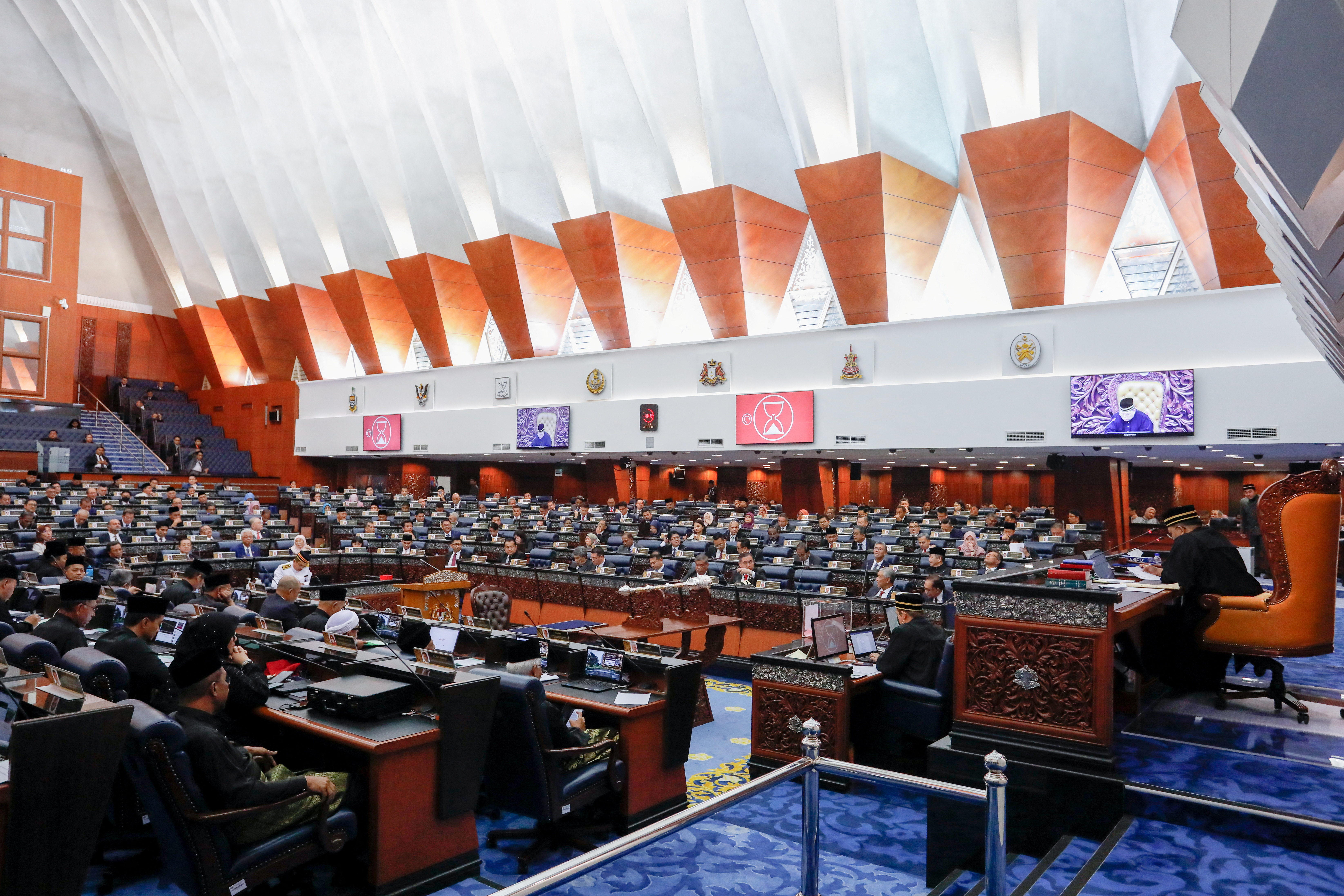
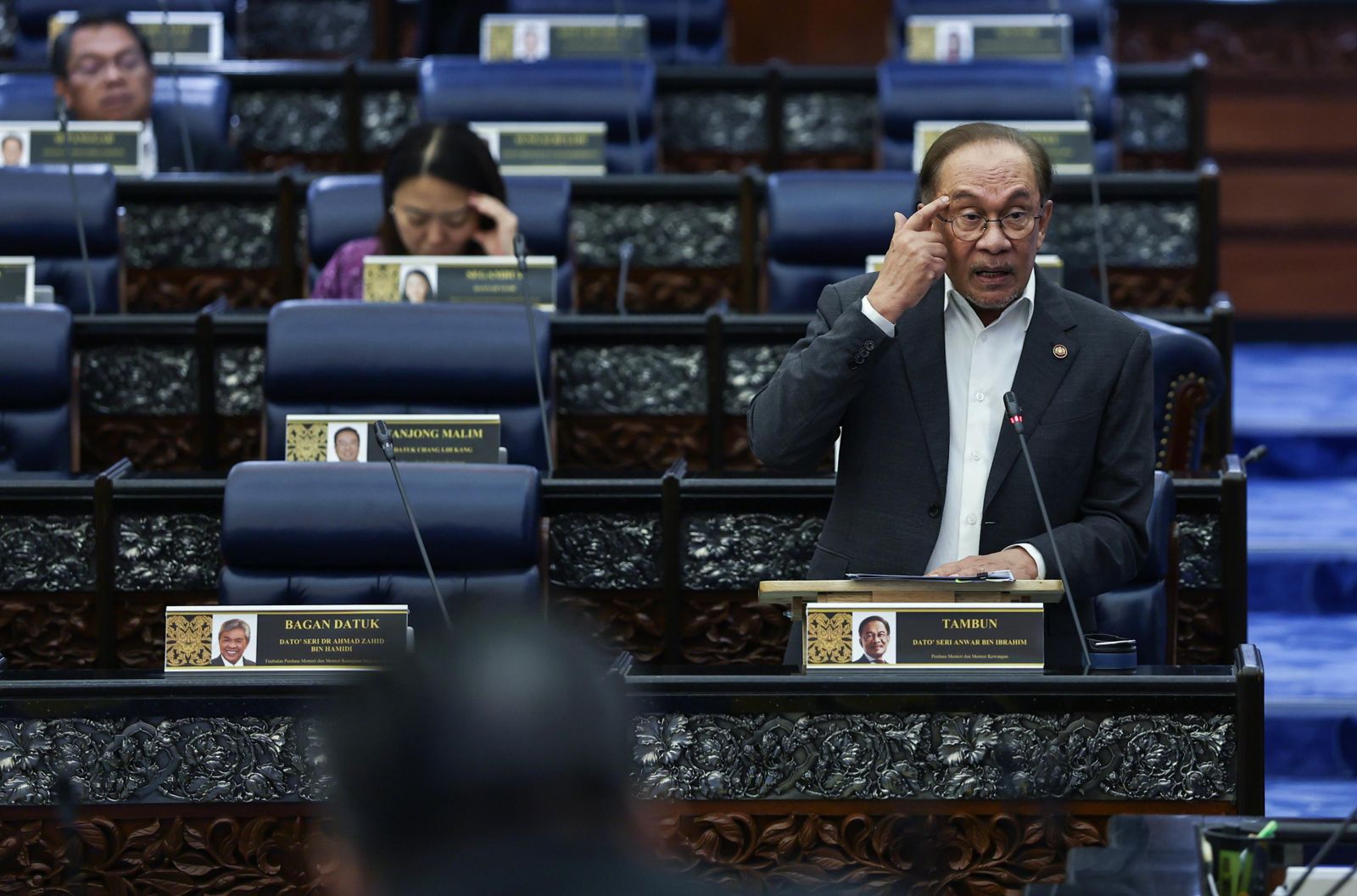
"Although it is now being recovered, the original investment was too high and suffered losses," he said during the Prime Minister's Question Time in the Dewan Rakyat today.
Anwar was replying to Pasir Gudang MP Hassan Abdul Karim’s query on how much government-linked companies (GLCs) and government-linked investment companies (GLICs) had invested in the 15-year project and what economic benefits it had brought.
The Battersea Power Station is a 42-acre redevelopment with a major mixed-use regeneration project led by a Malaysian consortium comprising S P Setia Bhd, Sime Darby Property Bhd, the Employees Provident Fund (EPF), and Permodalan Nasional Bhd (PNB).
To date, more than £5 billion (RM25.26 billion) has been invested in the development by its Malaysian shareholders.
In a related matter, he said major funds, including the Retirement Fund (Incorporated), EPF, Khazanah Nasional Bhd, and PNB, had also pursued investment opportunities locally and abroad.
"But for the past two to three years, we have set priorities. In the early stage, I immediately set 20 per cent for domestic investment.This is being increased according to their readiness and capability.
"That is why we can mobilise GLICs to (invest) a total of RM150 billion over the next few years. We cannot deny that some, or a large part, of overseas investments generate high profits," Anwar said.
He added that the Government-linked Enterprises Activation and Reform Programme (GEAR-uP) remains on schedule, despite concerns over the pace of fund deployment.
Based on the GLICs' planning, disbursement is expected to pick up at the end of this year and next year.
"Based on the latest developments and reports, it appears to still be on schedule.The first year involved a lot of planning and study.
"Learning from experience, they are now more cautious in making investment decisions," Anwar said.
The total ban on any political figure from interfering in deciding projects and project priorities is one of the main pillars of the programme.
"Projects must be determined by an investment body made up of professionals with specific expertise," Anwar said.