

SHAH ALAM, Oct 29 — Local manufacturers have incurred at least RM280,000 in additional expenses due to the ongoing haze crisis, according to a new study commissioned by the Federation of Malaysian Manufacturers (FMM).
The costs, incurred mainly for masks and medical care, highlight the operational and financial strain faced by the country’s industrial sector, including factories in Selangor, as the haze continues to disrupt business activity.
FMM conducted the survey across 86 member sites, including 81 manufacturers, between October 12 and 21, covering the impact of the haze from October 5 onwards. The respondents were based in Selangor and Penang, with two in Sarawak, the state hardest hit by the haze.
The survey found that 69 per cent of respondents reported some impact on operations, while 26 per cent experienced moderate or significant disruption.
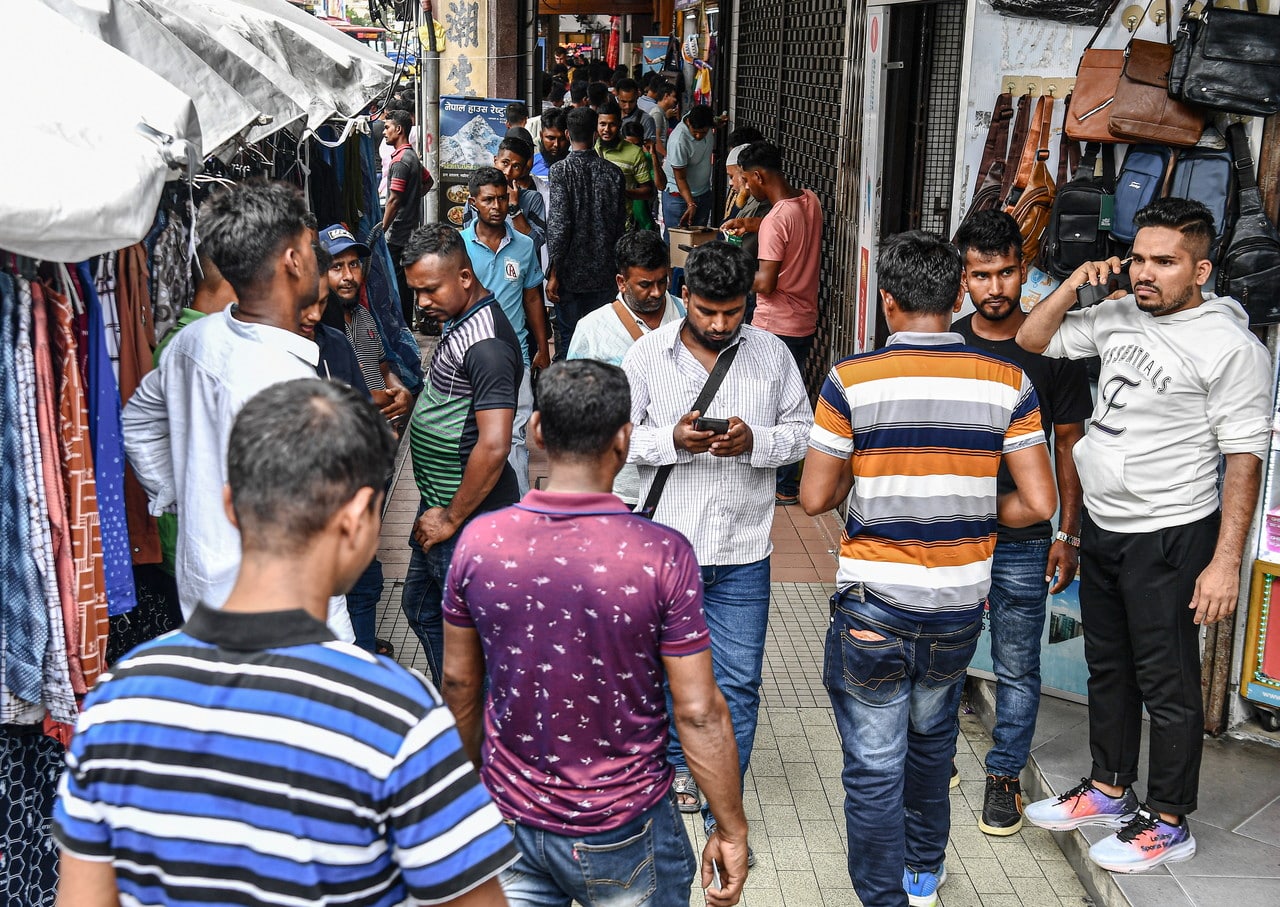
Among the 59 sites reporting haze-related impacts, 81 per cent recorded an increase in sick leave, while 63 per cent said school closures affected staff availability.
At 14 per cent of the affected sites, the resulting staff shortages disrupted shifts, production or deliveries.
The survey also revealed that 37 per cent of affected sites reported lower output, while 27 per cent temporarily suspended at least one operation.
The report, titled The 2026 Fire Season and Transboundary Haze in Malaysia, found that 92 per cent of respondents incurred additional expenses, mainly for masks and medical care.
The report also estimated that exposure to smoke from fires between July 1 and October 22 contributed to about 1,700 premature deaths nationwide, with an estimated welfare cost of RM8 billion.

"This is a measure of what people would be willing to pay to avoid the risk, not a loss of output, and is not added to economic losses," the report stated, as quoted by The Malaysian Reserve.
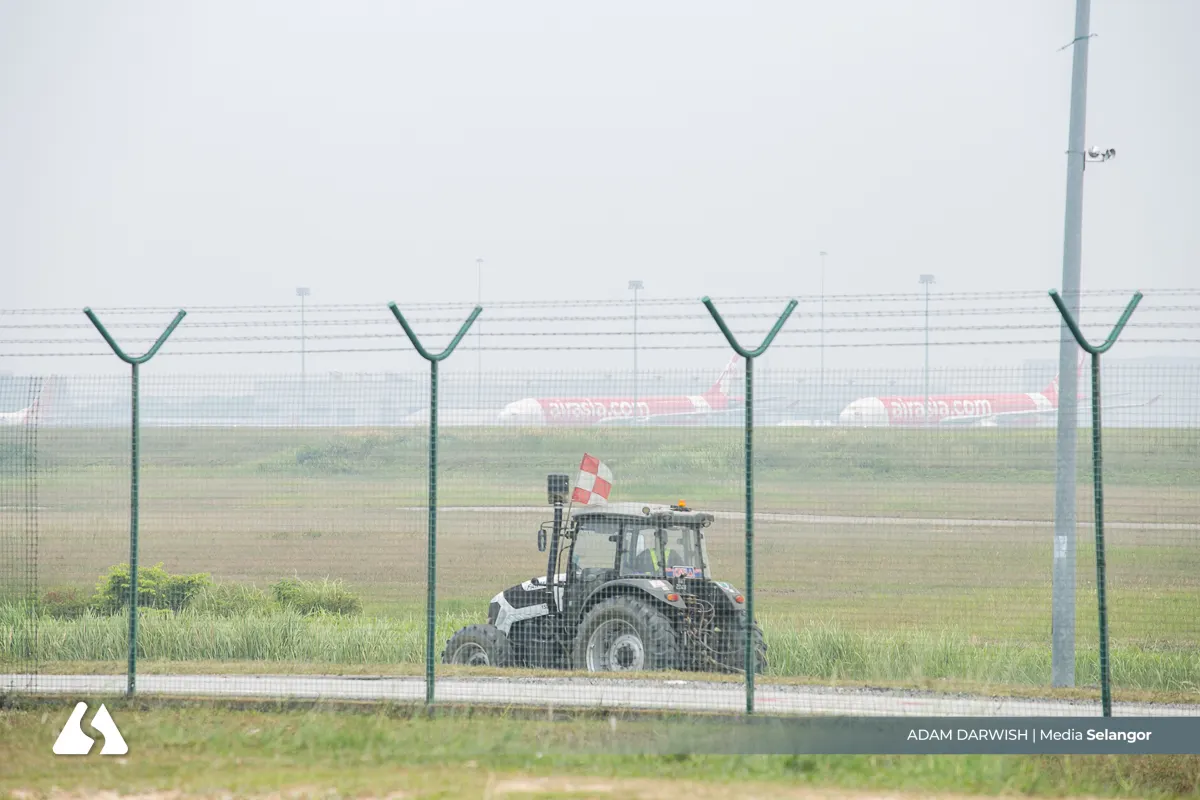
According to the report, Malaysia recorded 422 city-days with an Air Pollutant Index (API) reading above 100 across 13 cities between July 1 and October 22, compared with 207 city-days during the same period in 2019.
West Sarawak experienced 63 days of haze episodes. Most of the haze affecting Peninsular Malaysia originated from fires in Sumatra and Kalimantan, while fires within Malaysia accounted for only a small proportion.
FMM president Jacob Lee Chor Kok said transboundary haze had become a recurring regional challenge requiring more decisive and coordinated action.
"Year after year, Malaysia and neighbouring countries continue to experience the consequences of transboundary haze. Beyond environmental degradation, haze affects people's health, workers' well-being, industrial productivity and economic activities.
"For manufacturers, prolonged haze can result in employee illness, absenteeism, disruptions to production and deliveries, and additional expenditure on protective measures and healthcare. These costs ultimately affect business competitiveness and economic resilience," he added.

Lee also urged regional leaders to give greater attention to transboundary haze pollution at the upcoming Asia-Pacific Economic Cooperation (APEC) and ASEAN meetings, including through relevant environmental, economic and ministerial cooperation mechanisms.
"Transboundary haze does not recognise national boundaries. Its consequences are shared by neighbouring countries, their populations and their economies. Therefore, no single country can bear the responsibility for its prevention.
"FMM appeals to APEC and ASEAN leaders to place greater emphasis on this recurring challenge and strengthen regional cooperation in scientific research, environmental monitoring, early warning systems, sustainable land management and fire prevention," he said.