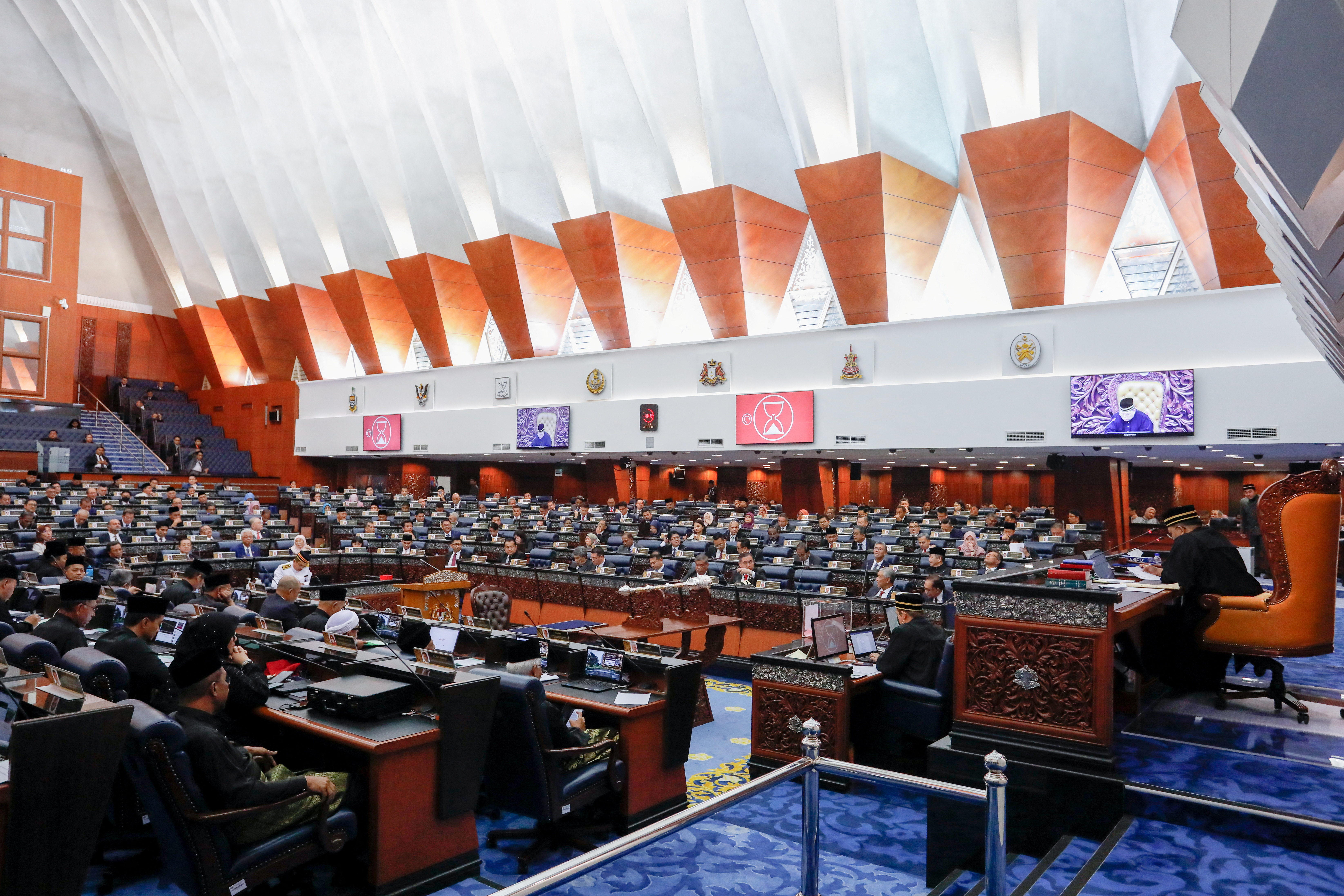

KUALA LUMPUR, Oct 27 — The government is considering a proposed Government-Owned Entities Bill to tighten governance of government-linked companies (GLCs) and related agencies, while preventing misappropriation such as that which occurred in 1Malaysia Development Berhad (1MDB), FELDA, and Tabung Haji.
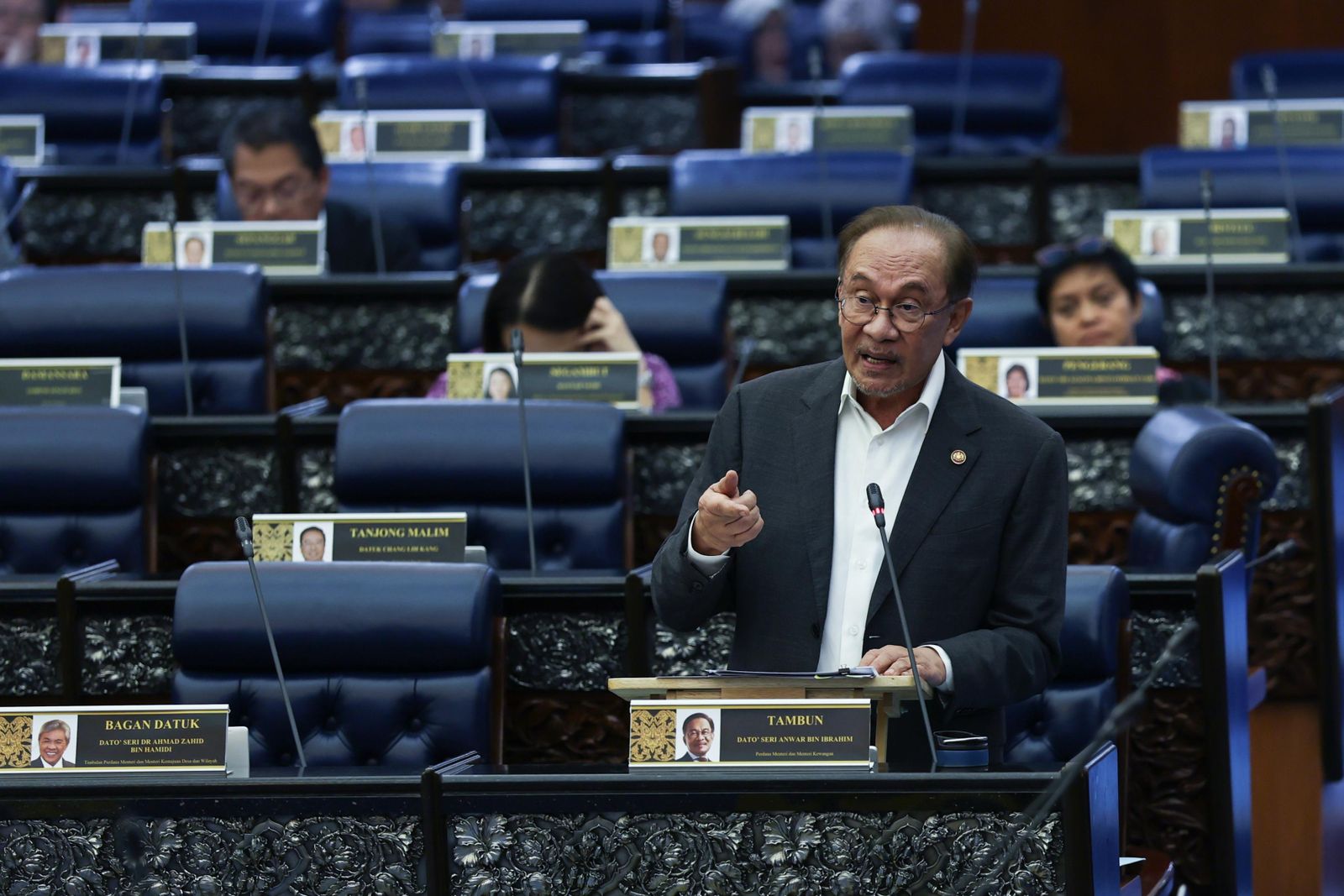
Prime Minister Datuk Seri Anwar Ibrahim said the proposal aimed to establish clearer legal provisions and regulations to ensure that all government-owned entities, including their subsidiaries, are subject to effective regulatory mechanisms.
Experiences have revealed weaknesses and serious breaches in the management of several government institutions, as highlighted in reports by Royal Commissions of Inquiry (RCIs), special task forces, and relevant white papers.
“Our proposal to table the Bill is not only for (strengthening) governance, but also to establish very clear rules and laws for regulatory purposes.
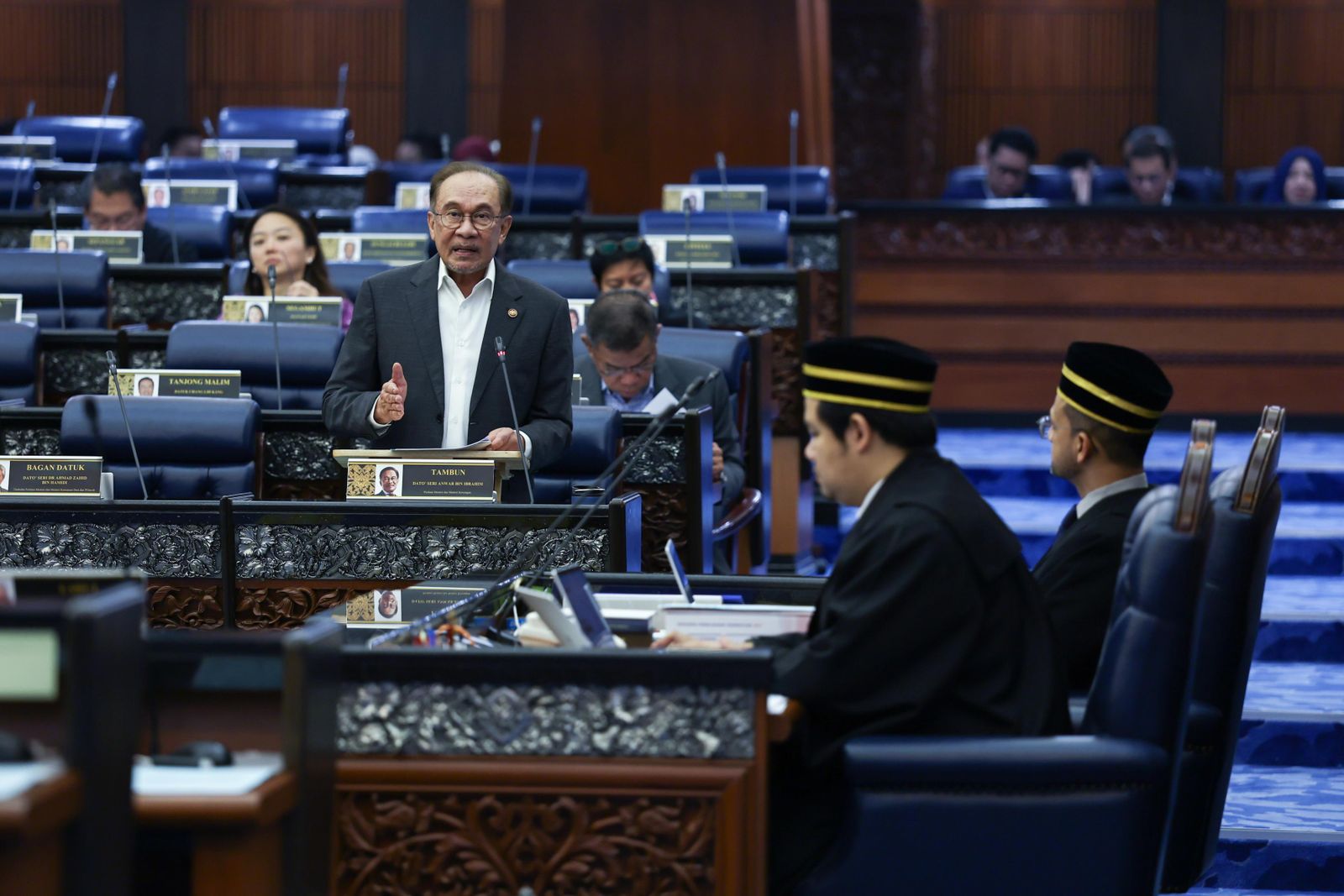
“That is why I believe the Bill will establish strict measures…even for GLCs, governance must be tightened. Those vested with authority and the figures appointed to these positions must be more accountable and must not treat these entities as property belonging to themselves or their families,” he said during the Ministers’ Question Time in the Dewan Rakyat today.
Anwar was responding to Bangi MP Syahredzan Johan's supplementary query on measures to strengthen corporate governance in GLCs and statutory bodies to prevent a recurrence of misappropriation involving government institutions.
He added that one weakness to address was oversight of subsidiary companies, which were not necessarily subject to the same controls as their parent agencies, requiring clearer legal provisions.
Efforts to strengthen governance also faced resistance from vested interest groups, including political elites and businesspeople accustomed to past practices.
Anwar emphasised that the government strictly prohibited political figures from interfering in determining GLC and government-linked investment companies' (GLICs) projects and investment priorities. Instead, investment bodies comprising professionals and individuals with expertise in the relevant fields must make investment decisions.
This measure is important to ensure investment decisions were made carefully and prudently, particularly in light of past governance weaknesses.