KUALA LUMPUR, Oct 26 — Malaysia needs a broader digital sovereignty strategy to protect sensitive national data from potential misuse, including reducing reliance on foreign-controlled technology systems, as the country accelerates its transition towards an artificial intelligence (AI)-enabled economy.
Digital economy and policy strategist Bobby Varanasi said the debate over navigation apps such as Waze and the locally developed Tuju should not be reduced to performance comparisons, but should focus on who controls the data collected and how it could be used.
The issue extends beyond navigation services to critical sectors such as banking, energy, maritime security, ports, and airports, where the security of sensitive information is essential to national interests.
“Waze is just one indication of the sovereign aspects of all our economic endeavours,” he said during the 'Bernama World' programme broadcast by Bernama TV today.
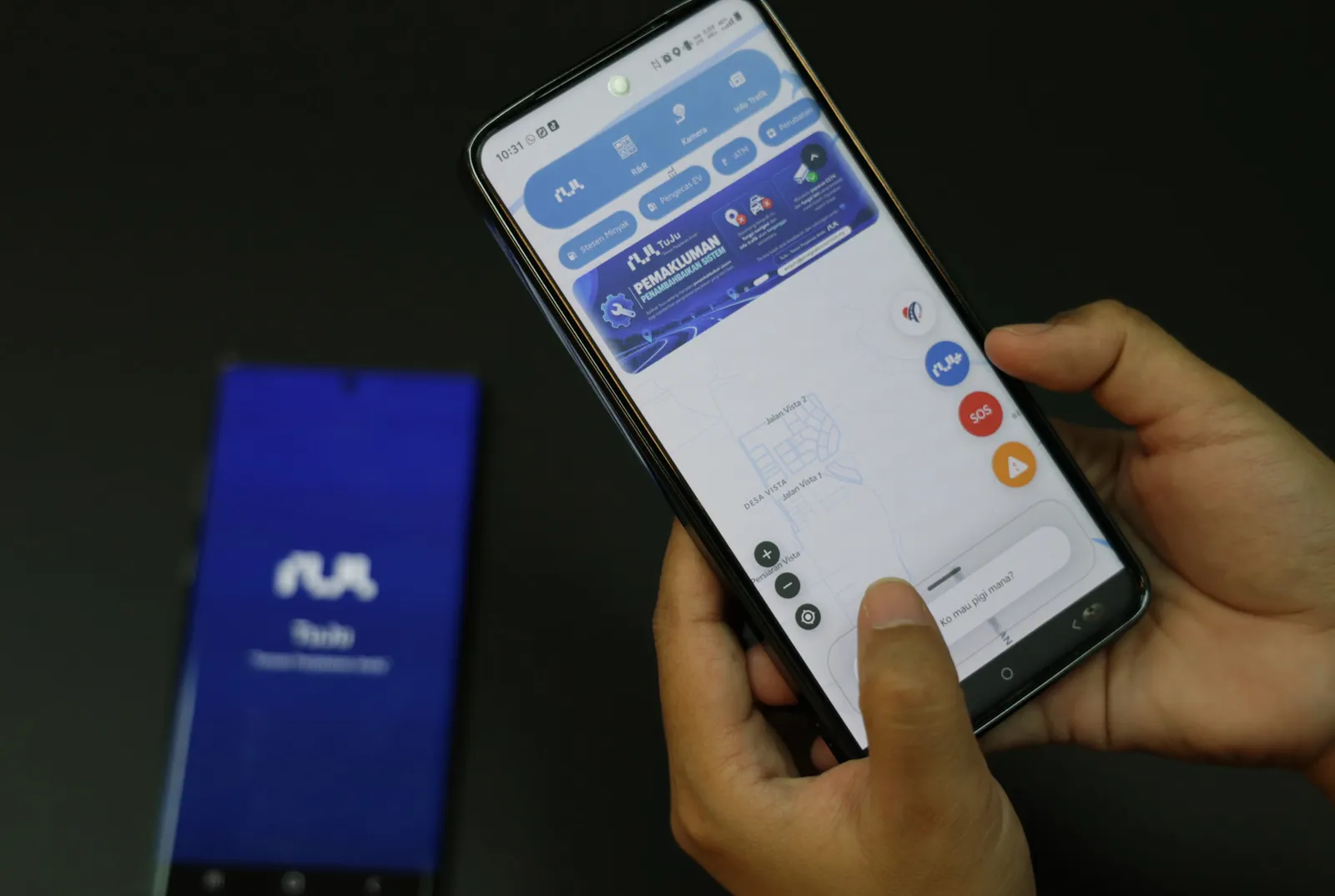
Bobby's comments come on the heels of the government's directive prohibiting civil servants from using Waze for official duties over data sovereignty concerns, while recommending local alternatives such as TuJu, an app developed by the Malaysian Highway Authority (LLM) alongside a private consortium.
He added that navigation apps can collect extensive location information throughout the day, which, when combined with other data points such as device identifiers and interaction patterns, could potentially reveal individual behaviour and vulnerabilities.
Such information could become a security concern when data belonging to Malaysians was stored or processed on overseas systems beyond the country's direct control.
“Our data, but it is sitting in servers that we do not have control over. That means we have no sovereignty over that data in terms of its utilisation or misutilisation; that is the concern,” Bobby said.
The interconnected nature of modern digital systems meant a vulnerability on an individual device could provide an entry point for threats affecting other systems, including government data repositories and banking infrastructure.
Governments worldwide are grappling with emerging digital risks arising from increasingly interconnected and self-learning technologies, making it necessary to strengthen cybersecurity measures while improving public understanding of the implications of digital activities.
“We reached a point where risk cannot be eliminated. What can be done is to be understood, moderated, managed, and reduced in their implications,” he said.
Cybersecurity responsibility should not rest solely with institutions or government agencies, as individuals and businesses also play a role in protecting the wider digital ecosystem.
“Every single one of us is a potential vulnerability, and if we understand the risks, we will probably behave more responsibly,” Bobby said.
Meanwhile, Malaysia may consider developing its own satellite navigation systems capabilities as part of a longer-term digital sovereignty strategy.
Internationally, there are satellite navigation systems operated by different countries and regions, including Russia's GLONASS, the European Union's Galileo, China's BeiDou, India's NavIC, and Japan's Quasi-Zenith Satellite System (QZSS), as an alternative to the United States' Global Positioning System (GPS).
He noted that satellite communications have the potential to complement conventional telecommunications networks, and greater access to such infrastructure could create new opportunities for Malaysia while introducing additional considerations involving data security and sovereignty.
The ultimate objective should be to ensure that sensitive information generated within Malaysia remains subject to appropriate national oversight, particularly when it involves critical infrastructure and essential economic services.