SHAH ALAM, Oct 25 – The Petaling Jaya City Council (MBPJ) is strengthening its Green City agenda to improve environmental quality, reduce pollution and carbon emissions, and enhance climate resilience to create a healthier, more liveable city.
The council said its efforts would focus on environmental conservation, sustainable resource management, low-carbon development and encouraging greener lifestyles among residents.
"MBPJ's main goal is to develop Petaling Jaya into a greener, more sustainable, resilient and comfortable city to live in, by balancing the needs of urban development and environmental conservation for the well-being of the community," the spokesman said when contacted by Media Selangor today.
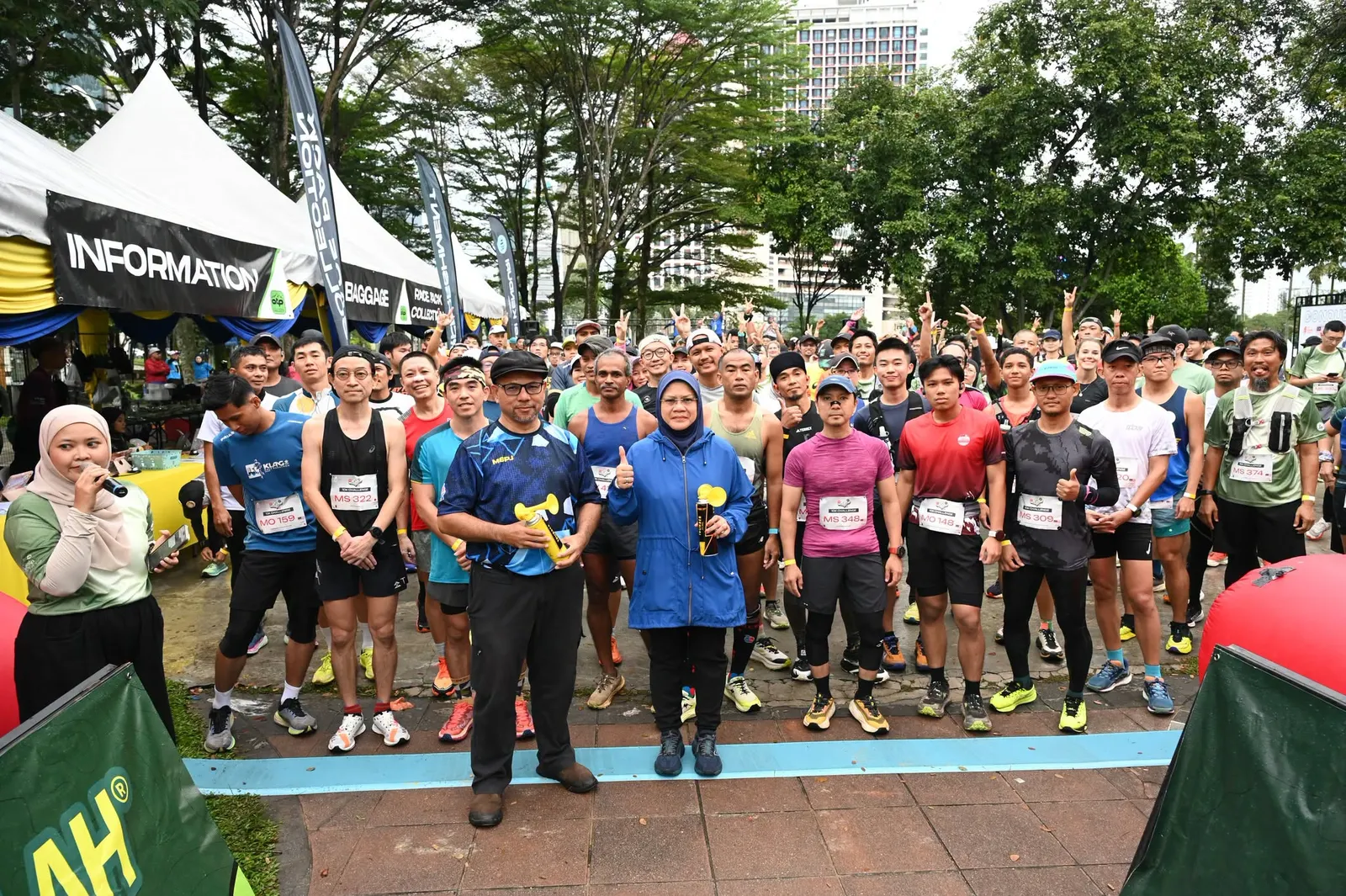
The council said the Petaling Jaya Greenscape 2026 serves as one of its platforms to raise environmental awareness through activities connected to residents' daily lives.
"In the long term, MBPJ wants to ensure that the Green City agenda becomes a shared responsibility that is translated through policies, development planning, service delivery and the daily practices of the community," it said.
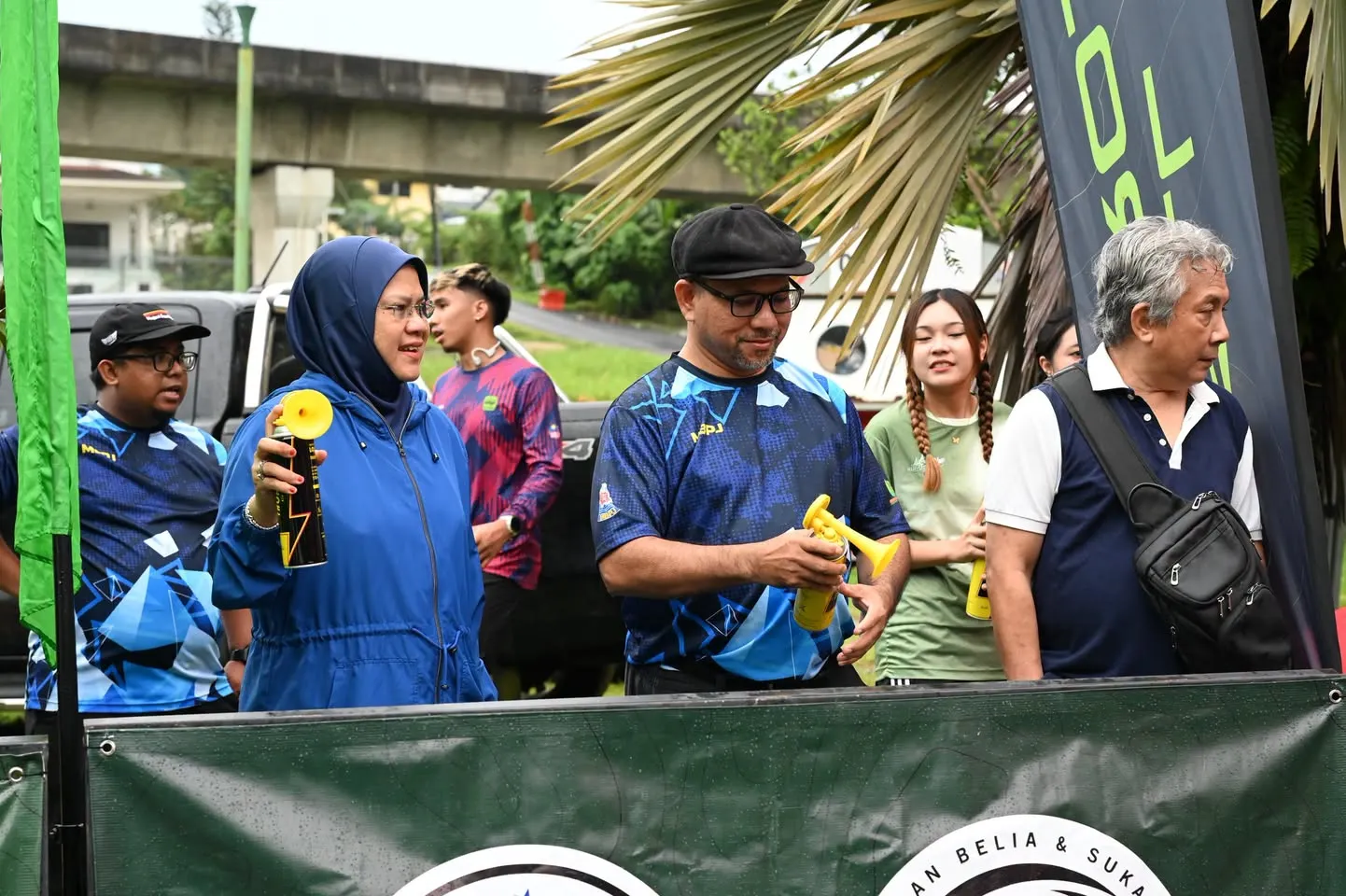
Petaling Jaya Greenscape 2026 is an environmental awareness programme organised by MPBJ to encourage sustainable living through recreational, sporting and community activities. The initiative supports the council's Green City agenda and its aspiration of achieving a Sustainable and Happy Petaling Jaya by 2030.
MBPJ also said it will prioritise tree planting, public park maintenance and urban greening to reduce heat and protect ecosystems, while strengthening recycling, waste separation and responsible disposal of electronic waste and used cooking oil through initiatives such as PJ Eco Recycling Plaza and Trash to Cash.
"These initiatives are among the approaches that encourage the community to view waste as a resource that can be reused, thereby reducing the amount of waste sent to landfills," it said.
The council added that it will also promote low-carbon lifestyles through public transport use, cycling, resource conservation and reduced use of disposable products, alongside environmental education programmes targeting students, youth, residents and businesses.
MBPJ also said cooperation with non-governmental organisations (NGOs), educational institutions, private companies and government agencies would also be strengthened through community clean-ups, river conservation, neighbourhood park maintenance and recycling activities.
"Cooperation with communities, non-governmental organisations (NGOs), educational institutions, the private sector and relevant agencies is very important to expand the implementation of sustainability initiatives.
"For MBPJ, the success of the Green City agenda is not only measured by the number of programmes organised or the number of participants involved, but is also seen through changes in community practices, improvements in environmental quality and the effectiveness of urban resource management in the long term," it said.