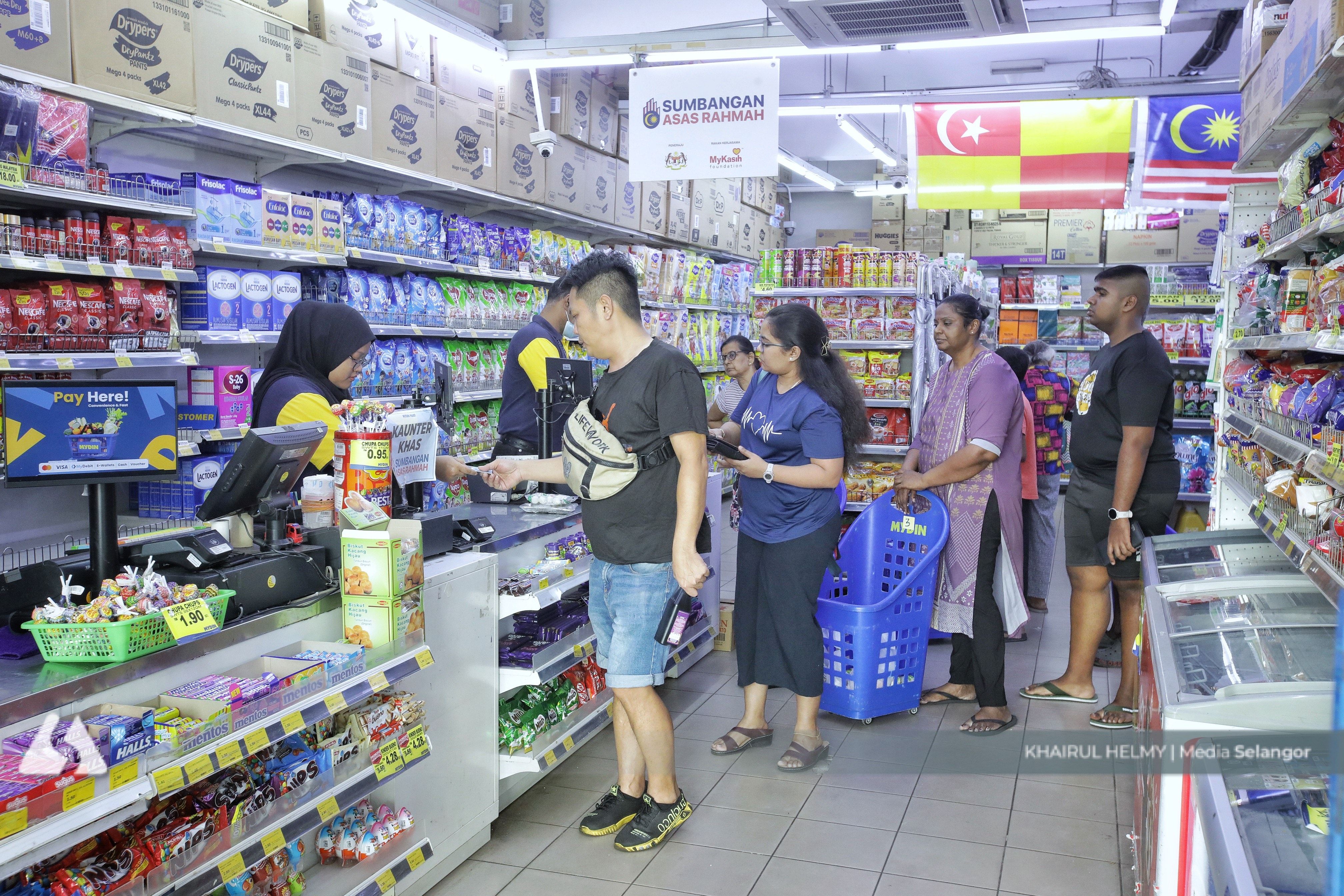

KUALA LUMPUR, Oct 23 — The government's increased RM16 billion allocation for Sumbangan Tunai Rahmah (STR) and Sumbangan Asas Rahmah (SARA), alongside personal income tax measures under Budget 2027, is expected to sustain household consumption and support retail sector earnings, particularly among essential goods and value retailers.
RHB Investment Bhd (RHB IB) analysts Soong Wei Siang and Aidil Puzi said in an equity research report today that while recurring financial assistance per household remains largely unchanged under Budget 2027, the greater emphasis on SARA is expected to channel more consumer spending towards essential goods.
“From the recent Budget proposal, we noted that the recurring assistance per household has been largely unchanged, but a greater SARA component will direct more spending towards eligible essentials,” they said.
The report said the broader SARA offering and one-off festive assistance should further support purchases, while higher wages from June 2027 would provide an additional boost to disposable income.
“We expect these measures to reinforce the sector’s earnings growth outlook, with essentials and value retailers better placed to benefit given their customer bases are skewed towards lower- to middle-income households,” RHB IB said.
From a sectoral perspective, the bank said the consumer sector should remain relatively defensive amid market uncertainty, supported by its domestically focused earnings base and continued government assistance to sustain spending.
“Looking into the 2027 financial year forecast, a resilient labour market, wage growth and continued fiscal support should underpin consumption,” it said.
RHB IB said cash assistance and tax relief should help preserve household purchasing power, although higher living costs are likely to keep consumers selective in their spending.
“This should favour spending on essentials and value purchases, supporting our preference for staples and discounters,” the research report said.
“As for stock picks, expect this to favour participating chains such as 99SMART, ECOSHOP and Mr DIY Group, with higher sales through existing stores improving fixed-cost absorption and helping offset wage pressures,” it added.