BEIJING, Oct 21 — Oil prices gained over US$1 on Wednesday as escalating Middle East tensions fuelled fears of supply disruptions, while falling United States (US) crude and product inventories lent support to the market.
Brent crude futures rose US$1.61, or 1.5 per cent, to US$110.40 per barrel as of 0630 GMT. U.S. West Texas Intermediate crude gained US$1.45, or 1.5 per cent, to US$99.27 per barrel.
Prices fell in the previous trading session after Iran's President Masoud Pezeshkian discussed mediation efforts in a meeting with Pakistan's Army Chief Asim Munir in Tehran, though Brent hit a five-month high before easing.
"Oil prices have been having a bit of a wild ride in the last couple of sessions. We believe this is a mix of profit taking and optimistic hopes of a Qatar- or Pakistan-brokered deal, countered by the realisation that any deal is still very distant and compounded further by inventory data from the American Petroleum Institute, which shows drawdowns continuing in the US for both crude and products," said DBS' energy research head Suvro Sarkar.
On Tuesday, Iranian media outlet Nournews reported that Tehran told Asim that it would not talk with Washington until its demands were met, adding that a Qatari delegation had arrived in Iran. There is no official confirmation of the reports.
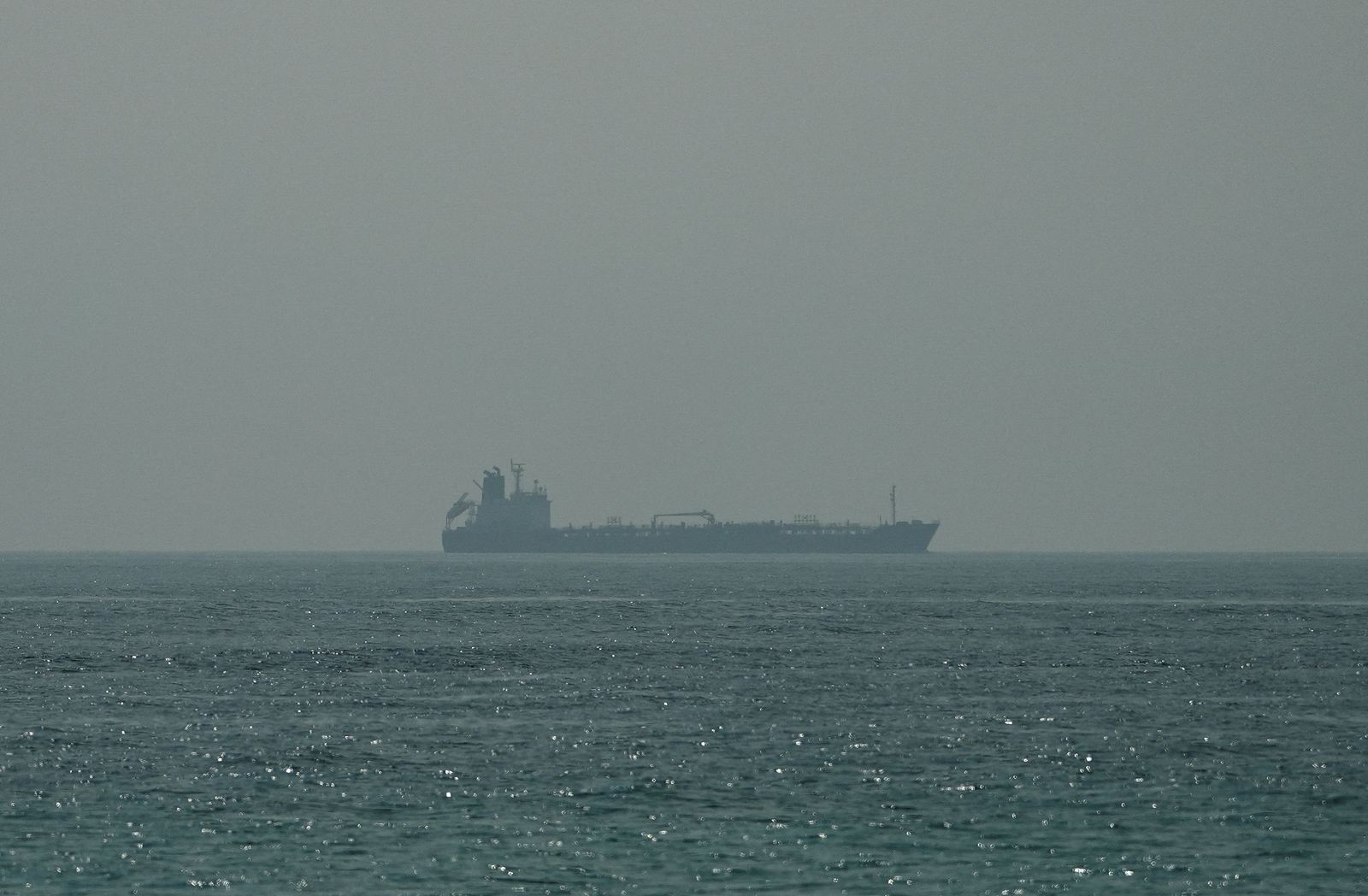
Maritime security risks are also escalating. On Monday, shiptracker Kpler said that at least 18 vessel attacks were recorded over the past two weeks, while LSEG analysts warned Iran was targeting tankers well beyond the Strait of Hormuz, reaching into the Gulf of Oman and jeopardising Gulf crude loadings and the ship-to-ship transfers supporting regional loadings.
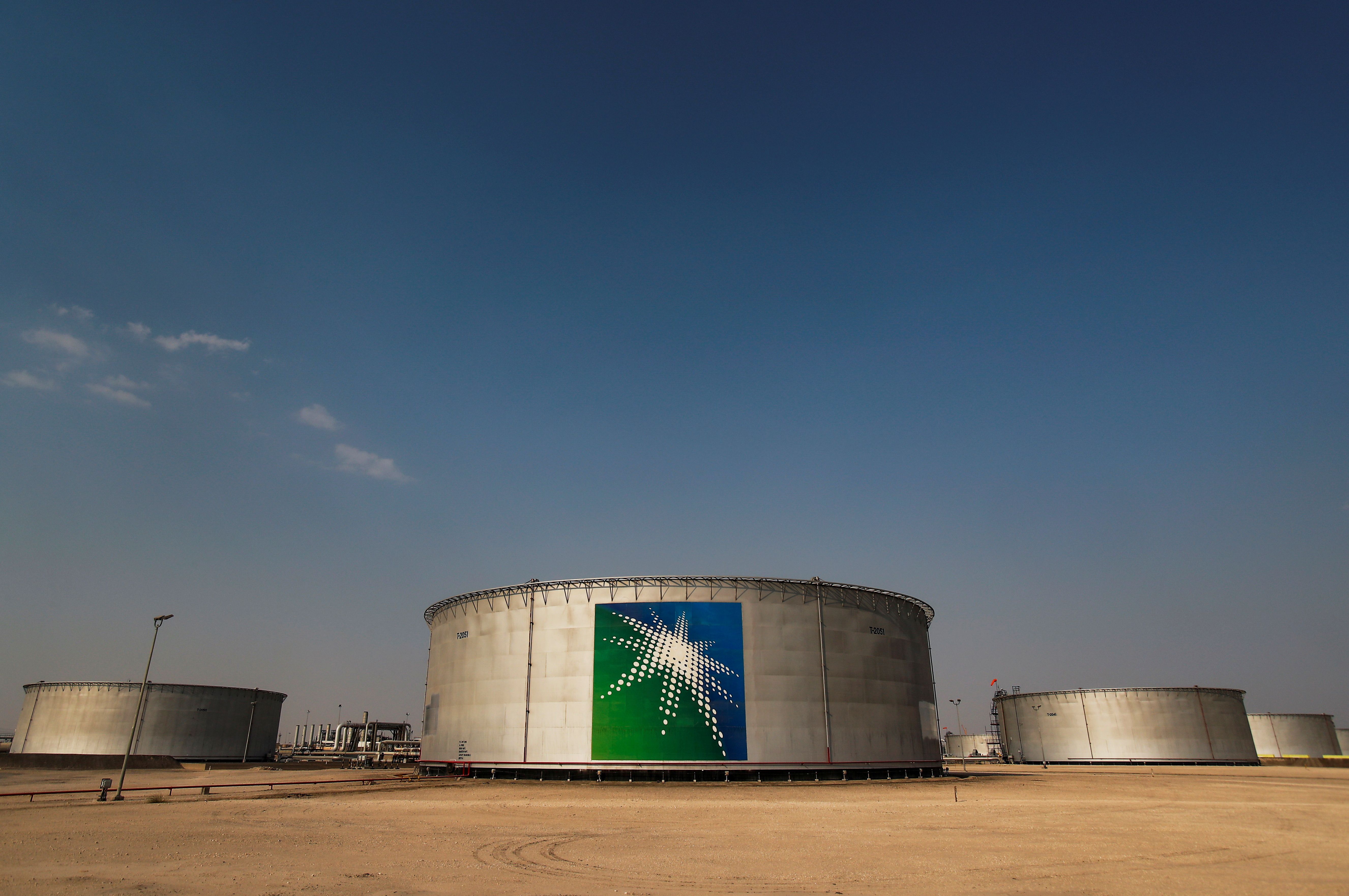
Meanwhile, on Monday, the Houthis claimed responsibility for attacks on a Saudi Aramco site in Yanbu, the Shaybah oilfield, and Saudi Arabia's Riyadh and Abha airports.
The death toll from a Houthi attack on Yemeni government forces on Monday rose to 73 as fighting intensified.
In a television interview aired on Tuesday, Iranian Foreign Minister Abbas Araqchi said that Tehran has not received a response from Saudi Arabia or Yemen's Houthis to its offer to help broker peace talks.
On Tuesday, two US Energy Department officials said they were working with refiners around the world to boost fuel output as a diesel shortage has raised prices.
According to market sources citing API data, US crude stocks fell by 4.9 million barrels in the week ended October 16.