LONDON, Sept 21 — Oil prices slid towards the psychological threshold of US$100 a barrel and to their lowest in 11 days on Monday as investors hoped for diplomatic progress on the Iran war due to this week's United Nations (UN) meeting, and eyed a partial recovery in shipments from Saudi Arabia.
Brent crude futures and US West Texas Intermediate crude touched their lowest since September 10 earlier on Monday. The Brent contract for November was at US$101.18 a barrel at 1254 GMT, down US$2.69, or 2.6 per cent.
The WTI October contract that is expiring on Tuesday also fell US$2.69, or 2.7 per cent, to US$97.61 a barrel. The November contract stood at US$93.49.
Iran and the United States exchanged new threats on Sunday, although President Donald Trump said he would be open to meeting Iranian President Masoud Pezeshkian, who is expected to be in New York this week for the UN General Assembly.
Al Jazeera reported that Iran's security chief Mohsen Rezaei said that Tehran conveyed its conditions to mediators for re-engaging in negotiations.
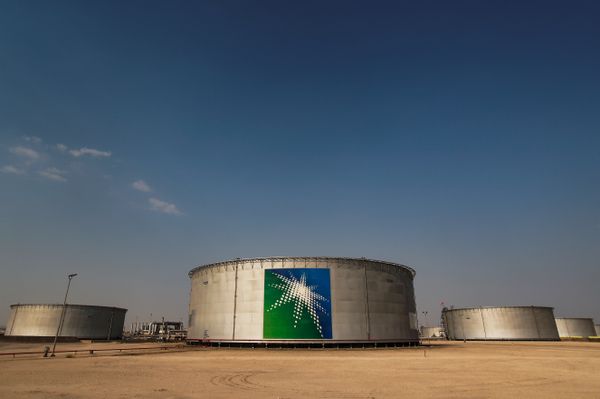
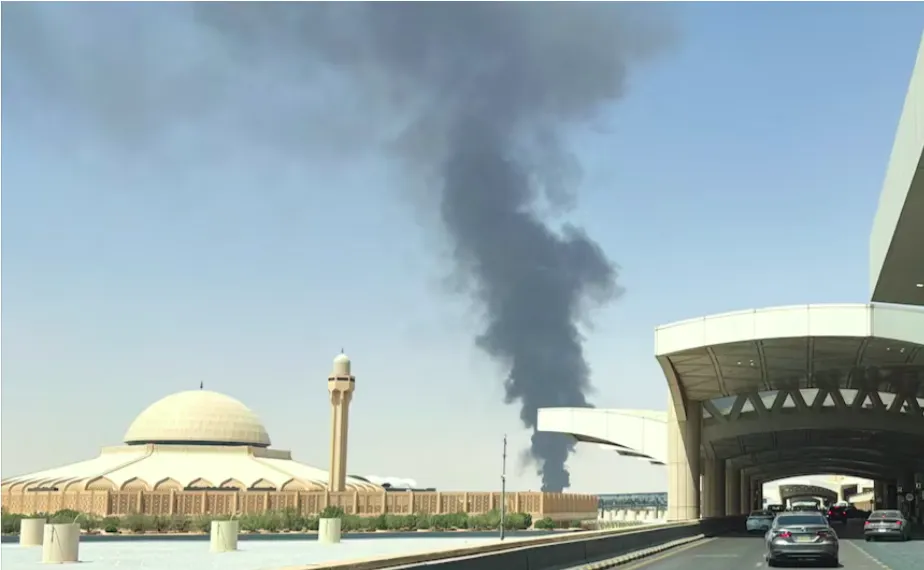
However, fighting in the Middle East continued as Yemen's Iran-backed Houthis said they had attacked Riyadh as well as a Saudi Aramco facility in the Red Sea city of Yanbu, while pushing to cut off the Red Sea coast from remaining areas held by Saudi-backed forces.
According to three Iranian sources familiar with the matter, China has asked Iran to help rein in the Houthis after an appeal to Beijing by Saudi Arabia following the attacks.
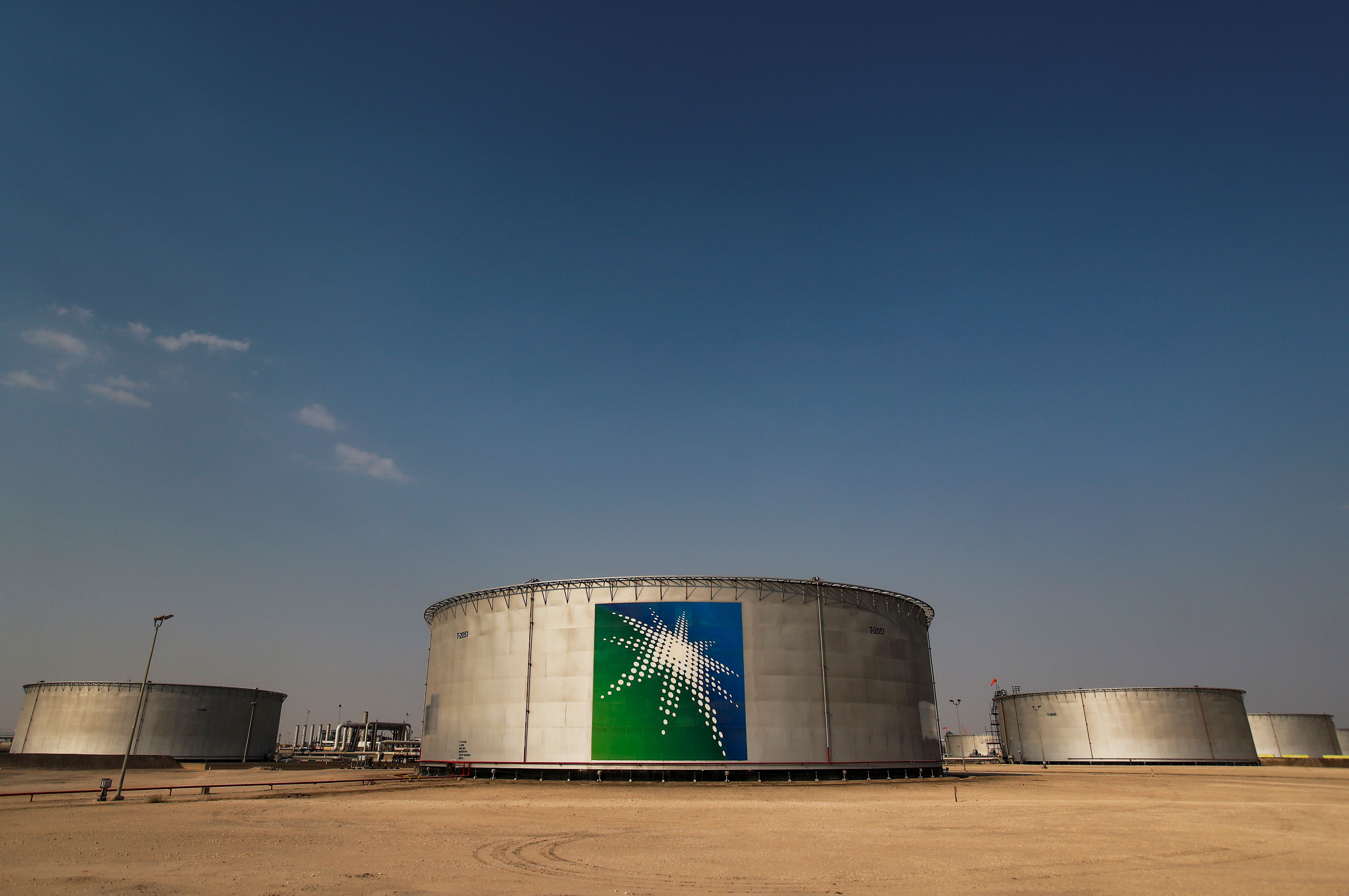
The attacks by the Houthis on Aramco's East-West pipeline have prompted the firm to increase exports through the Strait of Hormuz this month and next after halting some shipments via Yanbu.
"Middle East oil flows remain surprisingly strong despite the disruption to Saudi Arabia's East-West pipeline," JPMorgan analysts said in a September 18 note.
"The most notable pivot has come from Saudi Arabia," they added, as satellite data indicated Saudi oil moving through the Strait of Hormuz averaged 2.9 million barrels per day (bpd) over the past six days, up from just 700,000 bpd in August.
Meanwhile, on Monday, Libya's National Oil Corporation Chairman Massoud Suleman told Reuters that the country's Sharara oilfield has seen a partial reduction in production, without giving a reason.