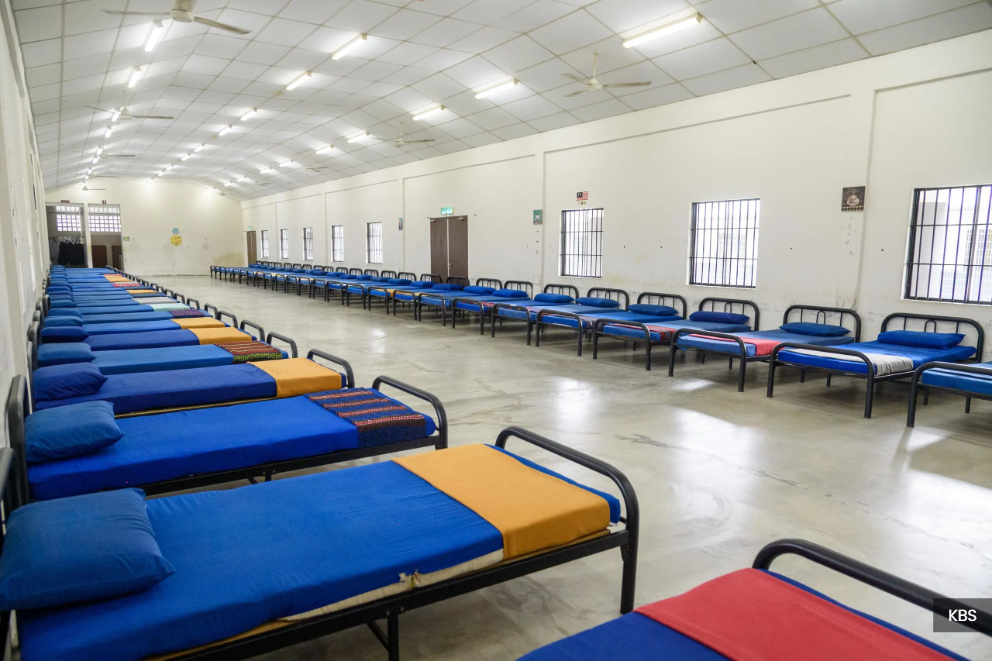


JERTIH, Oct 18 — Amendments to the Drug Dependants (Treatment and Rehabilitation) Act 1983 are delivering results, with voluntary treatment and rehabilitation seekers at the National Anti-Drug Agency (AADK) now averaging 232 per month since the amendments took effect on August 22, 2025, up from 75 previously.
Home Minister Datuk Seri Saifuddin Nasution Ismail said that over the same period, up to Sunday (October 11), 2,335 of 45,999 clients receiving AADK services nationwide had come forward voluntarily for treatment and rehabilitation.
Of these, 1,595 clients sought treatment and rehabilitation voluntarily in the community, while another 740 were in institutions at the Narcotics Addiction Rehabilitation Centre (PUSPEN).
"These figures confirm our hypothesis that amending Act 283 through decriminalisation, meaning those who come forward voluntarily will not have a criminal record, has brought about a new paradigm focused on voluntary treatment and rehabilitation, without mandatory sentencing by the courts or stigmatisation.
"This is because if the client has a voluntary disposition, the recovery rate will be higher," he told the media after launching the MADANI Kampung Angkat and Sekolah Angkat AADK programme at Felda Tenang today. Also present was AADK director-general Datuk Ruslin Jusoh.
Saifuddin added that most voluntary AADK clients are teenagers, either brought in by their parents or coming forward themselves to seek rehabilitation.
Despite the increase, AADK always has sufficient facilities, funding and staff to ensure every client receives appropriate treatment and rehabilitation.
In the same vein, he said AADK and the Federal Land Development Authority (FELDA) will sign a memorandum of understanding committing both parties to strengthen drug prevention, treatment and rehabilitation efforts across more than 300 FELDA settlement areas nationwide.
The strategic collaboration rests on four main pillars: Prevention and Public Awareness; Community Treatment and Rehabilitation; Economic and Social Empowerment; and Data and Information Sharing.
"We want to prevent it before it becomes severe. No matter where FELDA ranks (in drug abuse), or whether it is a traditional village or a housing estate, our approach is preventive," Saifuddin said.