
KUALA LUMPUR, Oct 17 — Selangor plans to introduce a dedicated care industry framework to streamline fragmented licensing categories and explore tax exemptions, utility subsidies and specialised visas to attract investors and support local businesses.
Menteri Besar Dato’ Seri Amirudin Shari said the proposed measures are part of the state’s efforts to establish Selangor as a regional care hub by improving the ease of doing business, attracting international expertise and helping local providers expand operations.
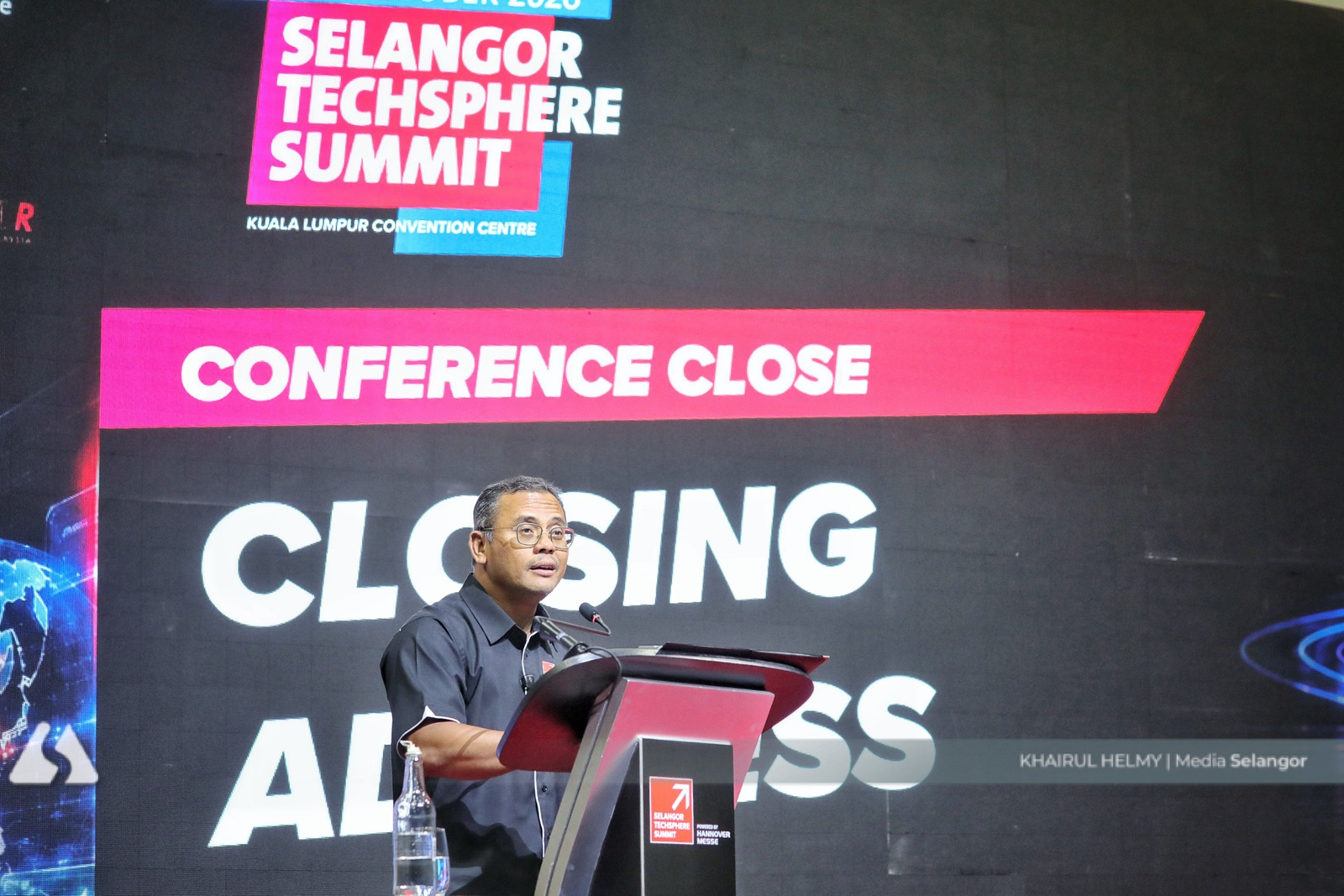
Speaking at the closing ceremony of the Selangor International Care Expo (SICE), he said the regulatory landscape today is fragmented, with care-related businesses required to operate under different licensing categories depending on their services.
“A growing care sector must be supported by clear and consistent standards. To build a solid foundation for our ecosystem, we must overhaul how the care industry is governed.
“We acknowledge the realities … Currently the care sector is highly fragmented depending on the service. Operating licences are scattered under unrelated categories; some fall under tourism, some under wellness for health devices, others under tuition centres.
“This cannot continue. We are going to streamline these fragmented categories into a unified dedicated care industry framework. Our goal is to promote the ease of doing business by cutting red debt.
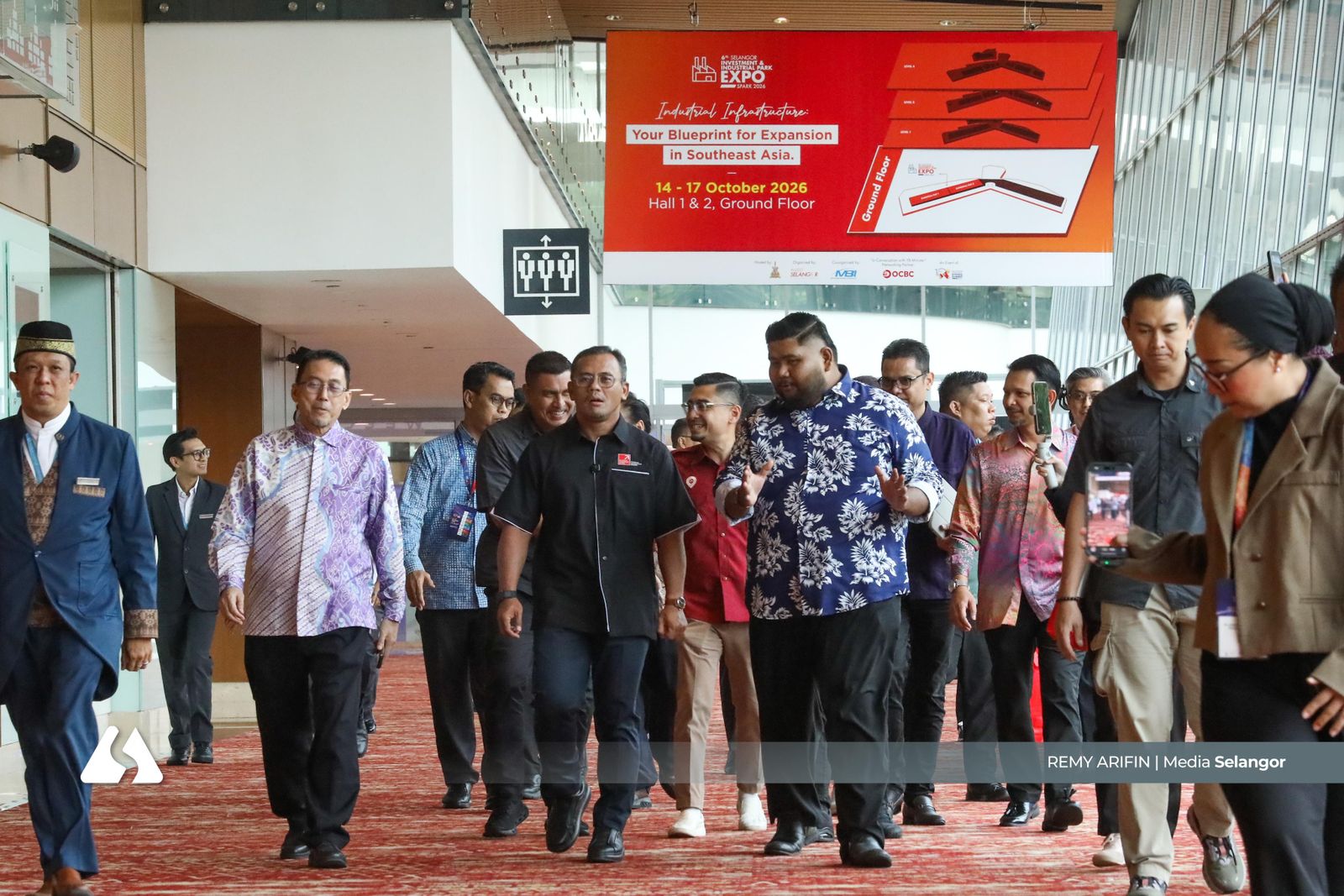
“We will make Selangor the easiest place to set up a care enterprise, providing a solid foundation for operators without ever compromising on the high standards of safety and quality our citizens deserve,” he said at the expo, held in conjunction with the Selangor International Business Summit (SIBS), at Kuala Lumpur Convention Centre today.

On care sector incentives, Amirudin said the state is exploring dedicated visas to attract international companies and experts, as well as providing tax exemptions, tax reductions and utility subsidies to help local providers grow.
“First, for global players, we are exploring specialised benefits such as special visas to attract top-tier international care companies and experts to our Selangor.
“Second, we are actively looking into tax exemptions, tax reductions and utility subsidies. We want to lower operational barriers so our homegrown care providers can scale sustainably.”
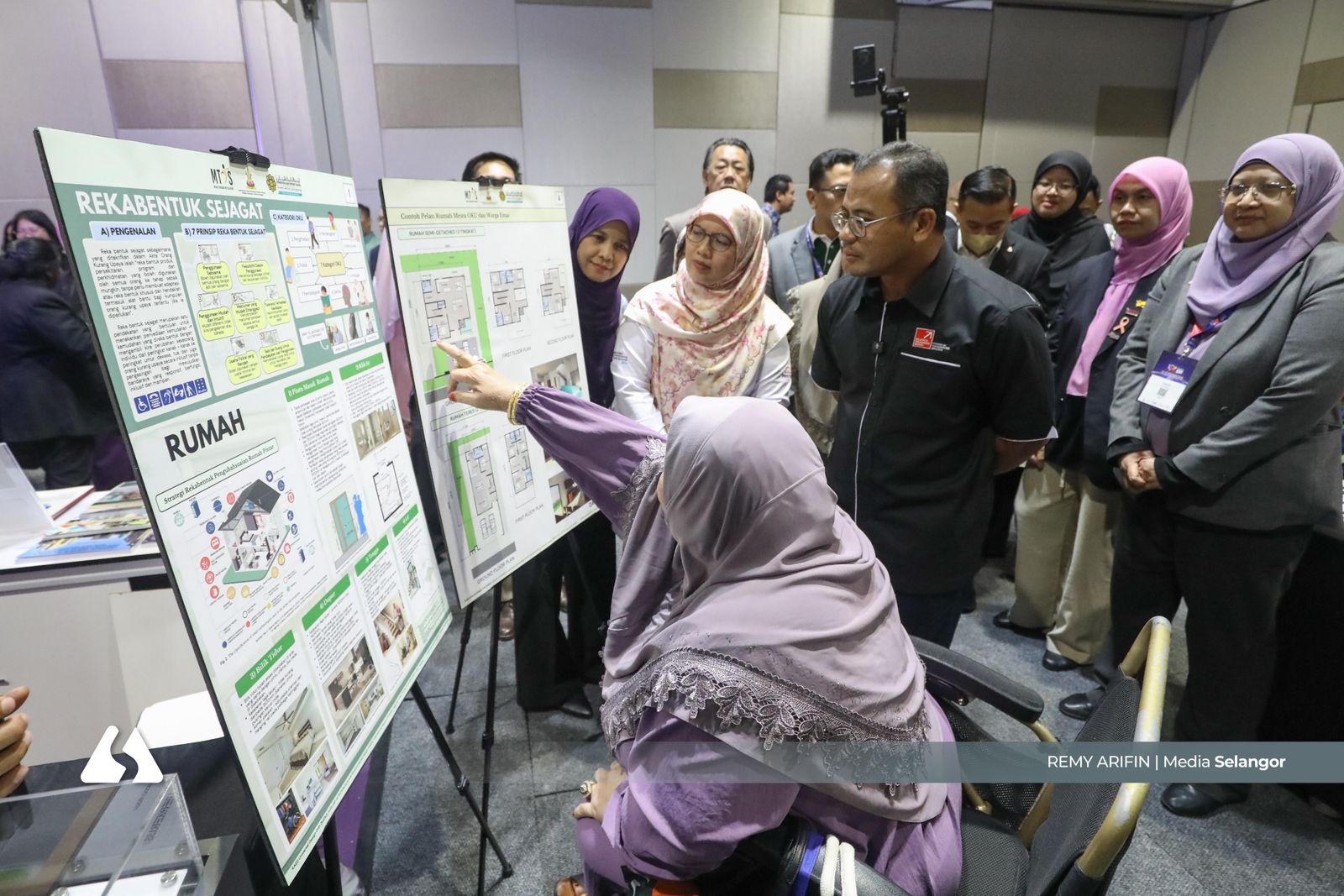
He said the state is also supporting the growth of the care ecosystem through initiatives for the early childhood care businesses in understand areas.
According to Amirudin, Selangor will continue to strengthen caregiver training, volunteer support and ease care services, while developing community based models for elderly care.
This includes existing facilities like senior citizen activity centres, children’s activity centres and community libraries could be better integrated to support care needs within neighbourhoods.
He added that developing the care economy requires collaboration between the government, employers, service providers and communities.