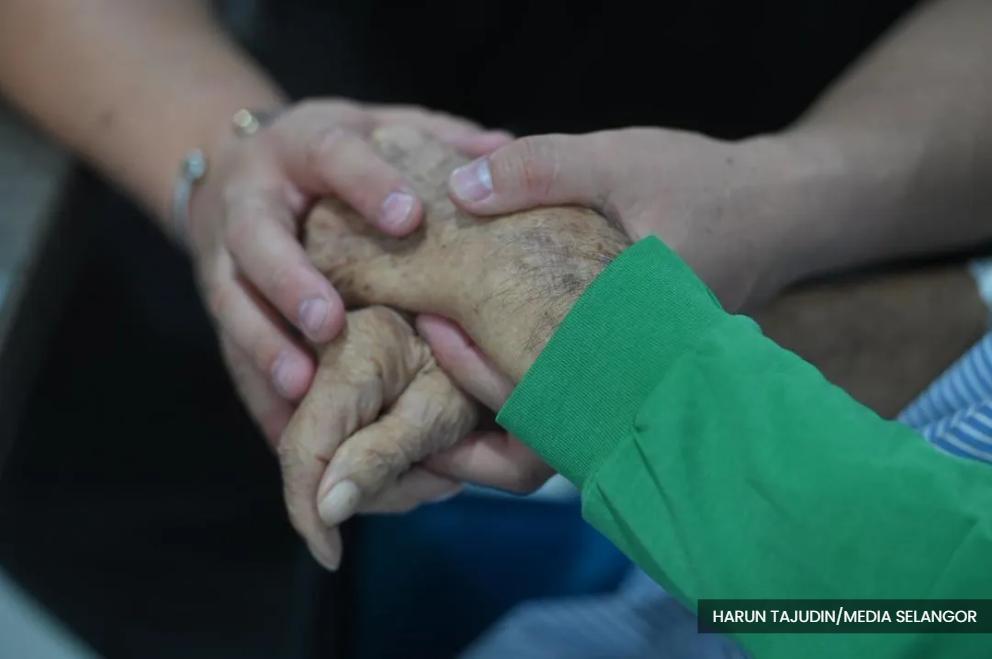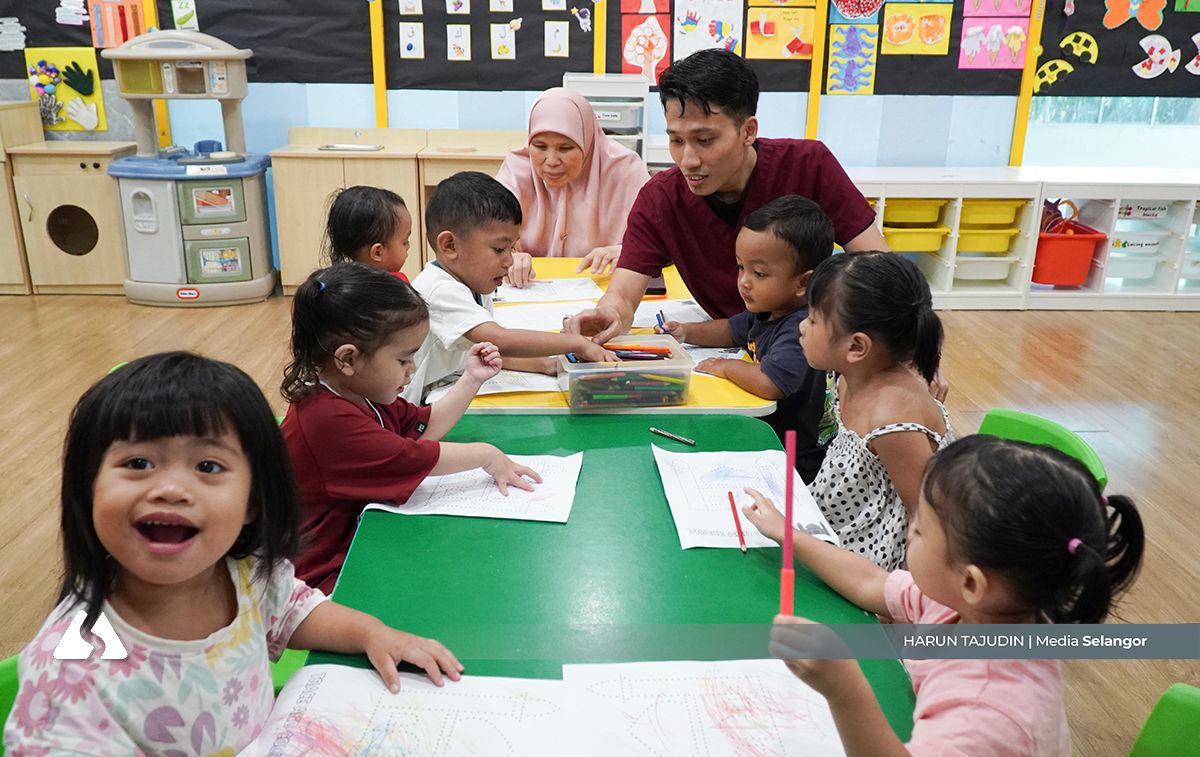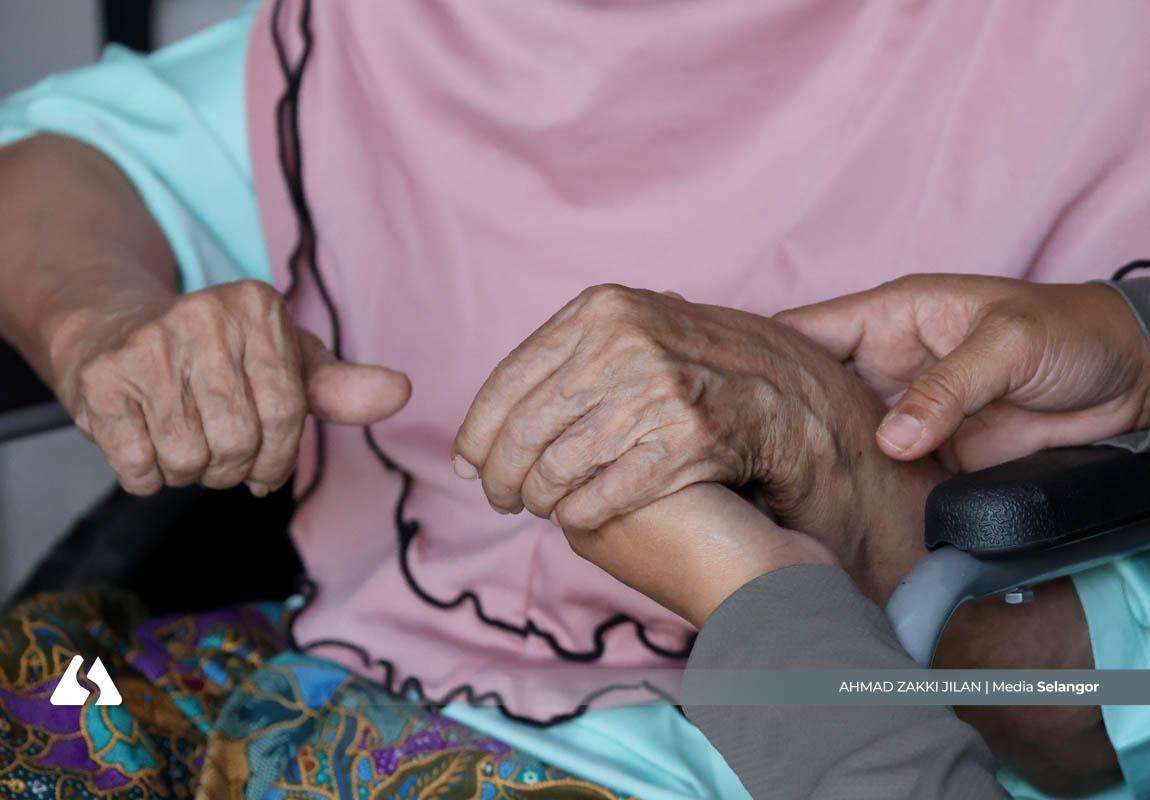
KUALA LUMPUR, Oct 17 — Selangor is stepping up efforts to transform informal caregiving from an unpaid family obligation into a recognised economic sector through professional training, investment and better support for caregivers.
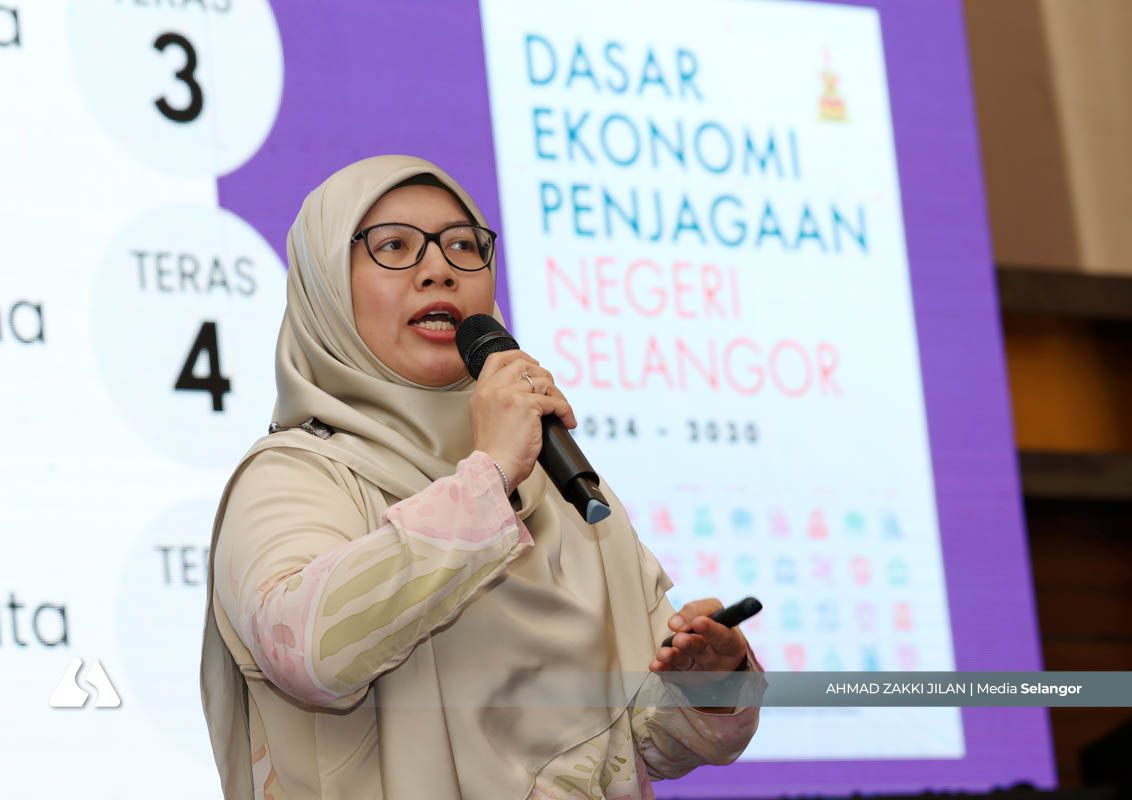
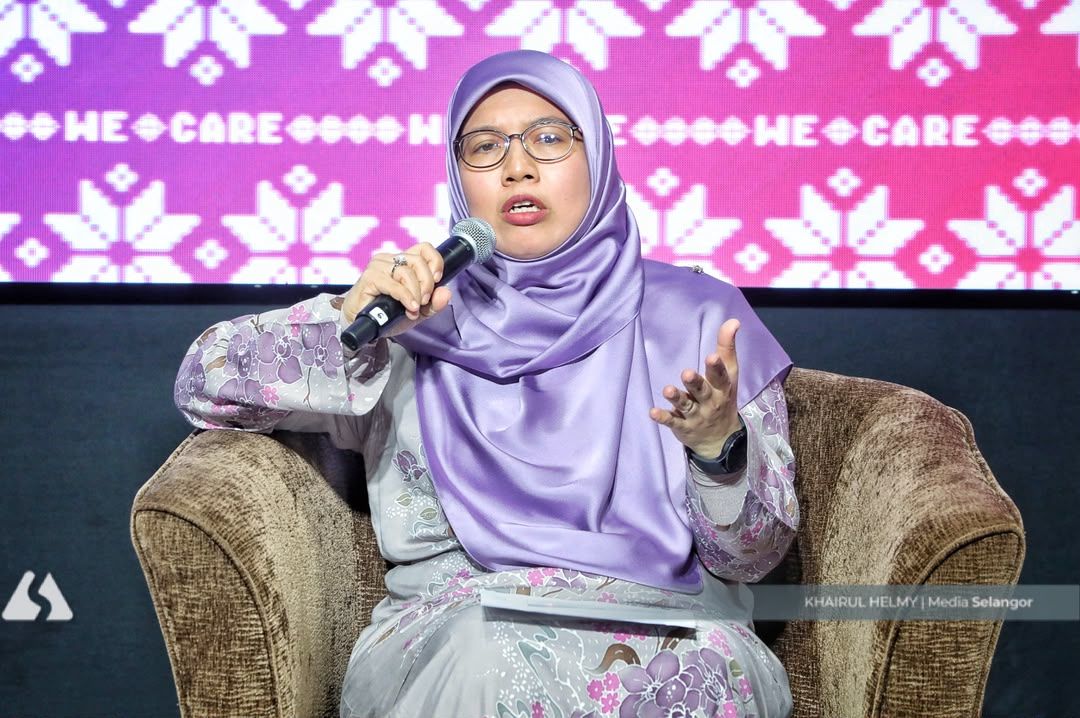
State executive councillor for women empowerment and welfare Anfaal Saari said strengthening the care economy is crucial to help more women participate in the workforce, as they often bear the bulk of care responsibilities for children, senior citizens and people with disabilities.
She noted that Selangor’s female labour force participation rate stands at 70.3 per cent compared with 89.3 per cent for men, while women also often face a “maternal penalty” due to societal expectations around motherhood and caregiving.
“Caregiving is more than welfare. It is an economic enabler,” she said during the Selangor Care Network townhall, held in conjunction with the Selangor International Business Summit (SIBS) at the Kuala Lumpur Convention Centre today.
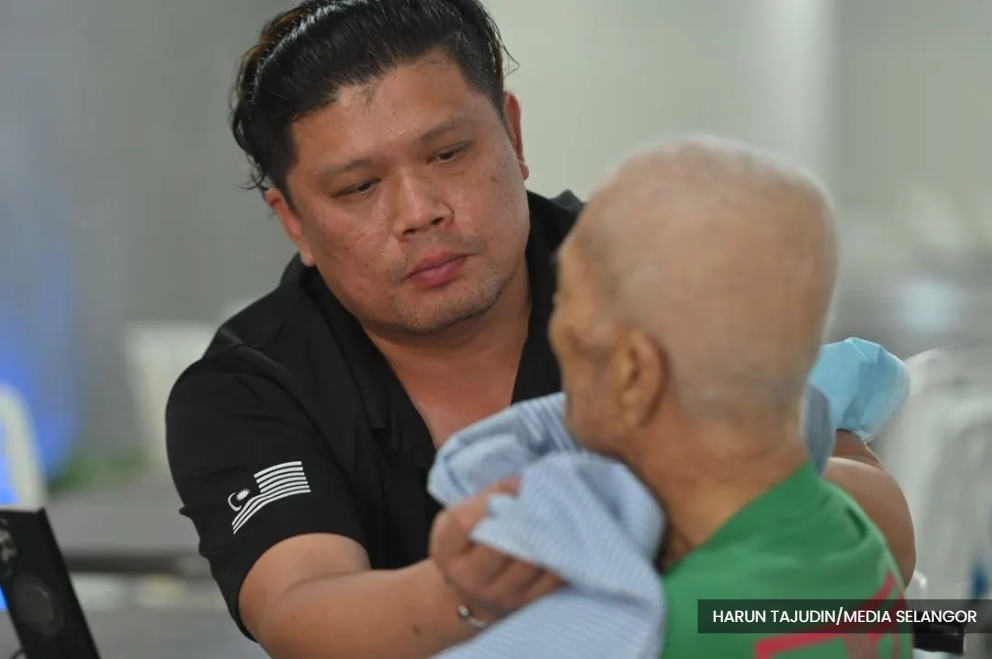
“Everything comes back to care. Children, people with disabilities and the elderly all need to be cared for, and we must also look at the caregivers themselves, who are mostly women.”
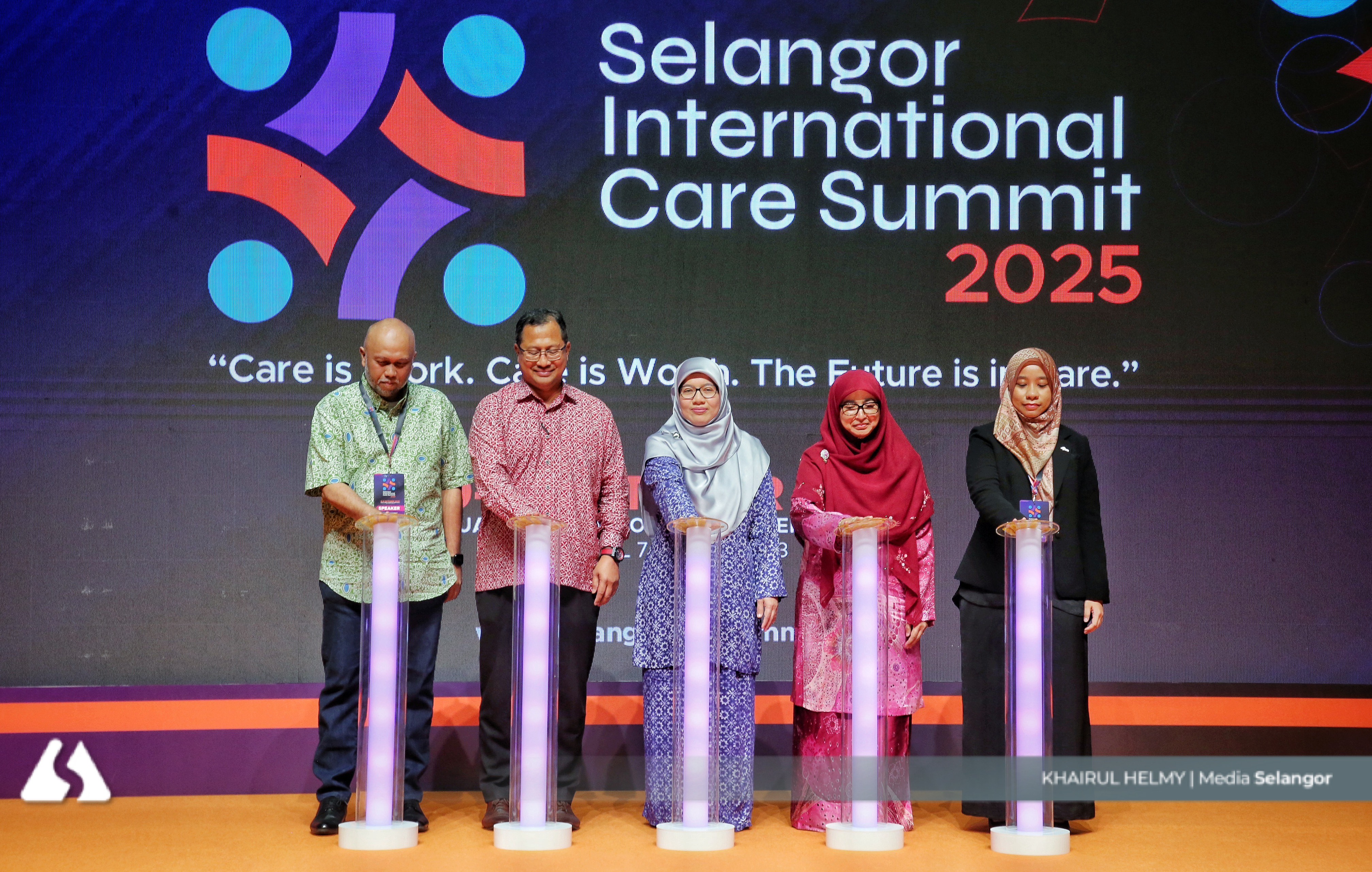
Launched last year, the Selangor Care Network gathers local authorities, non-governmental groups, academics, industry players and communities to develop policies and initiatives based on caregivers and care recipients’ needs.
Anfaal said Selangor aims to move beyond viewing caregiving as just social welfare and instead develop an ecosystem that recognises caregivers’ contribution to economic growth and employment.
“We cannot just talk and talk. It cannot stay a theory. We must execute and turn it into actionable items that people can actually feel and benefit from.”
She said the state also aims to encourage more “carepreneurs” by creating opportunities for homemakers, single mothers and young people to enter the care industry.
Plans include transforming the state’s existing care centre grant initiative into a Care Centre Empowerment Programme, with greater emphasis on service quality, compliance and technology.
Caregiver training initiatives will also help informal caregivers develop practical skills and pathways towards professional employment.
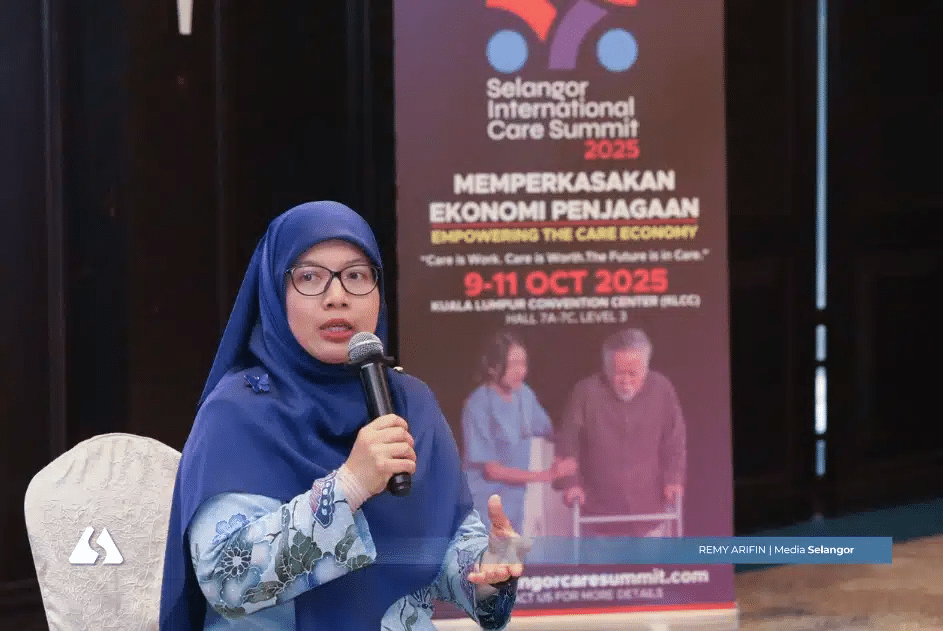
Anfaal stressed that caregivers deserve professional recognition and fair remuneration, warning that low salaries could drive skilled workers overseas.
“If we want to retain our talent, we must provide a dignified salary ecosystem and a respected profession,” she said.
Other initiatives include the Selangor Care Navigator to help vulnerable households access aid, a respite care wellness hub to provide relief for family caregivers, and the proposed Care Block model inspired by Colombia’s Bogota city, which integrates community services to reduce domestic care burdens and create opportunities for women.
Anfaal said the long-term goal is to establish a comprehensive care ecosystem that improves care recipients’ well-being, supports caregivers and strengthens the sector’s economic contribution.
“We are building an ecosystem. Once we establish it, we can provide a platform for industry players to scale up and ensure the care economy is seen as an active economic sector rather than just (an area of) welfare,” she explained.