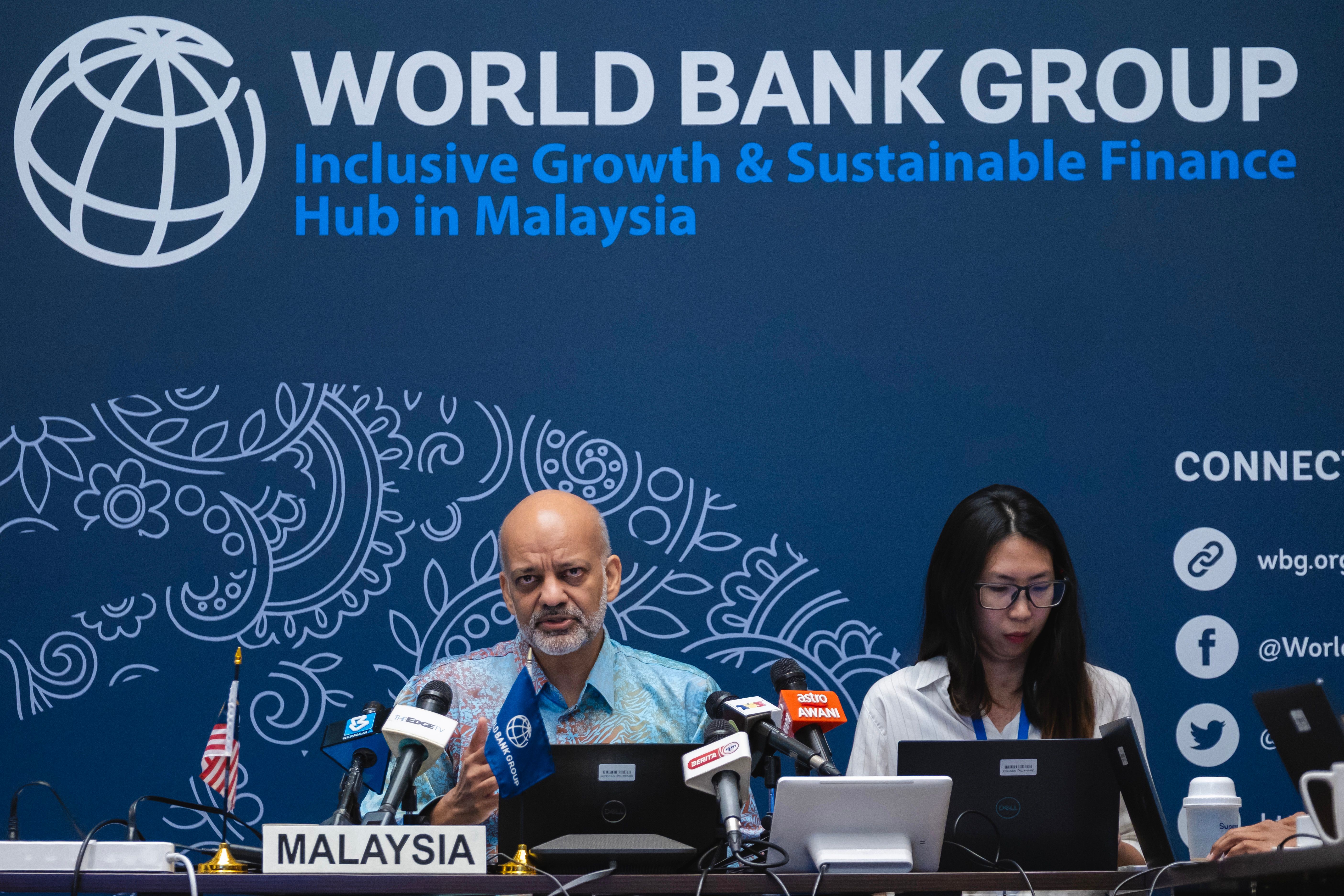
KUALA LUMPUR, Oct 17 — Selangor is a model of how strong economic growth can narrow regional income disparities, said World Bank Malaysia lead economist Apurva Sanghi.
He noted that the income gap between the state’s richest and poorest districts have narrowed from about twofold in 2019 to 1.6 times today, with Sabak Bernam and Kuala Selangor growing faster than established urban centres like Klang and Petaling.
“This is what economic convergence looks like,” he said on Wednesday during the Selangor ASEAN Business Conference (SABC), held in conjunction with the Selangor International Business Summit (SIBS) at Kuala Lumpur Convention Centre.
Apurva also praised Selangor for greatly investing in its human capital.
"Selangor is an economic powerhouse. It is home to roughly one in five Malaysians and it contributes more than a quarter of the country’s economic output.
"It is the state with the highest tertiary education enrolment, recording 480,000 intakes in 2025, or 35 per cent of the national intake, mainly in private institutions.”
He urged other states to invest beyond major urban centres, develop policies tailored to each district, and strengthen federal-state cooperation through more routine funding.
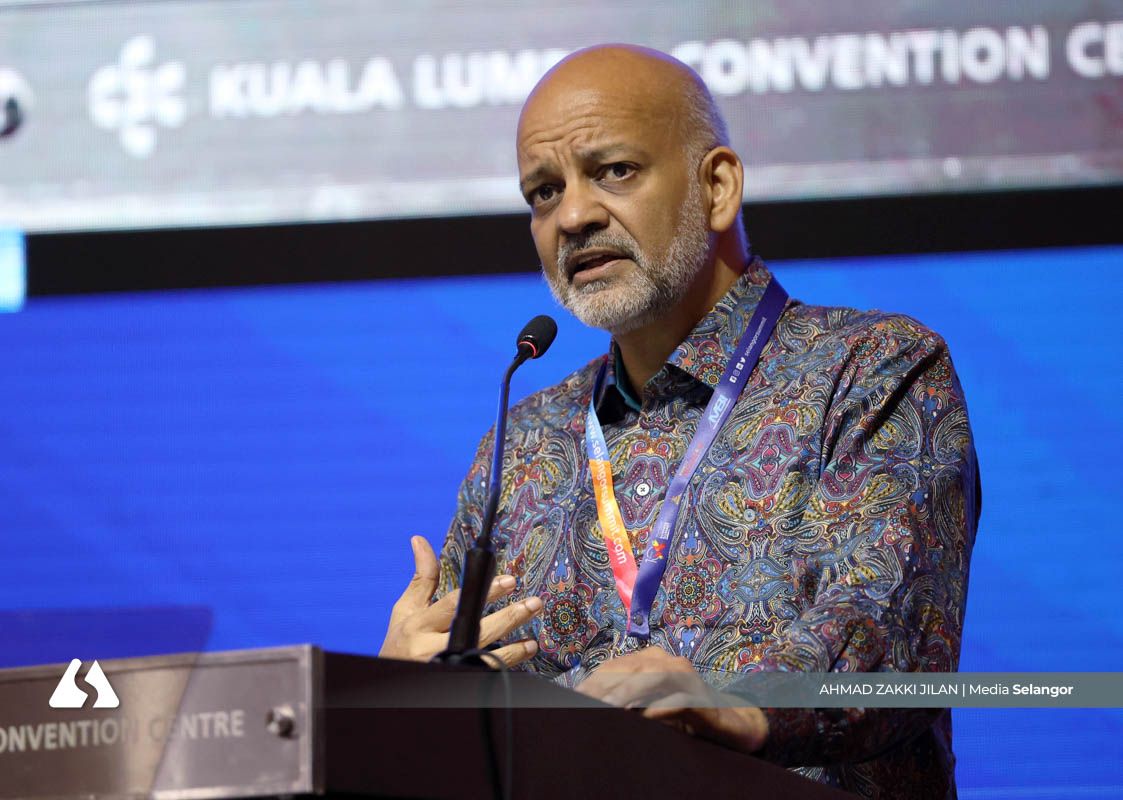
Apurva said regional income disparities also remain significant, with wealthier states growing much faster than poorer ones. He noted that the average income in Kuala Lumpur is about eight times that in Kelantan, while Sabah and Perlis are growing around three percentage points below their estimated potential annually.
“Will Malaysia’s journey to high-income status bring it together as one nation, or leave it with several Malaysians moving at different speeds?” he asked.
Meanwhile, Apurva said Malaysia can achieve high-income status by the end of the decade, but less than half of its population are set to earn high incomes, highlighting a challenge in ensuring economic growth translates into better incomes and opportunities.
“We project Malaysia’s economy to grow by 5.1 per cent this year. This is also above the projected regional growth rate of 4.5 per cent. The country’s real income per capita is almost 18 per cent higher than before the pandemic.
“... But by the end of this decade, even if Malaysia crosses the high-income threshold, we project that fewer than one in two Malaysians will earn a high-income wage.”
On regional development, Apurva said intra-ASEAN trade accounted for just slightly more than one-fifth of the region’s total trade, partly due to differing regulations, customs procedures and restrictions on services.
These barriers, he said, increase business costs, particularly for small and medium enterprises seeking to expand across borders.
“This requires fewer non-tariff barriers, better regulatory coordination, more open services markets and more predictable rules,” he said, while urging ASEAN countries to accelerate AI adoption to improve productivity and help smaller businesses compete.
For Selangor, Apurva said the ambition to become ASEAN’s model state by 2030 presents an opportunity to contribute to deeper regional economic integration.