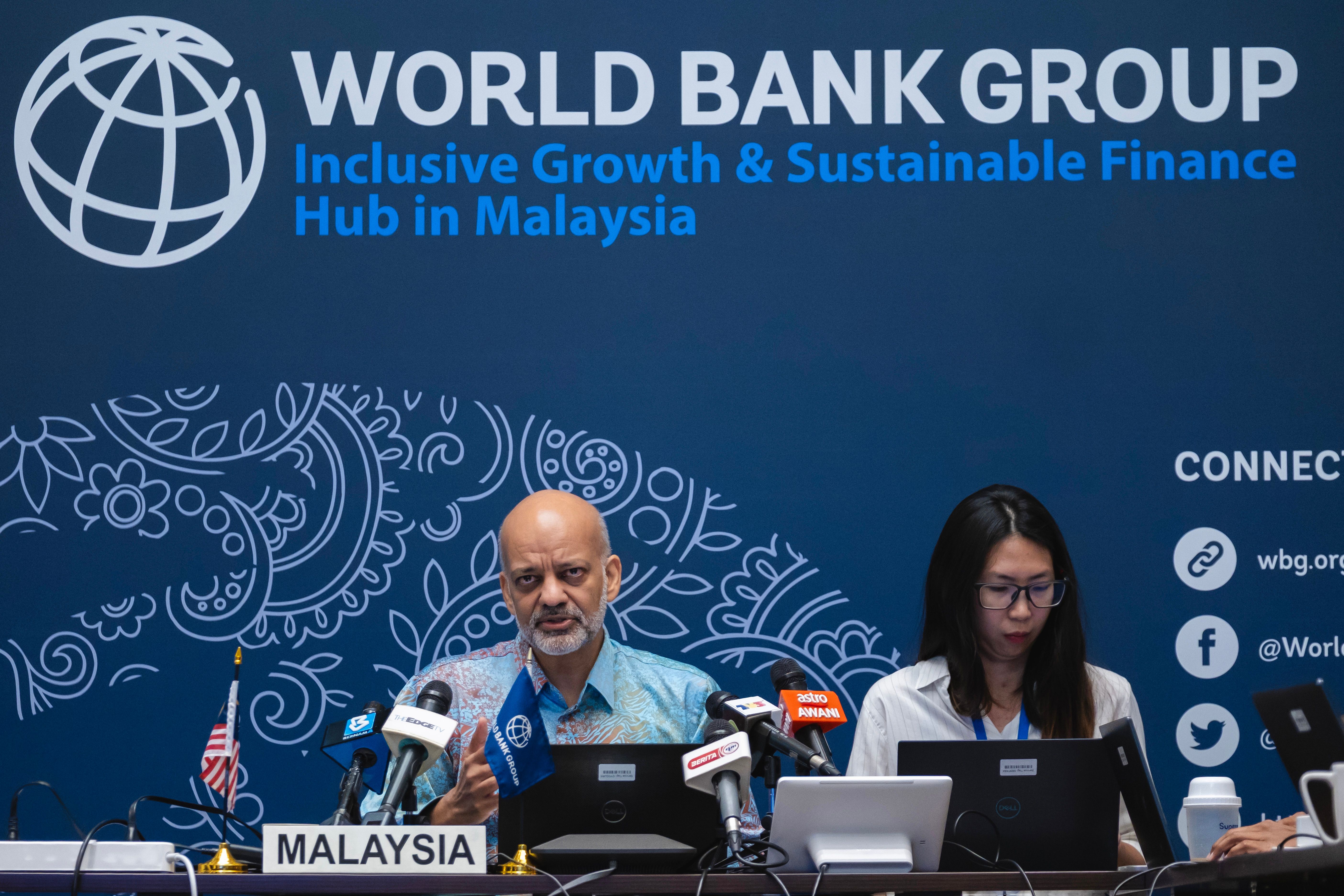
KUALA LUMPUR, April 9 — BUDI Madani RON95 (BUDI95) is a step in the right direction amid the West Asia crisis as Putrajaya seeks to better manage fiscal pressures while ensuring subsidies are distributed more efficiently, said World Bank lead economist for Malaysia Apurva Sanghi.
He said adjusting fuel quota limits is a more targeted approach, helping ensure subsidies are more fairly allocated across different income groups.
“Fuel subsidies in Malaysia are regressive, with the T10, T20 benefiting much more compared with others, and if you look at who consumes most of the fuel, it is the T10, T20 segment. In fact, they have been known to consume more than 200 litres.
“Now that the quota is temporarily adjusted to 200 litres, I think it is absolutely okay in terms of addressing the aggressivity that they pay more. That is definitely a step in the right direction, he told reporters at a briefing on Part 1 of the World Bank’s April 2026 Malaysia Economic Monitor (MEM), titled “Raising the Ceiling, Raising the Floor, Advancing Malaysia’s Jobs and Productivity Agenda”, here today.
On April 1, the individual monthly limit under BUDI95 was revised to 200 litres per month from 300 litres previously, amid the ongoing conflict in West Asia.
Subsidised RON95 stays at RM1.99 per litre.
Apurva said the BUDI95 quota adjustment is a short-term measure, but if the fiscal situation worsens, further adjustments may be necessary.