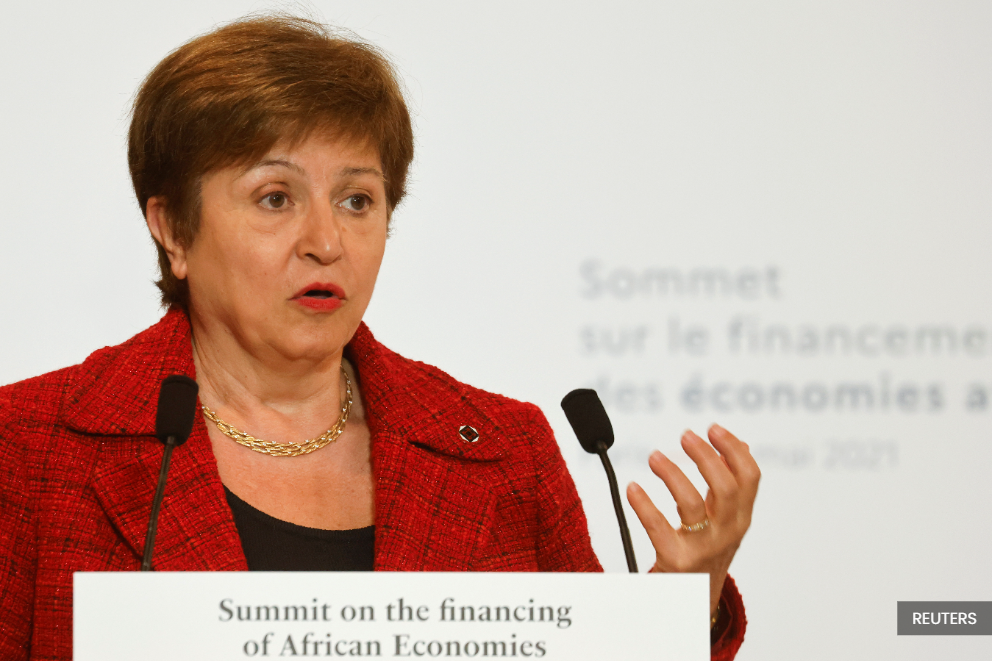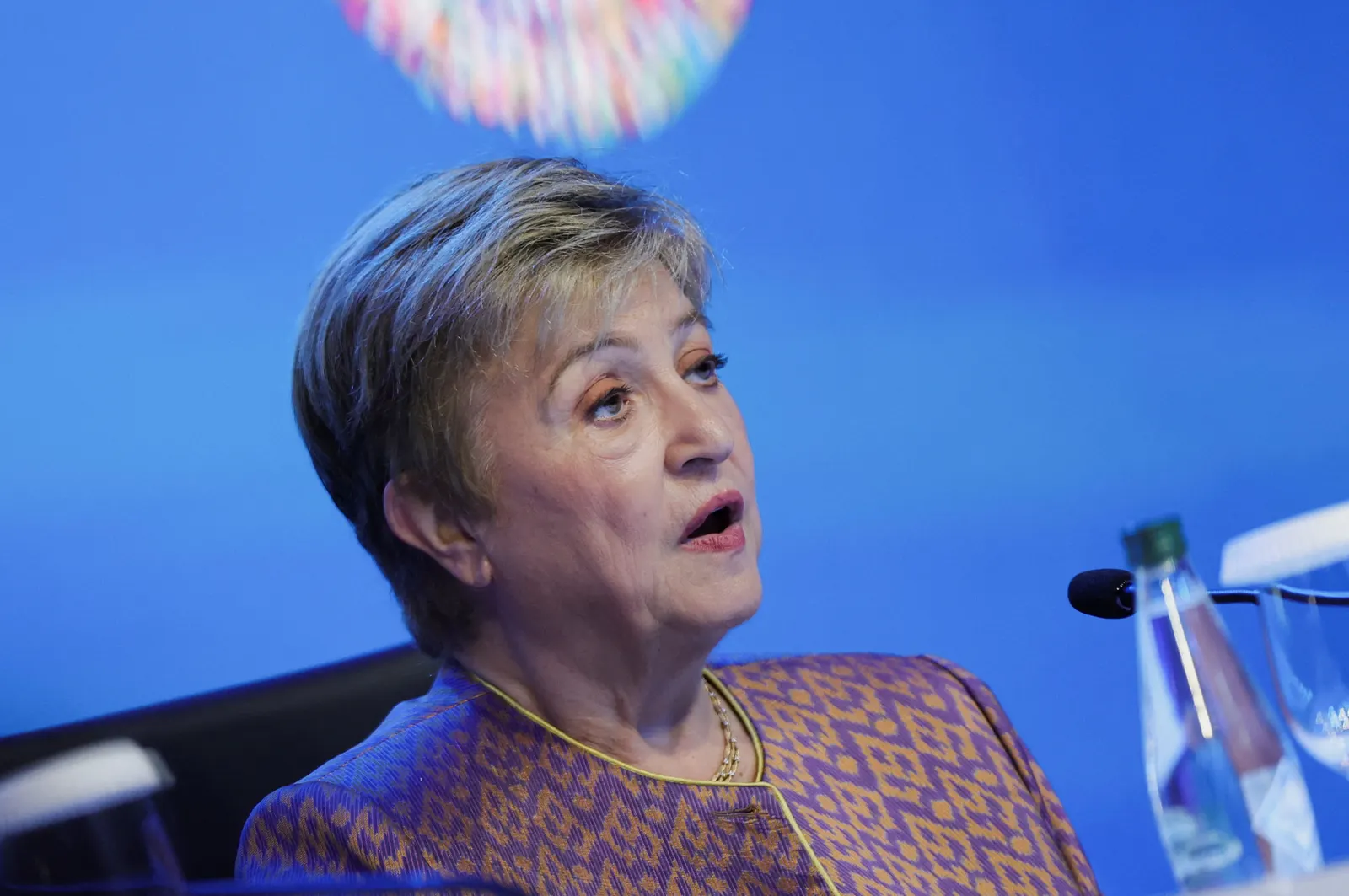
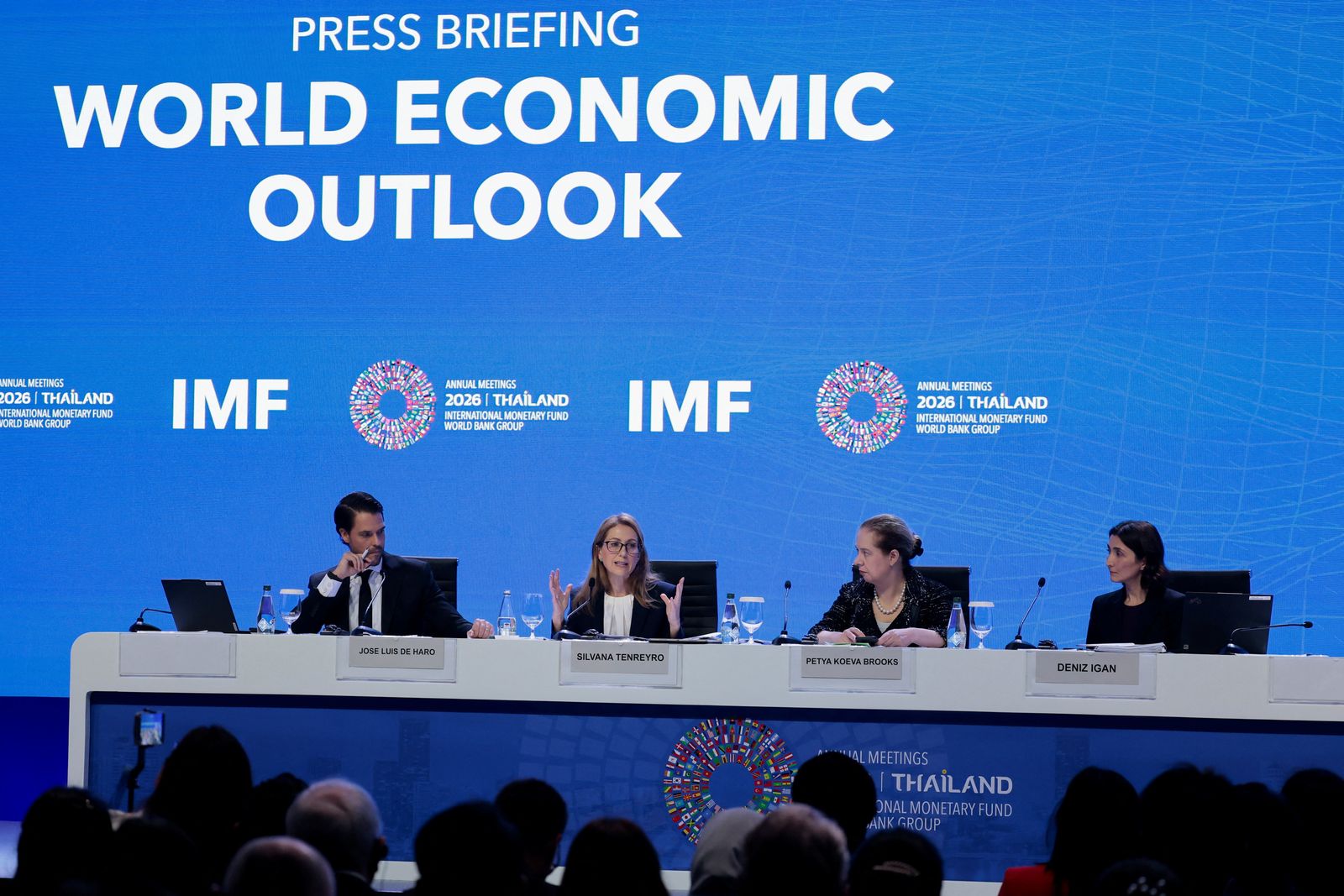
BANGKOK, Oct 14 — The United States (US) cannot grow its way out of mounting public debt without tax or spending adjustments, while China must pivot from export-led growth towards more domestic consumption, International Monetary Fund managing director Kristalina Georgieva said today.
She admonished the world's two largest economies to make painful policy changes to reduce growing fiscal and trade imbalances, as her fiscal affairs chief said inflation, high debt levels, and rising yields had heightened the urgency for fiscal consolidation worldwide.
Speaking at the IMF and World Bank annual meetings in Bangkok, Thailand, Georgieva singled out advanced economies, namely the US and European countries, as the "worst offenders" on excessive debt, with higher benchmark yields spilling over to low-income countries that have already been forced by financial markets to rein in debt.
Asked at a media conference whether the US needs tighter fiscal policy, she said US Treasury Secretary Scott Bessent recognises that US deficit and debt levels are too high and need to be made more sustainable.
"The authorities very much rely on strong growth in the United States" to help reduce debt. At the Fund, we believe that growth of course helps, but it cannot deliver fast enough the necessary adjustments. So, some (fiscal) measures would be necessary," Georgieva said.
The call for more action to reduce debt was echoed in the IMF's Fiscal Monitor report today, which warned that delays in an era of higher borrowing costs would only make the job harder in coming years.
While that message is a perennial one from the IMF, its Fiscal Affairs department head Rodrigo Valdés said the surge in bond yields has left governments with little fiscal room to manoeuvre.
"We dialled up the urgency of our message," he added.
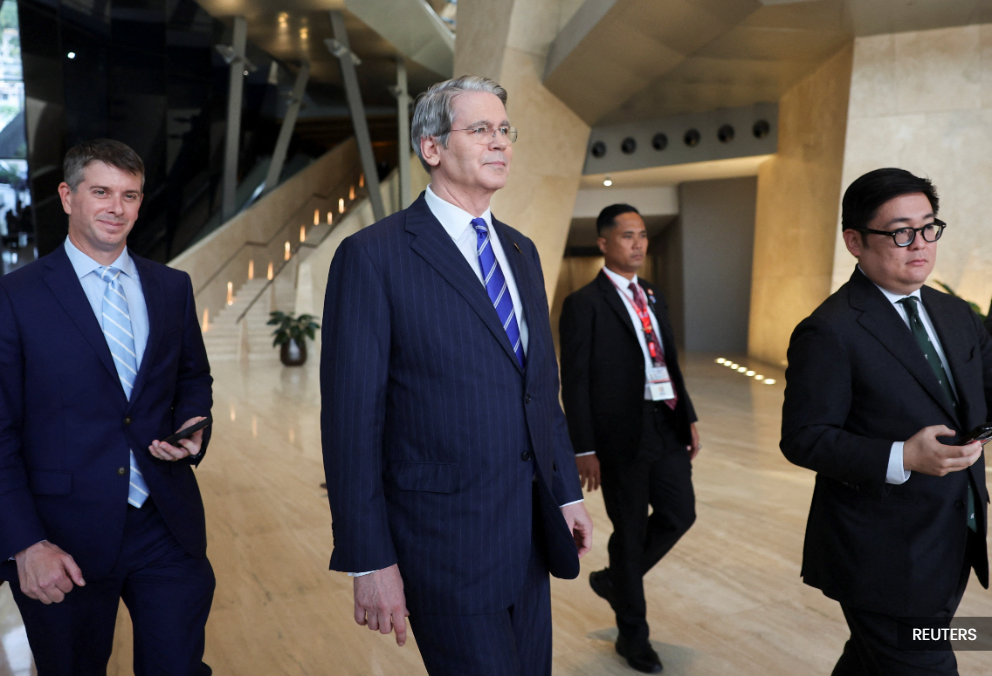
Bessent no-show
Bessent is not attending the annual meetings in Bangkok, despite this year's US presidency of the Group of 20 major economies, instead favouring domestic engagements as the US midterm election campaign heats up.
He has acted as a chief spokesman for President Donald Trump's economic policies, particularly touting the deep tax cuts passed last year by Republicans now trying to maintain control of the US Congress.
G20 finance ministers are due to meet on the sidelines of the Bangkok meetings tomorrow. The US has used its G20 presidency to rally allies to take stronger action to counter China's "non-market" economic policies, which have led to excess industrial capacity and a flood of global exports.
When asked about imbalances emanating from China, on a day when data showed it was on track to post a record trade surplus, Georgieva repeated longstanding advice to Beijing: "For surplus countries, what they need to do is increase domestic consumption. That clearly applies to China's growth model. Shift from export more toward domestic consumption."
She noted that deficit countries need to save more and spend less, while Europe needs to invest more in competitiveness.
"To put it very simply, China needs to spend more, the US has to save more, and Europe has to invest more," Georgieva said.
Call for aid to poor countries
This week's meetings have been dominated by worries about growing debt and rising bond yields and risks from the artificial intelligence (AI) boom.
Regarding the growing divergence between advanced countries benefiting from AI investment and those bypassed by it, highlighted in today's IMF economic forecasts, she also urged IMF member countries to fully fund IMF facilities for low-income and vulnerable countries.
These include the Poverty Reduction and Growth Trust, which provides low- and zero-interest loans to low-income countries, and the Catastrophe Containment and Relief Trust, a fund that provides grants for debt-service relief and cancellation to the poorest and most vulnerable member countries.
Georgieva observed that these countries were also being squeezed by higher bond yields, with average debt service costs rising to 14 per cent of revenue from six per cent a decade ago, even as overall debt burdens have eased.
"The risk of divergence is most dangerous for those that are already further behind," she said.