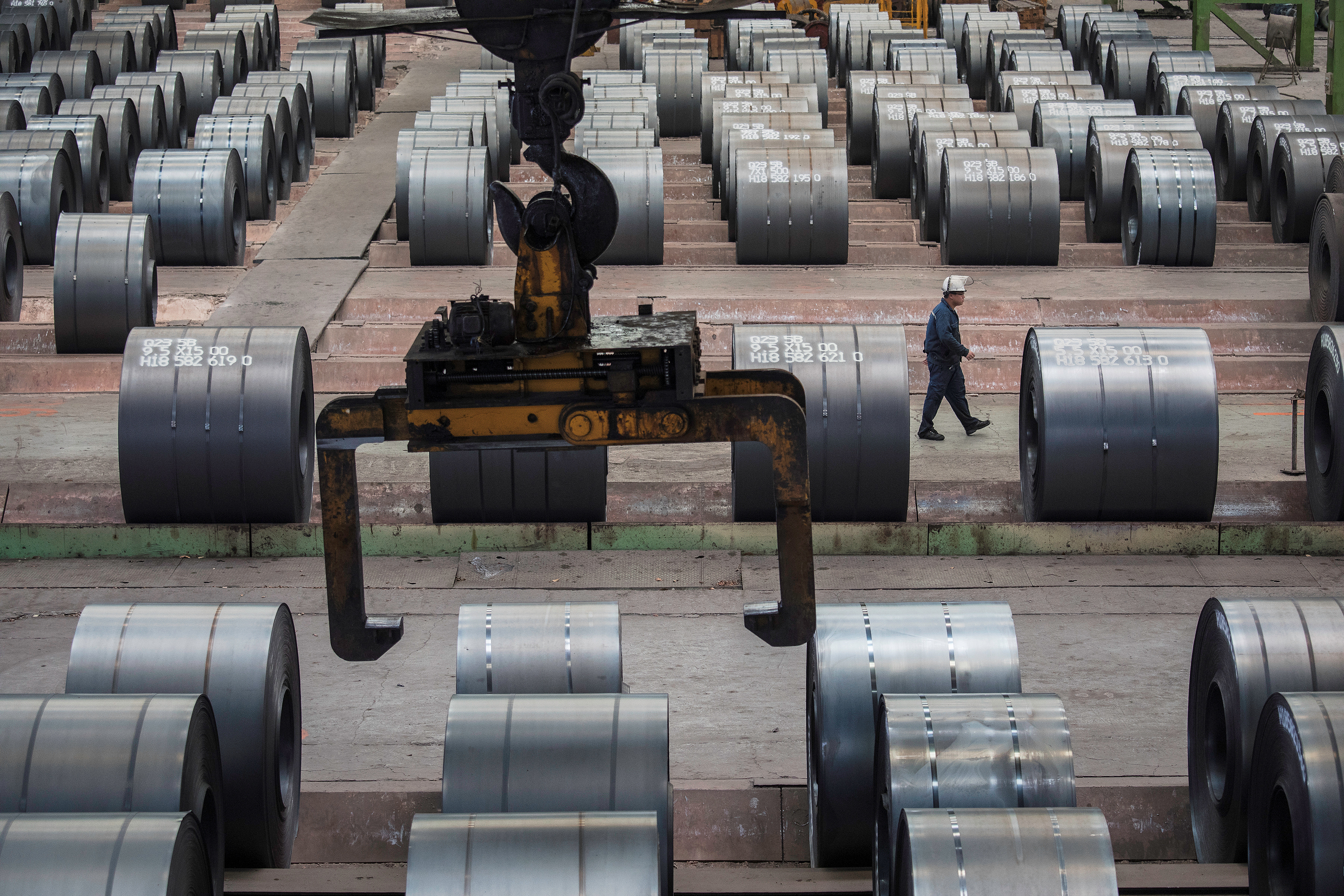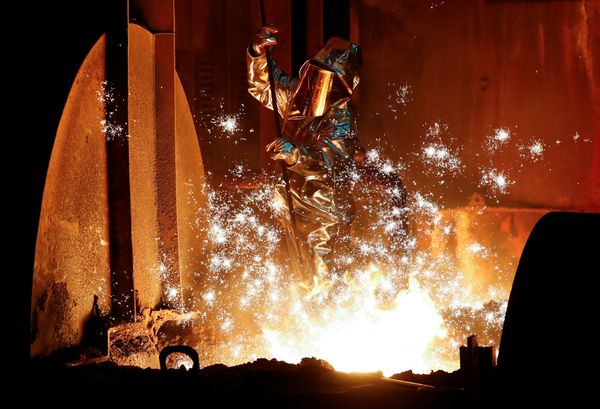
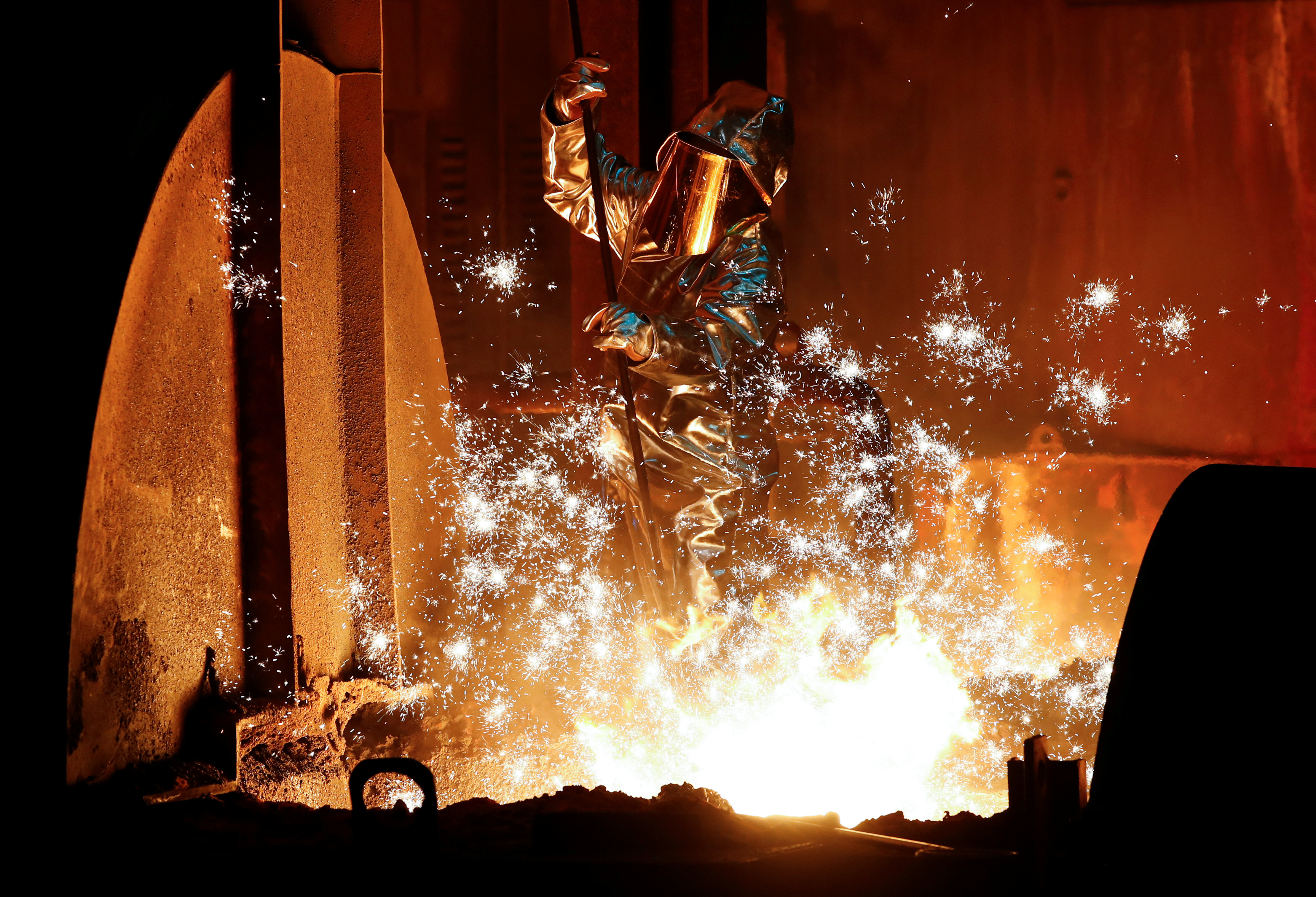
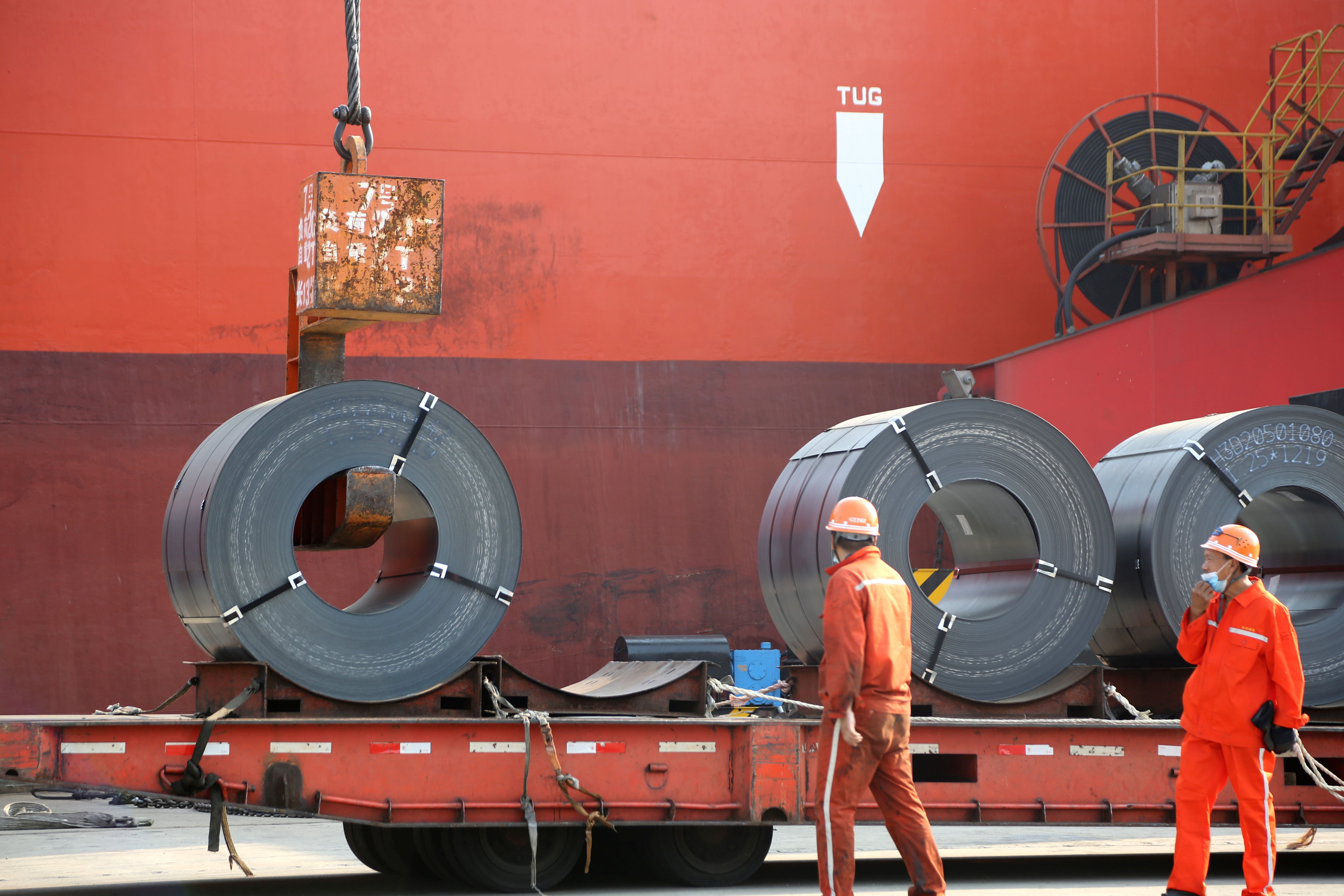
KUALA LUMPUR, Oct 12 — The iron and steel sector is among those frequently facing pressure from dumped imports of intermediate goods, with eight of Malaysia’s nine existing anti-dumping measures covering products in the sector.
The Investment, Trade, and Industry Ministry (MITI) said the measures covered products such as steel wire and galvanised iron or steel sheets, while the remaining measure involved plastic and resin products.
“These products are generally intermediate inputs in the production chain rather than finished products or cheap consumer goods sold directly to consumers.
“To protect domestic industries from unfair trade practices, the government continuously monitors import dumping trends and prices,” it said.
Trade remedies, including anti-dumping duties, countervailing duties, or safeguard measures, could be imposed if investigations established that injury had occurred or that an import surge had occurred, in accordance with domestic legal criteria and World Trade Organisation (WTO) rules.
“In addition, the government has improved the legal framework through the Countervailing and Anti-Dumping Duties (Amendment) Act 2025, while reviewing the Countervailing and Anti-Dumping Duties Regulations 1994 to ensure that trade remedy instruments remain relevant and effective,” MITI said.
Since Malaysia joined the WTO in 1995, the government has imposed 77 anti-dumping measures and three safeguard measures and initiated 38 anti-dumping investigations over the past 10 years.
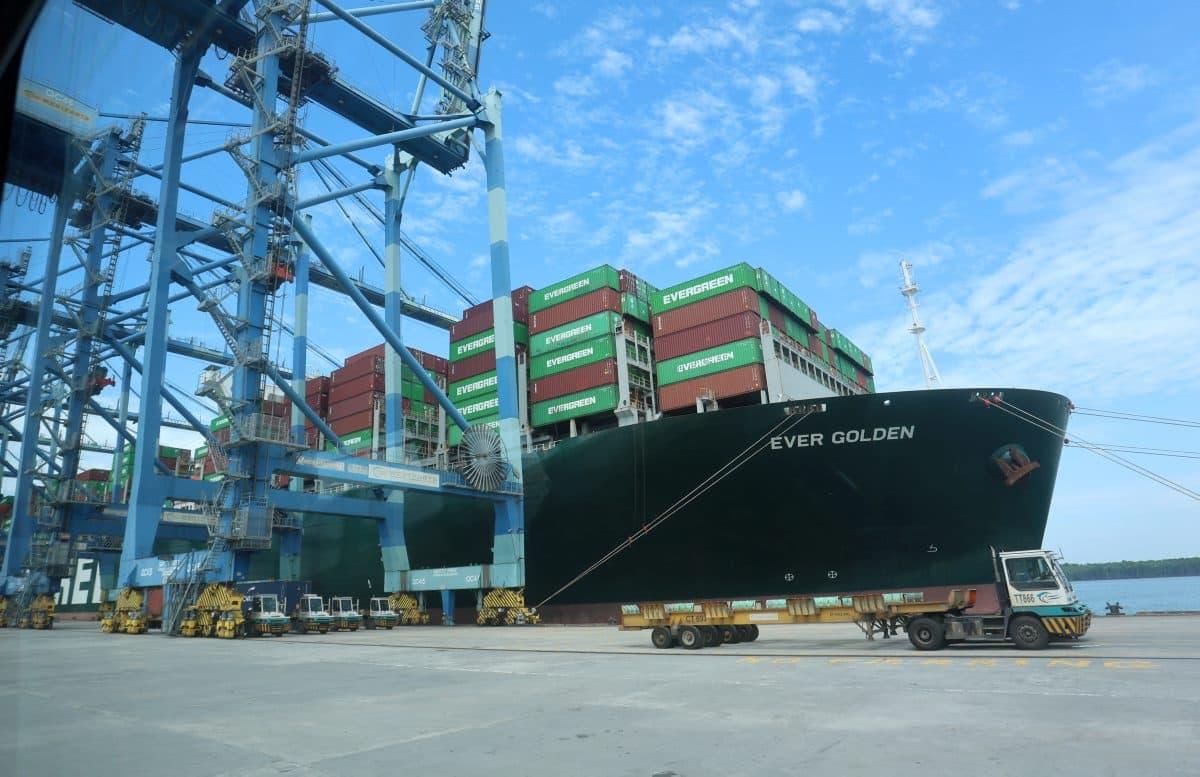
Meanwhile, Malaysia’s total imports rose 22.4 per cent to RM1.158 trillion from January to August 2026. Imports from China amounted to RM308.12 billion, accounting for 21.1 per cent of total imports and up 41.2 per cent from the same period last year.
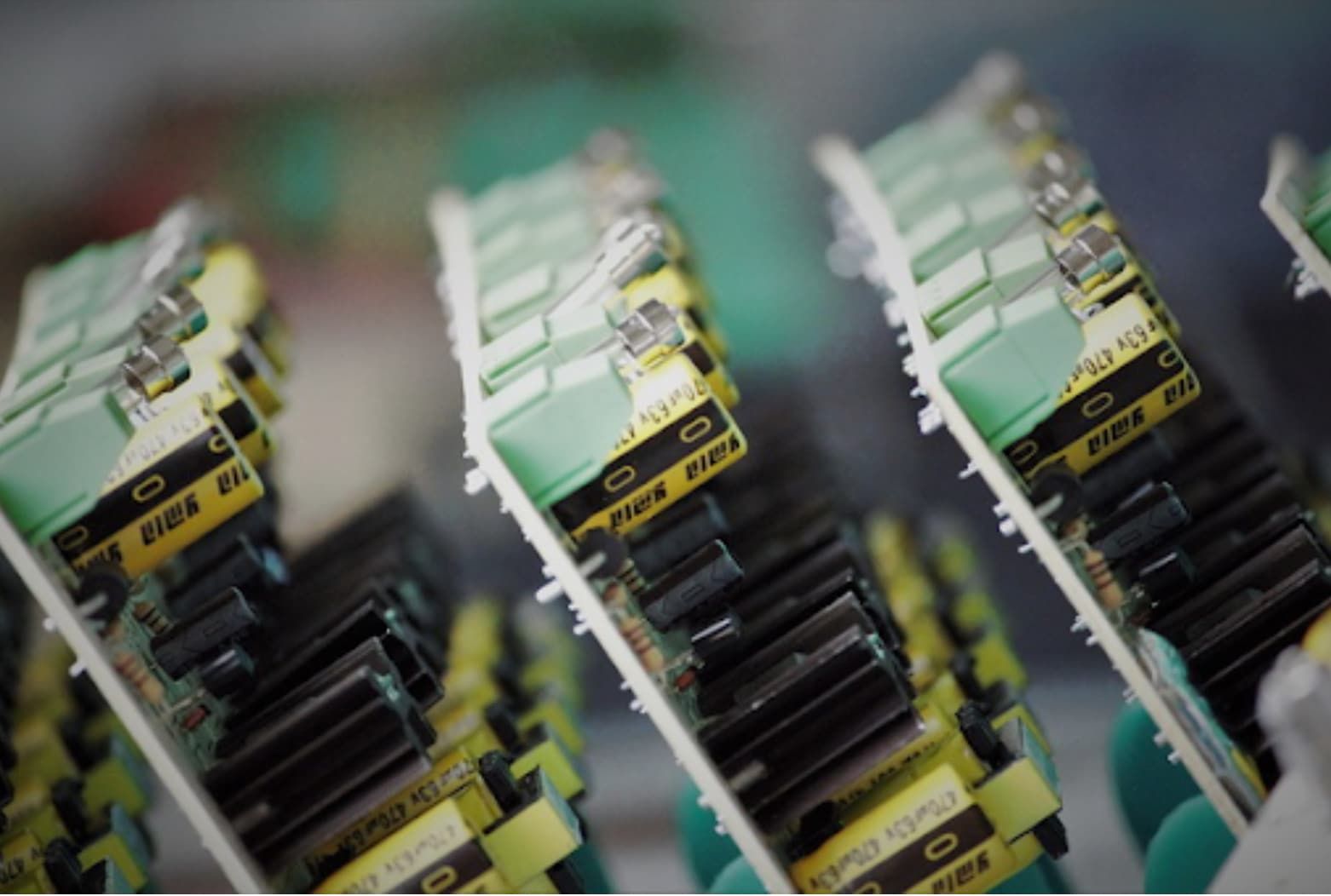
It noted that the increase was driven mainly by intermediate and capital goods to support production activities and investment, which rose 15.6 per cent, compared with a 3.7 per cent increase in consumer goods.
The statistics warrant further assessment to determine whether the increase in imports involved unfair trade practices that harmed domestic producers of like products.
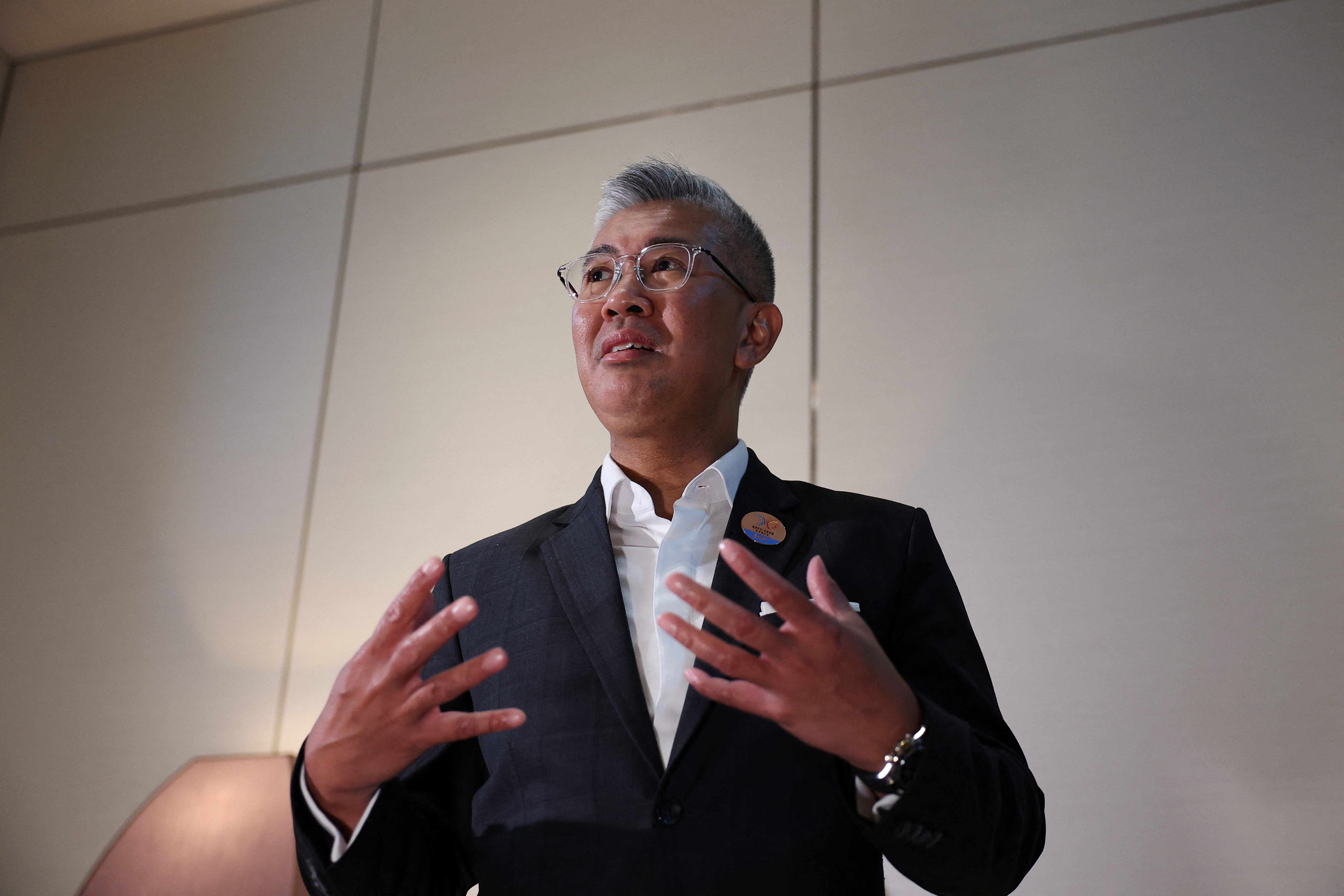
MITI was responding to Bachok MP Mohd Syahir Che Sulaiman's query in the Dewan Rakyat about assessing the impact of trade diversion and dumped imports following higher global tariffs, including sectors seeing an increase in cheap imports and measures to protect domestic industries.