
SHAH ALAM, Oct 6 — Prolonged haze could affect farmers’ incomes and crop growth, Economy Minister Akmal Nasrullah Mohd Nasir said, as transboundary haze from forest fires in Indonesia continues to affect air quality in Malaysia.
He said the El Niño phenomenon, which began in the middle of this year, had also contributed to the current haze situation.
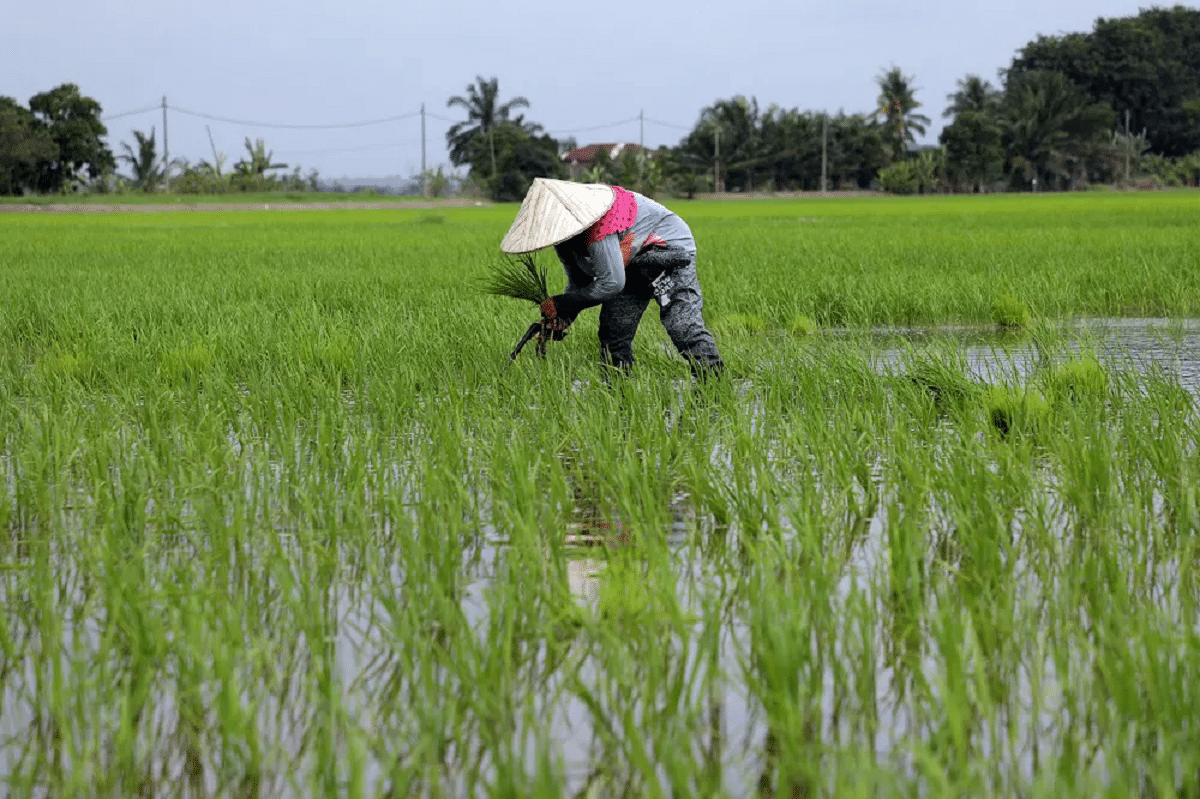
“For the agriculture sector, haze generally does not affect agricultural production to the same extent as prolonged drought or floods. However, prolonged haze has the potential to reduce the sunlight needed for photosynthesis, which will affect the growth, quality and yield of crops.
“Agricultural and plantation workers may also need to reduce their outdoor working hours when air quality deteriorates, affecting their working time and income, particularly those who rely on daily wages.
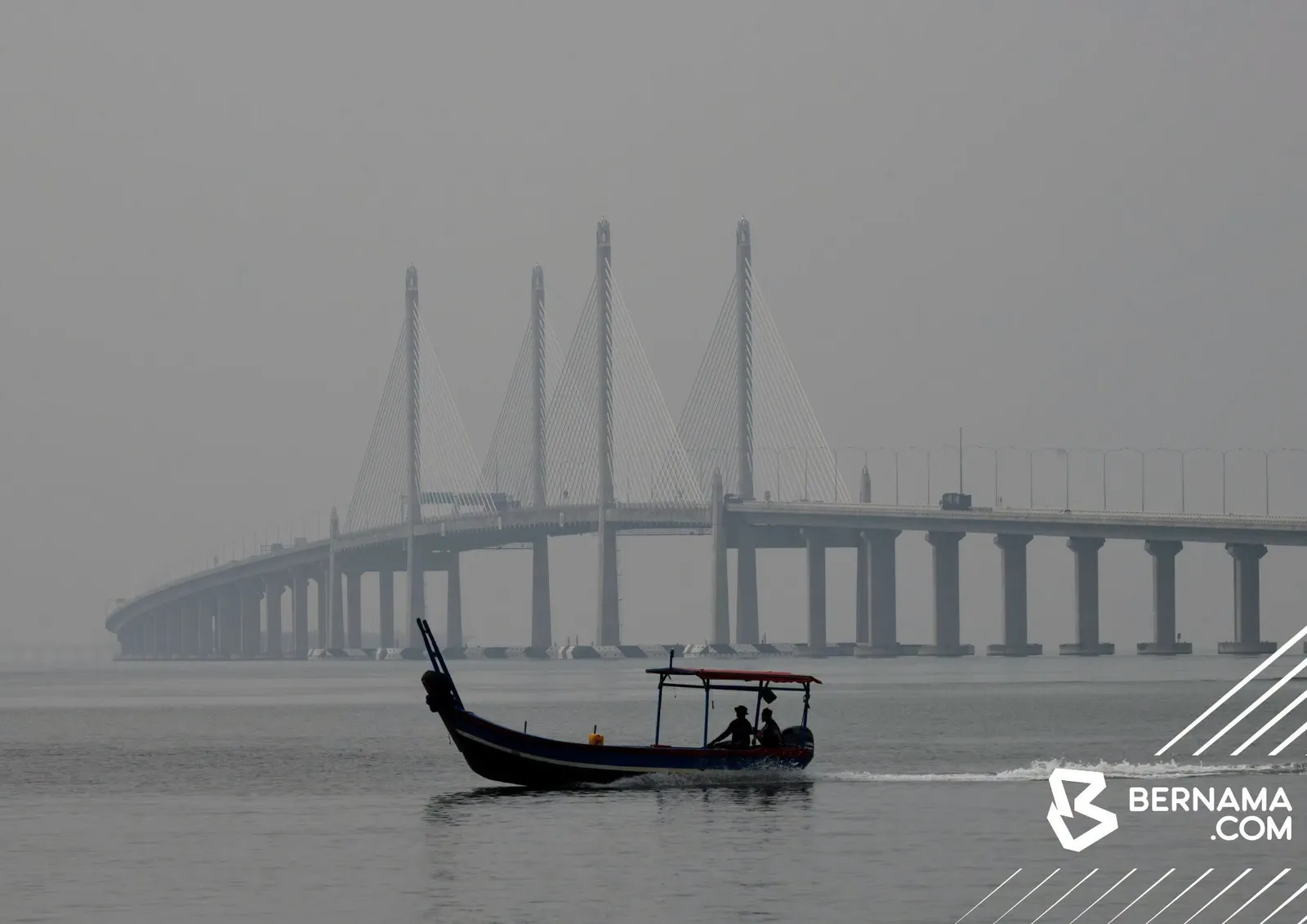
“Limited visibility also increases safety risks for fishermen at sea,” he said in a written parliamentary reply yesterday.
He was responding to Kubang Kerian MP Datuk Seri Tuan Ibrahim Tuan Man on the economic and social implications of haze on public health, agriculture, education, tourism and worker productivity, as well as mitigation measures for vulnerable groups and affected sectors.
To mitigate the impact of haze on agriculture, Akmal said the Agriculture and Food Security Ministry (KPKM) was encouraging research and development initiatives to produce new crop varieties, including rice, as well as livestock breeds that are better able to withstand uncertainties and environmental crises.
He added that the ongoing haze had not significantly affected tourism, particularly during the first two weeks of September, with no significant cancellations of tourism packages recorded.
At the national level, Akmal said haze mitigation measures were coordinated through the National Haze Action Plan, led by the Natural Resources and Environmental Sustainability Ministry.
“If the Air Pollutant Index (API) exceeds 150 for more than 24 hours, the Environment Department (DOE) will notify the National Disaster Control Centre (NDCC),” he said, adding that disaster management committees would then be activated in affected areas.
He said schools and higher learning institutions would be ordered to close if API readings breached the prescribed threshold, while outdoor activities would be suspended when readings exceeded 100.
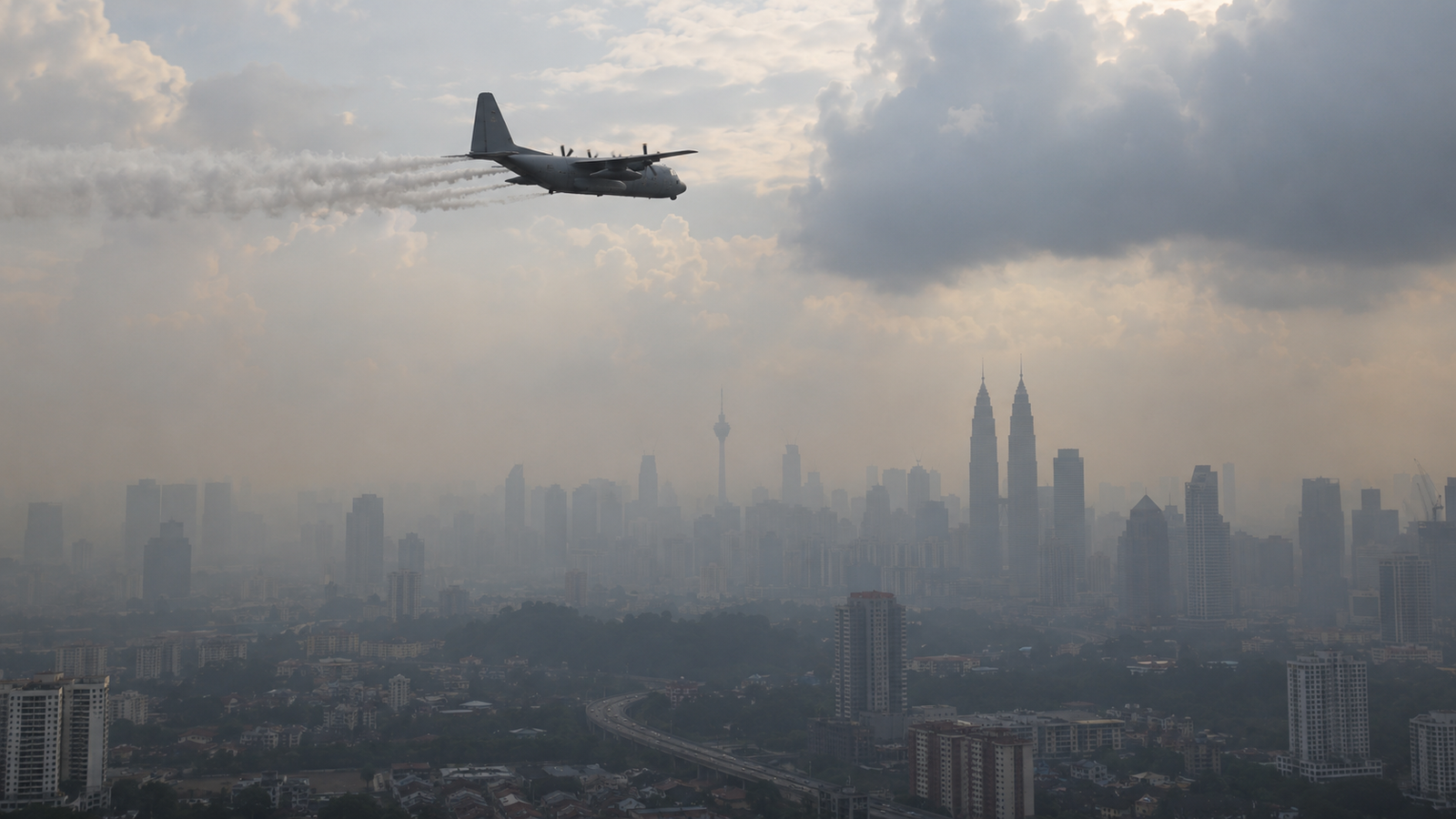
Akmal added that the government could also order cloud-seeding operations to mitigate the haze, with 15 operations carried out between August and September.
He said Malaysia would also continue working with ASEAN member states under the ASEAN Agreement on Transboundary Haze Pollution by sharing information on hotspots, weather conditions and haze movements to support early preventive measures.