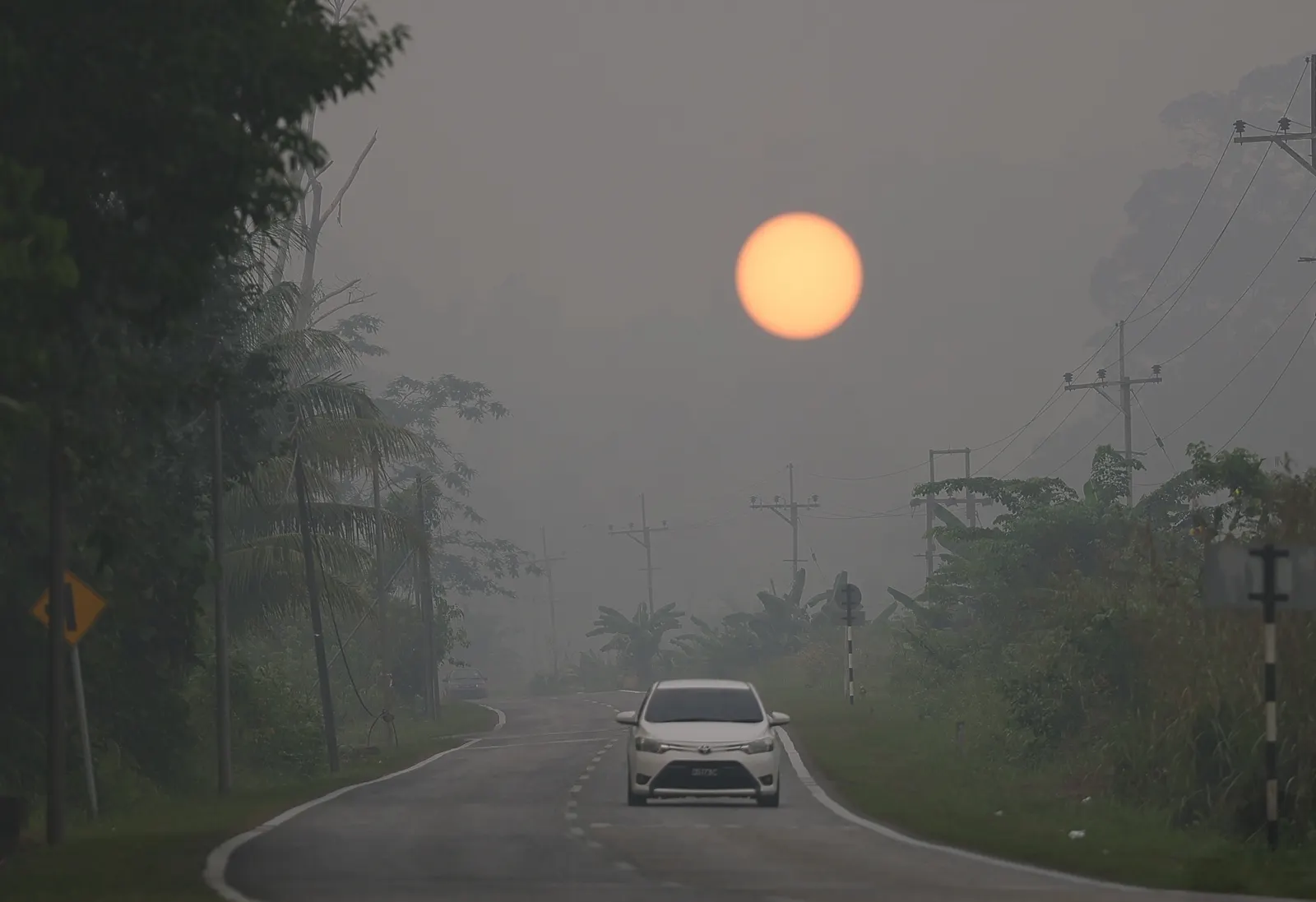

KUALA LUMPUR, Oct 5 — Tackling haze requires stronger coordination with regional partners, not just local agencies, as the pollution does not necessarily originate domestically, said the Environment Department (DOE).
Its deputy director-general (development) Azuri Azizah Saedon noted that while some haze episodes could be caused by local open burning and weather conditions, others could stem from transboundary pollution.
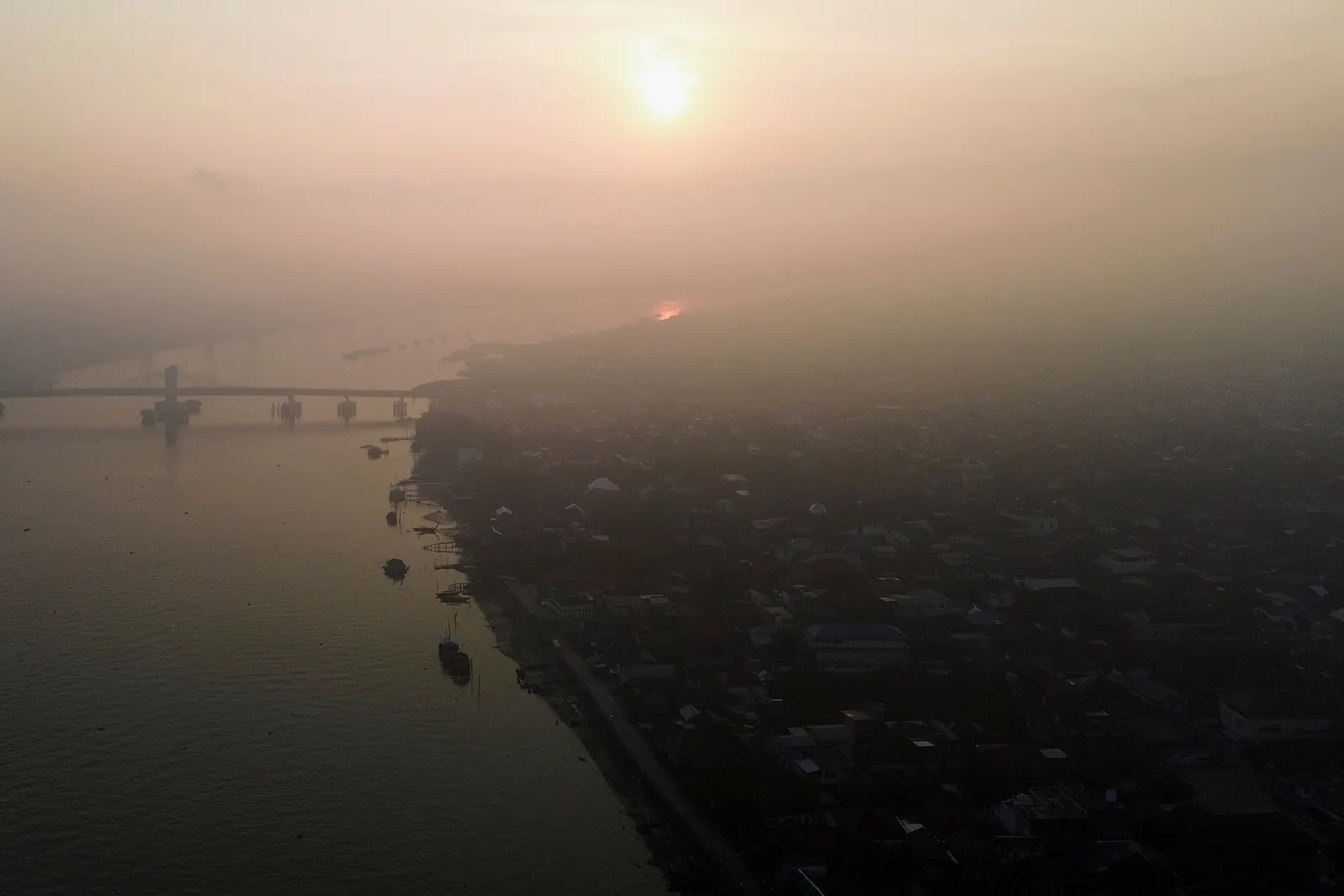
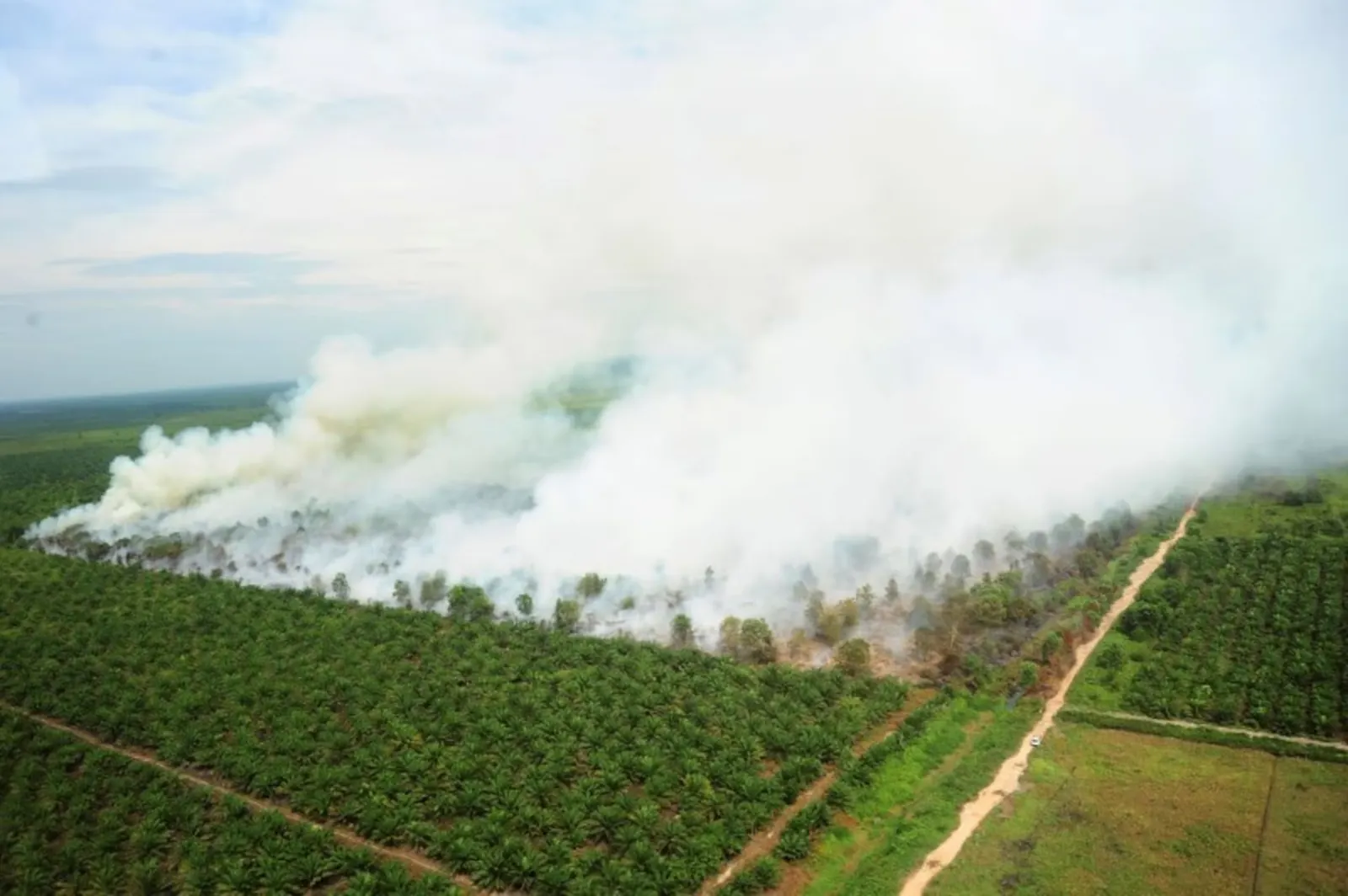
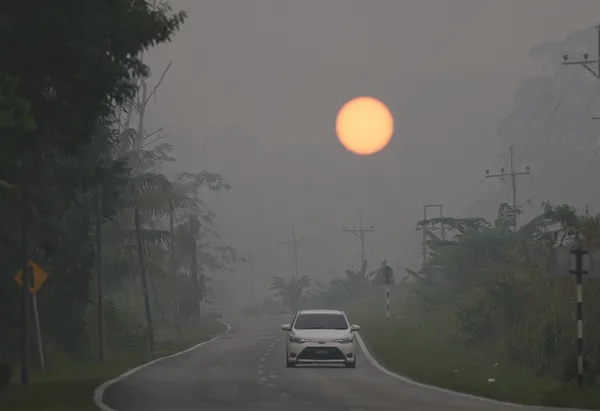
She cited the haze situation in Sarawak last month, when Malaysia declared an emergency in the district of Serian after the Air Pollutant Index (API) exceeded 500 following severe pollution from forest fires in the Kalimantan and Sumatra regions in Indonesia.
“In addressing haze, we also need to understand that its source does not necessarily originate within the country.
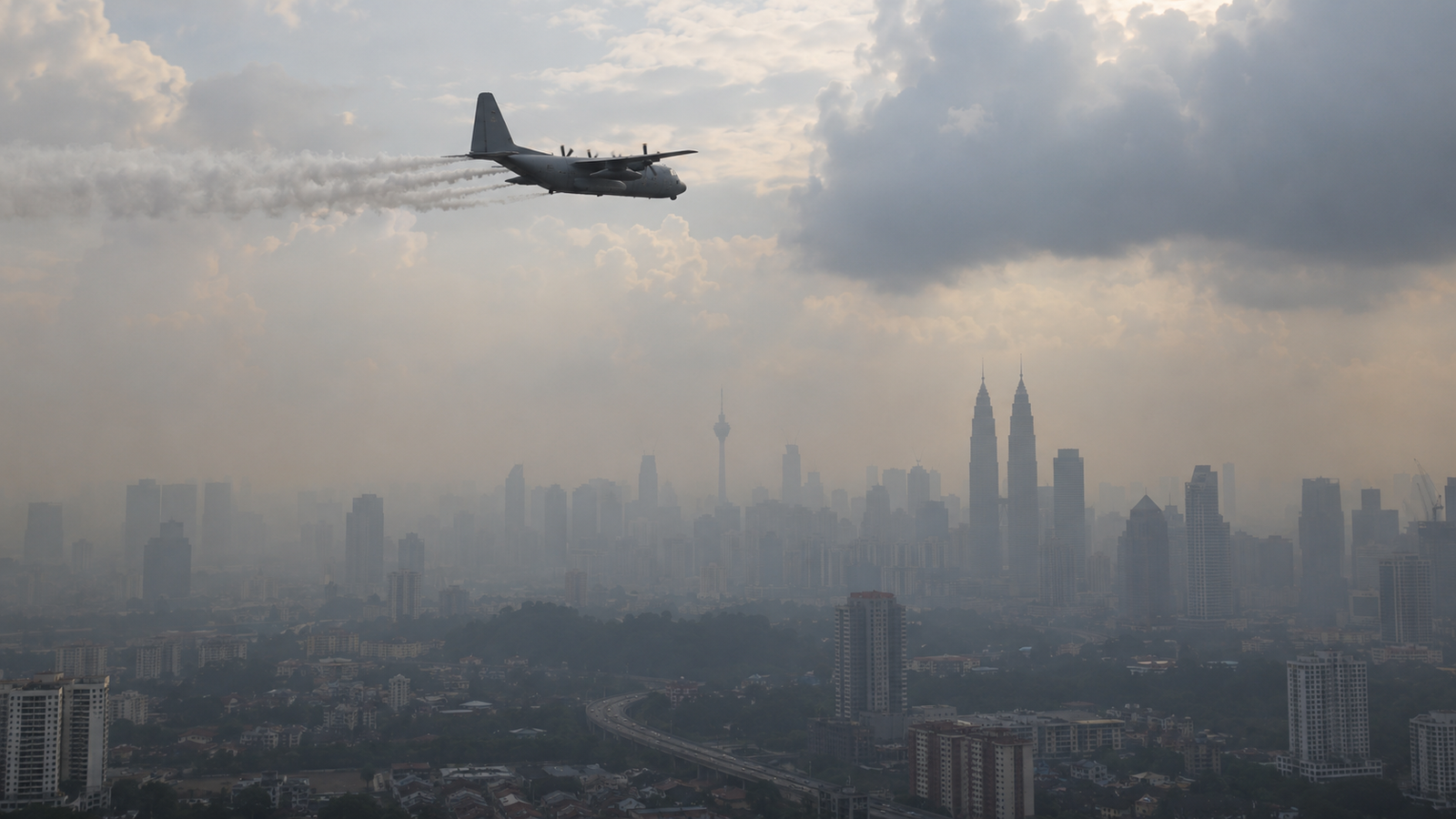
“Haze can occur due to various factors, including local open burning, weather, and meteorological conditions, as well as transboundary pollution,” she said when delivering her speech during an engagement session with media practitioners at the Pavilion Hotel today.
Azuri added that DOE continues to play a role in implementing the National Haze Action Plan and strengthening regional cooperation under the ASEAN Agreement on Transboundary Haze Pollution.
“At the same time, inter-agency cooperation is very important. Haze management is not the responsibility of a single agency.
“It requires coordination at the federal, state and district levels, including in monitoring, enforcement, fire management, and communicating information to the public,” she said.
The DOE will also step up monitoring and patrols in high-risk areas during hot and dry weather to detect and prevent open burning that could contribute to haze.
Meanwhile, Azuri urged the media to rely on official DOE data, especially on API readings and air quality updates, as inaccurate information on social media could cause unnecessary public concern during haze episodes.
“We are facing a new challenge, which is the spread of inaccurate information, particularly through social media. During haze episodes, inaccurate information can cause public concern.
“Hence, accurate information that is delivered at the right time can help the public take appropriate action,” she said.