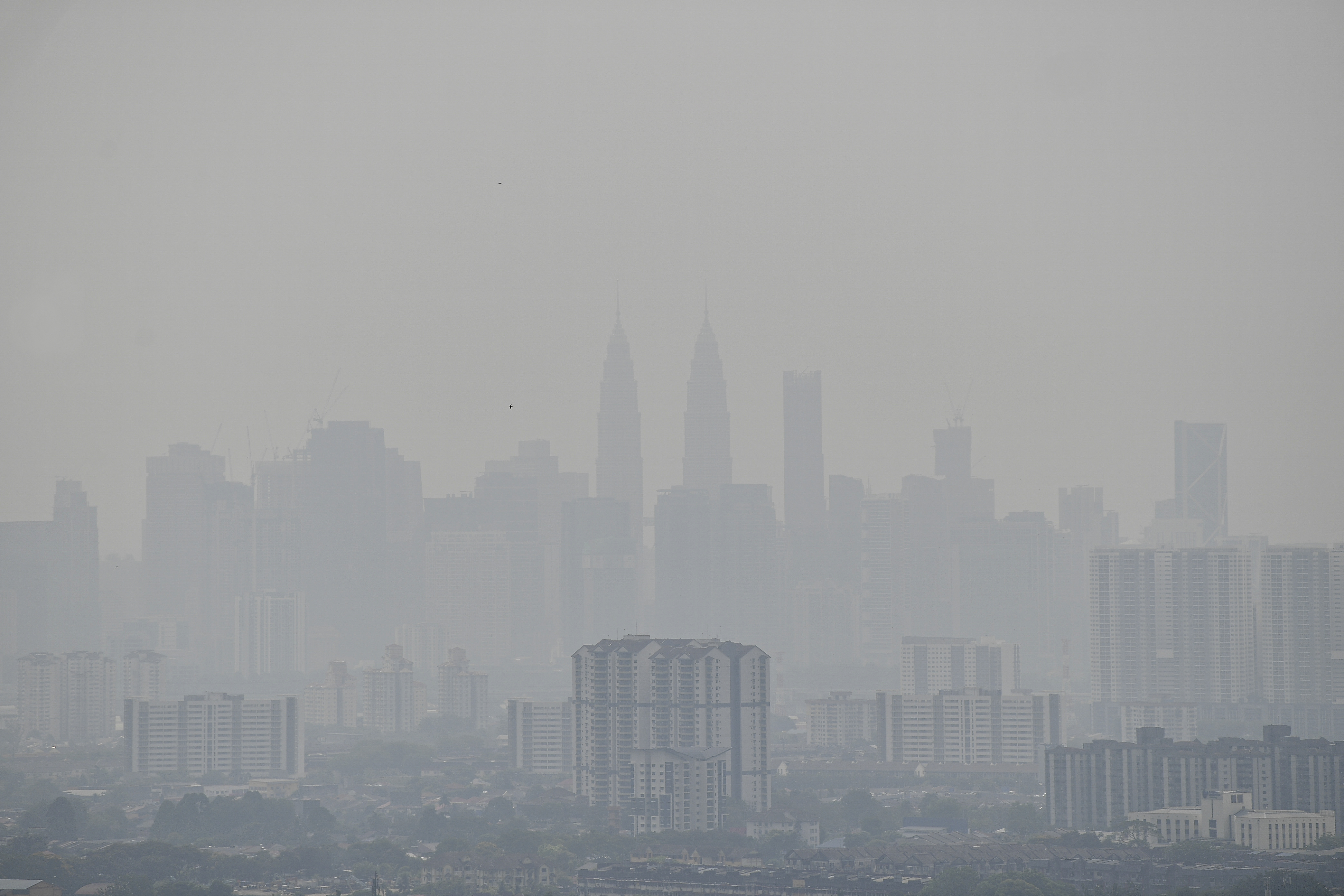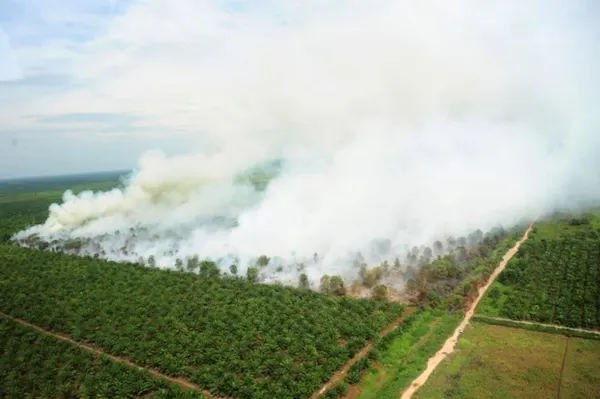
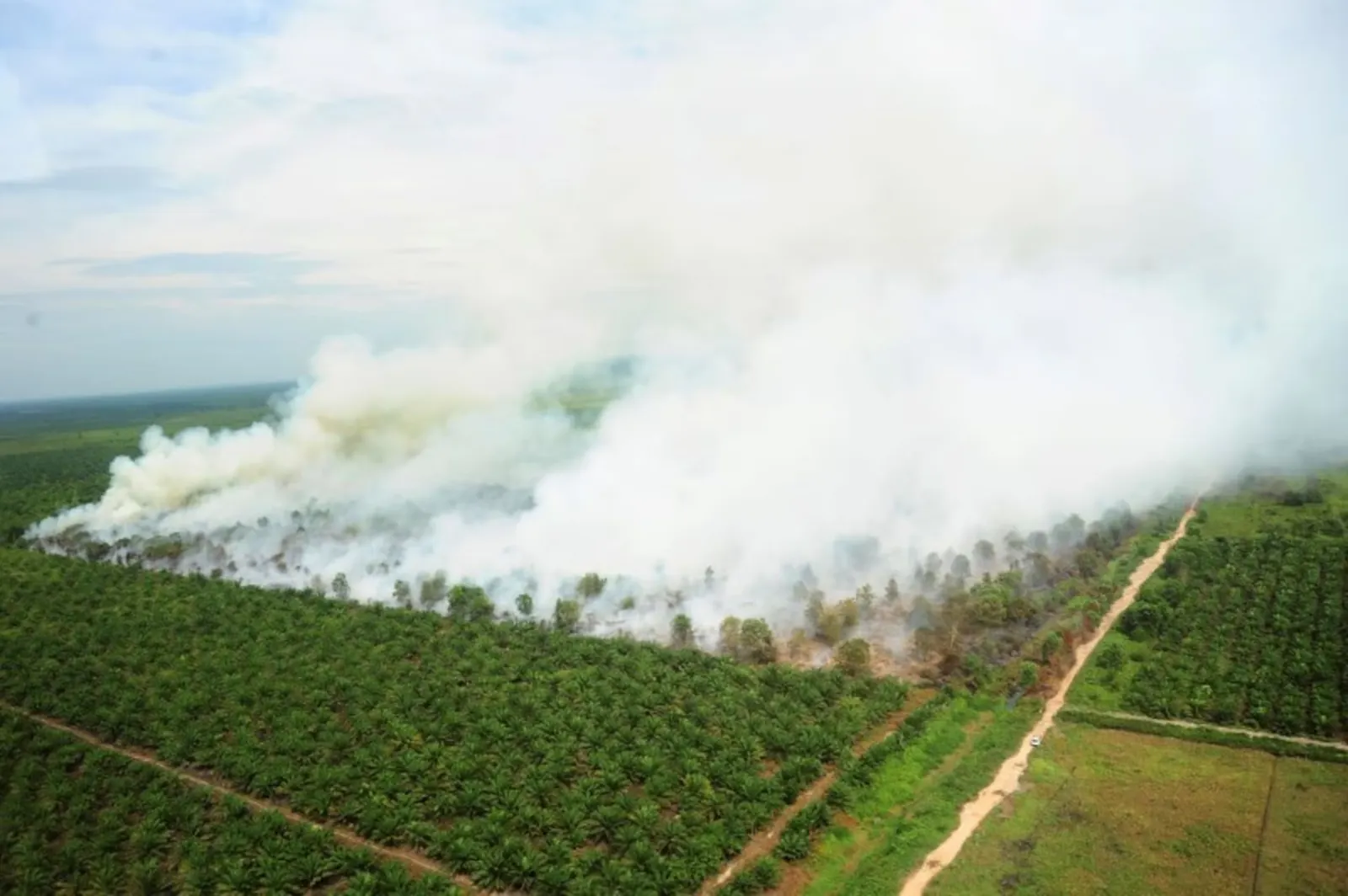
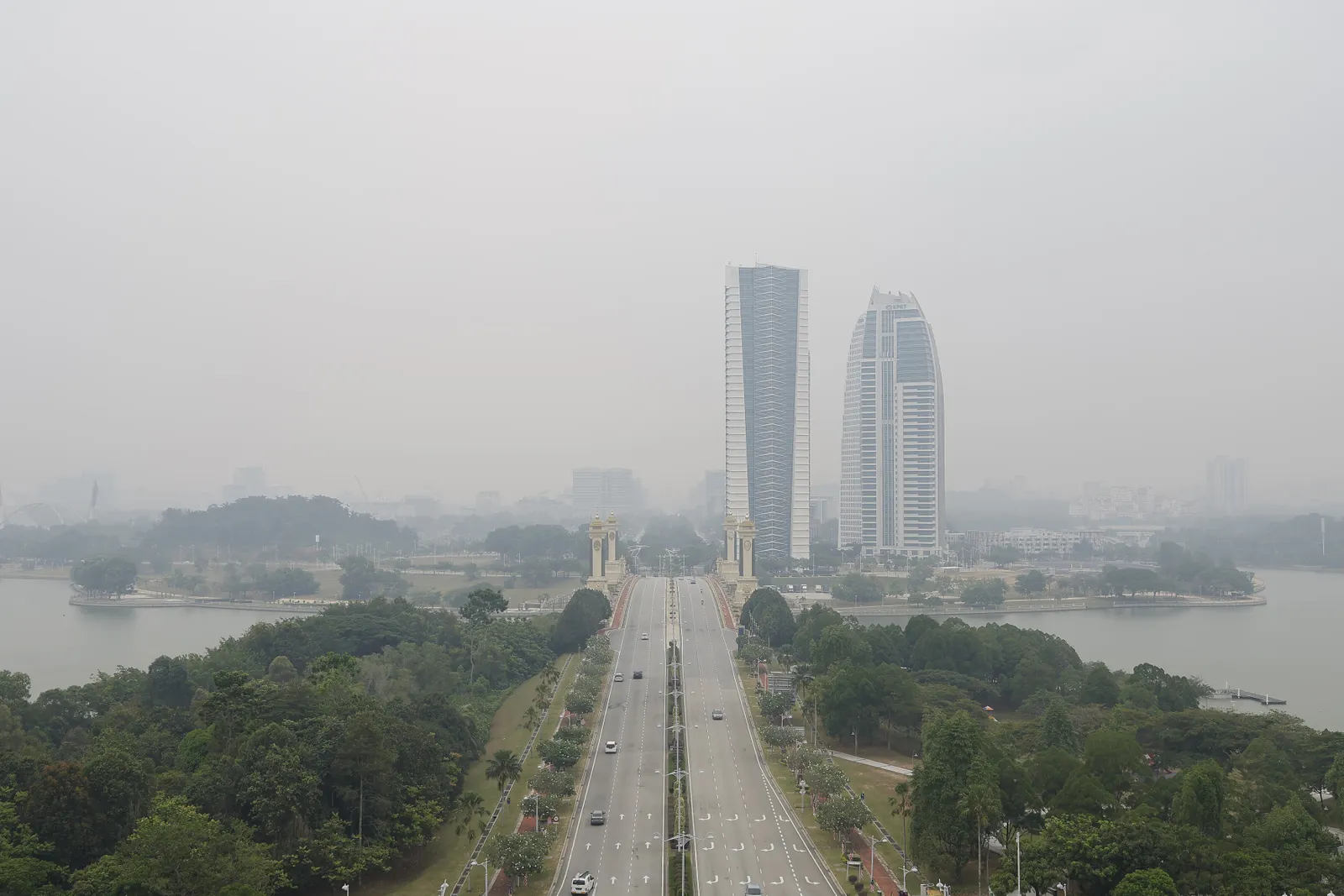
KUALA LUMPUR, Sept 30 — The haze currently affecting the country is caused by moderate to thick smoke from clusters of hotspots detected across much of Kalimantan as well as central and southern Sumatra.
Environment Department (DOE) deputy director-general (Development) Azuri Azizah Saedon said the ASEAN Specialised Meteorological Centre reported 327 hotspots in Kalimantan and another 191 in Sumatra yesterday, while one hotspot was detected in Sarawak.
“ASMC also reported moderate transboundary haze affecting several areas in Peninsular Malaysia, Singapore and northwestern Borneo,” she said in a statement today.
The DOE has stepped up inspections, patrols and monitoring in fire-prone areas, particularly peatlands and landfill sites, amid continued hot and dry weather.
“Where offences are identified, follow-up action will be taken based on the findings of inspections and investigations, as well as evidence obtained on the ground,” Azuri said.
The DOE will continue monitoring Air Pollutant Index (API) readings, hotspots, and transboundary haze developments, taking meteorological information into account when assessing the situation and coordinating haze management measures at the district, state, and national levels.
As of 2pm today, 23 areas in Peninsular Malaysia recorded unhealthy API readings, with the highest readings reported in several states, including Selangor, Johor, Negeri Sembilan, and Pahang, as well as Kuala Lumpur and Putrajaya.
She added that the DOE is carrying out its measures under the National Haze Action Plan (PTJK), which sets out the roles of various agencies based on the severity and development of the haze situation.
It will also regularly provide updates on the situation, monitoring, and patrol findings, Open Burning Prevention Operations, and enforcement actions in accordance with the established reporting mechanism.
This is to ensure the situation can be assessed continuously and appropriate measures coordinated at all levels.
The DOE also emphasised the need for cooperation from the industrial sector to reduce air emissions from major sources, particularly in areas where API readings exceed 300.