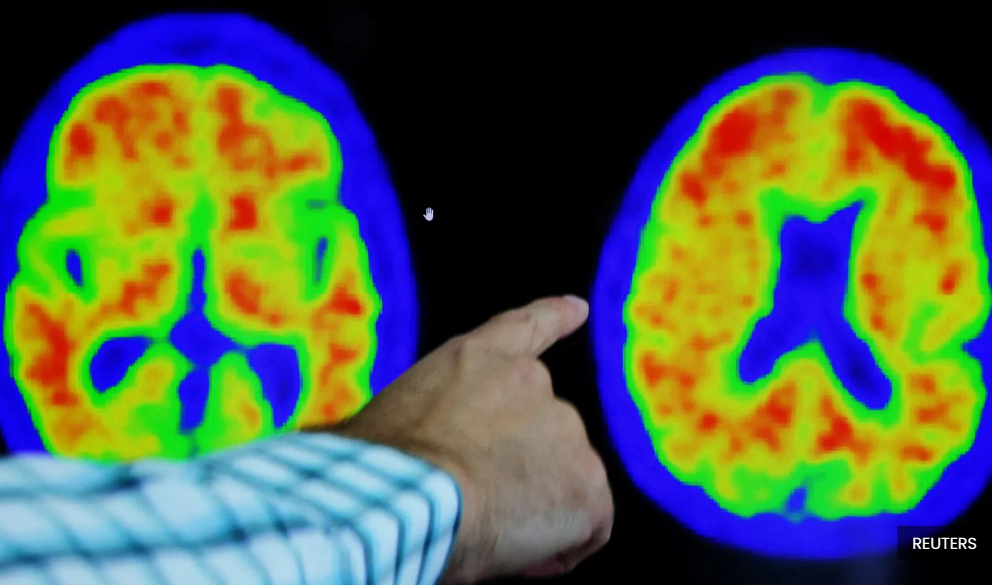
SHAH ALAM, Oct 4 — At first, it may simply involve forgetting dates, misplacing items, or forgetting something that has just happened.
However, when memory changes persist, worsen, and begin to interfere with daily life, they should not be taken lightly.
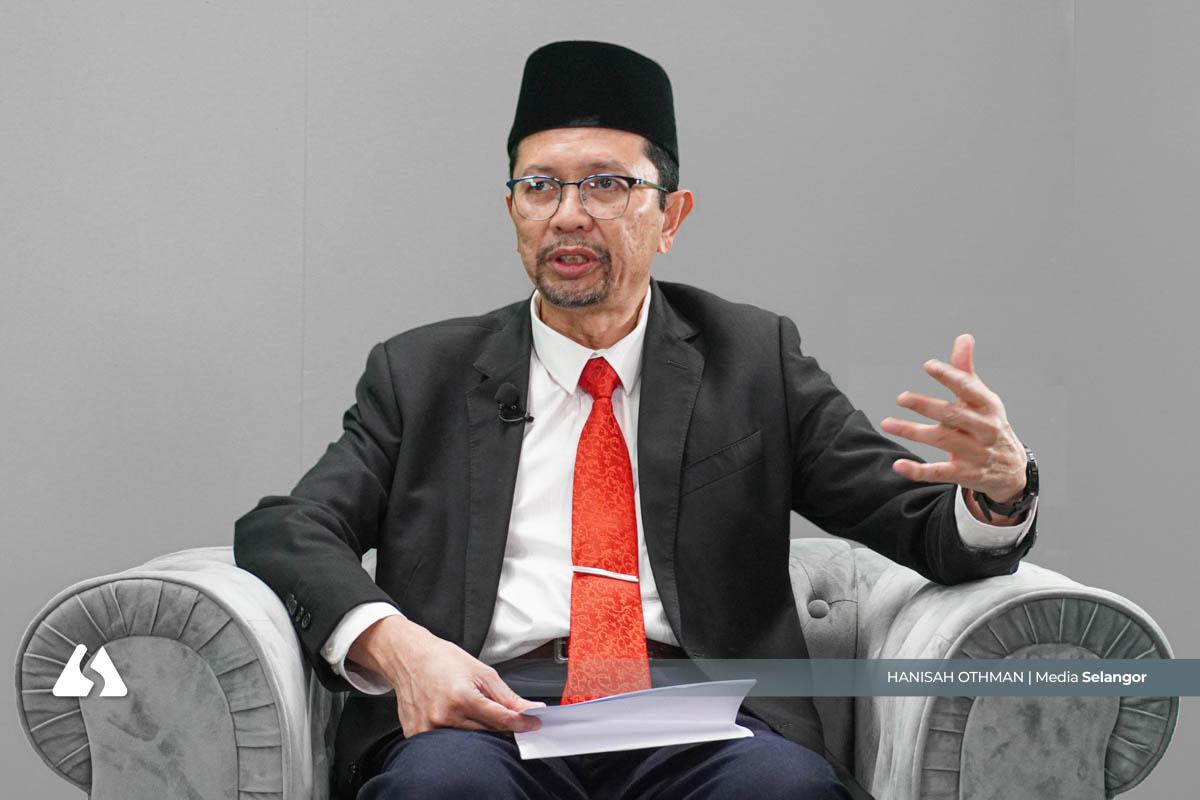
MSU Medical Centre psychiatrist Prof Dr Muhammad Najib Mohamad Alwi said ordinary forgetfulness must be distinguished from dementia and Alzheimer’s disease, as all three are different conditions.
Forgetfulness can affect anyone at any age, including when a person fails to pay sufficient attention to something.
“Forgetfulness usually occurs when a person lacks focus or does not pay enough attention to something. This can be categorised as ordinary forgetfulness.
“Meanwhile, dementia is more serious. It usually affects older people, such as senior citizens, and involves a decline in cognitive function that affects memory, thinking, language, and the ability to carry out daily activities.
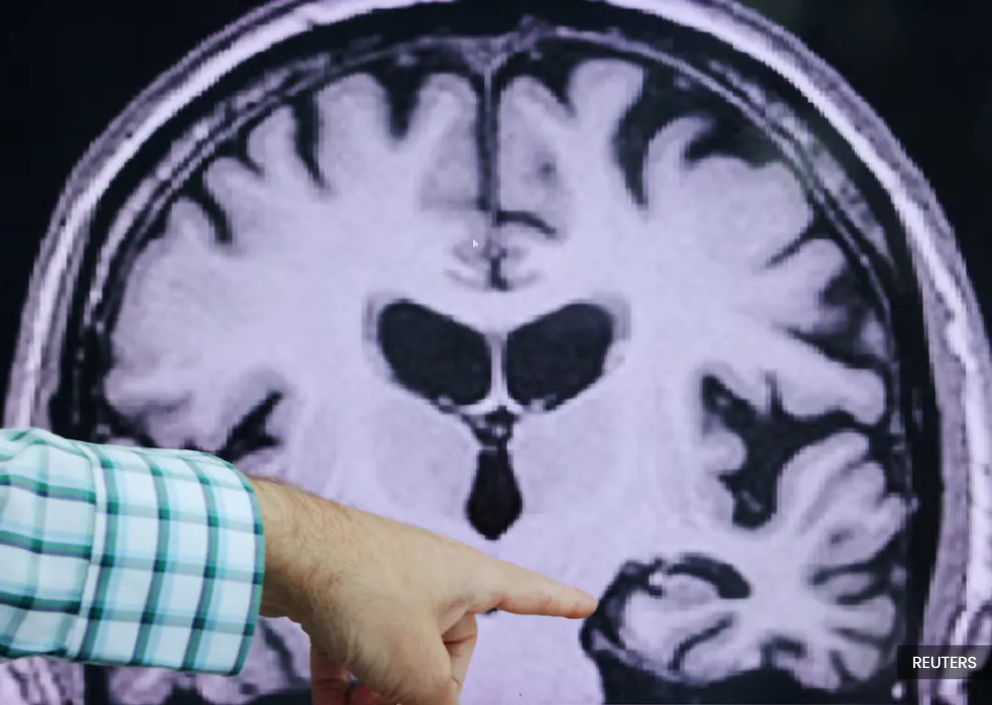
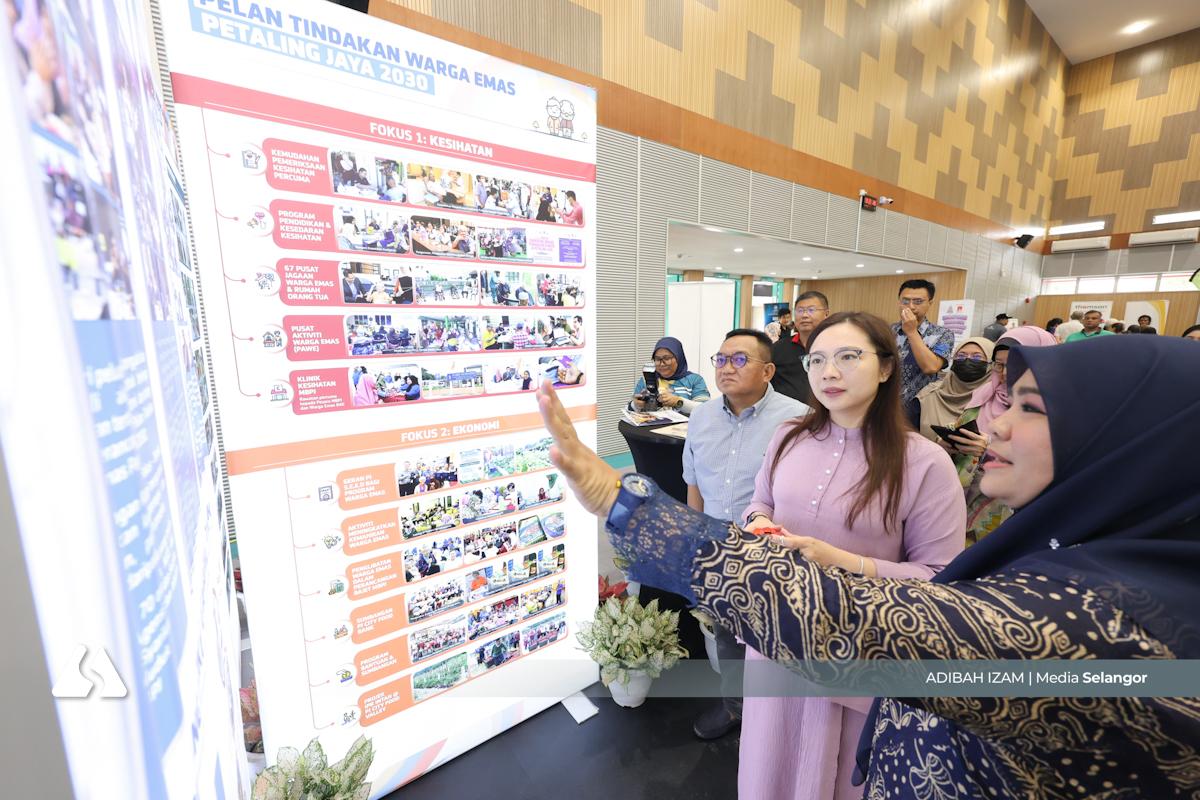
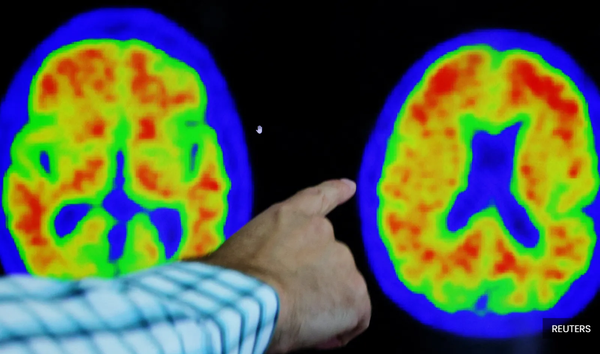
“Alzheimer’s is actually one form of dementia caused by damage to brain cells, alongside the accumulation of several types of abnormal proteins in the brain,” he said during a recent interview with the 'Bicara Semasa' programme produced by Media Selangor.
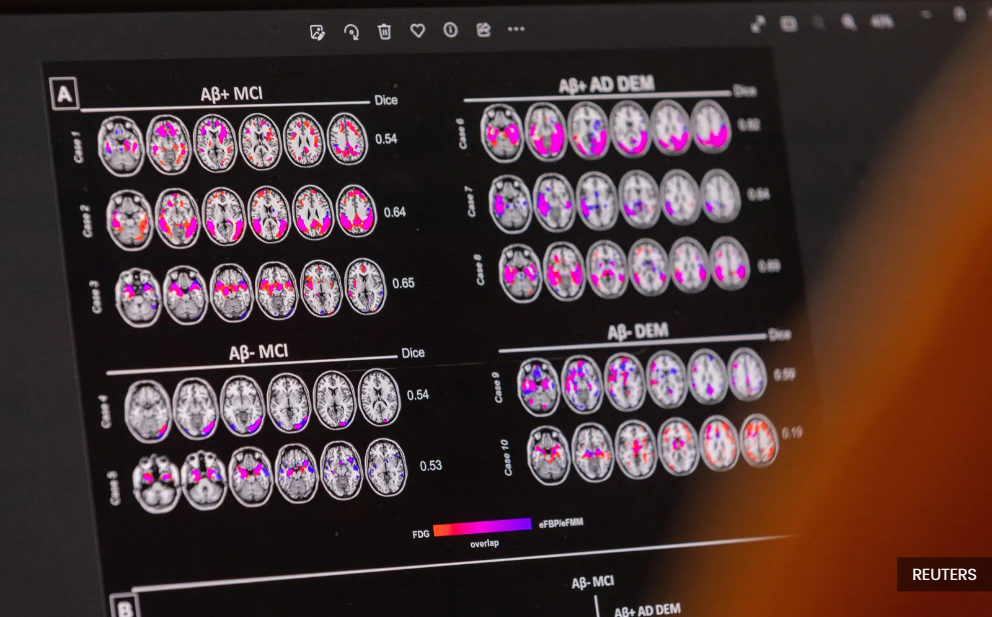
Najib added that the accumulation of abnormal proteins such as amyloid and tau in the brain could disrupt brain cell function before gradually causing cell death.
Early signs
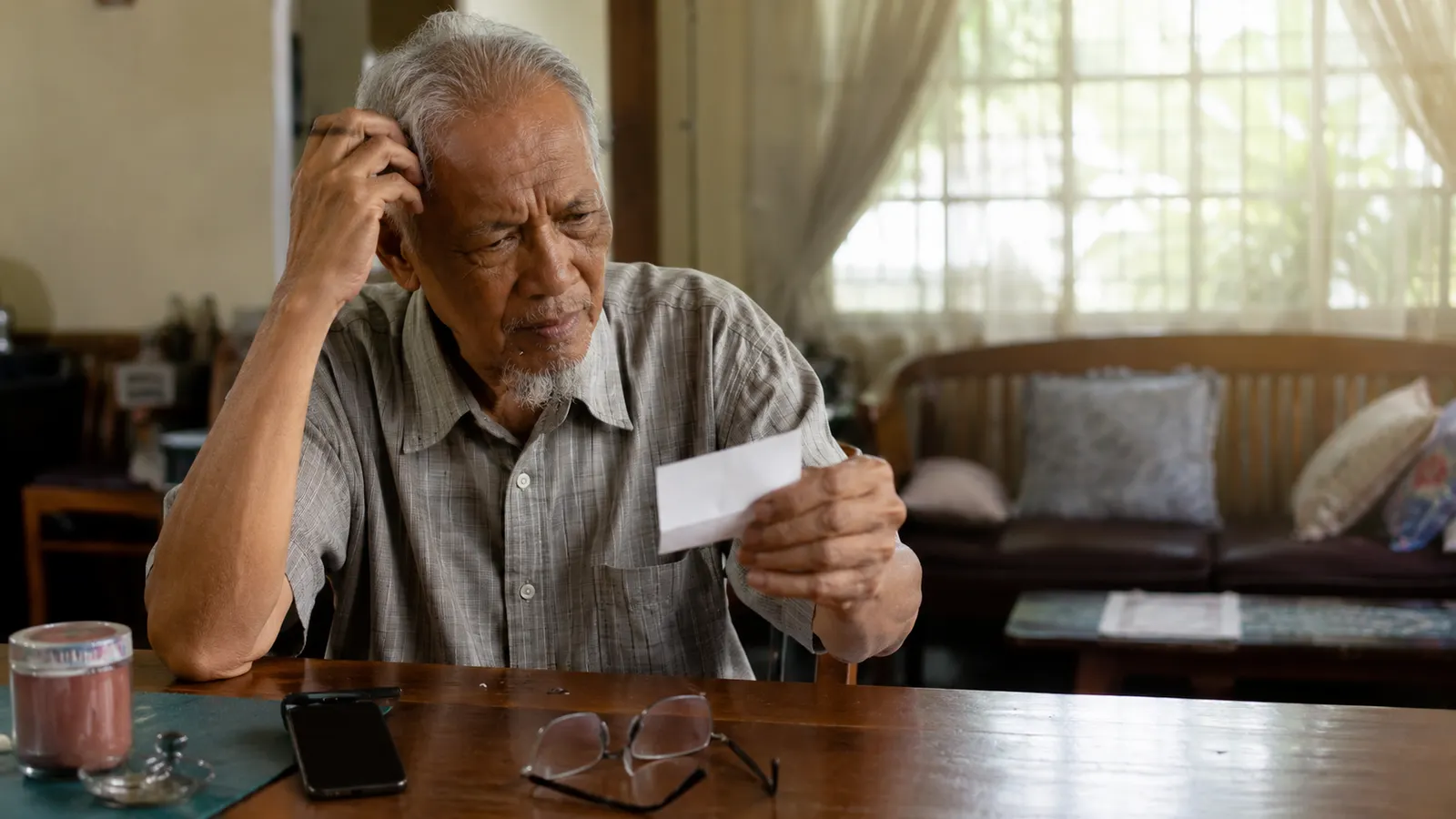
Early signs of Alzheimer’s that require attention include difficulty remembering new information, problems finding words, forgetting appointments, and becoming confused about dates and places.
He said that Alzheimer patients may also have difficulty managing money, misplace items, and, in certain circumstances, become lost even in familiar areas.
Such changes should be taken seriously when they occur persistently, worsen over time, and begin to interfere with daily life.
“Sometimes we think that this is simply part of growing old, that older people are naturally forgetful. But the measure is whether it happens continuously and becomes progressively worse to the point that it interferes with the person’s life,” Najib said.
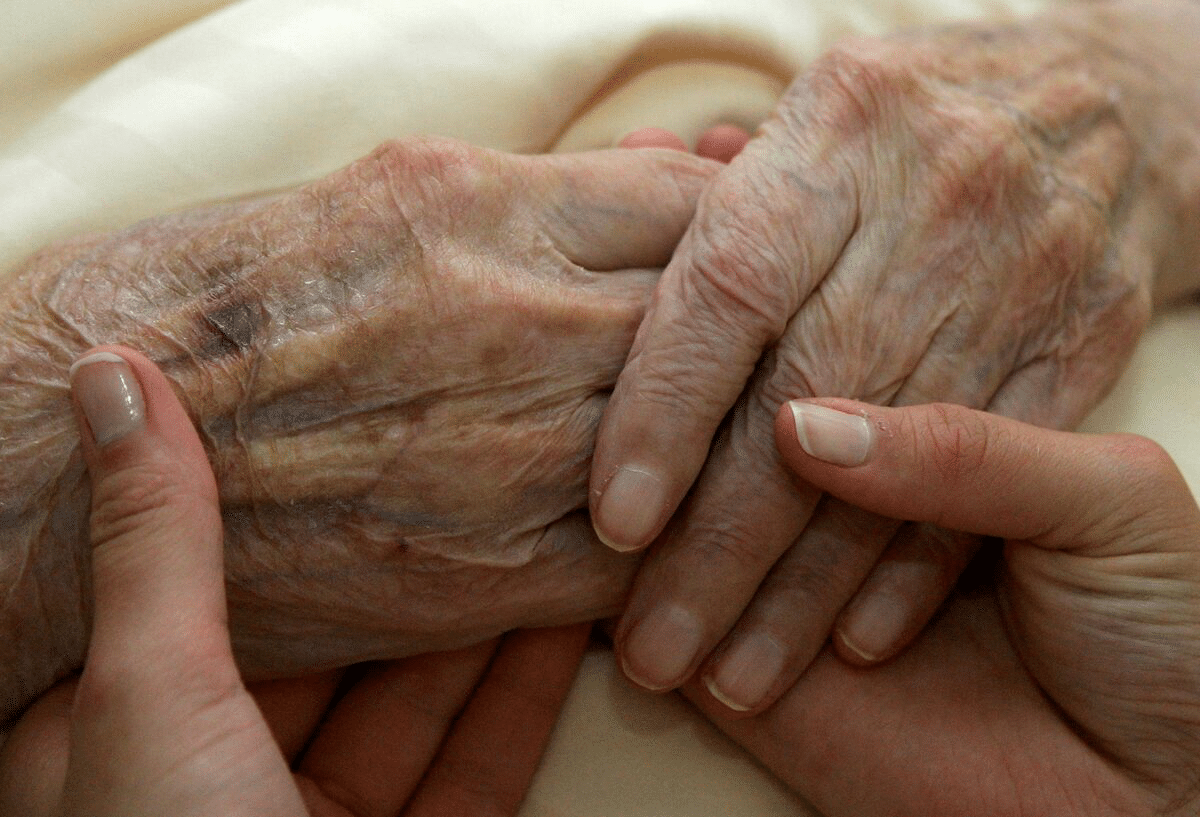
He noted that the condition not only affects the person with Alzheimer’s but also changes the lives of their family members, particularly those who take on the role of caregivers.
Major changes
Common challenges for caregivers include role changes, changes in the patient’s behaviour, and exhaustion from long-term caregiving responsibilities.
A change in roles occurs when children who were previously cared for and raised by their parents have to take over the responsibility of caring for them as age and illness increasingly affect their ability to look after themselves.
“Usually, when the person is someone older, such as a father, husband, wife, grandfather, or grandmother, their role changes, and we as caregivers have to ensure that they are properly fed and hydrated.
“As the disease progresses, the patient’s dependence on the caregiver will also increase. For example, they may need help changing clothes, using adult nappies, and managing their daily routines and needs,” Najib said.
Easily angered
Alongside physical dependence, changes in the patient’s behaviour can also pose a major challenge for families.
They may become easily irritated, aggressive, or prone to outbursts, even though these changes occur unintentionally.
“The disease affects the brain. So, when the part of the brain that controls behaviour is damaged, behaviour changes will occur as a result.
“This situation is certainly challenging and makes it difficult for families to understand, because the patient may do things they have never done before.
“This means caregivers have to shoulder the responsibility for a long period, potentially for months or years,” he said.
Therefore, families should understand the changes patients experience and seek appropriate assistance as the caregiving burden increases.
Najib concluded that Alzheimer’s is not merely a disease that causes a person to lose their memory; it can instead transform the roles, relationships, and routines of an entire family, particularly those who become caregivers.