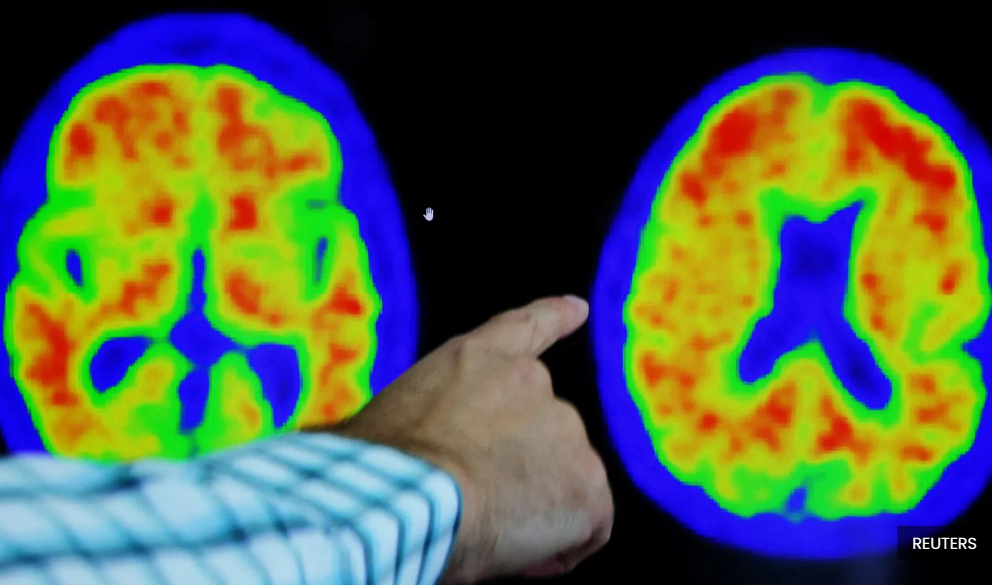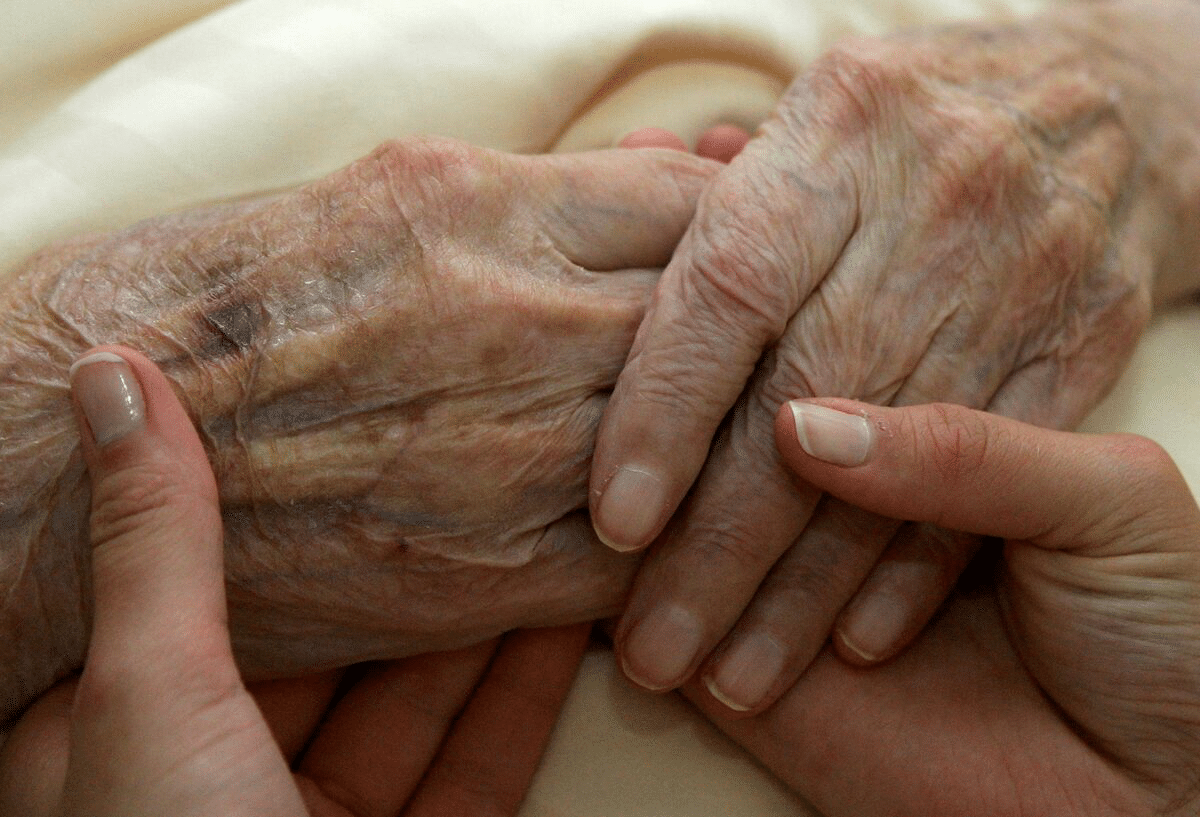


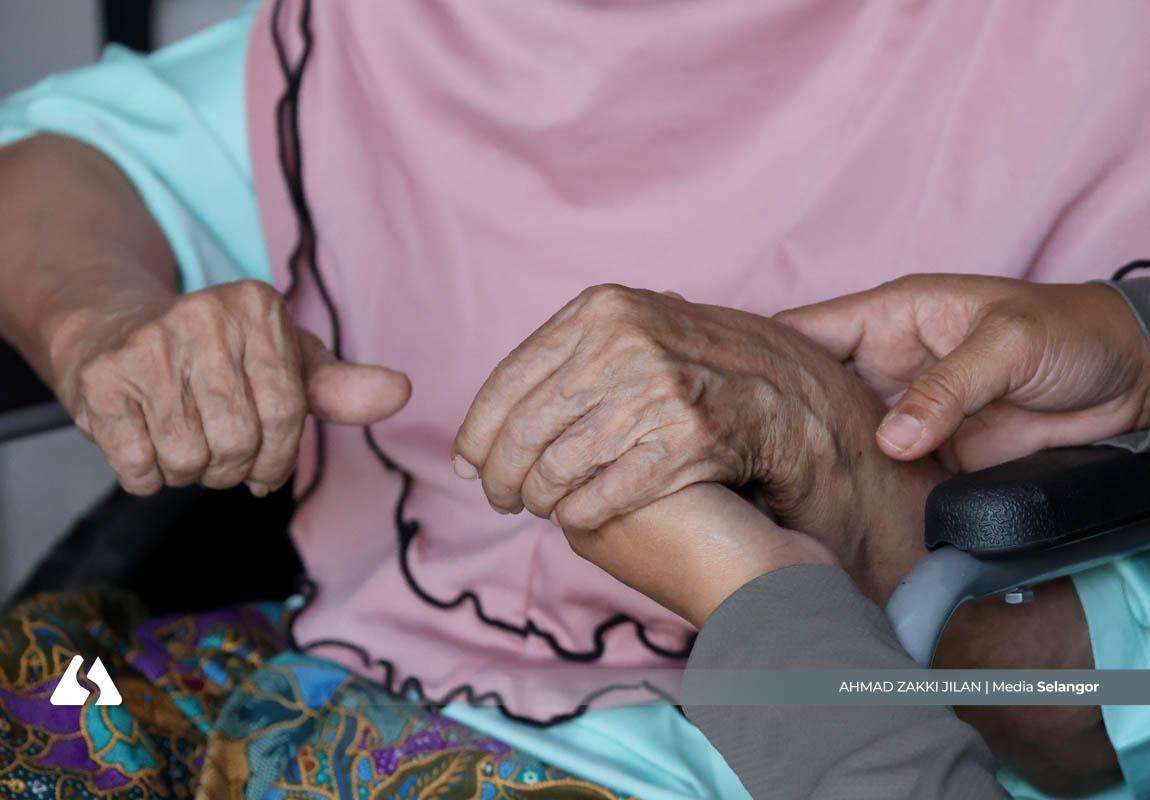

SHAH ALAM, June 8 — Dementia, more commonly known as senility, is now regarded as a 'silent attack' and is considered one of the growing threats as Malaysia transitions towards becoming an aged nation.
Universiti Kebangsaan Malaysia's (UKM) Faculty of Medicine lecturer Dr Tan Juen Kiem said the number of dementia sufferers is currently showing a significant increase, with approximately 10 per cent of the country’s elderly population diagnosed with the condition.
“According to the statistics, the proportion of dementia patients has risen from eight per cent to 10 per cent. Among Malaysians aged over 60, around 10 per cent are living with dementia.
“Based on current statistics, dementia is still not the number one health threat. There are, of course, other diseases such as diabetes, hypertension, heart disease, and stroke.
“Although dementia patients may not appear as visibly incapacitated as bedridden patients, most of them rarely leave their homes. It is therefore difficult to determine the actual statistics, as many only seek hospital treatment once the condition has become severe,” he said.
Dr Tan was speaking to Media Selangor after delivering a lecture in conjunction with Brain Health Day, organised by UKM’s Faculty of Medicine on May 12.
He added that dementia patients often display early symptoms from a relatively young age, including cognitive difficulties, repetitive speech patterns, and an inability to concentrate on tasks.

While dementia is often associated with genetic factors, many cases affecting older adults are, in fact, sporadic, meaning they occur without a clearly identifiable cause.
“There are certainly genetic factors involved. In such cases, symptoms such as cognitive difficulties, attention problems, and language impairments are often observed from a young age. However, many cases are also sporadic.
“Unfortunately, we do not yet have the capability to conduct investigations as extensively as developed countries. In many advanced nations, genetic testing is available, and they also maintain large databases for research purposes,” Dr Tan said.
The progression of dementia can be slowed through healthy eating habits, regular exercise, and cognitive training, all of which help improve brain function and memory.
He noted that, at present, dementia cannot be fully reversed. However, its symptoms can be managed through specialised medication, depending on the individual case.
“Currently, there are medications available to control symptoms. In certain cases, we prescribe drugs that stimulate brain function.
"Although dementia cannot yet be cured, these treatments can help reduce its symptoms. There are now reports of new medications that may slow the progression of dementia.
“While they remain expensive at present, I believe that as more research is conducted, costs will eventually decrease, and one day we may be able to treat dementia more effectively,” Dr Tan said.