



SHAH ALAM, Oct 3 — Growing financial awareness among youth does not necessarily mean they are financially literate, says a financial planning expert, highlighting the need for them to develop healthier money management habits.
Universiti Putra Malaysia’s (UPM) Department of Resource Management and Consumer Studies senior lecturer Desmond Chong Kok Fei said financial literacy goes beyond simply understanding savings and interest rates.
“It must include the ability to prepare budgets, distinguish between needs and wants, understand debt and compound interest, and recognise financial scams,” he told Media Selangor.
He said while young Malaysians today have a greater understanding of finance due to their exposure to social media content, access to such information alone does not mean they are able to apply it to their daily financial decisions.
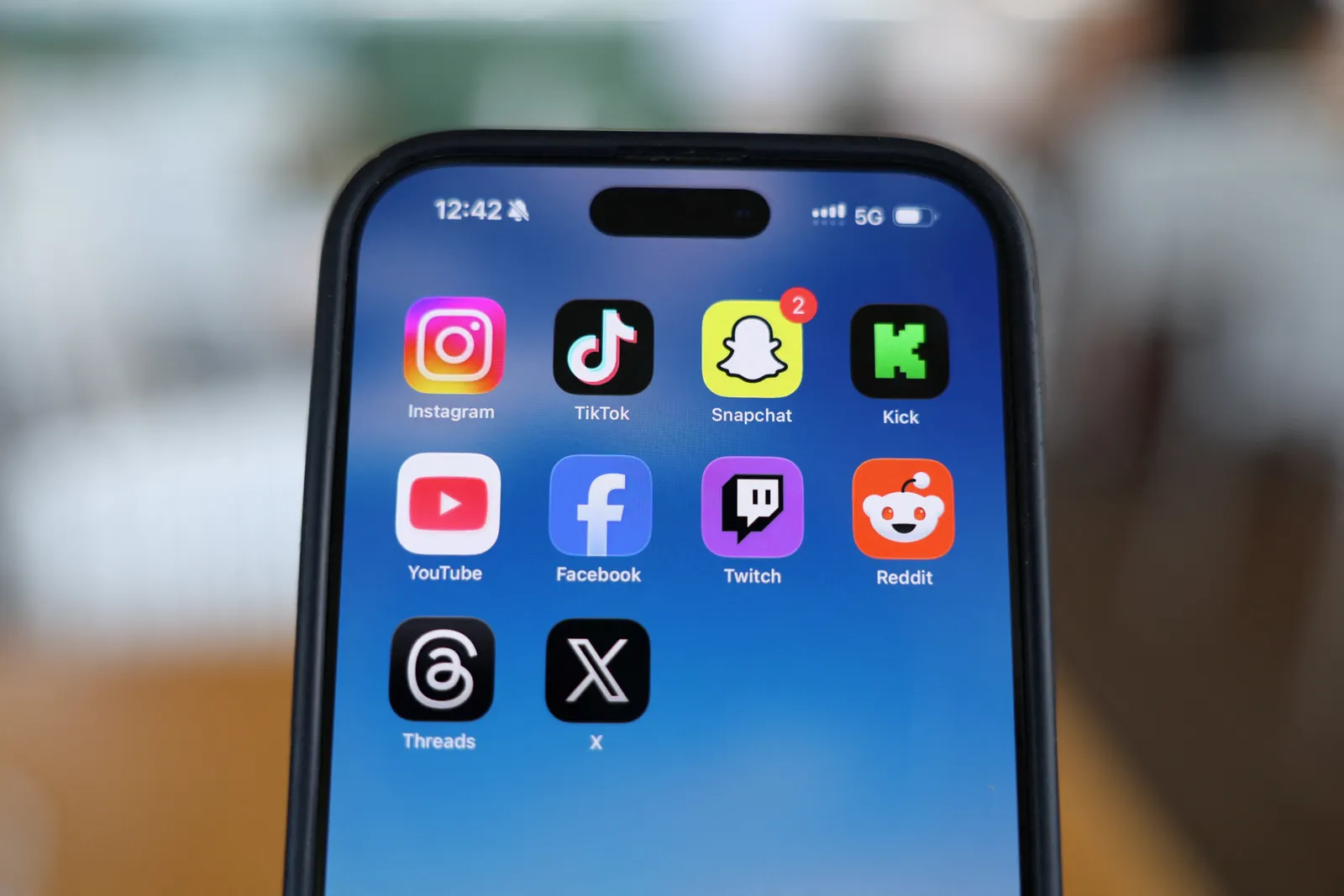
“Young people today may know more financial terminology because they are constantly exposed to financial content through TikTok, YouTube, Instagram and other platforms, but knowing and doing are two different things,” he said.

According to Bank Negara Malaysia’s (BNM) Financial Capability and Inclusion Demand Side Survey 2024, Malaysians’ financial knowledge improved from a score of 60.2 in 2021 to 62.9 in 2024, with the public generally having a basic understanding of financial products.
However, understanding of more complex aspects, such as rate revisions and their impact on monthly interest or profit payments, remained lower. This was reflected in a decline in the overall financial behaviour score, which fell from 61.9 in 2021 to 59.9 in 2024.
The survey also found that 26 per cent of Malaysians often ran short of money, almost double the 14 per cent recorded in 2021. This was largely due to insufficient or fluctuating income and the rising cost of food and other necessities.
Additionally, 61 per cent of Malaysians said they had difficulty raising RM1,000 for emergencies, while 26 per cent of respondents felt they carried too much debt, down from 30 per cent in 2021. Another 12 per cent were highly indebted, compared with 14 per cent in 2021.
Build savings before spending
Chong said healthier money management begins with planning spending and preparing a budget so individuals know how much money is coming in and where it is going.
“You have to start with budgeting first. Closely monitor your budget and have a proper plan for what comes in and what goes out,” he said.
He said a budget could be adjusted according to a person’s income and financial commitments, with income allocated by percentage for monthly expenses, personal wants and savings based on budgeting ratios such as 6:3:1 or 5:3:2.
He also advised young Malaysians to set aside savings as soon as they receive their income to help develop the habit of saving and avoid overspending.
“Otherwise, you may be left with nothing to save, especially with the current high cost of living. Sometimes, unexpected events or emergencies could also force you to spend more money,” he said.

Chong stressed the importance of building an emergency fund that could cover at least three months of expenses without an active source of income.
“You need to understand how much you spend per month. If your monthly expenses are around RM2,000, you need a minimum of RM6,000 in savings,” he said.
He also urged youth to spend within their means rather than according to their wants to avoid relying on credit.