

SUBANG JAYA, Oct 3 — Rising living costs are driving a shift in how younger Malaysians spend and manage their money, with more turning to thrifting and selling pre-loved items to stretch their budgets and earn extra income.
The shift shows how younger Malaysians are becoming more careful with their spending, looking for cheaper options and ways to make money from things they no longer use.
Operations engineer Muhd Hanif Saiful Nizam, 27, who has been selling pre-loved items for about three months, said he treats it as a weekend hobby while using parts of the proceeds to help cover his expenses.
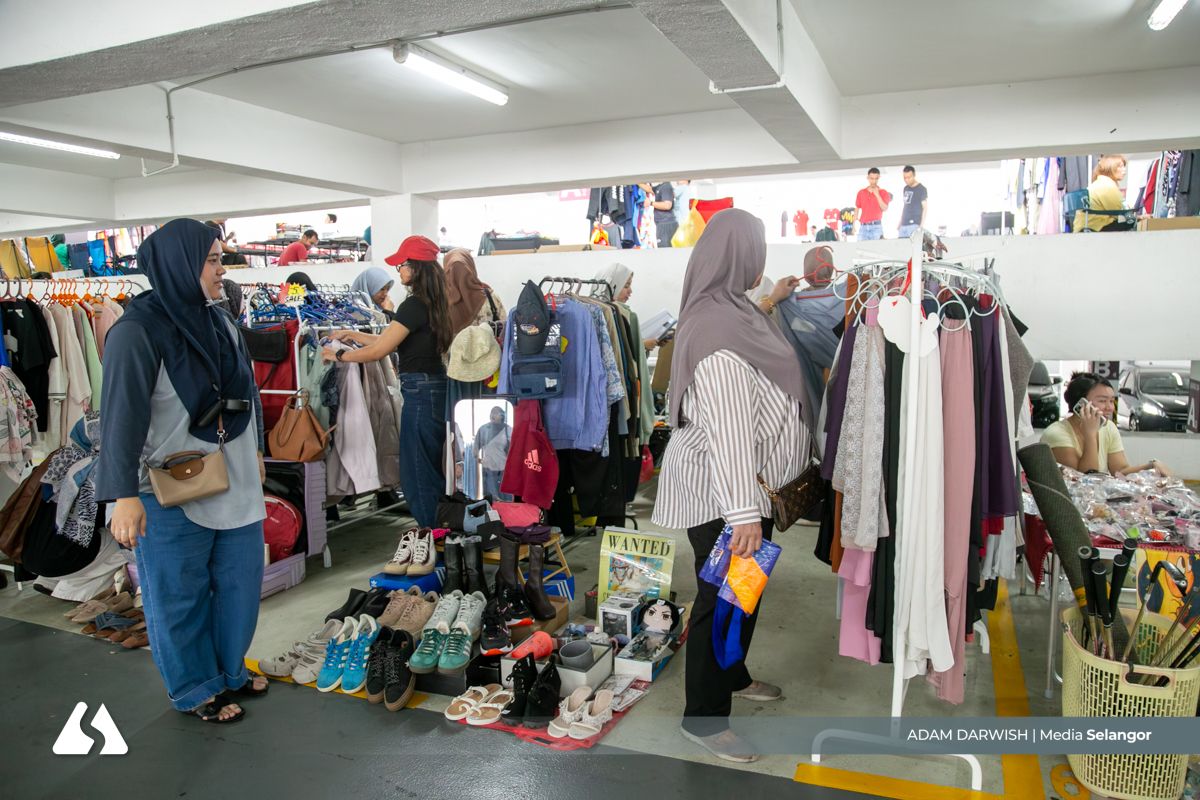
“Since I did not have anything planned for the weekend, I decided to sell some items to help cover a few of my financial commitments,” he told Media Selangor during the SS15 Carboot Sale.

Student Nur Afzah Bibi Jasman, 23, sees selling pre-loved items as a practical way to earn extra income, which she uses to cover personal expenses such as travel, financial commitments, and new clothes.
“With the money I make, I usually use it for travelling as I love going on holidays. (I also use the proceeds) from selling some of my old clothes to buy new ones,” she said.
With social media platforms such as Telegram and TikTok making it easier for Malaysians to sell pre-loved items, Afzah added that young people now have more opportunities to turn unused possessions into additional income.
“I think most young people today are more aware of the different ways to manage our finances,” she said, noting that youth are developing a stronger business mindset.

For 26-year-old Syarah Karmila, selling used goods started as a way to clear out clothes she and her friends no longer need.
The money is then divided according to different priorities, including savings, monthly commitments, and donations.
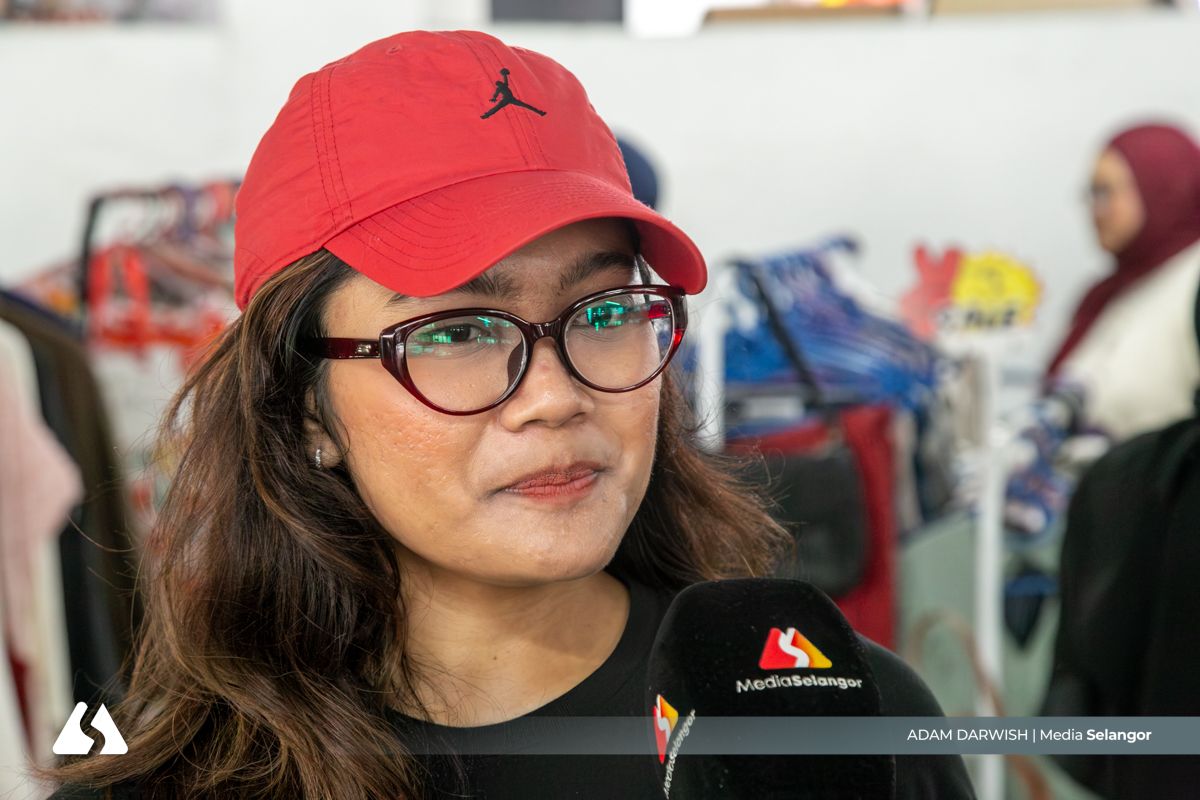
Changing how Malaysians spend
While some Malaysians turn to selling pre-loved items to earn extra cash, others are buying them as a way to stretch their budgets.
Student Harith Hazeeq Mohd Sabri, 22, said thrifted clothing offers an affordable alternative to retail, allowing him to maximise his budget and save money while still finding designs and styles that suit and interest him.
Some clothes that cost RM100 at retail can be found about five to 10 times cheaper at thrift stores and carboot sales.
“Buying thrifted clothes can prevent us from overspending. We may buy more, but they are still much cheaper,” he said, highlighting that young people should be more conscious in distinguishing wants and needs.
“For me, we need to have some level of financial literacy when it comes to shopping, because we need to know what we want and what we actually need,” Harith added.

Meanwhile, Lesa Siaro Purba, 20, said her experience with thrifting has significantly made her more conscious of her spendings.
“Thrifting gives me more options and flexibility within a budget. Instead of buying new clothes every few months, I can get a cute outfit for a specific occasion much cheaper,” she said.
However, Lesa warned that the low prices of second-hand items could also encourage people to overspend, but said that personal experience has taught her to be more mindful of her spending.

For Muhammad Noor Firdaus, 23, thrift stores offer items that can match the quality of retail products at lower prices, making them a more affordable option for students like him.
“Sometimes, we are willing to spend money and even skip meals just to shop at retail stores. So, why not spend that money on thrifted clothes instead?” he said.
Firdaus noted that buying thrifted items could also provide an opportunity to earn extra income by reselling them at a higher price.