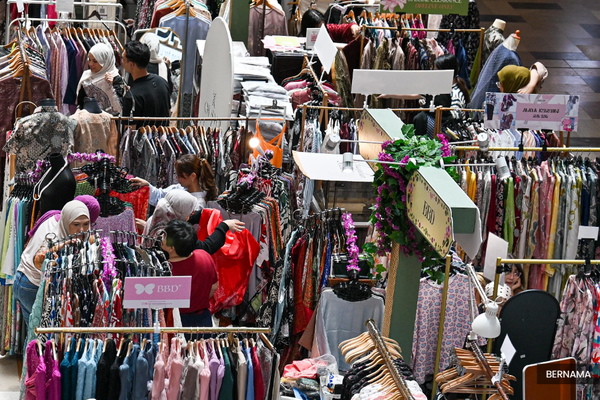
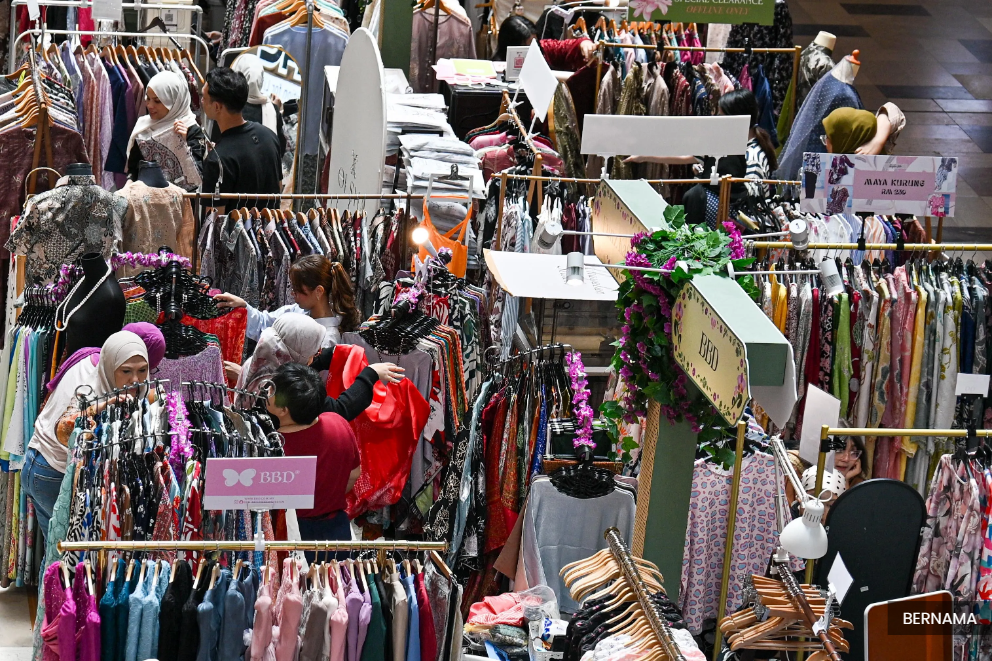
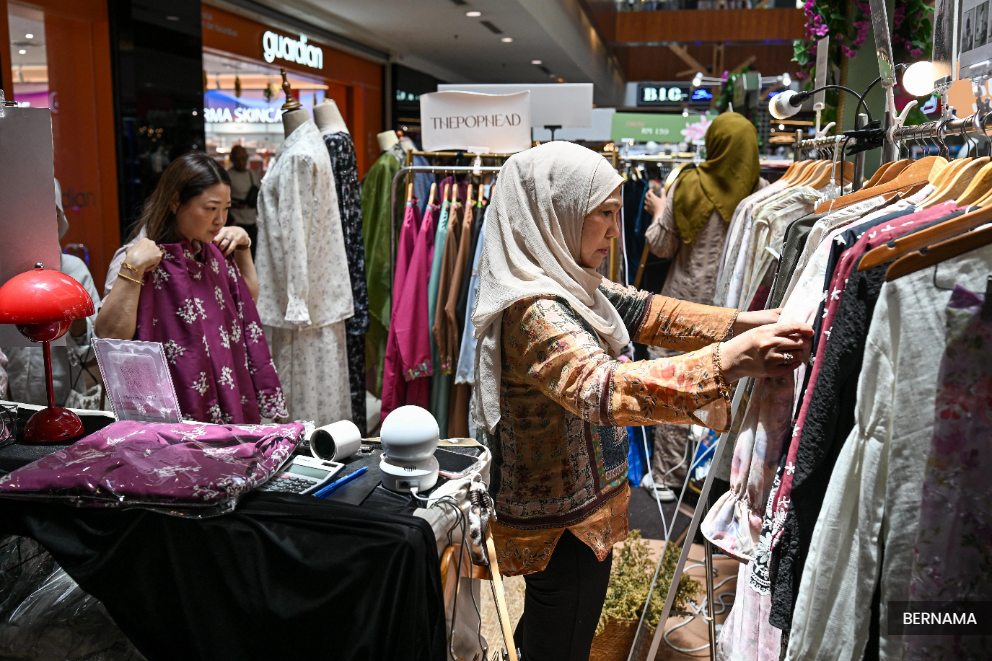

SHAH ALAM, Oct 9 — The growing shift towards online shopping could reshape more than how Malaysians buy goods, with shopping malls, commercial properties, and thousands of retail jobs likely to be affected as consumer spending moves increasingly online.
While the shift could bring lower operating costs and cheaper purchases in the longer term, economists say it could also reduce demand for physical retail space, alter the types of jobs available, and change the role of shopping malls and town centres.
The Malaysia University of Science and Technology’s Assoc Prof Barjoyai Bardai said the shift in purchasing patterns from brick-and-mortar retail to online shopping would have several knock-on effects, especially if demand for physical retail outlets continues to decline.
“When demand for retail businesses falls, demand for premises such as shops and shopping complexes will also decline.
“This will cause the property market to decline, which could create a new shock in the country's property market and result in a significant loss to the economy,” he told Media Selangor recently.
Barjoyai added that while some costs associated with physical retail will fall as businesses move online, including shop rentals, retail manpower, physical inventory, and counter operations, these would be replaced by new e-commerce-related costs such as telecommunications, platform fees, digital marketing, delivery, warehousing, packaging, and product returns.
The shift will also transform the employment landscape, with some traditional retail positions giving way to jobs in warehouses, logistics and digital services.
“Workers will move from being sales assistants, cashiers, and shopkeepers to warehouse jobs, such as pickers and packers, as well as couriers, data analysts, digital marketers, platform developers, and artificial intelligence customer service.
“There will be job displacement, job transformation and also job creation,” he said.
According to the Malaysian Statistics Department, online shopping has continued to grow in Malaysia, with business-to-consumer e-commerce income reaching RM374.7 billion in 2024, up 11.3 per cent from 2023.
The growth in online shopping has also been fuelled by the increasing popularity of Chinese e-commerce platforms such as Pinduoduo.

New roles for malls
Barjoyai said the shift in Malaysians’ shopping habits can also affect how cities and shopping centres function, as consumers have less reason to visit physical stores.
Malls, including large ones, could increasingly shift towards dining, entertainment, and recreation rather than being focused on retail, while some town centres could also lose their traditional commercial role.
“This is not a choice because consumers themselves determine what they want,” he said, noting that shopping malls could potentially evolve into places where consumers view products physically before buying them online.
“We may see some shopping malls closing in the short term, but they will then undergo changes. They will be reshaped into new centres that attract customers, including those who shop online but want to see products physically or collect their purchases at the mall,” Barjoyai added.
Physical shops could also cater to urgent or immediate purchases, with 24-hour convenience stores potentially becoming more relevant as consumers increasingly rely on online shopping for routine purchases.
In the longer term, the shift towards online shopping could reduce overhead costs of retail stores and potentially lower prices for consumers.
He also highlighted concerns on consumers’ confidence in online shopping, especially when products differ significantly from how they were advertised online, which could undermine the reputation of online businesses and erode trust.
“However, in the medium and long term, it is actually positive as it gives consumers choices that allow them to change their way of life in ways that may be better, cheaper, and more cost-effective,” Barjoyai said.

Reshaping physical retail
Universiti Malaya’s Asia Europe Institute’s economics professor Datuk Prof Rajah Rasiah similarly believes the rise in online shopping is expected to reduce demand for physical retail, with spillover effects on complementary businesses such as restaurants, food outlets, and other activities that depend on foot traffic.
“The beneficiaries of such a transition should be logistics companies, e-commerce operators, and delivery personnel. Those expecting a fall in demand will be the retailers, mall operators, and restaurants that rely on customers visiting retailers,” he said.
Online shopping may be more appealing as it offers greater efficiency, while physical retailers are at a disadvantage because they have to pass rental and other premises related costs on to consumers.
As such, retailers would also have to adjust their operations as consumers shift to online purchases for heavier goods and bulk orders.
Rajah suggested retailers adopt more mobile and leaner operations, focusing on products and services that consumers still prefer to purchase in person.
“Online shopping should be seen not as a threat, but as a complementary transformation that should expand until its limits of efficiency are met.
“Much also depends on the transformation of logistics and financial services to handle this transition smoothly,” he said, noting that the shift should be viewed as a restructuring of the retail economy rather than a simple reduction in economic activity.
Once online and physical retailers face comparable treatment under the Sales and Service Tax, competition will increasingly depend on how effectively online sellers could compete with physical stores.
On employment, Rajah said the government and unions should ensure workers affected by retail closures can transition into new sectors, particularly as demand grows for digitally skilled jobs, to prevent unemployment from rising.