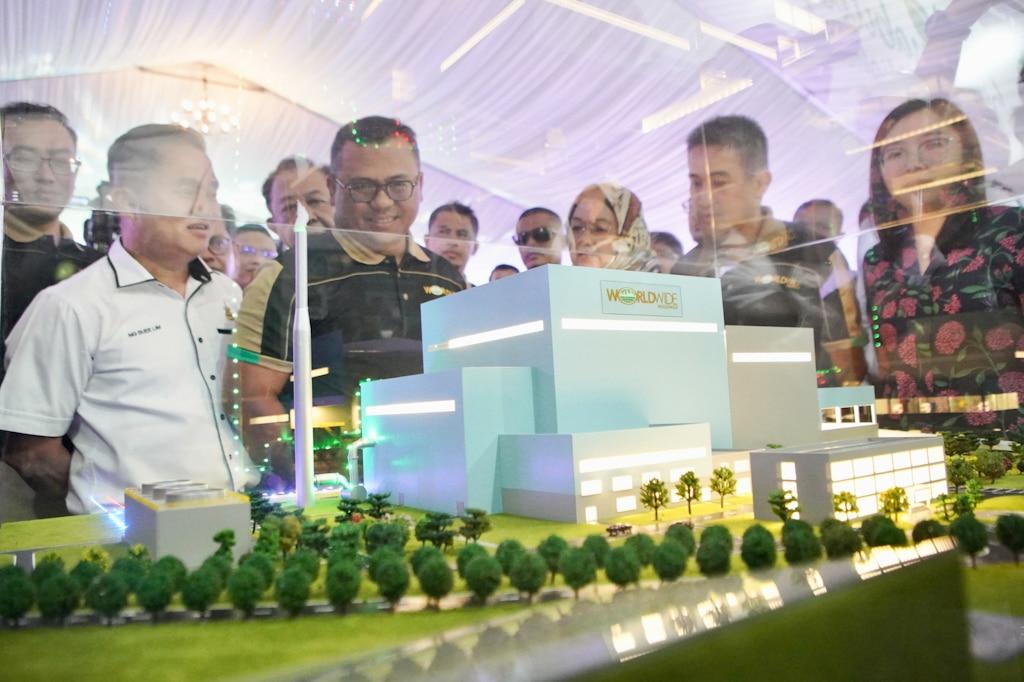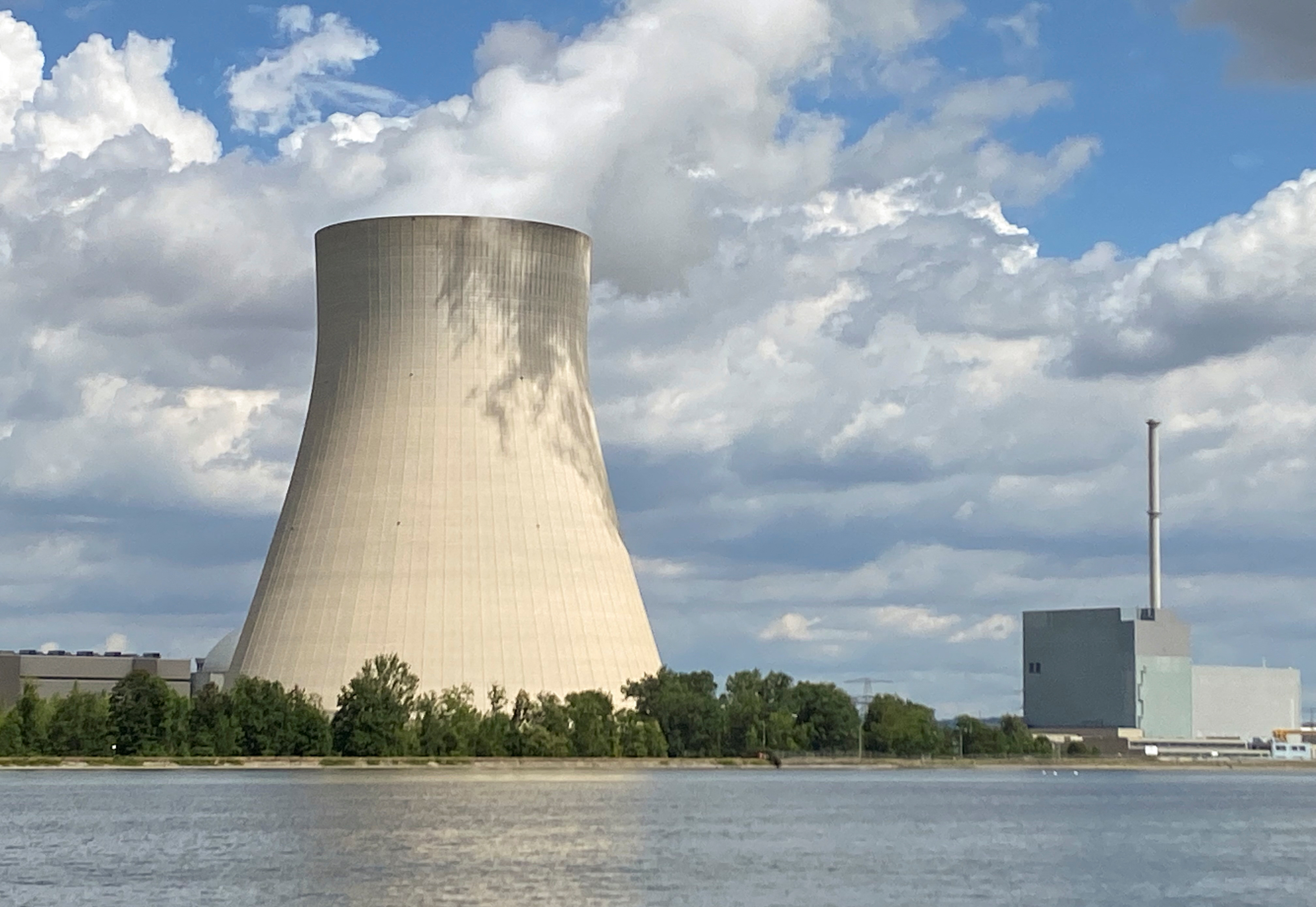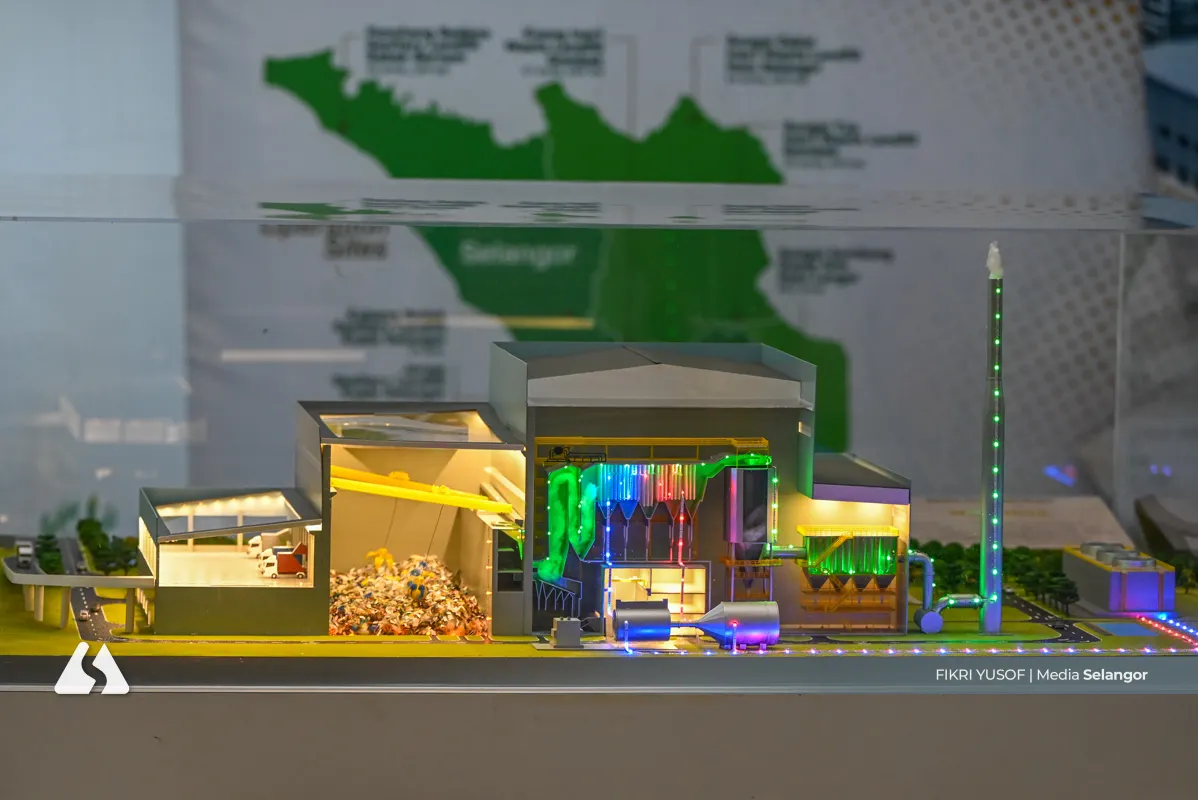

PUTRAJAYA, Nov 24 — The shift from conventional disposal methods to waste-to-energy (WTE) technology is crucial to developing a more sustainable and resilient national solid waste management system for society’s well-being.
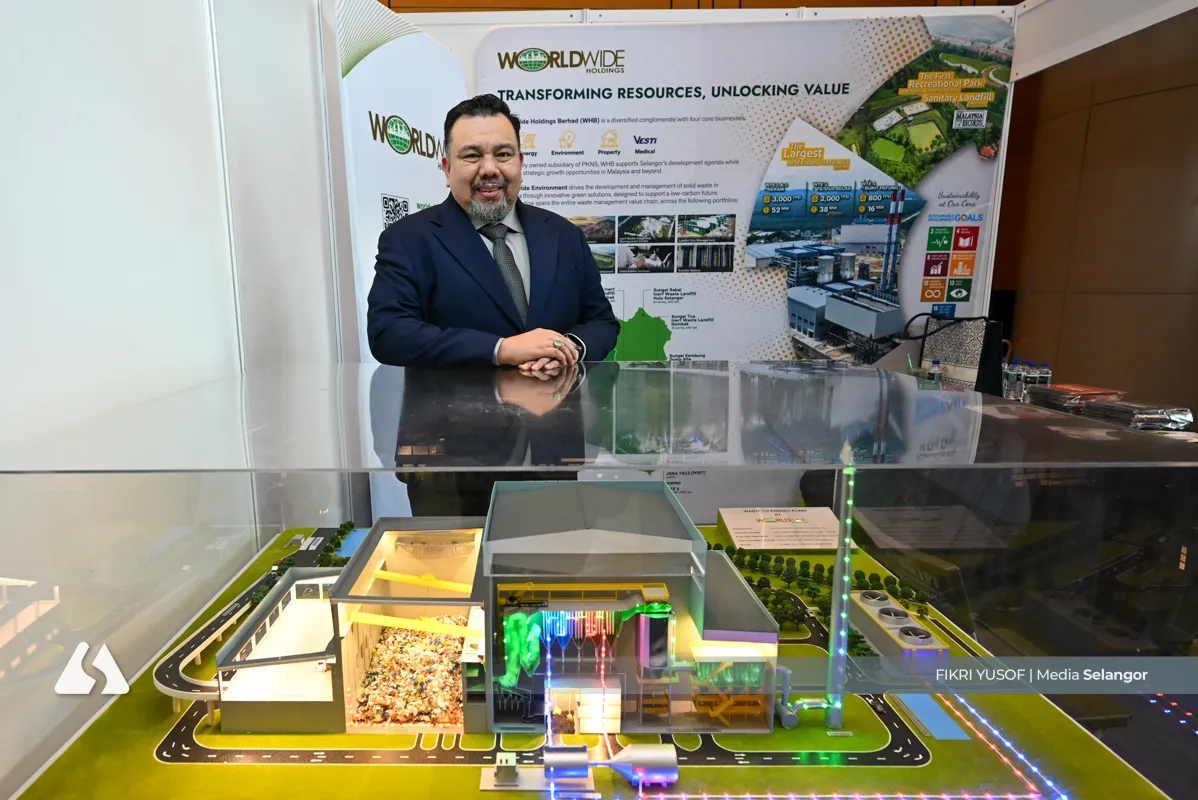
Worldwide Holdings Berhad's (WHB) group chief executive officer Ahmad Zaki Ahmad Zainuddin said understanding WTE technology is important to enable the public to assess its implementation based on facts, particularly regarding operational processes, energy-generation benefits, and environmental impact controls.
Relying on landfills as the primary method of solid waste management is no longer sufficient to address the growing volume of waste from population growth and expanding industrial activities.
He said that WTE technology in developed countries such as Japan, South Korea, China, and several European nations indicates that the method has become part of modern solid waste management systems.
Advances in technology have also made it possible to control pollutant emissions through high-tech treatment systems.
“Technology has now advanced significantly and become more sophisticated. I have been informed that all emissions or residual waste released by WTE facilities have reached a level that is cleaner than the air in our surrounding environment.
“So, I urge everyone to recognise that the solution through WTE facilities is already within reach. We hope the public will embrace this technology and that not only Selangor, but other states as well, will adopt it,” Zaki said.
He was speaking to the media after a sharing session titled 'Transforming Waste to Energy' held in conjunction with the Sustainable Waste Management Exhibition and Conference (SWAM) 2026 at the Putrajaya International Convention Centre today.
Operational controls
Zaki added that WHB’s more than 30 years of experience in the solid waste management sector has provided the foundation for expanding the company’s expertise in WTE technology, including artificial intelligence (AI) and online monitoring systems to oversee operational performance and ensure real-time compliance with environmental standards.
“All parameters relating to emissions and effluent discharged from the plant are connected directly online to the Environment Department to ensure greater transparency in our operations.
“We also ensure that all regulations are complied with and that operations remain within the permitted parameters. In fact, we strive to keep emission levels well below the prescribed limits,” he said.
On the suitability of the technology for local conditions, Zaki said solid waste management in Malaysia faces its own challenges because the waste composition contains high levels of moisture and organic matter, requiring adjustments to plant design and operations.
WHB combines local experience with proven WTE technology, including managing mixed waste and controlling combustion processes and temperatures, to ensure stable plant operations suited to Malaysia’s waste characteristics.
Expanding implementation
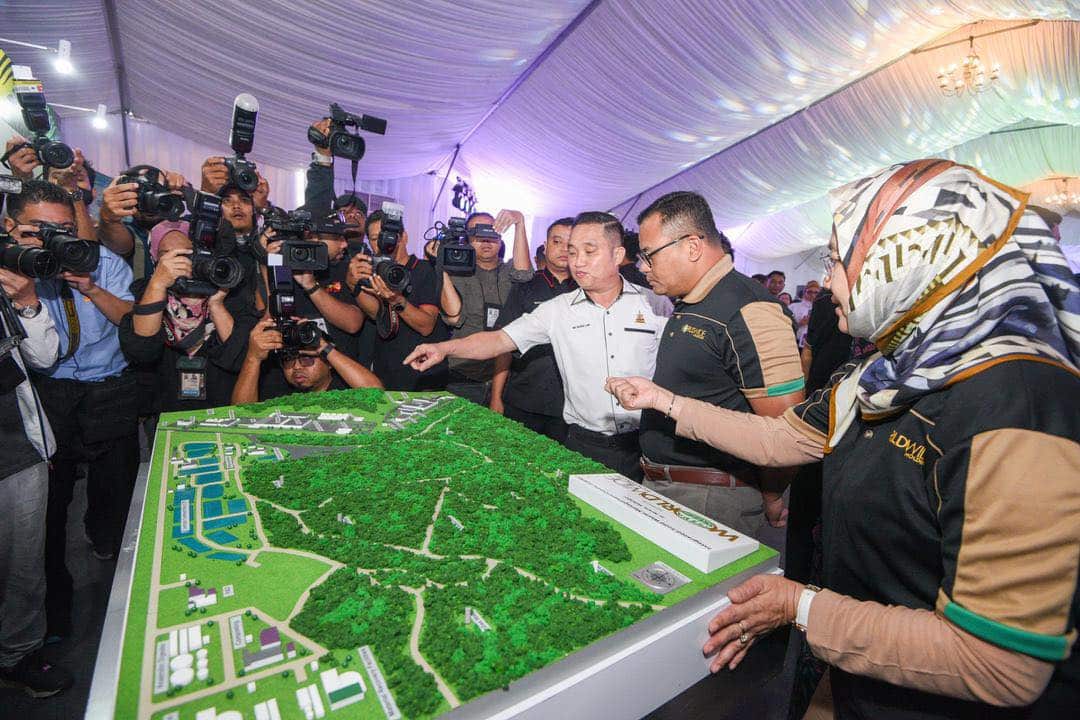
Looking ahead, WHB will continue expanding the technology through its Jeram 1 and Jeram 2 WTE plants, as well as WTE3 in Tanjung 12, as part of efforts to reduce reliance on landfills, mindful that Selangor generates approximately 8,000 tonnes of waste daily.
“WTE Jeram 1 began operations on May 13, with a capacity to process 1,500 tonnes of solid waste a day, while WTE Jeram 2 is scheduled to begin operations in the first quarter of 2027.
“Both developments will increase solid waste management capacity to as much as 3,000 tonnes a day, as well as boost energy generation capacity to 52 megawatts (MW),” he said.
The public also has a role to play by understanding solid waste management methods and ensuring information about the new technology comes from reliable sources.
“We should take an interest and ensure that the information we receive is accurate. Waste management is not easy. Beyond industry, we all have a responsibility because we contribute to waste generation.
“We need to take responsibility for how we manage our own waste. Therefore, waste management must begin at home.
“Previously, everything was managed through landfills. If we think about it, this is wasteful because land that could otherwise be put to good use is occupied by rubbish, resulting in land degradation.
“Not only does this damage the land, but it can also pollute water and air resources and create other problems. Working at a landfill is not easy either. So, the solution already before us is WTE,” Zaki said.